

Congo-Brazzaville Travel Guide – Everything You Need to Know Before You Visit
Where Is Congo-Brazzaville?
Congo-Brazzaville, officially known as the Republic of the Congo, is located in Central Africa. The name Congo-Brazzaville is commonly used to distinguish the country from its much larger neighbour, the Democratic Republic of the Congo, which is sometimes called Congo-Kinshasa. Brazzaville is the capital of the Republic of the Congo, while Kinshasa is the capital of the Democratic Republic of the Congo.
The Republic of the Congo covers approximately 342,000 square kilometres and has a population of about 6.1 million people. It is one of Africa’s least densely populated countries, with much of its northern territory covered by tropical rainforest. Travellers interested in the region’s forest ecosystems can begin with Anthill Safaris’ Odzala-Kokoua National Park guide.

Congo-Brazzaville should not be confused with the Democratic Republic of the Congo. The two countries share a name, the Congo River and important cultural connections, but they have different governments, visa systems, currencies, national parks and tourism operations. Anthill Safaris also offers separate information about travel in the Democratic Republic of the Congo for visitors comparing the two destinations.
Geographic Location in Central Africa
The Republic of the Congo lies on both sides of the Equator in western Central Africa. Its location places it within the Congo Basin, one of the world’s largest tropical rainforest systems and an internationally important centre of biodiversity.
Brazzaville lies in the southeast of the country on the northwestern bank of the Congo River. Kinshasa stands directly across the river, making the two capitals one of the world’s closest pairs of national capital cities.
The country extends from the Atlantic Ocean in the southwest towards the remote rainforest landscapes of northern Central Africa. This geographical range creates a mixture of coastal plains, river valleys, plateaus, swamp forests, lowland rainforest and savannah.
Travellers interested in understanding Central African forest ecology can also explore Anthill Safaris’ guide to Semuliki National Park, which protects the easternmost extension of Congo Basin lowland forest within Uganda.
Borders with Neighbouring Countries
Congo-Brazzaville shares borders with Gabon to the west, Cameroon and the Central African Republic to the north, the Democratic Republic of the Congo to the east and south, and Angola’s Cabinda exclave in the southwest.
These borders connect the country to several important transboundary conservation landscapes. Wildlife habitats extend across political boundaries, making regional cooperation essential for protecting forests, elephants, great apes and migratory species.
In northern Congo, the Sangha Trinational conservation landscape connects protected forests in the Republic of the Congo, Cameroon and the Central African Republic. Farther west and south, forest landscapes connect Congo-Brazzaville with Gabon.
Cross-border tourism in this part of Africa requires careful planning because immigration procedures, park operations, road conditions and flight connections vary. Anthill Safaris’ experience with multi-country African safari planning helps travellers build realistic regional routes.
Atlantic Coastline
The Republic of the Congo has a relatively short Atlantic coastline in the southwest. Pointe-Noire is the country’s main coastal city, commercial centre and seaport. It is also one of the principal international entry points for visitors travelling to the coast or southern conservation areas.
The coastal region includes beaches, lagoons, mangroves, savannah and forest landscapes. Conkouati-Douli National Park lies near the Gabon border and protects a mixture of coastal waters, lagoons, forests and wetlands.
The Atlantic coast provides a completely different environment from the dense rainforest of northern Congo. Travellers with sufficient time can combine Brazzaville, the northern rainforest parks and the Pointe-Noire region to experience the country’s geographical diversity.
Climate Zones
Congo-Brazzaville has a tropical climate, but rainfall patterns vary between the northern rainforest, central plateaus and southern coastal regions. Temperatures are generally warm throughout the year, while humidity is particularly high in forest and coastal areas.
The northern part of the country lies close to the Equator and experiences high rainfall and humidity. The forests remain green throughout the year, although seasonal changes affect trails, river levels, wildlife movement and road access.
Southern Congo generally has a more defined dry season, commonly extending from approximately June to September. The wetter period normally occurs from around October to May, although timing and intensity vary by region.
Travellers should not use Brazzaville weather alone when planning a rainforest safari. Conditions in Odzala-Kokoua National Park or remote northern areas may differ significantly from those in the capital or Pointe-Noire.
Major Rivers
The Congo River forms much of the country’s eastern and southeastern boundary with the Democratic Republic of the Congo. It is one of the world’s great river systems and plays an important role in transportation, trade, fishing, culture and regional identity.
The Ubangi River flows along part of the northeastern frontier before joining the Congo River. Other significant waterways include the Sangha, Likouala, Alima and Kouilou-Niari river systems.
In remote forest regions, rivers and streams influence wildlife movements and provide access to habitats that are difficult to reach by road. Boat travel can therefore form an important part of a Congo rainforest safari.
Visitors interested in water-based wildlife experiences can compare Central African river travel with Anthill Safaris’ wider collection of African safari activities.
Landscapes and Natural Regions
The landscapes of Congo-Brazzaville include Atlantic coastal plains, the Mayombe hills, the Niari Valley, central plateaus, broad river systems, flooded forests, forest clearings and extensive northern rainforest.
The Niari Valley contains open grasslands and agricultural areas that contrast sharply with the equatorial forest farther north. Central plateaus create transitional environments between savannah and dense rainforest.
In the north, natural forest clearings known as bais attract animals seeking water, minerals and fresh vegetation. These open spaces provide some of the best opportunities to observe forest elephants, buffaloes, gorillas and other normally secretive rainforest wildlife.
Rainforests
A substantial part of the Republic of the Congo is covered by forest. These forests form part of the wider Congo Basin, the world’s second-largest tropical rainforest system after the Amazon.
The country’s rainforests support western lowland gorillas, chimpanzees, forest elephants, forest buffaloes, sitatungas, bongos, duikers, monkeys, birds, reptiles, amphibians and countless plant species.
Odzala-Kokoua National Park is the country’s best-known rainforest safari destination. Its combination of dense forest, rivers, swamp habitats and mineral-rich clearings creates exceptional opportunities for low-volume wildlife tourism.
Travellers can learn more about western lowland gorillas and forest elephants in Odzala or compare the experience with Anthill Safaris’ eastern lowland gorilla safari in the neighbouring Democratic Republic of the Congo.
Savannah Regions
Congo-Brazzaville is not entirely covered by rainforest. Savannah and woodland environments occur in the south and in transitional areas between major forest blocks.
These landscapes support different plant communities and wildlife from the equatorial forests. Open habitats also provide important grazing areas, agricultural land and travel corridors between towns and forest regions.
The contrast between rainforest and savannah allows travellers to experience more ecological variety than many people expect from the Republic of the Congo.
Why Visit Congo-Brazzaville?
Congo-Brazzaville appeals to travellers searching for remote rainforest, rare wildlife and destinations that remain far from mainstream mass tourism. A journey here is less about following a conventional safari circuit and more about entering one of Africa’s least-visited natural environments.
The country is particularly attractive to experienced safari travellers, primate enthusiasts, conservation supporters, birdwatchers and photographers who value wilderness, small groups and unusual wildlife encounters.
Untouched Rainforests
The forests of northern Congo are among the country’s greatest attractions. Large areas remain sparsely populated and difficult to access, helping preserve extensive wildlife habitat.
Visitors may explore forest trails, river channels, swampy clearings and bais surrounded by seemingly endless vegetation. The experience feels very different from a traditional open-vehicle safari in East or Southern Africa.
Anthill Safaris can combine Congo Basin rainforest travel with other specialised destinations highlighted in its guide to lesser-known African safari environments.
Low-Volume Tourism
Tourism in Congo-Brazzaville remains limited compared with better-known African safari destinations. Remote locations, specialised logistics and relatively high operating costs keep visitor numbers low.
This can create quieter wildlife encounters and a stronger sense of wilderness. Guests may spend long periods exploring forests and clearings without encountering large tourist groups.
Low-volume tourism must still be managed responsibly. Sensitive wildlife such as gorillas requires controlled viewing, trained guides and strict health precautions.
Wildlife Encounters
The country provides opportunities to observe species adapted to dense Central African rainforest. Wildlife viewing may involve walking, boating, waiting quietly beside a bai or following signs with experienced trackers.
Encounters are often less predictable than wildlife viewing in open savannah. Thick vegetation can conceal animals at close range, making tracks, calls, dung and feeding signs important parts of the experience.
This uncertainty adds to the adventure and makes every sighting meaningful. Travellers should arrive with patience and realistic expectations rather than expecting a checklist-style safari.
Western Lowland Gorillas
Western lowland gorillas are one of the principal reasons wildlife enthusiasts visit the Republic of the Congo. They are generally smaller than mountain gorillas and have shorter hair, broader geographical distribution and adaptations suited to lower-altitude rainforest.

Guided tracking experiences may be offered around habituated or monitored groups in designated conservation areas. The walking conditions, viewing rules and success rates differ from mountain gorilla trekking in Uganda and Rwanda.
Travellers comparing great-ape experiences can read about mountain gorilla watching in Uganda and Anthill Safaris’ broader African gorilla safari options.
Forest Elephants
Forest elephants are smaller and more elusive than the savannah elephants commonly seen in East Africa. They move through dense forest, swamp and open clearings, often leaving tracks, dung and broken vegetation as evidence of their presence.

Bais provide some of the strongest opportunities to observe forest elephants because animals enter the clearings to drink and obtain minerals. Sightings remain natural and cannot be guaranteed.
Watching elephants emerge silently from dense forest can be one of the most memorable experiences of a Congo-Brazzaville safari.
Rich Biodiversity
The Republic of the Congo protects an extraordinary variety of mammals, birds, reptiles, amphibians, insects and plants. Many species are difficult to see because they remain hidden within dense vegetation, but their presence reflects the ecological importance of the forests.
Birdwatchers can search for hornbills, turacos, kingfishers, forest eagles and numerous Congo Basin specialists. Visitors interested in Central African birdlife can also review Anthill Safaris’ guide to Congo Basin birding environments.
Authentic Cultural Experiences
Congo-Brazzaville has diverse communities, languages, music, crafts and food traditions. Cultural experiences may include city markets, river communities, village visits, music, dance and conversations with local guides.
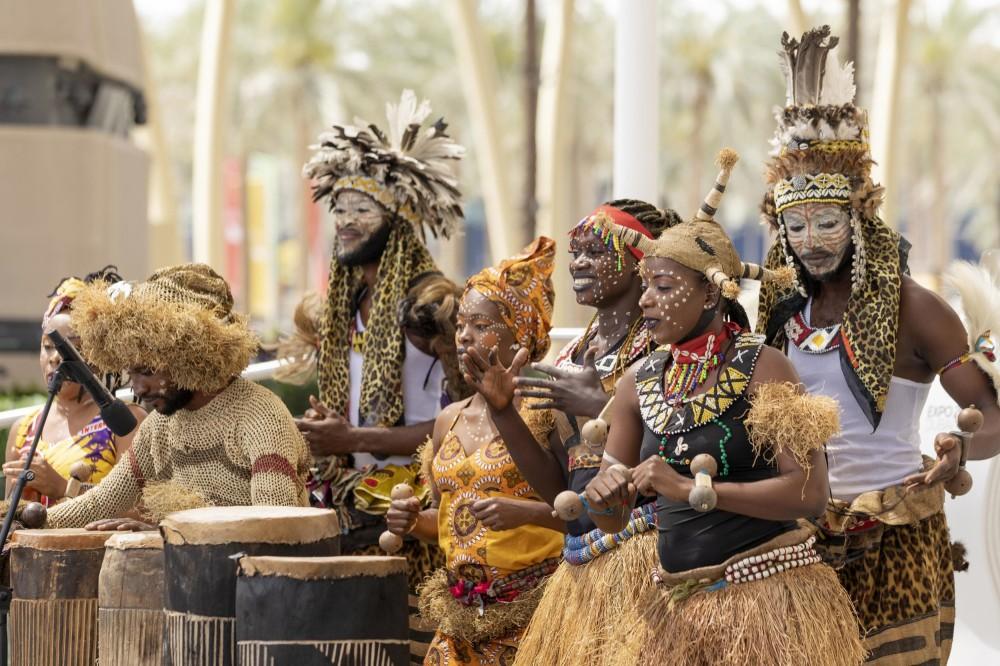
Responsible cultural tourism should be based on permission, fair compensation and respectful interaction. Travellers should avoid treating communities as staged attractions and should ask before photographing people.
French is the official language, while Lingala and Kituba are widely used national languages. Numerous additional local languages reflect the country’s cultural diversity.
Adventure Travel Opportunities
Travel in Congo-Brazzaville can include rainforest trekking, river journeys, bai observation, wildlife tracking and overland travel through remote landscapes. These experiences suit visitors who are comfortable with changing conditions and limited infrastructure.
Road journeys can be long, flights may operate on limited schedules and communication may be inconsistent outside major cities. A professionally organised itinerary is therefore strongly recommended.
Travellers attracted to demanding forest experiences can compare Congo-Brazzaville with Anthill Safaris’ Congo gorilla and chimpanzee safari in the neighbouring Democratic Republic of the Congo.
Ecotourism and Conservation
Well-managed tourism can generate employment, support protected-area operations and create economic value for living forests. Visitor revenue may contribute to guiding, research, ranger work, lodge employment and local supply chains.
Travellers should select operators and lodges that respect wildlife-viewing rules, employ local staff and minimise environmental damage. Anthill Safaris explains its broader approach in Why Book a Safari with Anthill Safaris?
History of the Republic of the Congo
The history of Congo-Brazzaville includes powerful pre-colonial kingdoms, French colonial rule, independence, political change and modern efforts to balance economic development with conservation.
Pre-Colonial History
Before European colonisation, the region was inhabited by numerous communities with established political, trading and cultural systems. Parts of modern Congo-Brazzaville were influenced by the Kingdom of Kongo and the Tio, Loango and other regional states.
Trade routes connected inland communities with the Atlantic coast and neighbouring regions. People exchanged agricultural products, forest resources, salt, metal goods and other commodities.
French Colonial Era
France established control over the territory during the late nineteenth century. Brazzaville became an important colonial administrative centre and later formed part of French Equatorial Africa.
Colonial rule brought major social and economic disruption. Forced labour, resource extraction and infrastructure projects affected communities across the region.
Independence
The Republic of the Congo gained independence from France on 15 August 1960. Brazzaville remained the national capital, and the country began developing its own political institutions.
The decades after independence included changes of government, periods of one-party rule, economic difficulties and civil conflict. These events affected infrastructure, investment and tourism development.
Modern Development
Petroleum has played a major role in the modern economy, particularly around Pointe-Noire and the Atlantic coast. The country has also sought to expand infrastructure, services and non-oil economic sectors.
More than half of the population lives in Brazzaville and Pointe-Noire. Large parts of the forested north remain sparsely populated and are connected by limited roads and air services.
Conservation Initiatives
The Republic of the Congo has established national parks and participated in transboundary conservation programmes. These initiatives protect important parts of the Congo Basin while supporting research and anti-poaching work.
Odzala-Kokoua and the Congolese component of the Sangha Trinational are internationally recognised UNESCO World Heritage properties. Conservation partnerships have also supported wildlife monitoring, protected-area management and specialised tourism.
Tourism Growth
Tourism remains small but has grown through interest in western lowland gorillas, forest elephants and Congo Basin ecosystems. Specialised camps and guided expeditions have introduced the destination to travellers seeking remote and conservation-focused experiences.
Future growth will depend on reliable transport, conservation success, local benefits, professional training and clear visitor information.
Quick Facts About Congo-Brazzaville
Capital City
Brazzaville is the capital and one of the country’s largest cities. It stands beside the Congo River directly opposite Kinshasa.
Population
The Republic of the Congo has an estimated population of approximately 6.1 million people. Much of the population is concentrated in Brazzaville and Pointe-Noire.
Official and National Languages
French is the official language. Lingala and Kituba are widely spoken national languages, while numerous additional Indigenous languages are used across the country.
Currency
The official currency is the Central African CFA franc, identified by the code XAF. Cash remains important outside major hotels and urban businesses.
Time Zone
Congo-Brazzaville uses West Africa Time, which is UTC+1 throughout the year.
Electricity
The standard electricity supply is generally 230 volts at 50 hertz. Travellers should carry a universal adapter and power bank because plug types and electricity reliability may vary.
Calling Code
The international telephone calling code for the Republic of the Congo is +242.
Driving Side
Vehicles drive on the right-hand side of the road. Road conditions vary considerably between major cities and remote forest regions.
Major Airports
Maya-Maya International Airport in Brazzaville and Agostinho-Neto International Airport serving Pointe-Noire are the country’s main international gateways. Domestic charter or scheduled services may be required for remote safari destinations.
National Parks
Major protected areas include Odzala-Kokoua National Park, Nouabalé-Ndoki National Park and Conkouati-Douli National Park. Each protects a different combination of rainforest, wetlands, rivers, savannah and coastal habitat.
UNESCO World Heritage Sites
The Republic of the Congo currently has two natural properties on the UNESCO World Heritage List: the Sangha Trinational, shared with Cameroon and the Central African Republic, and the Odzala-Kokoua Forest Massif.
Why Travel with Anthill Safaris?
Travel in Congo-Brazzaville requires careful coordination because national parks are remote, flights can be limited and road journeys may involve changing conditions. Anthill Safaris helps travellers develop realistic safari plans based on available time, preferred wildlife and desired comfort.
Personalised Itineraries
Every traveller has different interests. Some visitors prioritise western lowland gorillas, while others want forest elephants, birdwatching, photography or a multi-country Central African journey.
Anthill Safaris creates itineraries around the traveller’s dates, fitness, budget and preferred experiences rather than forcing every guest into one standard programme.
Expert Destination Planning
Specialised planning helps travellers distinguish Congo-Brazzaville from the Democratic Republic of the Congo and understand the different airports, parks and great-ape experiences available in each country.
Guests comparing destinations can review Anthill Safaris’ short lowland gorilla safaris and extended Congo primate adventures.
Wildlife-Focused Safaris
Our safari planning prioritises wildlife habitat, seasonal conditions, responsible viewing and sufficient time in each destination. Congo rainforest travel should not be rushed into an itinerary designed only around cities and airports.
Professional Guides
Experienced guides provide destination interpretation, logistical coordination and support during wildlife activities. In remote environments, local knowledge is essential for safety, communication and understanding animal signs.
Comfortable Transportation
Transportation may include international flights, domestic aviation, private vehicles and boats. Anthill Safaris helps coordinate the appropriate combination according to park access and current operating conditions.
Responsible Tourism
Anthill Safaris encourages visitors to follow wildlife rules, respect communities and support conservation-focused tourism. Responsible travel is particularly important in sensitive gorilla and forest-elephant habitats.
Flexible Travel Packages
Travellers may request a Congo-Brazzaville-only itinerary or combine the Republic of the Congo with other African destinations. Regional combinations should be designed around flight connections, visa requirements and realistic travel times.
With detailed preparation and professional support, Congo-Brazzaville offers one of Africa’s most distinctive rainforest experiences. Its western lowland gorillas, forest elephants, great rivers, remote national parks and low visitor numbers make it an exceptional destination for adventurous travellers.
Best Places to Visit in Congo-Brazzaville
The best places to visit in Congo-Brazzaville combine lively riverfront cities, remote tropical rainforests, wildlife-rich national parks, dramatic waterfalls, coastal landscapes and culturally important historical sites. The Republic of the Congo remains one of Central Africa’s least-visited destinations, making it particularly attractive to travellers seeking low-volume tourism and experiences beyond conventional safari routes.
Many of the country’s most rewarding attractions are remote and require advance planning. Travellers may need domestic flights, private vehicles, boats, specialist guides and several days to reach destinations such as Odzala-Kokoua and Nouabalé-Ndoki. Visitors interested in great apes can compare these experiences with Anthill Safaris’ wider African gorilla safaris and detailed gorilla destination guide.
Brazzaville
Brazzaville is the capital and the main starting point for most Congo-Brazzaville holidays. The city stands on the northwestern bank of the Congo River directly opposite Kinshasa, the capital of the Democratic Republic of the Congo. The two cities form one of the world’s closest pairs of national capitals.
Brazzaville provides an accessible introduction to the country’s history, food, music, religion and urban culture. Travellers commonly spend one or two nights in the capital before continuing towards the rainforest parks or the Atlantic coast.
The city’s atmosphere combines broad avenues, colonial-era buildings, churches, government institutions, local neighbourhoods and riverfront views. A guided city tour helps visitors understand the distinction between the Republic of the Congo and the neighbouring Democratic Republic of the Congo.
Anthill Safaris can include Brazzaville within a customised Central African travel itinerary before or after a specialist wildlife safari.
Brazzaville Landmarks
Important Brazzaville landmarks include the Pierre Savorgnan de Brazza Memorial, Nabemba Tower, the Presidential Palace area, railway architecture and selected public squares. Access rules around government buildings may change, so travellers should follow local photography restrictions.
The Pierre Savorgnan de Brazza Memorial presents material connected with the city’s colonial history and the explorer after whom Brazzaville was named. Visitors should place the site within the wider context of French colonial rule rather than treating it only as an architectural attraction.
Nabemba Tower is one of the city’s most recognisable modern buildings. Its height makes it a prominent feature of the Brazzaville skyline, although public interior access should be confirmed locally.
Markets in Brazzaville
Brazzaville’s markets provide opportunities to observe everyday commerce and purchase textiles, food, household products, artwork and locally made crafts. Guided visits can help travellers communicate with vendors, understand prices and identify responsibly produced souvenirs.
Visitors should ask permission before photographing traders or customers. Markets are working commercial spaces rather than staged tourist attractions, and respectful behaviour creates more meaningful interactions.
Travellers should carry small amounts of local currency, keep valuables secure and follow the guide’s advice regarding crowded areas.
Museums and Cultural Centres
Brazzaville has museums, galleries and cultural centres presenting Congolese history, music, art and political development. Available exhibitions and opening times can change, making advance confirmation important.
Cultural programmes may include painting, sculpture, contemporary art, traditional instruments and performances. A knowledgeable local guide can identify current exhibitions and explain the historical context behind the displays.
Basilica of Sainte-Anne and Brazzaville Cathedral
The Basilica of Sainte-Anne is among Brazzaville’s most distinctive religious buildings. It is recognised for its green-tiled roof, architectural design and importance within the city’s Christian community.
The Sacred Heart Cathedral is another important place of worship connected with Brazzaville’s colonial and religious history. Visitors should dress appropriately, remain quiet during services and request permission before taking interior photographs.
The Congo River in Brazzaville
The Congo River defines Brazzaville’s landscape and identity. From selected viewpoints, visitors can see Kinshasa across the broad waterway and watch boats transporting passengers and goods.
Guided river excursions may be possible depending on water conditions, permits and local operations. Travellers should use a reputable provider supplying life jackets, a suitable vessel and an experienced boat crew.
The river can also form part of a longer cultural or photography experience. Visitors interested in water-based wildlife activities can compare it with Anthill Safaris’ guided African safari activities.
Odzala-Kokoua National Park
Odzala-Kokoua National Park is the leading safari destination in Congo-Brazzaville and one of the most important protected rainforest landscapes in Africa. Situated in the northwest, it covers approximately 13,546 square kilometres of forest, rivers, swamps, savannah and mineral-rich clearings.
The park is one of Africa’s oldest national parks, having first received protection in 1935. It became a UNESCO Biosphere Reserve in 1977 and was inscribed as a UNESCO World Heritage Site in 2023.
Odzala is managed by African Parks in partnership with the Government of the Republic of the Congo. Its remote location, specialist camps and controlled visitor numbers make it suitable for travellers seeking an immersive, conservation-focused safari.
Visitors can begin their research through Anthill Safaris’ Odzala-Kokoua National Park guide while noting that the park is in the Republic of the Congo despite its current placement within the website’s DR Congo category.
History of Odzala-Kokoua
Odzala’s long conservation history reflects the ecological importance of the northwestern Congo Basin. The protected area was expanded over time to include a greater variety of rainforest, river and savannah habitats.
Conservation partnerships have focused on wildlife monitoring, ranger training, reducing poaching, community engagement and developing low-volume tourism capable of contributing to park management.
The World Heritage designation recognises the park’s exceptional ecological processes and its position within a vast forest ecosystem connecting Lower Guinean and Congolese biological regions.
Wildlife in Odzala-Kokoua
Odzala supports western lowland gorillas, forest elephants, forest buffaloes, chimpanzees, sitatungas, bongos, giant forest hogs, duikers and numerous monkey species. Dense vegetation means that wildlife viewing differs significantly from open savannah safaris.
Guests may explore on foot, by boat or from observation points overlooking forest clearings. Tracks, calls, feeding signs and fresh dung often reveal the presence of animals before the wildlife itself becomes visible.
Patience is essential. Sightings cannot be guaranteed, but the park’s combination of habitats provides some of Central Africa’s strongest rainforest wildlife opportunities.
Western Lowland Gorillas in Odzala
Western lowland gorillas are one of Odzala’s principal attractions. They are generally smaller and have shorter hair than the mountain gorillas found in Uganda and Rwanda.
Specialist tracking experiences may involve walking through humid forest with trained trackers to locate habituated gorilla groups. Visitors must follow health, distance and photography regulations designed to protect the gorillas from disturbance and disease.
Travellers comparing gorilla subspecies can read Anthill Safaris’ guide to African gorilla countries or explore its lowland gorilla safari experience.
Forest Elephants
Forest elephants are smaller, more secretive and more difficult to observe than the savannah elephants commonly seen in East Africa. They move through dense rainforest, swamps and natural clearings in search of food, water and minerals.
Odzala’s bais provide some of the strongest opportunities to observe forest elephants. Visitors may see individuals or small groups emerging from the forest, although sightings depend on natural movement and seasonal conditions.
Birdlife
Odzala’s forests, rivers, swamps and savannah support rich birdlife. Hornbills, kingfishers, turacos, parrots, forest raptors and wetland species may be encountered during guided walks and boat activities.
Dedicated birdwatchers should travel with an experienced guide and allow several days in different habitats. Anthill Safaris also offers information about guided birdwatching safaris and specialist African birding destinations.
Bai Clearings
Bais are natural forest clearings, often containing mineral-rich soils, marshes or water. They attract wildlife that is otherwise difficult to observe within dense rainforest.
Visitors may watch forest elephants, buffaloes, antelopes, gorillas and birds from concealed or elevated observation points. The experience requires silence, patience and strict adherence to guide instructions.
Bai viewing is one of the defining features of a Congo Basin safari and provides a different wildlife experience from conventional game drives.
Nouabalé-Ndoki National Park
Nouabalé-Ndoki National Park lies more than 900 kilometres north of Brazzaville and protects one of the Congo Basin’s most intact lowland rainforest landscapes. Established in 1993, it has an important history of scientific research, community engagement and transboundary conservation.
The park forms part of the Sangha Trinational World Heritage Site together with Lobéké National Park in Cameroon and Dzanga-Ndoki National Park in the Central African Republic.

Nouabalé-Ndoki is open to tourism, but visits require significant advance planning. The official park website advises travellers to organise excursions and accommodation through approved channels.
Important experiences include Mbeli Bai and the Mondika gorilla area. Mbeli Bai is a forest clearing associated with long-term research and opportunities to observe gorillas, elephants, sitatungas and other wildlife.
The Mondika area is known for western lowland gorilla research and controlled tracking experiences. Conditions can be basic, and travellers should expect a genuine expedition rather than a conventional luxury safari.
Visitors interested in combining several primate destinations can compare the experience with Anthill Safaris’ lowland gorilla and bonobo adventure.
Conkouati-Douli National Park
Conkouati-Douli National Park lies in southwestern Congo-Brazzaville near the Atlantic coast and the Gabon border. It protects an unusually varied combination of ocean, beaches, lagoons, mangroves, savannah and rainforest.

The park’s wildlife may include forest elephants, gorillas, chimpanzees, buffaloes, monkeys and marine turtles. Sea turtles use selected coastal beaches for nesting, while lagoons and mangroves provide important aquatic habitats.
Conkouati-Douli is less established for mainstream tourism than Odzala and requires careful logistical planning. Visitors should verify current accommodation, access and activity arrangements before travelling.
The park is suitable for adventurous travellers interested in combining coastal ecology with rainforest conservation rather than focusing only on gorilla tracking.
Léfini Wildlife Reserve
The Léfini Wildlife Reserve lies within reach of Brazzaville and protects a mixture of savannah, gallery forest, rivers and wetlands. Its proximity to the capital makes it potentially useful for travellers unable to reach the remote northern parks.
Wildlife populations have faced historical pressure, and the reserve should not be promoted as offering guaranteed sightings. Its value lies in its landscape, conservation role and connection with the wider Lesio-Louna area.
Access conditions and visitor facilities should be confirmed through a local operator before departure.
Lesio-Louna Gorilla Sanctuary
The Lesio-Louna Gorilla Sanctuary is located north of Brazzaville and is associated with the protection, rehabilitation and conservation of western lowland gorillas. It offers one of the more accessible opportunities to learn about gorilla conservation without travelling deep into northern Congo.

The sanctuary should not be described as identical to wild gorilla tracking in Odzala or Nouabalé-Ndoki. The experience is conservation-focused and connected with rehabilitated or managed gorillas rather than an ordinary trek to a fully wild family.
Visitors may travel through savannah, forest and wetland landscapes while learning about threats to gorillas and efforts to return suitable individuals to protected habitats.
Travellers primarily interested in completely wild gorilla encounters should compare sanctuary visits with Anthill Safaris’ broader gorilla trekking programmes.
Diosso Gorge
Diosso Gorge is a dramatic natural attraction near Pointe-Noire. Wind and water erosion have shaped red, orange and ochre cliffs into deep ravines, ridges and unusual formations.
The gorge is sometimes compared visually with a small canyon, although visitors should appreciate it as a distinctive Congolese landscape rather than relying on comparisons with attractions elsewhere.

A guided visit may be combined with the Diosso Museum, coastal villages or Pointe-Noire. Visitors should remain on safe paths because cliff edges and loose ground can be dangerous.
Morning or late-afternoon light is generally preferable for photography because it enhances the colours and shadows of the eroded formations.
Loufoulakari Falls
Loufoulakari Falls lies approximately 80 kilometres southwest of Brazzaville near the confluence of the Loufoulakari and Congo river systems. Water flows over broad rock formations, creating powerful cascades and attractive viewpoints.

The journey may require several hours because road conditions can be difficult, particularly during the rainy season. Visitors should use an appropriate vehicle and an experienced local driver.
Swimming near powerful currents is unsafe, and travellers should remain on stable viewing areas. A visit can be combined with rural landscapes and community stops outside Brazzaville.
Lake Télé
Lake Télé lies in the remote swamp forests of northern Congo-Brazzaville. It is part of the Lake Télé Community Reserve, a large wetland landscape recognised for its ecological importance and local community involvement.
The region supports gorillas, forest elephants, chimpanzees, crocodiles, fish, birds and other wetland wildlife. However, the lake’s remoteness makes tourism difficult and expensive.
Reaching Lake Télé may involve flights, long road journeys, river transport and specialised expedition arrangements. Visitors should not treat it as an easy extension from Brazzaville.
Lake Télé has also become associated with stories about the legendary Mokele-mbembe. These claims are part of regional folklore and popular culture rather than verified zoological evidence.
The Congo River
The Congo River is one of Africa’s greatest natural and cultural features. It forms much of the boundary between the Republic of the Congo and the Democratic Republic of the Congo and supports transportation, fishing, trade and riverside communities.

In Brazzaville, travellers can enjoy views across the water towards Kinshasa. Longer river journeys require careful planning, suitable boats and experienced crews because currents, weather and navigation conditions can be challenging.
Photography opportunities include fishing vessels, commercial boats, river islands, urban skylines and changing light over the water. Visitors must respect local rules around ports, bridges and government facilities.
Best Hidden Gems in Congo-Brazzaville
Beyond the best-known national parks, Congo-Brazzaville contains remote waterfalls, forest clearings, coastal lagoons, river communities and savannah landscapes that receive very few international visitors.
The Loufoulakari Falls, Diosso Gorge and the communities surrounding the Lesio-Louna landscape can be included in shorter journeys from Brazzaville or Pointe-Noire. More adventurous travellers may explore northern river systems, research camps or remote areas connected with Nouabalé-Ndoki.
Hidden destinations should be selected according to current access, weather and operating conditions rather than added simply to create a longer itinerary. Some areas have limited accommodation, mobile coverage, medical services and road infrastructure.
Anthill Safaris can connect Congo-Brazzaville with specialised rainforest, primate and birdwatching experiences elsewhere in Africa, including a Rwanda and Congo primate safari, a Congo gorilla and chimpanzee journey or a customised multi-country expedition.
Choosing the Best Places for Your Congo-Brazzaville Itinerary
Travellers with limited time can focus on Brazzaville, Lesio-Louna and Loufoulakari Falls. Those with a larger budget and at least one week can prioritise Odzala-Kokoua National Park. Experienced expedition travellers may consider Nouabalé-Ndoki, while visitors arriving through Pointe-Noire can add Diosso Gorge and the coastal region.
Remote national parks should never be squeezed into an unrealistic itinerary. Domestic transport, weather, park transfers and buffer days must be considered before international flights are confirmed.
A carefully planned journey can combine city culture, the Congo River, western lowland gorillas, forest elephants, bai clearings and coastal landscapes. These varied destinations make Congo-Brazzaville one of Central Africa’s most distinctive choices for adventurous and conservation-minded travellers.
Wildlife, Gorilla Trekking and Nature in Congo-Brazzaville
Congo-Brazzaville offers one of Africa’s most immersive rainforest safari experiences. Instead of relying mainly on open-vehicle game drives, wildlife exploration in the Republic of the Congo often involves walking through dense forest, wading across shallow swamps, travelling by boat and waiting quietly beside natural forest clearings known as bais.
The country forms part of the Congo Basin, a vast forest region supporting western lowland gorillas, central chimpanzees, forest elephants, forest buffaloes, bongos, sitatungas, monkeys, birds, butterflies, reptiles and amphibians. Travellers can begin their research with Anthill Safaris’ Odzala-Kokoua National Park guide and its wider collection of African gorilla safari experiences.
Wildlife viewing in Congo-Brazzaville requires patience. Thick vegetation can hide animals even when they are nearby, and travellers often detect calls, footprints, nests, feeding remains or fresh dung before seeing the wildlife itself. This slower and more detailed approach makes a Congo rainforest safari particularly rewarding for visitors interested in animal behaviour, ecology, photography and conservation.
Western Lowland Gorillas
Western lowland gorillas are among the most important wildlife attractions in Congo-Brazzaville. They live in tropical lowland forest, swamp forest and areas containing fruiting trees, herbs and other vegetation needed for feeding.
Western lowland gorillas differ from the mountain gorillas found in Uganda, Rwanda and eastern Democratic Republic of the Congo. They are generally smaller, have shorter hair and may display brown or reddish colouring across the crown and upper body. Mature males develop a silver saddle across the back and become responsible for protecting and leading their family groups.
The Republic of the Congo contains internationally important western lowland gorilla populations. Odzala-Kokoua National Park is considered a major sanctuary for the subspecies, while Nouabalé-Ndoki National Park protects additional populations in the remote northern rainforest.
Travellers comparing gorilla subspecies can explore Anthill Safaris’ guide explaining which African countries have gorillas. Visitors can also compare western lowland gorillas with eastern lowland gorilla trekking in the Democratic Republic of the Congo.
Western lowland gorillas may spend more time feeding in trees than mountain gorillas, particularly when seasonal fruit is available. Their forest environment can make observation and photography challenging because leaves, branches and low light frequently obstruct clear views.
Gorilla Tracking Experience
Gorilla tracking in Congo-Brazzaville normally begins early in the morning when temperatures are cooler and trackers can examine fresh signs left by the gorillas. Visitors receive a briefing covering forest safety, health requirements, photography restrictions and appropriate behaviour around the animals.
A typical tracking group is small and accompanied by a specialist guide and experienced tracker. The team follows nests, footprints, broken plants, droppings and feeding remains while listening for movement and vocalisations within the forest.
The hike may involve muddy trails, dense vegetation, roots, insects and shallow swamp crossings. Travellers should wear waterproof hiking boots, long trousers, a long-sleeved shirt, gloves and reliable rain protection.
Once the gorillas are located, visitors are usually allowed a controlled observation period. Odzala’s established gorilla-tracking programme describes groups of approximately three or four guests accompanied by a guide and tracker, followed by up to one hour observing the gorillas.
Visitors may witness feeding, grooming, climbing, resting, juvenile play and protective silverback behaviour. Because western lowland gorillas frequently use trees and dense vegetation, photographers should prepare for rapid changes in distance, light and visibility.
Travellers considering different great-ape experiences can review Anthill Safaris’ gorilla destination comparison and its lowland gorilla tracking itinerary.
Forest Elephants
African forest elephants are smaller and more secretive than the savannah elephants commonly observed in East and Southern Africa. They have more rounded ears, straighter tusks and physical adaptations suited to moving through dense rainforest.
Forest elephants disperse seeds, open pathways and influence the structure of the forest. Their movements can affect vegetation across large areas, giving them an important ecological role within the Congo Basin.
Observing forest elephants is difficult because they may remain hidden within dense vegetation. Natural clearings provide some of the strongest viewing opportunities. Elephants enter bais to drink, feed and obtain minerals from soil and water.
Visitors should remain quiet and follow guide instructions because forest elephants can be difficult to detect and potentially dangerous at close range. Guided bai observation allows travellers to watch from a safer position without disrupting natural behaviour.
Odzala-Kokoua supports an important forest elephant population alongside western lowland gorillas, chimpanzees and forest buffaloes. The park’s forests, rivers and clearings create a highly varied Congo rainforest wildlife experience.
Chimpanzees
Central chimpanzees inhabit parts of Congo-Brazzaville’s northern rainforest. They live in complex social communities and communicate through vocalisations, facial expressions, body postures and physical contact.
Chimpanzees are generally more vocal and mobile than gorillas. They may travel rapidly through the canopy, feed in fruiting trees and separate into smaller subgroups before reuniting later.
Seeing wild chimpanzees in dense Congo Basin forest can be challenging. Unlike established chimpanzee destinations in Uganda or Rwanda, some Congo-Brazzaville populations are not regularly habituated for close tourist encounters.
Travellers should therefore treat chimpanzee sightings as valuable but not guaranteed additions to a Congo rainforest safari. Calls, nests and feeding signs may be encountered even when the animals remain hidden.
Visitors seeking a more structured chimpanzee experience can compare Congo-Brazzaville with Anthill Safaris’ chimpanzee trekking resources or a combined gorilla and chimpanzee safari.
Forest Buffaloes
Forest buffaloes inhabit clearings, swamp edges, forest tracks and transitional habitats within protected areas such as Odzala-Kokoua. They are generally smaller and more reddish than the Cape buffaloes frequently seen in open East African savannah.
The dense rainforest makes forest buffaloes difficult to observe unless they enter bais or open grasslands. Individuals and small groups may emerge to feed, drink or rest before returning to the forest.
Visitors should never approach buffaloes without a professional guide. Their behaviour can be unpredictable, particularly when visibility is limited by vegetation.
Forest buffalo sightings provide an opportunity to understand how familiar African mammal groups have adapted to different habitats. Their body size, colouring and movement patterns reflect life within humid lowland forest.
Other Primates
Congo-Brazzaville supports a remarkable variety of primates in addition to western lowland gorillas and chimpanzees. Species recorded within rainforest parks include guenons, mangabeys, colobus monkeys and other forest-adapted primates.
Different species occupy different levels of the forest. Some feed high in the canopy, while others use the middle vegetation layers, forest floor or swamp edges. Their diets may include fruit, leaves, seeds, insects and flowers.
Primate sightings frequently depend on sound. Guides may identify alarm calls, contact calls and movement in the canopy before visitors see the animals.
Travellers with a strong interest in primates can combine Congo-Brazzaville with other specialised destinations. Anthill Safaris offers a lowland gorilla and bonobo adventure and a Rwanda and Congo primate itinerary.
Birdwatching
The Republic of the Congo offers exceptional birdwatching for travellers interested in Central African forest species. Habitats include lowland rainforest, rivers, swamps, bais, savannah, mangroves and Atlantic coastal environments.
Odzala-Kokoua alone supports hundreds of bird species. Potential sightings include hornbills, turacos, parrots, kingfishers, bee-eaters, forest raptors, herons and numerous smaller canopy and understory birds.
Forest birdwatching requires patience and good listening skills. Birds may be heard more frequently than seen because high foliage and limited light conceal them. A specialist guide can identify calls and choose productive habitats at suitable times of day.
Early mornings are often rewarding, although river journeys and bai observation can provide bird sightings throughout the day. Binoculars suited to low light and a camera with a manageable telephoto lens are recommended.
Travellers can review Anthill Safaris’ African birdwatching experiences and its collection of specialist birding guides.
Butterflies and Insects
Congo-Brazzaville’s forests support an extraordinary variety of butterflies, moths, beetles, dragonflies and other insects. Their diversity reflects the country’s range of vegetation, water systems and microhabitats.
Butterflies may gather around mineral-rich soil, riverbanks, forest openings and damp ground. Brightly coloured species can provide rewarding macro-photography opportunities when they settle.
Insects are essential to rainforest ecosystems because they pollinate plants, decompose organic material and provide food for birds, reptiles, amphibians and small mammals.
Travellers should carry insect repellent and wear long clothing while recognising that insects are a natural and important part of the rainforest experience.
The Congo Rainforest
The rainforests of Congo-Brazzaville form part of the wider Congo Basin ecosystem. They contain lowland forest, swamp forest, riverine vegetation, seasonally flooded areas and natural clearings.
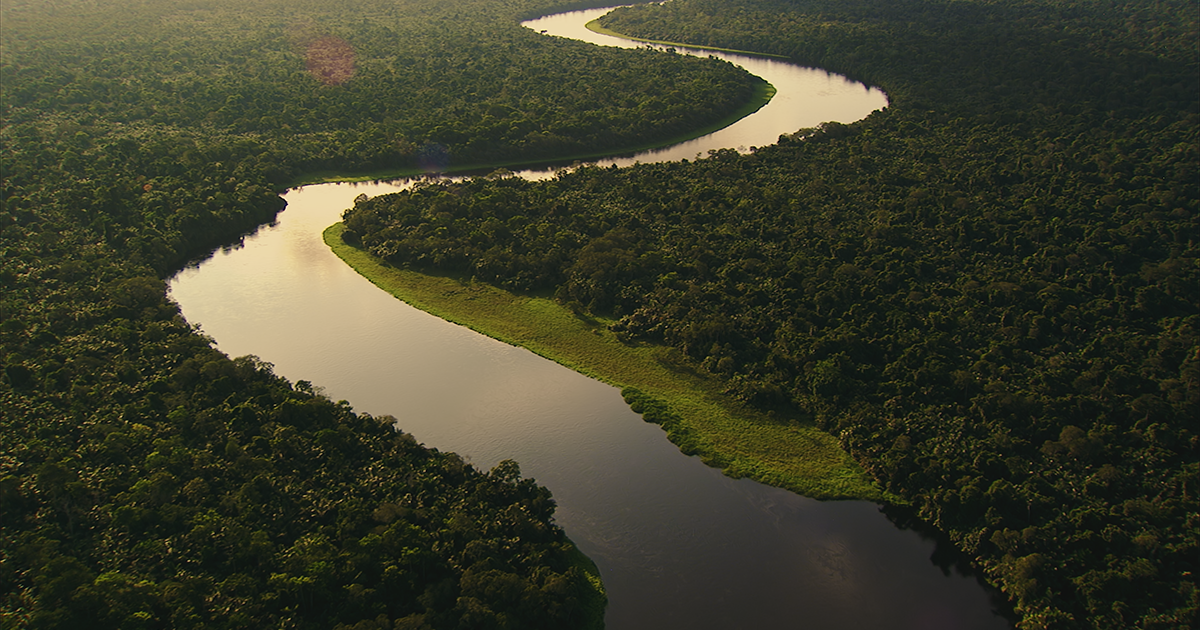
These forests support great apes, forest elephants, buffaloes, antelopes, birds and enormous botanical diversity. Odzala-Kokoua has been reported to contain thousands of plant species alongside more than one hundred mammal species and hundreds of bird species.
Rainforest travel differs from an open savannah safari. Visibility is limited, humidity is high and visitors often explore on foot or by boat rather than spending the entire day inside a vehicle.
The forest experience engages every sense. Travellers may hear distant chimpanzee calls, hornbill wingbeats, frogs and insects while smelling wet vegetation and observing tracks along muddy paths.
Visitors preparing for remote forest travel can compare the Congo Basin environment with Anthill Safaris’ Semuliki lowland forest guide, which describes an eastern extension of Congo Basin ecosystems in Uganda.
The Congo Basin
The Congo Basin is the world’s second-largest tropical rainforest region after the Amazon. It extends across several Central African countries and stores enormous quantities of carbon while regulating regional rainfall and climate.
The Republic of the Congo contains some of the basin’s best-protected forest landscapes. Odzala-Kokoua and Nouabalé-Ndoki safeguard major habitats for gorillas, elephants, chimpanzees and other wildlife.
The basin also supports millions of people who depend on forests, rivers and wetlands for food, medicine, transport, cultural identity and livelihoods. Conservation must therefore consider both ecological protection and local community needs.
Threats include poaching, illegal wildlife trade, unsustainable logging, road development, mining, disease and climate change. Protected areas remain critical refuges, but conservation success also depends on managing landscapes outside park boundaries.
Safari Activities
A Congo-Brazzaville safari combines activities designed around rainforest conditions. Travellers may track gorillas, walk through forest, travel along rivers, watch wildlife from bais and participate in conservation or research-focused experiences.
The final programme depends on the selected park, season, accommodation and current operating conditions. Remote destinations should be booked well in advance because guides, aircraft seats and lodge space can be limited.
Walking Safaris
Walking safaris are central to the Congo-Brazzaville experience. They allow visitors to study animal tracks, plants, insects, nests and ecological relationships that are easily missed from a vehicle.
Some walks follow established forest paths, while others pass through swamps, streams and dense vegetation. Waterproof footwear and quick-drying clothing are therefore essential.
Professional guides interpret signs and manage safety around elephants, buffaloes and other wildlife. Travellers must remain with the guide and avoid walking independently around wildlife habitats.
River Safaris
River safaris offer access to forest areas that may be difficult to reach on foot or by road. Travellers can observe birds, primates, vegetation and signs of wildlife along riverbanks.
Moving quietly by boat creates a different perspective from walking. Reflections, mist and overhanging forest also provide excellent landscape-photography opportunities.
River conditions vary with rainfall and season. Boats should be operated by experienced crews and equipped with appropriate safety equipment.
Boat Trips
Short boat trips may connect camps, walking trails and wildlife-viewing locations. Canoes or motorised boats may be used depending on the river, distance and accommodation programme.
Travellers should protect cameras and electronics with dry bags because rain and splashing water are common. Lightweight clothing, insect repellent and sun protection remain useful even in forest environments.
Boat travel should not be presented as guaranteed big-game viewing. Its value lies in exploring waterways, observing birds and understanding how rivers shape the rainforest.
Night Drives and Nocturnal Activities
Night drives may be offered in selected savannah or transitional areas where vehicle access is possible. They can reveal nocturnal mammals, owls, nightjars, reptiles and insects that remain hidden during daylight.
Dense forest often makes conventional night driving difficult, so some destinations may offer guided night walks or spotlighting near camps instead.
Visitors should follow guide instructions, remain quiet and avoid using personal flashlights in ways that disturb wildlife. Activity availability must be confirmed for the selected park and lodge.
Wildlife Photography
Congo-Brazzaville provides outstanding but technically challenging photography. Low forest light, high humidity, rain and vegetation require flexible equipment and realistic expectations.
A camera capable of handling higher ISO settings is useful. A moderate telephoto zoom is often more practical than a very large fixed lens when walking through dense forest.
Rain covers, dry bags, spare batteries, lens cloths and moisture protection are essential. Photographers should avoid changing lenses during rain or in dusty, humid conditions.
Bais provide stronger opportunities for photographing forest elephants and buffaloes in open areas. Gorilla photography may involve darker forest and brief openings between vegetation.
Travellers can compare rainforest photography with Anthill Safaris’ African wildlife photography subjects and broader safari activity planning.
Research Tourism
Research tourism allows visitors to learn how scientists and conservation teams monitor gorillas, elephants, birds, vegetation and wider forest ecosystems. Some specialised programmes may include lectures, researcher interaction or visits to long-term monitoring sites.
Nouabalé-Ndoki’s Mbeli Bai and Mondika areas are associated with long-term great-ape and wildlife research. Odzala has also supported extensive gorilla monitoring and scientific work.
Research access should not be assumed. Certain areas are reserved for scientists or have strict visitor limits to prevent disruption to wildlife and ongoing studies.
Travellers interested in research-focused journeys should make arrangements well in advance and remain flexible about what can be included.
Conservation in Congo-Brazzaville
Conservation in Congo-Brazzaville protects some of Africa’s most important rainforest habitats and wildlife populations. National parks such as Odzala-Kokoua and Nouabalé-Ndoki provide refuges for western lowland gorillas, chimpanzees, forest elephants and other threatened species.
Odzala-Kokoua is managed through a partnership between African Parks and the Government of the Republic of the Congo. Conservation programmes include ranger training, wildlife monitoring, community engagement and efforts to reduce poaching.
The protected Lossi Gorilla Sanctuary was added to the wider Odzala management landscape in 2020, strengthening efforts to conserve gorilla habitat beyond the original park boundaries.
Tourism contributes by creating employment for guides, trackers, lodge staff, boat crews and community suppliers. Visitor revenue can also support protected-area management and demonstrate that intact forests have long-term economic value.
Responsible visitors should follow great-ape health rules, avoid purchasing wildlife products, respect cultural communities and use operators committed to low-impact travel.
Anthill Safaris promotes responsible gorilla and primate tourism through its safari-planning approach and specialised gorilla conservation journeys.
Planning a Wildlife Safari with Anthill Safaris
Wildlife travel in Congo-Brazzaville requires more preparation than a conventional safari destination. Remote parks, limited flights, specialised guides and small lodges mean that arrangements should be confirmed well before departure.
Anthill Safaris can help travellers compare western lowland gorilla tracking in Congo-Brazzaville with mountain gorillas in Uganda and Rwanda or eastern lowland gorillas in the Democratic Republic of the Congo.
A personalised itinerary may focus entirely on the Republic of the Congo or combine the destination with other primate and wildlife regions. Travellers can consider a lowland gorilla and bonobo journey, a Rwanda–Congo primate safari or a tailor-made Central African expedition.
With expert guides, realistic travel times and respect for conservation regulations, a Congo-Brazzaville safari provides an extraordinary opportunity to explore western lowland gorilla habitat, forest-elephant clearings, tropical rivers and one of the planet’s most important rainforest ecosystems.
Planning Your Congo-Brazzaville Safari
Planning a Congo-Brazzaville safari requires more preparation than arranging a conventional savannah holiday. Many of the Republic of the Congo’s leading wildlife destinations are located within remote rainforest regions reached through a combination of international flights, domestic aviation, private road transfers and boats. Accommodation is limited, specialist guides are essential and access conditions can change with rainfall, river levels and local operations.
Travellers should distinguish Congo-Brazzaville from the neighbouring Democratic Republic of the Congo before booking flights, visas or safari packages. The Republic of the Congo uses Brazzaville as its capital and is home to destinations such as Odzala-Kokoua and Nouabalé-Ndoki, while the Democratic Republic of the Congo includes Virunga and Kahuzi-Biega. Visitors comparing the countries can review Anthill Safaris’ Congo travel planning information and its collection of African gorilla safari experiences.
A successful itinerary should include realistic transfer times, weather allowances, appropriate insurance and enough nights inside the rainforest. Anthill Safaris can tailor the journey according to the traveller’s dates, fitness, preferred wildlife, accommodation standard and desired level of comfort.
Best Time to Visit Congo-Brazzaville
Congo-Brazzaville can be visited throughout much of the year, but the best period depends on the selected region and activities. Weather patterns in Brazzaville, Pointe-Noire and the northern rainforests are not identical, so travellers should plan according to the specific park rather than relying on one national forecast.
For Odzala-Kokoua National Park, June through September is commonly considered the main dry season. Rainfall is generally lower, humidity can feel more manageable and forest trails may be easier to navigate. January and February often provide another relatively dry travel window.
Rain remains possible throughout the year because Odzala lies within a tropical rainforest ecosystem. Even during the drier months, visitors should carry a waterproof jacket, protect electronics and expect mud around streams, swamps and forest clearings.
Travellers interested in comparing rainforest seasons can examine Anthill Safaris’ Odzala-Kokoua safari overview and its broader Central African travel guides.
Dry-Season Travel
The principal dry period from June through September is popular for gorilla tracking, walking safaris, bai observation and road transfers. Reduced rainfall can make trails firmer, although rainforest ground may remain wet in swampy areas.
Clearer conditions can improve river journeys and photography, but the forest canopy still creates low light and high humidity. Travellers should not expect completely dry weather or open savannah-style visibility.
The short drier period during January and February can also be rewarding. It may suit travellers who want to avoid the strongest mid-year demand while still benefiting from relatively manageable conditions.
Dry-season space at specialist rainforest lodges is limited. Gorilla-tracking departures, aircraft seats and preferred rooms should be reserved well in advance, particularly for visitors travelling in small private groups.
Rainy-Season Travel
The wetter months generally bring higher humidity, heavier showers, fuller rivers and more difficult forest trails. Rainfall can make walking physically demanding, particularly when visitors must cross muddy paths, roots and shallow swamp areas.
The rainy season also provides advantages. Forest vegetation becomes exceptionally lush, rivers and waterfalls carry more water and fewer tourists may be present. Photographers can benefit from saturated colours, mist and soft light beneath the forest canopy.
Wildlife remains present throughout the year, although animal movements may change according to fruiting trees, water availability and mineral-rich clearings. No season can guarantee a particular sighting.
Travellers considering wet-season adventure should prepare with waterproof boots, quick-drying clothing, gaiters, dry bags and flexible travel days. Anthill Safaris’ custom safari planning support can help match seasonal conditions with suitable activities.
Monthly Congo-Brazzaville Travel Guide
January and February can provide relatively dry conditions in several regions and may be suitable for rainforest tracking, birdwatching and river activities. Temperatures remain warm, and rainfall is still possible.
March, April and May are generally wetter. Forest trails can become muddy, river levels may rise and road travel can take longer. These months appeal to experienced travellers who value quiet destinations and highly atmospheric landscapes.
June normally begins the main dry season in southern and central parts of the country. July and August are frequently among the most comfortable months for rainforest exploration, although specialist camps may be in strong demand.
September can remain favourable before rainfall increases. October and November generally bring wetter conditions, while December may become transitional depending on the region.
Monthly patterns are only broad guidance. Travellers should request current information from the lodge or park operator because rainfall can vary from one year and location to another.
Visa Requirements
Most international travellers require a visa to enter the Republic of the Congo and should obtain it before travelling unless their nationality qualifies for a verified exemption. Requirements differ by nationality and the embassy or consulate handling the application.
A typical tourist application may request completed forms, passport photographs, a passport with sufficient validity, proof of accommodation, a return or onward ticket and an invitation letter or confirmed safari itinerary. Additional documents may be requested.
Travellers should apply through an official Republic of the Congo diplomatic mission and should not confuse the application with a Democratic Republic of the Congo visa. The two countries operate separate immigration systems.
Visitors should avoid purchasing non-refundable services until visa requirements have been confirmed. Anthill Safaris can provide itinerary documentation and practical guidance through its reliable safari booking process, but the traveller remains responsible for obtaining the correct visa.
Vaccinations and Travel Health
A travel-health consultation should be arranged well before departure. Congo-Brazzaville is a tropical destination where visitors may be exposed to yellow fever, malaria, food-borne illness and other health risks.
Travellers should carry personal medication, a basic first-aid kit, oral rehydration salts, insect repellent and any prescriptions needed during the journey. Remote parks may be far from advanced medical facilities, making preparation particularly important.
Medical evacuation and comprehensive travel insurance are strongly recommended. The policy should cover rainforest walking, gorilla tracking, domestic flights, remote accommodation and emergency evacuation.
Yellow Fever
Proof of yellow fever vaccination is required for entry into the Republic of the Congo, and the vaccine is recommended for eligible travellers aged nine months and older. Visitors should carry the original International Certificate of Vaccination or Prophylaxis.
The vaccine should be obtained from an authorised yellow fever vaccination centre. Travellers who cannot receive it for medical reasons should seek professional advice regarding an official exemption certificate and whether the destination will accept it.
Entry and health requirements may change, so visitors should reconfirm them with the appropriate embassy, airline and travel-health professional before departure.
Malaria Prevention
Malaria occurs in the Republic of the Congo, and preventive medication is generally recommended. Travellers should consult a qualified medical professional to select an appropriate prophylactic medicine based on personal health and travel plans.
Preventing mosquito bites remains essential even when medication is taken. Visitors should use repellent, wear long clothing during evening hours and sleep beneath treated mosquito nets or in screened accommodation where available.
Anyone developing fever during or after travel should seek medical attention promptly and inform the healthcare provider about recent travel to Central Africa.
Travel Insurance
Travel insurance should cover trip cancellation, interruption, medical treatment, evacuation, lost luggage and delays. The policy must specifically include the intended rainforest and wildlife activities.
Visitors should check exclusions related to remote regions, government travel advice, infectious disease, pre-existing conditions and charter flights. Basic policies may not provide sufficient evacuation coverage from northern rainforest parks.
The insured amount should include international flights, domestic transport, permits, camps and non-refundable safari deposits. Anthill Safaris’ personalised planning approach can help travellers identify the services that should be insured.
Currency and Payments
The official currency is the Central African CFA franc, identified by the code XAF. Cash remains important, particularly outside Brazzaville and Pointe-Noire.
International hotels and specialist camps may accept cards or arrange payment in euros or US dollars, but travellers should confirm accepted methods before arrival. Remote lodges may have limited or no card-processing facilities.
ATMs are concentrated in major cities and may not always accept foreign cards. Visitors should carry sufficient cash for gratuities, small purchases and services not included in the safari package.
Large amounts of money should be divided securely rather than stored in one place. Notes should be in good condition when foreign currency is accepted.
Internet and Mobile Communication
Mobile and internet services are available in Brazzaville and Pointe-Noire, but coverage becomes limited in rural and rainforest areas. Specialist camps may provide Wi-Fi or satellite communication, although service can be slow or available only during selected hours.
Travellers should download important documents, maps and contact details before leaving the city. Electronic copies of passports, visas, vaccination certificates and insurance policies should be stored securely offline.
A local SIM card may be useful in urban areas, subject to registration requirements and network coverage. Visitors should inform family or colleagues that communication may be unavailable during remote safari days.
Transport in Congo-Brazzaville
Transport is one of the most important parts of planning a Congo-Brazzaville safari. The country’s main cities are connected by air and road, but reaching rainforest destinations may require domestic flights, charter aircraft, long vehicle transfers and boats.
Travel times should be treated as estimates rather than fixed guarantees. Weather, aircraft schedules, road surfaces, river levels and operational conditions can create delays.
Travellers should avoid building tight international connections immediately after leaving a remote park. A buffer night in Brazzaville is highly recommended before the departure flight.
International Flights
Maya-Maya International Airport in Brazzaville is the principal gateway for most international safari travellers. Pointe-Noire also has an international airport and is useful for visitors exploring the Atlantic coast.
Flight schedules and routes can change, and some journeys require a connection through another African or European hub. Travellers should select tickets that provide reasonable connection times and flexible change conditions.
Visitors comparing access to different gorilla destinations can review Anthill Safaris’ guide to the closest airports for African gorilla safaris.
Road Transport
Major routes between Brazzaville and Pointe-Noire are more developed than roads serving remote forest areas. Secondary roads can become muddy, damaged or slow during the rainy season.
A private vehicle with an experienced driver is preferable for rural travel. Self-driving is generally unsuitable for first-time visitors because of limited signage, changing road conditions, checkpoints and communication challenges.
Road itineraries should include fuel planning, food, drinking water and realistic journey times. Anthill Safaris’ professional operator guidance explains why dependable transport is essential in remote safari destinations.
Domestic Travel
Domestic flights and charter services are often necessary for reaching northern parks. Seats can be limited, baggage allowances may be strict and schedules may operate only on specific days.
Travellers should use soft-sided luggage and confirm the permitted weight before leaving home. Excess baggage may require advance payment or may not be accepted on smaller aircraft.
Safari itineraries must be built around available flight days rather than expecting daily connections. Delays caused by weather or operational conditions should be considered when arranging onward travel.
River Transport
Rivers provide access to camps, villages, wildlife habitats and forest areas that cannot be reached easily by road. Boat transfers may form part of the safari rather than being optional excursions.
Visitors should use established operators providing life jackets, experienced crews and suitable boats. Cameras, phones and travel documents should be kept inside waterproof dry bags.
River journeys offer opportunities for birdwatching and landscape photography, but wildlife sightings remain natural and cannot be guaranteed. Travellers interested in water-based experiences can explore Anthill Safaris’ broader guided safari activity ideas.
Accommodation
Accommodation in Congo-Brazzaville ranges from urban hotels to basic guesthouses and highly specialised rainforest camps. The greatest choice is found in Brazzaville and Pointe-Noire, while national parks have very limited capacity.

Remote properties should be reserved early. Some operate as complete packages including meals, guiding, transfers and activities rather than selling rooms independently.
Budget Accommodation
Budget accommodation is most readily available in Brazzaville, Pointe-Noire and larger towns. Facilities may include simple rooms, air conditioning, private bathrooms and basic meals.
Travellers should verify security, electricity, hot water, airport-transfer arrangements and payment methods. The cheapest property may not provide suitable transport connections for an early flight or park departure.
Mid-Range Accommodation
Mid-range hotels generally provide greater comfort, dependable meals, private bathrooms, Wi-Fi and assistance with local transport. This category suits travellers needing an overnight stay before or after a rainforest expedition.
Options remain limited near remote protected areas. A mid-range city hotel cannot always be matched with a mid-range rainforest camp because park accommodation follows a different operating model.
Luxury Accommodation
Luxury rainforest safaris in Congo-Brazzaville use small eco-camps offering private rooms, guided activities, meals and specialised transport. The cost reflects remoteness, aviation, conservation operations and the limited number of guests.
High-end Congo experiences can be considerably more expensive than conventional East African safaris. Travellers comparing luxury primate journeys can explore Anthill Safaris’ lowland gorilla and bonobo safari and Rwanda–Congo primate journey.
Eco-Lodges
Eco-lodges in rainforest destinations are designed to provide access to sensitive habitats while limiting environmental impact. They may use solar power, local materials, controlled waste systems and small guest capacities.
Visitors should understand that eco-luxury does not always mean constant air conditioning, unlimited electricity or high-speed internet. The value lies in expert guiding, remoteness and access to exceptional wildlife environments.
Responsible lodges should employ local people, support conservation and manage water, waste and wildlife interactions carefully.
Congo-Brazzaville Packing List
A rainforest packing list should include waterproof hiking boots, long quick-drying trousers, long-sleeved shirts, a rain jacket, gaiters, gloves and a lightweight fleece. Cotton clothing can remain wet for long periods and is less practical than quick-drying fabrics.
Travellers should also carry insect repellent, sunscreen, a wide-brimmed hat, personal medication, a reusable water bottle, binoculars, a headlamp and waterproof dry bags.
Electronic equipment should be protected from rain and humidity. Spare batteries, charging banks and moisture-absorbing packets are useful where electricity is limited.
Soft-sided luggage is recommended for domestic aircraft. Anthill Safaris’ gorilla safari preparation guide provides additional ideas for trekking equipment.
Photography Tips
Rainforest photography requires preparation for low light, humidity and obstructing vegetation. A camera that performs well at higher ISO settings is valuable.
A moderate telephoto zoom is usually easier to carry than a large fixed lens. Visitors should also bring a wide-angle lens for forest landscapes, rivers and bai clearings.
Flash may be restricted during gorilla tracking, and wildlife rules always take priority over photography. Travellers should listen to the guide and avoid moving independently for a better angle.
Dry bags, rain covers, spare memory cards, lens cloths and extra batteries are essential. Bird photographers can review Anthill Safaris’ African birdwatching experiences and birding travel resources.
Responsible Tourism
Responsible tourism protects wildlife, supports communities and reduces pressure on fragile rainforest habitats. Visitors should follow guide instructions, maintain viewing distances and avoid trekking when experiencing a contagious illness.
Travellers should never purchase wildlife products, feed animals or leave waste in the forest. Cultural visits should involve permission, respectful photography and fair compensation.
Choosing conservation-focused lodges and local guides helps tourism revenue support protected areas and surrounding communities. Anthill Safaris explains its commitment to responsible and personalised safaris.
Congo-Brazzaville Safari Costs
Congo-Brazzaville is generally an expensive safari destination because of remote parks, charter flights, small lodges, specialist guides and complex logistics. Budget travel is possible in Brazzaville and Pointe-Noire but is difficult within leading rainforest parks.
The complete price may include domestic aviation, park fees, gorilla tracking, accommodation, meals, boat transfers and guiding. International flights, visas, insurance, gratuities and personal expenses may be excluded.
Travellers should request a written quotation showing every inclusion and exclusion. Very low prices may indicate that domestic flights, activities or park transfers have been omitted.
Groups may reduce some private transfer costs, but lodge and aviation prices often remain high. Visitors can compare regional primate safari structures through Anthill Safaris’ five-day Congo primate safari, seven-day lowland gorilla adventure and short Congo safari package.
Final Congo-Brazzaville Safari Planning Advice
Begin planning several months before departure, particularly when visiting Odzala-Kokoua or another remote northern destination. Confirm the visa, yellow fever certificate, malaria prevention and travel insurance before paying the final safari balance.
Build the itinerary around domestic flight schedules and include a buffer night in Brazzaville before the international departure. Pack for rain in every season and prepare for limited mobile coverage.
Anthill Safaris can create a tailored Congo-Brazzaville itinerary or help compare the destination with neighbouring primate regions. Its personalised African safaris, gorilla trekking programmes and expert safari planning services can help travellers organise transport, accommodation and activities around realistic Central African conditions.
Combining Congo-Brazzaville with Other African Destinations
Combining Congo-Brazzaville with another African destination creates a diverse journey linking the Congo Basin rainforest with mountain gorillas, savannah wildlife, tropical coastlines, cultural centres and specialist birdwatching areas. The Republic of the Congo is best known for western lowland gorillas, forest elephants, river systems and remote protected areas such as Odzala-Kokoua National Park.
Multi-country travel requires careful planning because direct regional flights may be limited and travel between neighbouring countries is not always simple. A country may share a land border with the Republic of the Congo without offering a practical tourist crossing. Visas, health documents, flight schedules, park access and security conditions must therefore be checked before the itinerary is confirmed.
Anthill Safaris can combine a Congo-Brazzaville rainforest safari with established African gorilla safari destinations, professionally guided birdwatching experiences and longer Uganda–Rwanda wildlife journeys.
Republic of the Congo and Uganda
Combining the Republic of the Congo with Uganda allows travellers to compare two very different African ecosystems. Congo-Brazzaville provides dense lowland rainforest, western lowland gorillas, forest elephants and wildlife viewing around natural forest clearings. Uganda contributes mountain gorillas, chimpanzees, open savannah, lakes, rivers and classic game drives.
The combination is especially rewarding for primate enthusiasts. Visitors can track western lowland gorillas in Congo-Brazzaville before travelling to Bwindi Impenetrable National Park or Mgahinga Gorilla National Park for a mountain gorilla encounter.
Uganda also offers structured chimpanzee trekking in Kibale National Park, where habituated communities are followed by experienced ranger guides. This creates a journey featuring several great-ape species within different forest environments.
Travellers may add Queen Elizabeth National Park for game drives, tree-climbing lions and a Kazinga Channel boat cruise. Anthill Safaris offers a five-day Uganda gorilla and wildlife safari and a more detailed Uganda gorilla and game itinerary that can follow a Congo rainforest expedition.
There is normally no simple direct road itinerary between Congo-Brazzaville and Uganda. The journey usually requires international flight connections through another African hub. Travellers should allow a buffer night between separate international tickets.
Republic of the Congo and Rwanda
Rwanda is one of the most practical East African additions to a Congo-Brazzaville safari. It offers mountain gorilla trekking in Volcanoes National Park, golden monkeys, premium accommodation and convenient access from Kigali International Airport.
This combination allows travellers to compare western lowland gorillas in the Congo Basin with mountain gorillas in the Virunga highlands. The encounters differ in habitat, terrain, gorilla appearance and tracking conditions.
Volcanoes National Park can be reached within a few hours of Kigali, making Rwanda useful for travellers who want a compact gorilla extension after a longer rainforest expedition. Visitors can review Anthill Safaris’ guide to gorilla trekking in Volcanoes National Park and compare regional gorilla permit prices.
A Rwanda extension may also include Lake Kivu, Akagera National Park, Nyungwe National Park or the Kigali Genocide Memorial. Travellers interested in several primate experiences can consider an eight-day Rwanda and Uganda primates safari after visiting Congo-Brazzaville.
Republic of the Congo and Gabon
Gabon is a natural geographic partner for Congo-Brazzaville because the countries share a border and both protect extensive Congo Basin rainforest. Gabon adds national parks, Atlantic beaches, forest elephants, lowland gorillas, mandrills and coastal wildlife.
A combined journey can highlight the ecological relationship between the northern Congo forests, Gabon’s protected areas and the Atlantic coast. Travellers may compare bai-based wildlife viewing in Odzala with beaches, lagoons and coastal forests in Gabon.
Despite the shared border, overland travel may be difficult because roads, entry points and public transport are limited. Flying between Brazzaville or Pointe-Noire and Libreville may be more practical than attempting a long road journey.
Visitors should obtain separate visas and verify whether each protected area is open for tourism. National park access, lodge availability and domestic aviation can change seasonally.
Republic of the Congo and Cameroon
Cameroon offers rainforest, savannah, mountains, cultural diversity and Atlantic coastal landscapes. Northern Congo-Brazzaville and southeastern Cameroon form part of a wider transboundary forest region supporting forest elephants, great apes and specialist birdlife.
The Sangha Trinational conservation landscape links Nouabalé-Ndoki National Park in Congo-Brazzaville, Lobéké National Park in Cameroon and Dzanga-Ndoki National Park in the Central African Republic.
This combination is especially suitable for conservation travellers, birdwatchers and researchers interested in connected rainforest ecosystems rather than conventional national boundaries.
Regional road corridors exist, but tourism logistics can be demanding. River crossings, border procedures, park transfers and changing road conditions require an experienced local operator and significant flexibility.
Visitors adding East Africa can compare Central African forests with Anthill Safaris’ Uganda birding safaris and specialist African birdwatching guides.
Republic of the Congo and Central African Republic
The Central African Republic offers one of the most adventurous extensions from northern Congo-Brazzaville. Dzanga-Sangha is famous for forest elephants, western lowland gorillas, bais and interactions with forest communities.
Combining Nouabalé-Ndoki with Dzanga-Sangha allows visitors to explore different parts of the UNESCO-listed Sangha Trinational landscape. Wildlife moves across the wider ecosystem, making the journey valuable for understanding transboundary conservation.
This is an expedition-level combination requiring specialist transport, current security assessment, visas and detailed park coordination. Travellers should not assume that a shared border makes the route easy.
Flight schedules and river conditions may determine the itinerary. Substantial buffer time is necessary, and comprehensive medical evacuation insurance is essential.
Republic of the Congo and the Democratic Republic of the Congo
The Republic of the Congo and the Democratic Republic of the Congo are separate countries with different capitals, currencies, visa systems and national parks. Brazzaville and Kinshasa face one another across the Congo River, making the two capitals geographically close despite their administrative differences.
A combined itinerary can connect western lowland gorillas in Congo-Brazzaville with eastern lowland gorillas, bonobos or mountain gorillas in the Democratic Republic of the Congo. Current park operations and regional security must be verified carefully before planning.
Anthill Safaris provides a two-day eastern lowland gorilla safari, a five-day Congo primate safari and a lowland gorilla and bonobo adventure.
Travellers must verify that every destination is operational and covered by their insurance. An itinerary should never rely on historic park information or assume that tourist access remains unchanged.
Luxury Multi-Country Safaris
Congo-Brazzaville works particularly well within luxury multi-country safaris because remote rainforest travel already requires specialist camps, professional guides and domestic aviation. Adding Rwanda, Uganda, Kenya or Tanzania can create a highly varied premium journey.
A luxury itinerary may begin with western lowland gorillas and forest elephants in Odzala before continuing to Volcanoes National Park for mountain gorillas. Guests may then travel to Kenya or Tanzania for classic savannah wildlife.
Luxury planning should prioritise private transfers, realistic flight connections, high-quality accommodation and sufficient rest between physically demanding activities. The journey should not be overloaded simply to increase the number of countries visited.
Travellers can combine Congo rainforest experiences with Anthill Safaris’ premium gorilla safari collection, the Maasai Mara and Volcanoes safari or a customised East and Central Africa itinerary.
Gorilla Tours Across Africa
A multi-country gorilla safari allows travellers to observe different gorilla subspecies and habitats. Congo-Brazzaville is associated with western lowland gorillas, Uganda and Rwanda protect mountain gorillas, while Kahuzi-Biega in the Democratic Republic of the Congo is known for eastern lowland gorillas.
Each destination offers different trekking conditions. Western lowland gorilla tracking takes place in humid lowland rainforest, while mountain gorilla trekking frequently involves steep, high-altitude forest.
Visitors should avoid scheduling demanding treks on consecutive travel days. Recovery time is particularly important for senior travellers, photographers carrying heavy equipment and guests unaccustomed to tropical humidity.
Anthill Safaris’ guide to African gorilla countries, gorilla destination cost comparison and complete gorilla tours can support itinerary planning.
Birdwatching Tours
Combining Congo-Brazzaville with other African destinations can create an exceptional birdwatching expedition. The Republic of the Congo contributes Congo Basin forest species, river birds, wetland specialists and coastal habitats.
Uganda and Rwanda add Albertine Rift endemics, highland forest birds, savannah species and wetlands. Cameroon, Gabon and the Central African Republic contribute additional Central African forest specialists.
Birdwatching itineraries should use specialist guides who can identify calls and understand habitat preferences. Dense rainforest makes listening as important as visual observation.
Anthill Safaris provides expert-guided birdwatching tours, Uganda birding itineraries and a guide to the best seasons for birding in Uganda.
Photography Expeditions
A Congo-Brazzaville photography expedition can focus on western lowland gorillas, forest elephants, bais, rivers, rainforest plants and cultural life. Adding Rwanda or Uganda creates opportunities for mountain gorillas, primates and savannah wildlife.
Rainforest photography requires equipment capable of handling low light, humidity and sudden rain. Photographers should carry dry bags, rain covers, spare batteries, memory cards and lens cloths.
Forest wildlife may appear briefly through vegetation, so fast camera preparation is essential. Bai viewing can offer clearer compositions when animals enter open areas.
The itinerary should include additional time at each location rather than relying on one short sighting opportunity. Multiple tracking days can improve photographic variety but require additional permits and costs.
Cultural Experiences
Multi-country safaris provide an opportunity to understand the cultural diversity of Central and East Africa. Experiences may include city tours, village visits, music, dance, markets, craft demonstrations and conversations with local guides.
In Congo-Brazzaville, cultural encounters can introduce travellers to Lingala- and Kituba-speaking communities, river life and urban culture in Brazzaville or Pointe-Noire.
Uganda and Rwanda can add community tourism near national parks, historical sites, traditional kingdoms, food experiences and coffee tours.
Responsible cultural tourism requires permission, respectful photography and fair compensation. Communities should not be treated merely as entertainment between wildlife activities.
Congo Cuisine
Congo-Brazzaville cuisine reflects forest resources, river systems, agriculture and regional trade. Common foods may include cassava, plantain, rice, fish, chicken, vegetables, peanuts and sauces prepared with local spices.
Cassava leaves are used in dishes such as saka-saka, while grilled fish and river foods are important in many areas. Food traditions vary by community and region.
Travellers should try local cuisine through reputable restaurants, lodges or organised cultural experiences. Visitors with dietary restrictions should communicate them before travelling to remote camps where alternative ingredients may be limited.
Festivals
Festivals in Congo-Brazzaville may celebrate music, film, dance, independence, religious observances and local culture. Event dates and programmes can change annually.
Brazzaville has a strong musical identity and has hosted regional cultural events associated with African music and performance. National celebrations around Independence Day on 15 August may include public ceremonies and cultural activities.
Travellers should verify current schedules before designing an itinerary around a festival. Accommodation and transport demand may increase during major events.
Local Communities
Local communities play a central role in the future of Congo-Brazzaville tourism. Guides, trackers, boat crews, lodge employees, farmers and craft producers all contribute to the visitor experience.
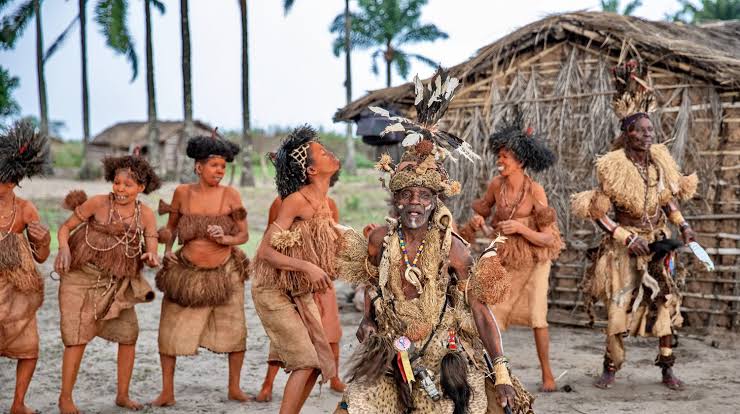
Tourism can support employment and demonstrate the economic value of protecting forests. However, benefits must be shared fairly and should not depend on staged or exploitative cultural displays.
Travellers should respect local customs, use guides when visiting communities and ask before photographing people, homes or ceremonies.
Sustainable Tourism
Sustainable tourism is particularly important in Congo-Brazzaville because the destination protects sensitive rainforest habitats and threatened wildlife. Visitor numbers should remain controlled around habituated gorillas, forest clearings and research sites.
Travellers can reduce their impact by following health rules, maintaining wildlife-viewing distances, avoiding single-use plastics and selecting conservation-focused accommodation.
Tourism should contribute to ranger work, scientific research, local employment and community development. Visitors should never purchase wildlife products or support activities that involve handling wild animals.
Anthill Safaris promotes conservation-focused travel through its responsible safari-planning approach, expert gorilla journeys and personalised regional itineraries.
Planning a Multi-Country Safari with Anthill Safaris
A successful multi-country safari begins with the hardest services to secure, including specialist rainforest camps, gorilla permits and limited domestic flights. International connections should then be arranged around those confirmed services.
Travellers should avoid using separate tickets with short connection times and should include buffer nights before important international departures. Each country requires separate verification of visas, health rules and insurance coverage.
Anthill Safaris can match Congo-Brazzaville with Uganda, Rwanda or other African destinations according to the traveller’s time, budget and interests. A journey may focus on great apes, birdwatching, photography, luxury wilderness or cultural discovery.
By combining the Republic of the Congo with another carefully selected destination, travellers can experience the ecological contrast between lowland rainforest, volcanic highlands, savannah, rivers and tropical coastlines while supporting responsible and low-impact tourism.
Frequently Asked Questions About Congo-Brazzaville Travel
Planning a journey to Congo-Brazzaville requires reliable information about visas, health requirements, safety, transportation, wildlife and rainforest conditions. The Republic of the Congo remains a specialist destination where remote national parks, limited domestic flights and small safari camps make advance preparation essential.
The following questions address the most important concerns raised by travellers considering western lowland gorilla tracking, forest-elephant encounters and cultural experiences in Congo-Brazzaville. Visitors comparing the country with other African primate destinations can explore Anthill Safaris’ gorilla safari collection and African gorilla destinations.
1. Where Is Congo-Brazzaville?
Congo-Brazzaville, officially called the Republic of the Congo, is located in Central Africa. It lies west of the Congo River and should not be confused with the much larger Democratic Republic of the Congo, whose capital is Kinshasa.
The Republic of the Congo shares borders with Gabon, Cameroon, the Central African Republic, the Democratic Republic of the Congo and Angola’s Cabinda exclave. It also has a short Atlantic coastline around Pointe-Noire.
Brazzaville is the national capital and stands directly across the Congo River from Kinshasa. The country’s landscapes include equatorial rainforest, swamp forest, rivers, savannah, central plateaus and coastal environments.
2. Is Congo-Brazzaville Safe for Tourists?
Tourism is possible in Congo-Brazzaville, but travellers should plan carefully and review current official travel advice before departure. Conditions can differ considerably between Brazzaville, Pointe-Noire and remote northern regions.
Visitors should use reliable airport transfers, avoid unnecessary movement after dark and follow local guidance regarding photography, government buildings and public demonstrations. Remote national parks should be visited through recognised operators with confirmed accommodation and transport.
Security conditions can change, so no article should provide an unconditional safety guarantee. Travellers should register their itinerary with appropriate contacts, carry emergency information and purchase comprehensive medical-evacuation insurance.
3. Do I Need a Visa for Congo-Brazzaville?
Most international visitors need a tourist visa for the Republic of the Congo and should obtain it before travel. The country’s embassy advises that visas are not normally issued at border controls, making advance application essential.
Requirements may include a passport valid for at least six months, completed application forms, photographs, proof of accommodation, a return ticket and an invitation letter or confirmed safari itinerary.
Travellers must apply for a Republic of the Congo visa rather than a Democratic Republic of the Congo visa. These are different countries with separate immigration systems.
4. What Currency Is Used in Congo-Brazzaville?
The official currency is the Central African CFA franc, identified by the international code XAF. It is also used by several other Central African countries.
Cash remains important outside Brazzaville and Pointe-Noire. Credit-card acceptance can be limited, and remote rainforest camps may not provide cash machines or reliable electronic-payment facilities.
Visitors should confirm whether their safari package is paid in euros, US dollars or CFA francs. Small amounts of local currency are useful for gratuities, market purchases and personal expenses.
5. What Languages Are Spoken in Congo-Brazzaville?
French is the official language and is widely used in government, education, hotels and formal business. Lingala and Kituba are recognised national languages and are commonly spoken in different parts of the country.
Numerous additional Indigenous languages reflect Congo-Brazzaville’s cultural diversity. English is not universally spoken outside specialist tourism businesses, making a French-speaking or multilingual guide valuable.
Learning a few basic French or Lingala greetings can improve everyday interactions and demonstrate respect for local communities.
6. Can I See Gorillas in Congo-Brazzaville?
Yes. Congo-Brazzaville protects important populations of western lowland gorillas. Odzala-Kokoua National Park is the country’s best-known destination for controlled tracking experiences involving habituated gorilla groups.
Western lowland gorillas differ from the mountain gorillas found in Uganda and Rwanda. They generally have shorter hair, inhabit warmer lowland rainforest and may spend more time feeding in trees when seasonal fruit is available.
Visitors can compare these subspecies using Anthill Safaris’ gorilla country guide and its information about lowland gorilla trekking.
7. Is There Gorilla Trekking in Congo-Brazzaville?
Yes. Specialist western lowland gorilla tracking is available in Odzala-Kokoua National Park. Small visitor groups enter the forest with experienced trackers and guides to search for habituated gorillas.
The activity may involve mud, shallow swamp crossings, tangled vegetation, insects and low visibility. Travellers should wear waterproof boots, long trousers, long-sleeved shirts and suitable rain protection.
When gorillas are located, visitors normally receive a controlled observation period of up to one hour. Health, distance and photography regulations must be followed to protect both visitors and the gorillas.
8. How Expensive Is a Congo-Brazzaville Safari?
Congo-Brazzaville is generally an expensive safari destination because its leading wildlife parks are remote and require specialist camps, domestic aviation, boats, private transfers and highly trained guides.
Recent premium Odzala packages have commonly cost more than USD 10,000 per person before international flights, depending on the duration, accommodation and included activities. Prices change, so travellers should request a current written quotation.
A low advertised figure may exclude internal flights, gorilla tracking, park fees or transfers. Visitors should compare complete inclusions rather than headline prices.
Travellers examining other primate-tour costs can review Anthill Safaris’ lowland gorilla adventure.
9. When Is the Best Time to Visit Congo-Brazzaville?
The best time depends on the selected region. June through September is generally the main dry period in southern and central Congo and is often recommended for rainforest travel. January and February may provide another comparatively dry window.
Rain can occur throughout the year in northern rainforest areas. Even during the drier months, visitors should expect humidity, mud and sudden showers.
Rainy-season travel provides greener scenery, fewer visitors and dramatic photography, but forest trails and road transfers may be more difficult.
10. Is Brazzaville Worth Visiting?
Brazzaville is worth visiting for travellers interested in the Congo River, national history, architecture, urban culture, markets and music. It also serves as the principal gateway for many Republic of the Congo safaris.
Attractions may include the Pierre Savorgnan de Brazza Memorial, the Basilica of Sainte-Anne, the Sacred Heart Cathedral, cultural centres and riverfront viewpoints.
One or two nights are normally sufficient for a focused city experience, although travellers interested in museums, food and cultural life may stay longer.
11. How Do I Get to Congo-Brazzaville?
Most international travellers arrive through Maya-Maya International Airport in Brazzaville. Pointe-Noire’s international airport serves the Atlantic coastal region and can be useful for travellers visiting southern destinations.
Flight routes may require a connection through another African or European city. Travellers should select flexible tickets and avoid short connections between separate bookings.
Reaching remote rainforest parks may require domestic flights or charter aircraft followed by road and boat transfers. Anthill Safaris’ gorilla airport guide helps travellers compare access to major African primate destinations.
12. Is Yellow Fever Vaccination Required?
Yes. Travellers should carry a valid yellow fever vaccination certificate when entering the Republic of the Congo. The certificate may be checked during immigration or health screening.
The vaccine should be obtained from an authorised vaccination centre. Travellers who cannot receive it for medical reasons should seek professional advice regarding an official exemption and whether it will be accepted.
Entry requirements can change, so visitors should reconfirm the rules with the Republic of the Congo embassy, their airline and a qualified travel-health specialist.
13. Is Malaria Prevention Necessary?
Malaria is present in Congo-Brazzaville, and preventive medication is generally recommended. Travellers should consult a medical professional to select an appropriate medicine based on their health and itinerary.
Visitors should also use insect repellent, wear long clothing during evening hours and sleep under mosquito nets or inside screened accommodation.
Any fever during or after the journey requires prompt medical attention. The healthcare provider should be informed about recent travel in Central Africa.
14. What Animals Live in Congo-Brazzaville?
The country supports western lowland gorillas, central chimpanzees, forest elephants, forest buffaloes, bongos, sitatungas, giant forest hogs, duikers and numerous monkey species.
Its rivers, wetlands and forests also support crocodiles, reptiles, amphibians, butterflies and hundreds of bird species. Wildlife visibility is lower than in open savannah because dense vegetation conceals many animals.
Odzala-Kokoua is officially recognised as an important sanctuary for western lowland gorillas, forest elephants and other Congo Basin species.
15. Can I Combine Gabon and Congo-Brazzaville?
Yes, but the journey requires careful logistical planning. Gabon and Congo-Brazzaville share a border and protect connected rainforest ecosystems, but land crossings and road conditions may not be convenient for ordinary tourism.
Flying between Brazzaville or Pointe-Noire and Libreville may be more practical than travelling overland. Separate visas, health documents and park arrangements are required.
The combination can include western lowland gorillas, forest elephants, Atlantic beaches, mangroves and rainforest national parks.
16. Is Congo-Brazzaville Good for Birdwatching?
Yes. The Republic of the Congo provides excellent birdwatching across lowland rainforest, river systems, swamps, savannah, mangroves and Atlantic coastal environments.
Potential sightings include hornbills, turacos, parrots, kingfishers, forest raptors and numerous specialised canopy and understory birds. Dense vegetation makes experienced guiding and call recognition particularly valuable.
Birdwatchers can compare Congo Basin species with Anthill Safaris’ guided birdwatching safaris and African birding guides.
17. Can I Self-Drive in Congo-Brazzaville?
Self-driving is generally not recommended for first-time international visitors. Road conditions, checkpoints, limited signage, fuel availability and communication challenges can make independent travel difficult.
Remote rainforest destinations may also require domestic aircraft, boats or authorised park vehicles rather than an ordinary rental car.
A private vehicle with an experienced local driver provides greater safety, logistical support and flexibility. Anthill Safaris explains the importance of selecting a reliable safari operator.
18. What Should I Pack for Congo-Brazzaville?
Visitors should pack waterproof hiking boots, long quick-drying trousers, long-sleeved shirts, a rain jacket, gaiters, gloves and a lightweight fleece.
Other important items include insect repellent, sunscreen, binoculars, a headlamp, personal medication, a reusable water bottle, dry bags and a power bank.
Soft-sided luggage is preferable for small domestic aircraft. Travellers should confirm baggage limits before departure.
19. How Many Days Do I Need?
Travellers focusing on Brazzaville may need two or three days, but a meaningful rainforest safari requires considerably longer. Odzala itineraries commonly last seven to eleven nights because of internal transport and the range of activities available.
A complete journey including Brazzaville and Odzala may require approximately ten to fourteen days when buffer nights and international connections are considered.
Visitors adding Gabon, Rwanda, Uganda or another country should normally allow at least two weeks and avoid rushing between remote destinations.
20. Is Congo-Brazzaville Good for Photography?
Congo-Brazzaville is excellent for experienced wildlife and landscape photographers. Subjects include western lowland gorillas, forest elephants, bais, rivers, rainforests, birds, butterflies and cultural life.
Rainforest photography is technically demanding because of low light, high humidity, rain and obstructing vegetation. Cameras capable of handling higher ISO settings are valuable.
Travellers should carry rain covers, dry bags, spare batteries, memory cards and lens cloths. Wildlife rules must always take priority over obtaining a particular photograph.
Why Choose Anthill Safaris?
Planning travel in Congo-Brazzaville requires specialist coordination because wildlife destinations are remote, domestic transport is limited and accommodation is available in small numbers. Anthill Safaris creates customised itineraries that connect permits, flights, hotels, guides and rainforest activities.
Travellers can combine Congo-Brazzaville with established gorilla trekking safaris, chimpanzee trekking experiences and regional wildlife extensions.
Central Africa Specialists
Anthill Safaris helps travellers distinguish between the Republic of the Congo and the Democratic Republic of the Congo. This prevents mistakes involving visas, airports, currencies and national parks.
Our team can compare western lowland gorillas in Congo-Brazzaville with eastern lowland gorillas and mountain gorillas elsewhere in Africa.
Expert Safari Planning
We build itineraries around the most difficult services to secure, including specialist camps, domestic flights and gorilla-tracking departures. International flights and city accommodation are then arranged around those confirmed services.
Travellers receive guidance about seasonal conditions, health requirements, luggage restrictions and realistic transfer times.
Custom Congo Itineraries
Every safari can be tailored according to the traveller’s dates, fitness, budget and interests. Some visitors prioritise gorillas, while others prefer birdwatching, forest elephants, photography or cultural experiences.
Anthill Safaris can design a Congo-focused expedition or connect it with another African destination.
Gorilla and Rainforest Experts
Our primate experience helps travellers compare gorilla subspecies, trekking conditions and conservation regulations. Visitors can explore Anthill Safaris’ Congo primate safari and lowland gorilla journey.
Our team also advises guests about appropriate clothing, health precautions and photography equipment for humid forest environments.
Professional Driver-Guides
Professional driver-guides provide transportation, destination interpretation and daily logistical support. They coordinate airport collections, hotel arrivals and scheduled activities.
Experienced local partners are particularly important where road conditions, checkpoints and communication systems are unfamiliar to international visitors.
Comfortable 4×4 Vehicles
Anthill Safaris arranges suitable vehicles according to the route, group size and road conditions. Four-wheel-drive transportation may be necessary outside major cities and during the rainy season.
Vehicles are selected for comfort, luggage capacity and reliability rather than appearance alone. Some rainforest areas still require aircraft or boat access regardless of vehicle quality.
Flight and Hotel Bookings
Our team coordinates safari accommodation with relevant regional flights and transfers. This reduces the risk of booking a hotel or international connection that does not match the park departure schedule.
Buffer nights may be included in Brazzaville before international departure because domestic flights and remote transfers can be delayed.
Cross-Border Central Africa Safaris
Anthill Safaris can combine Congo-Brazzaville with Gabon, Cameroon, the Central African Republic, the Democratic Republic of the Congo or East African destinations, subject to current operations.
Visitors interested in eastern lowland gorillas can review a Kahuzi-Biega gorilla safari, while broader primate travellers can consider a Rwanda–Congo primate tour.
Transparent Pricing
Every quotation should identify accommodation, meals, internal flights, private transfers, park fees, guides and included activities. Common exclusions such as international flights, visas, insurance and gratuities are also explained.
Transparent pricing allows travellers to understand the true cost of a remote rainforest safari and avoid quotations that exclude essential logistics.
Sustainable Tourism
Anthill Safaris supports low-impact travel that respects wildlife regulations, rainforest habitats and local communities. Visitors are encouraged to maintain viewing distances and avoid tracking great apes when experiencing contagious illness.
Responsible lodges and park programmes create employment for guides, trackers, drivers, boat crews and community suppliers. Odzala reports that most of its permanent employees are Congolese nationals, with many recruited from neighbouring communities.
Travellers can learn more through Anthill Safaris’ responsible safari approach.
24/7 Customer Support
Anthill Safaris provides assistance before and during the journey. Travellers can contact the team regarding flights, accommodation, transfers, health documents or itinerary changes.
Support is particularly valuable during multi-country journeys involving limited domestic flights and separate service providers.
Final Congo-Brazzaville Travel Advice
Begin planning several months before departure and confirm the visa, yellow fever certificate, malaria medication and evacuation insurance before paying the final balance.
Build the itinerary around domestic flights and specialist rainforest camps. Include buffer nights before international departures and prepare for limited internet access in remote regions.
Congo-Brazzaville rewards travellers who value patience, wilderness and conservation. With realistic expectations and expert planning, visitors can experience western lowland gorillas, forest elephants, Congo Basin birdlife and one of Africa’s least-visited rainforest landscapes.





