
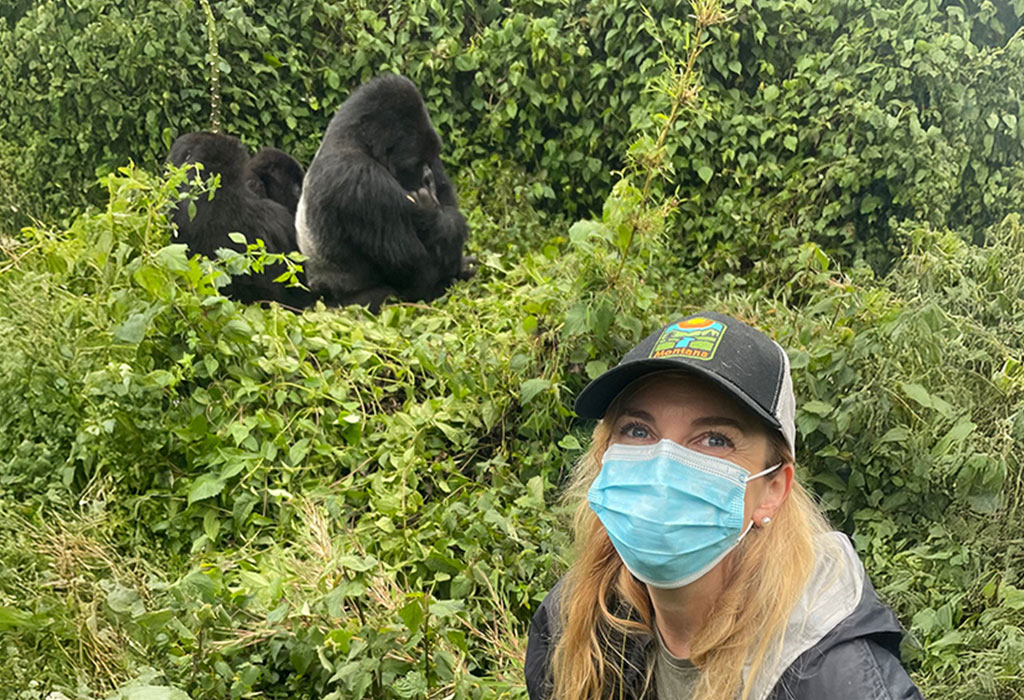
Gorilla trekking trips in Africa offer one of the world’s most extraordinary wildlife experiences, providing visitors with intimate encounters with endangered mountain gorillas in their natural habitat. These remarkable journeys take place exclusively in the misty highlands of East and Central Africa, where fewer than 1,100 mountain gorillas remain in the wild. The experience combines adventure, conservation, and cultural immersion as travelers venture through dense forests and rugged terrain to observe these gentle giants up close, contributing directly to their protection and the support of local communities.
Primary Destinations for Gorilla Trekking Trips in Africa
Mountain gorilla trekking is exclusively available in three countries: Uganda, Rwanda, and the Democratic Republic of Congo (DRC). Each destination offers unique advantages and experiences, catering to different budgets, preferences, and risk tolerances.
Uganda
stands out as the most affordable option while providing an exceptional variety. Home to approximately half of the world’s mountain gorilla population, Uganda offers trekking opportunities in two magnificent parks: Bwindi Impenetrable National Park and Mgahinga Gorilla National Park. The country’s standard gorilla permits cost $800 USD for non-residents, making it the most budget-friendly option among the three countries. What sets Uganda apart is its exclusive Gorilla Habituation Experience, priced at $1,500 USD, which allows visitors to spend four hours with a gorilla family undergoing the habituation process rather than the standard one-hour encounter.
However, Uganda’s main drawback is accessibility. The journey from Entebbe International Airport to the gorilla parks typically takes 8-10 hours by road, though domestic flights can reduce travel time. Interestingly, many visitors find it more convenient to fly into Kigali, Rwanda, and drive approximately five hours to Uganda’s parks, significantly reducing transit time.
Rwanda
represents the premium gorilla trekking experience, with permits priced at $1,500 USD for non-residents. Volcanoes National Park, immortalized by Dian Fossey’s research, offers world-class infrastructure and exceptional service standards. The country’s compact size works in travelers’ favor, with the park located just 2-3 hours from Kigali International Airport. Rwanda has invested heavily in luxury tourism, resulting in numerous high-end lodges and seamless logistics. The higher permit fees directly support conservation efforts and community development programs, making this option attractive for travelers seeking both luxury and meaningful impact.
The Democratic Republic of Congo
offers the most affordable permits at $400 USD, making gorilla trekking accessible to budget-conscious travelers. Virunga National Park, Africa’s oldest national park, provides a raw and authentic experience. However, the region faces significant security challenges due to ongoing civil unrest, and Western governments frequently issue travel advisories against visiting the area. Travelers considering DRC must carefully weigh the cost savings against potential safety risks.
What’s Included in Your Gorilla Trekking Trips in Africa
A comprehensive gorilla trekking package encompasses several essential components beyond the permit itself. The permit represents the largest expense and covers park entry, professional guide services, and armed ranger protection. Tour packages typically include accommodation ranging from budget campsites to luxury eco-lodges, each offering different levels of comfort and amenities near the parks.
Transportation forms another crucial component, with most organized tours providing private 4×4 safari vehicles and experienced drivers familiar with the challenging terrain. These vehicles are essential for navigating the often rough and muddy roads leading to trailheads.
Meals are usually included, particularly at mid-range and luxury accommodations, featuring local and international cuisine. Many lodges pride themselves on farm-to-table dining experiences that showcase regional flavors while supporting local agriculture.
The Gorilla Trekking Experience
The actual trekking experience varies dramatically depending on gorilla family locations and weather conditions. Treks can range from surprisingly short 30-minute walks to challenging four-hour hikes through dense forest, steep terrain, and potentially muddy conditions. The unpredictable nature of these encounters adds to the adventure’s excitement and authenticity.
Once trackers locate a gorilla family, visitors are permitted exactly one hour of observation time. This carefully regulated timeframe minimizes stress on the gorillas while providing ample opportunity for photography and observation. The experience often proves deeply moving, as visitors witness complex family dynamics, playful juveniles, and the impressive presence of silverback males.
Physical preparation is important, as the terrain can be demanding with steep, slippery, and muddy sections. However, guides are typically accommodating to different fitness levels and can adjust pace accordingly. Armed rangers accompany all groups, providing safety briefings that cover critical rules such as maintaining a seven-meter distance from gorillas and avoiding flash photography.
Essential Planning and Booking Tips
Successful gorilla trekking requires planning, as permits are strictly limited and often sell out 6-12 months ahead, particularly during peak seasons from June to September and December to February. Working with reputable, registered tour operators ensures proper permit procurement and professional logistics management.
Seasonal considerations significantly impact the experience. While trekking occurs year-round, dry seasons offer more comfortable hiking conditions. The low season months of April, May, and November provide opportunities for reduced accommodation rates, though weather conditions may be more challenging.
For Uganda-bound trekkers, flying into Kigali, Rwanda, often proves more efficient than routing through Entebbe, significantly reducing overland travel time to Bwindi National Park.
Gorilla trekking represents more than just wildlife viewing; it’s a transformative conservation experience that directly supports the survival of one of our closest genetic relatives while providing sustainable livelihoods for local communities. Whether choosing Uganda’s value and variety, Rwanda’s luxury and convenience, or DRC’s budget adventure, each destination offers unique pathways to this extraordinary encounter with mountain gorillas.





