

Gorilla Trekking Day Experience represents one of wildlife tourism’s most profound and transformative adventures, offering intimate encounters with our closest living relatives in their pristine mountain forest habitats. This extraordinary journey through the dense rainforests of Uganda, Rwanda, or the Democratic Republic of Congo combines physical challenge with emotional reward, creating memories that last a lifetime. Each trek is unique, unpredictable, and deeply personal, as you navigate challenging terrain to spend one precious hour observing endangered mountain gorillas in their natural environment. The experience transcends typical wildlife viewing, fostering deep connections with these magnificent creatures while contributing directly to their conservation and protection for future generations.
The Ultimate Wildlife Adventure: Gorilla Trekking Day Experience
Gorilla trekking stands as the pinnacle of African wildlife experiences, offering unparalleled opportunities to observe endangered mountain gorillas in their natural habitat. With fewer than 1,100 mountain gorillas remaining worldwide, these encounters represent rare privileges that few travelers will ever experience. The adventure combines elements of challenging hiking, conservation education, cultural immersion, and profound wildlife connections into a single transformative day.
The experience occurs exclusively in three countries: Uganda’s Bwindi Impenetrable National Park and Mgahinga Gorilla National Park, Rwanda’s Volcanoes National Park, and the Democratic Republic of Congo’s Virunga National Park. Each destination offers unique characteristics, from Uganda’s ancient rainforests to Rwanda’s volcanic landscapes, creating diverse backdrops for gorilla encounters.
Dawn to Dusk: Your Gorilla Trekking Timeline
Pre-Dawn Preparation and Early Morning Rituals
Your gorilla trekking adventure begins before sunrise with an early breakfast at your lodge, typically around 6:00 AM. This substantial meal provides essential energy for the day’s physical challenges, as trek durations remain unpredictable. Many lodges offer hearty international and local cuisine options, understanding the importance of proper nutrition for demanding forest expeditions.
The pre-trek atmosphere buzzes with anticipation as fellow trekkers prepare equipment, review photography settings, and mentally prepare for the day ahead. Lodge staff provide final weather updates and last-minute equipment recommendations, ensuring optimal preparation for forest conditions.
Park Headquarters Briefing and Group Formation
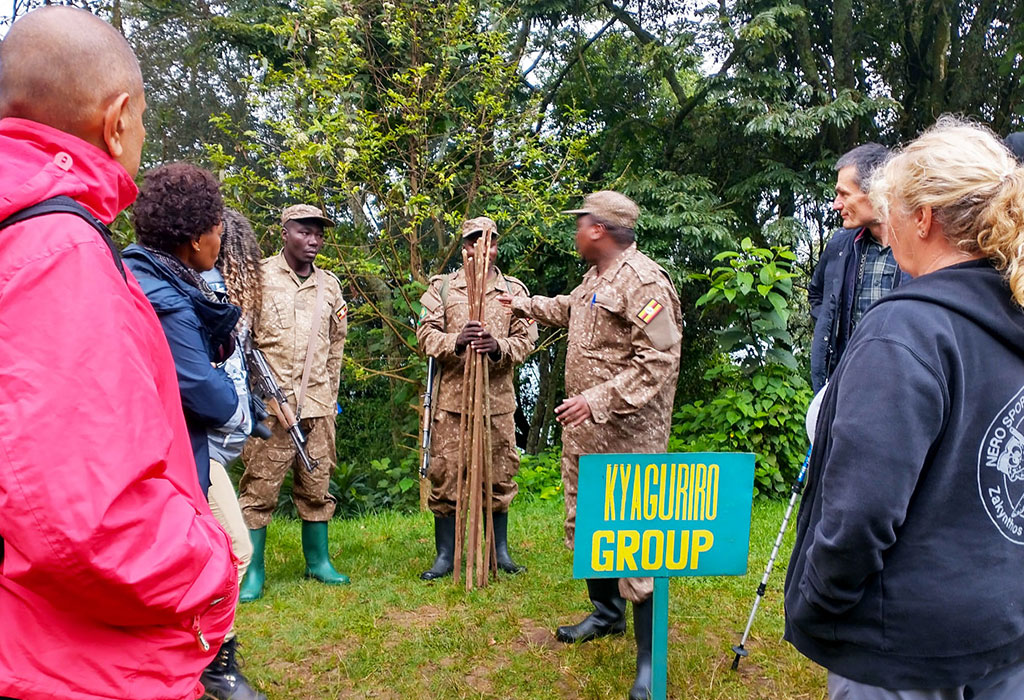
Gorilla Trekking Day Experience: Between 7:00 and 8:00 AM, visitors gather at park headquarters for mandatory pre-trek briefings conducted by experienced park rangers. These comprehensive sessions cover crucial safety protocols, gorilla behavior guidelines, conservation information, and specific expectations for the day’s expedition. Rangers emphasize the importance of following strict rules designed to protect both visitors and gorillas.
During briefing sessions, trekkers learn about gorilla family structures, individual personalities within assigned groups, and recent behavioral observations that might influence encounter dynamics. This educational component enhances appreciation for the complex social structures visitors will observe during their precious hour with the gorillas.
The group formation process assigns up to eight trekkers to specific gorilla families based on fitness levels, interests, and hiking preferences. More challenging treks targeting distant families suit adventurous hikers, while shorter options accommodate those with mobility concerns or time constraints.
The Forest Journey: Adventure into Mountain Wilderness

Trek commencement between 8:00 and 9:00 AM marks the beginning of your forest adventure. Experienced ranger guides lead small groups from designated starting points, often requiring short drives to reach optimal trail access points. Each team includes armed rangers for security, expert trackers familiar with gorilla movement patterns, and local guides with intimate forest knowledge.
The hiking experience varies dramatically based on gorilla locations, weather conditions, and seasonal factors. Treks can range from relatively easy 30-minute walks to exhausting six-hour expeditions through challenging terrain. The unpredictability adds excitement while requiring mental preparation for various scenarios.
Forest navigation involves traversing steep mountain slopes, muddy trails, dense vegetation, and occasionally unmarked terrain where guides create paths using machetes. The physical demands require reasonable fitness levels, appropriate equipment, and mental determination to overcome obstacles. However, the stunning forest environments, diverse wildlife sightings, and mounting anticipation create magical experiences that transcend physical challenges.
Trackers utilize sophisticated skills to follow gorilla signs, including nests, feeding remains, knuckle prints, and scent trails. Radio communication between tracking teams provides real-time location updates, allowing guides to adjust routes and optimize encounter timing.
The Sacred Hour: Gorilla Encounter

Upon locating your assigned gorilla family, the transformative encounter begins. Visitors receive final behavioral reminders before approaching to observe these magnificent creatures in their natural environment. The mandatory seven-meter minimum distance protects both species while allowing detailed observation of complex social interactions.
During your precious hour, you’ll witness extraordinary behaviors including feeding rituals, grooming ceremonies, playful interactions among juveniles, and impressive displays by dominant silverbacks. Mother-infant relationships provide particularly touching moments as protective mothers nurture their offspring while maintaining vigilance against potential threats.
Photography opportunities abound during encounters, though strict flash photography prohibitions ensure gorilla comfort and natural behavior maintenance. The intimate group sizes create excellent viewing angles and personal connections with individual gorillas, many of whom display distinct personalities and behavioral quirks.
The emotional impact of gorilla encounters proves profound and lasting. Many visitors describe feelings of deep connection, spiritual awakening, and enhanced environmental consciousness that influence their perspectives on conservation and wildlife protection long after returning home.
Return Journey and Celebration

Following your hour with the gorillas, the return journey to park headquarters provides opportunities for reflection, photograph review, and processing the day’s incredible experiences. The return hike often feels easier despite accumulated fatigue, as adrenaline and excitement sustain energy levels.
Upon reaching park headquarters, participants receive official gorilla trekking certificates commemorating their achievement and contribution to gorilla conservation. These certificates serve as meaningful mementos of extraordinary experiences while symbolizing personal involvement in endangered species protection.
Preparation Essentials for Success
Clothing and Weather Considerations
Mountain forest weather remains highly unpredictable, with rapid temperature changes, sudden rainfall, and varying humidity levels throughout single days. Layered clothing systems provide optimal adaptation to changing conditions, allowing removal or addition of garments as needed.
Long-sleeved shirts and full-length trousers offer essential protection from thorns, stinging nettles, and insect encounters while maintaining comfort during extended forest navigation. Quick-dry fabrics prove particularly valuable in humid conditions where cotton materials become uncomfortable and slow to dry.
Waterproof rain jackets or ponchos provide crucial protection during sudden downpours common in mountain rainforests. Lightweight options prevent overheating while ensuring adequate weather protection when conditions deteriorate.
Footwear and Safety Equipment
Waterproof hiking boots with aggressive tread patterns and ankle support prove essential for navigating muddy, steep, and uneven terrain safely. Proper footwear prevents injuries while providing confidence for challenging trail sections that require careful foot placement.
Gardening gloves protect hands from sharp thorns, abrasive branches, and stinging plants encountered during forest navigation. Many trekkers underestimate the importance of hand protection until encountering the dense vegetation typical of gorilla habitats.
Technology and Documentation
Camera equipment requires careful consideration, balancing documentation desires with practical carrying limitations. Extra batteries prove essential as cold temperatures and humidity drain power quickly, potentially missing crucial photographic opportunities during gorilla encounters.
Digital cameras offer advantages over smartphones for wildlife photography, providing better zoom capabilities, faster focusing, and superior image quality for commemorating this once-in-a-lifetime experience.
Conservation Impact and Community Benefits
Gorilla Trekking Day Experience: Every gorilla trekking permit directly funds critical conservation initiatives protecting endangered mountain gorilla populations. These revenues support anti-poaching operations, habitat restoration projects, veterinary care programs, and research initiatives that ensure species survival.
Local community employment opportunities include porters, guides, trackers, and support staff positions that provide sustainable alternatives to activities potentially harmful to gorilla habitats. Hiring local porters not only assists with equipment carrying but also supports community development initiatives that create economic incentives for gorilla conservation.
The conservation model demonstrates successful integration of tourism, community development, and endangered species protection, proving that well-managed wildlife tourism can achieve positive outcomes for all stakeholders involved.





