
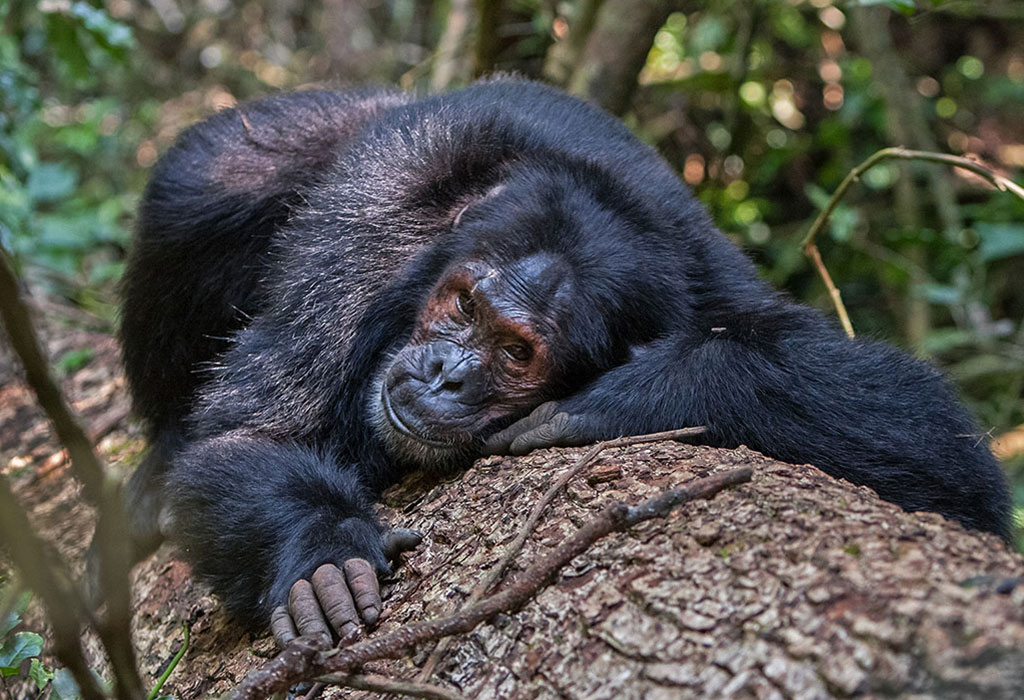
Where to see chimps in Rwanda? Rwanda offers exceptional opportunities for chimpanzee trekking across two remarkable national parks that showcase the country’s incredible biodiversity. Nyungwe Forest National Park stands as the premier destination, hosting over 500 chimpanzees in one of Africa’s most pristine montane forests. Additionally, Gishwati-Mukura National Park provides another excellent location for encountering these fascinating primates. Both parks offer guided trekking experiences that allow visitors to observe habituated chimpanzee communities in their natural habitat, making Rwanda a world-class destination for primate enthusiasts and wildlife photographers seeking unforgettable encounters with our closest living relatives.
Nyungwe Forest National Park: Rwanda’s Premier Chimpanzee Destination
Nyungwe Forest National Park represents the crown jewel of Rwanda’s chimpanzee trekking experiences, establishing itself as the country’s leading destination for primate encounters. This ancient montane forest, one of Africa’s oldest and most biodiverse ecosystems, provides sanctuary to over 500 chimpanzees distributed throughout its vast canopy. The park’s reputation as a premier chimpanzee destination stems not only from its substantial population but also from its well-established infrastructure and conservation programs that ensure sustainable wildlife viewing experiences.
The forest’s complex ecosystem spans approximately 1,019 square kilometers of pristine wilderness, featuring dense canopy layers that create the perfect habitat for chimpanzees to thrive. These primates have adapted remarkably well to the forest’s mountainous terrain, developing unique behavioral patterns and social structures that distinguish them from chimpanzee populations in other regions. The park’s elevation, ranging from 1,600 to 2,950 meters above sea level, creates diverse microhabitats that support not only chimpanzees but also twelve other primate species, making it one of the most primate-rich areas in East Africa.
Habituated Chimpanzee Groups and Tracking Experiences
Where to See Chimps in Rwanda. Nyungwe Forest’s most significant advantage for visitors lies in its habituated chimpanzee groups, which have been carefully acclimated to human presence through years of patient conservation work. These habituated communities allow for intimate wildlife encounters while maintaining the animals’ natural behaviors and social dynamics. Chimpanzee tracking expeditions begin at the Gisaku reception center, where experienced guides provide comprehensive briefings about safety protocols, forest ecology, and chimpanzee behavior patterns.
The tracking experience is an adventure through one of Africa’s most beautiful forests. Visitors walk on old trails beneath tall mahogany and ebony trees. The forest floor is covered with fallen leaves. These leaves create natural paths to follow. Meanwhile, the canopy above is full of sounds. You can hear the calls and movements of different primate species.
The trackers are very experienced. They know a lot about how chimpanzees behave. In addition, they know where the chimps like to feed. They also know the areas each group claims as its own. Therefore, they can find the groups that are used to humans. The trackers look for fresh signs along the way. For example, they search for knuckle prints on the ground. Furthermore, they look for leftover food from feeding. They also listen for the chimps’ special calls.
Cyamudongo Forest: An Extended Chimpanzee Experience
Where to See Chimps in Rwanda. Beyond the main Nyungwe Forest, the Cyamudongo Forest offers an additional dimension to Rwanda’s chimpanzee trekking opportunities.
This forest sits near the edge of Nyungwe National Park. It is separate from the main park. The forest is home to chimpanzees that are partly used to humans. These chimps offer a different kind of wildlife experience. However, it is just as rewarding.
The Cyamudongo chimpanzees behave a bit differently from other groups. This is because they live in a different habitat. In addition, their social groups work in unique ways. As a result, researchers and visitors can learn special things here. They can see how chimpanzees adapt to different places. Furthermore, they can observe how chimps vary from region to region.
This forest area shows that Rwanda’s work to protect primates is successful. It proves an important point. Even small, separate forest patches can be good homes for endangered species. However, this only works when the forests are well managed and protected.
The chimpanzees in Cyamudongo are only partly used to humans. Therefore, seeing them can be less certain than in the main park. On the other hand, these visits often feel more real. You get to see how chimpanzees truly behave in the wild.
Additional Activities and Forest Experiences
Nyungwe Forest National Park extends beyond chimpanzee trekking to offer a comprehensive forest experience that includes the famous canopy walkway and spectacular waterfall hikes. The canopy walk, suspended 60 meters above the forest floor, provides panoramic views of the forest ecosystem and opportunities to observe primates and birds from a unique perspective. This aerial adventure complements ground-based chimpanzee trekking by offering visitors a complete three-dimensional understanding of the forest ecosystem.
The park’s waterfall trails lead to magnificent cascades that demonstrate the forest’s role in Rwanda’s watershed system. These hiking opportunities allow visitors to explore different forest zones, each supporting distinct plant and animal communities that contribute to the overall biodiversity that makes chimpanzee conservation possible.
Gishwati-Mukura National Park: An Alternative Primate Paradise
Gishwati-Mukura National Park, situated in northeastern Rwanda, presents an excellent alternative destination for chimpanzee trekking experiences. This park represents one of Rwanda’s newest protected areas, established through ambitious reforestation and conservation initiatives that have successfully restored degraded landscapes into thriving primate habitats. The park hosts a significant chimpanzee population that has benefited from intensive conservation efforts and habitat restoration programs.
The park holds a special place in Rwanda’s conservation work. It shows that the country is serious about protecting more land. In addition, Rwanda is building wildlife paths that link separate forest areas together.
The chimpanzees in Gishwati-Mukura have adjusted to the restored forest. They have formed new social groups. Furthermore, they have set up their own territories. These changes show how primate groups behave in forests that are recovering. As a result, we can see that these populations are always changing and growing.
For visitors who cannot visit Nyungwe Forest due to timing issues or limited space, Gishwati-Mukura offers an equally excellent chimpanzee trekking experience. Furthermore, the park’s smaller size creates a more personal setting. As a result, visitors often enjoy closer wildlife encounters.
Additionally, the park has a special conservation story. In fact, it has been successfully restored from severe damage. Therefore, trekking here provides not only great wildlife viewing but also an inspiring example of nature recovery. Moreover, the intimate atmosphere makes each visit feel unique and special.
Essential Information for Chimpanzee Trekking
Where to See Chimps in Rwanda. All chimpanzee trekking activities in Rwanda operate under strict guidelines designed to protect both wildlife and visitors. Guided treks remain mandatory, with experienced local guides providing essential expertise in animal tracking, forest navigation, and safety protocols. The guides know the chimpanzees very well. They understand each animal’s unique personality. Additionally, they track how the groups interact with each other. Furthermore, they recognize how the chimps behave during different seasons. As a result, these guides make the trekking experience much better for visitors.
You need a permit to trek with chimpanzees. You should book your permit well ahead of time. This is because only a limited number of people can go each day. This limit helps protect the chimpanzee groups from too much human contact.
Treks usually start early in the morning. This timing matches when the chimpanzees are most active. However, you can only watch them for one hour. This time limit reduces stress on the animals. At the same time, it helps make tourism sustainable. As a result, these practices support ongoing conservation work.





