
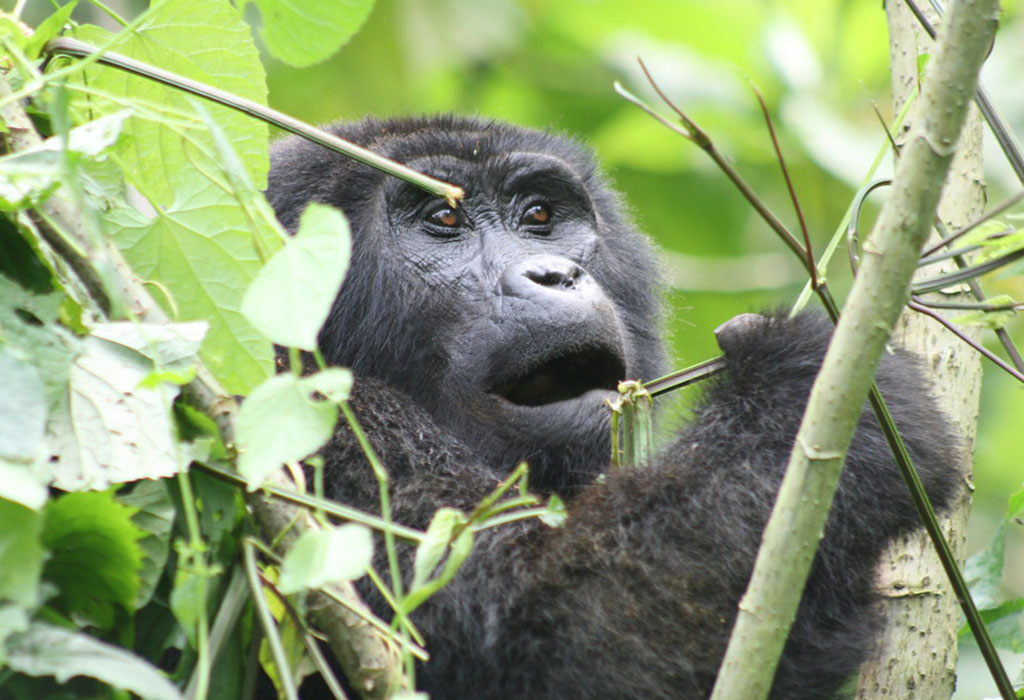
Gorilla trekking tips for beginners encompass comprehensive preparation strategies, essential gear selection, and behavioral guidelines that ensure successful and respectful encounters with endangered mountain gorillas. First-time trekkers must understand that gorilla tourism requires careful planning, physical readiness, and strict adherence to conservation protocols designed to protect both visitors and wildlife. Success depends on advance permit booking, appropriate equipment preparation, physical conditioning, and a thorough understanding of the interaction rules that govern human-gorilla encounters. These foundational elements combine to create transformative wildlife experiences while supporting critical conservation efforts that sustain mountain gorilla populations for future generations.
Critical Pre-Trek Planning and Permit Security
Successful gorilla trekking begins months before the experience with securing the essential permits that grant access to mountain gorilla families. These permits represent limited daily allocations designed to minimize human impact on gorilla behavior and habitat integrity, creating high demand that often exceeds availability during peak tourism seasons.
Beginners should understand that gorilla permits cannot be purchased spontaneously or at park entrances. The booking process requires planning, often six to twelve months ahead of intended travel dates, particularly for popular locations and seasons. The Uganda Wildlife Authority and other regional authorities maintain strict permit allocation systems that operate on first-come, first-served principles.
Early permit booking provides additional benefits beyond simple availability assurance. Advanced planning allows travelers to coordinate accommodation arrangements, transportation logistics, and other tour elements around confirmed gorilla trekking dates. This systematic approach prevents disappointment and ensures optimal trip timing that maximizes the overall experience quality.
Physical Preparation and Fitness Considerations
Mountain gorilla trekking demands a moderate level of physical fitness to navigate challenging forest terrain for extended periods. While not requiring extreme athleticism, successful treks involve hiking through dense vegetation, steep slopes, muddy trails, and high-altitude environments that can challenge unprepared visitors.
Beginners should engage in regular walking or hiking activities several weeks before their planned trek, gradually building the endurance and leg strength necessary for forest navigation. Cardiovascular fitness proves particularly important, as trekking often involves sustained physical activity at elevations that may affect breathing and energy levels.
Physical preparation should include practice hiking with a daypack, wearing planned trekking boots, and walking on uneven surfaces that simulate forest conditions. This preparation helps identify potential equipment issues and builds confidence for the actual trekking experience.
Essential Gear and Equipment Selection
Proper equipment selection significantly influences trekking comfort, safety, and overall experience quality. Beginners must carefully consider each gear item’s functionality, weather-protection capabilities, and suitability for dense forest environments, where conditions can change rapidly.
Sturdy, waterproof hiking boots represent the most critical equipment investment, providing necessary ankle support, traction, and protection from wet conditions that characterize rainforest environments. Boots should be well-broken in before the trek to prevent blisters and discomfort during extended walking periods.
Clothing selection should prioritize long-sleeved shirts and full-length trousers that protect against thorny vegetation, biting insects, and potential skin irritation from forest plants. Neutral colors work best, avoiding bright hues that might disturb gorillas or other wildlife. Layering systems allows adaptation to changing temperatures and humidity levels throughout the day.
Rain gear becomes essential equipment given the unpredictable nature of rainforest weather patterns. Lightweight, breathable rain jackets and pants protect without creating excessive heat buildup during physical activity. Quick-dry materials offer additional advantages in humid forest environments.
Porter Services and Support Benefits
Hiring local porters provides significant advantages for beginning trekkers while supporting community economies that depend on gorilla tourism revenue. Porters assist with daypack carrying, provide additional safety support, and offer valuable local knowledge about forest conditions and wildlife behavior.
Porter services prove particularly beneficial for visitors concerned about physical demands or those carrying photography equipment that adds weight and complexity to forest navigation. These experienced local guides understand forest terrain and can assist with challenging sections of the trek.
Supporting porter employment creates direct economic benefits for local communities while enhancing the trekking experience through their expertise and assistance. Many porters possess extensive knowledge of gorilla behavior, forest ecology, and cultural traditions that enrich the overall experience.
Critical Behavioral Guidelines and Safety Protocols
Understanding and following strict behavioral guidelines ensures visitor safety while protecting gorilla welfare and natural behaviors. These rules represent scientific recommendations developed through decades of research into human-gorilla interactions and their impacts on wild populations.
The seven-meter minimum distance requirement provides essential protection for both humans and gorillas, reducing disease transmission risks while preventing behavioral disruption in gorilla families. Beginners must understand that this distance represents a minimum requirement, not a target to achieve, and greater distances often prove preferable.
Voice control becomes critical during gorilla encounters, as loud sounds can startle animals or trigger defensive behaviors. Speaking in whispers or remaining silent allows natural gorilla activities to continue while providing optimal observation opportunities for visitors.
During-Trek Protocols and Guide Leadership
Gorilla Trekking Tips for Beginners: Professional guide leadership represents the cornerstone of safe and successful gorilla trekking experiences. These experienced individuals possess intimate knowledge of gorilla family behaviors, forest navigation techniques, and emergency response procedures that ensure visitor safety throughout the encounter.
Beginners should maintain close communication with guides, following their instructions precisely and avoiding independent actions that might compromise safety or disturb wildlife. Guides make real-time decisions about approach routes, viewing positions, and encounter duration based on gorilla behavior and environmental conditions.
Weather adaptability becomes essential during forest treks, as conditions can change rapidly from sunny to rainy, requiring quick adjustments to clothing and equipment. Guides provide valuable insights into local weather patterns and appropriate responses to changing conditions.
Photography Ethics and Technical Considerations
Gorilla photography requires special considerations that balance documentation desires with animal welfare priorities. Flash photography prohibition protects gorilla vision and prevents startling behaviors that could disrupt family dynamics or create safety concerns.
Successful gorilla photography demands patience, appropriate camera settings for low-light forest conditions, and telephoto lenses that enable quality images while maintaining required distances. Beginners should practice camera operation before the trek to ensure smooth operation during the limited encounter time.
Post-Trek Reflection and Conservation Support
Gorilla Trekking Tips for Beginners The gorilla trekking experience extends beyond the actual encounter to include reflection on conservation challenges and opportunities for continued support. Understanding the complex relationships between tourism revenue, community development, and wildlife protection helps visitors appreciate their role in conservation success.
Supporting local conservation initiatives through additional donations, community visits, or advocacy efforts creates lasting positive impacts that extend well beyond individual trekking experiences, contributing to long-term mountain gorilla survival and habitat protection.





