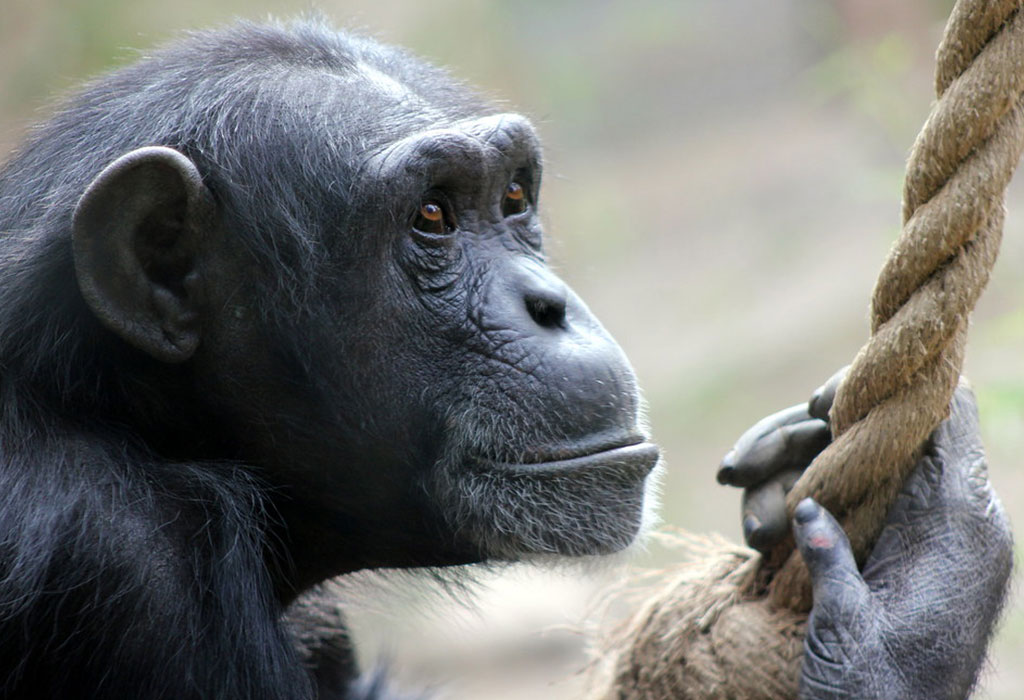
Uganda Chimpanzee Trekking for Beginners: Uganda chimpanzee trekking represents one of Africa’s most accessible and rewarding wildlife experiences, making it an ideal adventure for first-time primate enthusiasts. This extraordinary journey offers beginners the unique opportunity to observe our closest living relatives in their pristine natural habitat, witnessing behaviors and social interactions that provide profound insights into human evolution. Unlike more strenuous wildlife experiences, chimpanzee trekking accommodates various fitness levels while delivering unforgettable encounters with these intelligent and charismatic primates in Uganda’s lush tropical forests.
Essential Pre-Trek Requirements
Permit Acquisition and Planning
The foundation of any successful chimpanzee trekking experience begins with securing proper permits well in advance of your intended travel dates. These permits serve as your official authorization to enter designated forest areas and participate in guided chimpanzee tracking activities. During peak tourist seasons, particularly from December to February and June to September, permits can become extremely scarce, often booking out months in advance.
The Uganda Wildlife Authority (UWA) controls all permit distribution, setting daily quotas to minimize human impact on chimpanzee communities while ensuring sustainable tourism practices. Beginners should understand that these quotas are strictly enforced, and showing up without a confirmed permit will result in denied entry, regardless of travel distance or circumstances.
Early booking becomes particularly crucial for travelers with fixed itineraries or limited flexibility. Tour operators can assist with permit procurement, often maintaining relationships with UWA that facilitate smoother booking processes. However, independent travelers can also secure permits directly through UWA offices in Kampala or online platforms.
Age Restrictions and Safety Protocols
Chimpanzee trekking maintains strict age restrictions designed to protect both participants and the animals. Children under 12 years old are categorically prohibited from participating in any chimpanzee trekking activities. This policy stems from safety concerns, as young children may struggle to follow complex instructions during encounters or might inadvertently provoke defensive responses from chimpanzees.
The age restriction also considers the unpredictable nature of wild chimpanzees, who may interpret sudden movements or loud noises as threats. Teenagers and adults can better understand and follow the critical safety protocols that ensure peaceful coexistence during forest encounters.
Critical Safety Guidelines and Etiquette
Maintaining Safe Distances
The most fundamental rule of chimpanzee trekking involves maintaining a minimum distance of 8 meters (approximately 25 feet) from all chimpanzees at all times. This distance serves multiple purposes: it prevents disease transmission between humans and chimpanzees, reduces stress on the animals, and minimizes the risk of aggressive encounters.
Chimpanzees are incredibly strong animals, possessing physical capabilities far exceeding those of humans. Even playful interactions can result in serious injuries, making distance maintenance absolutely critical. Experienced guides continuously monitor group positioning and will immediately intervene if anyone approaches too closely.
Photography and Behavioral Guidelines
Photography during chimpanzee encounters requires special consideration and adherence to strict protocols. Flash photography is completely prohibited, as sudden bright lights can startle or agitate chimpanzees, potentially triggering aggressive responses. The forest’s natural lighting conditions provide excellent opportunities for photography using modern cameras with good low-light performance.
Eating or drinking near chimpanzees is strictly forbidden, as food aromas can attract unwanted attention and potentially create dangerous situations. Chimpanzees may interpret food consumption as sharing opportunities, leading to approaches that violate safe distance requirements.
Health Precautions and Disease Prevention
Chimpanzees share approximately 98.8% of their DNA with humans, making them extremely susceptible to human diseases. Common illnesses like colds, flu, or respiratory infections can prove fatal to chimpanzee populations that lack immunity to human pathogens.
Anyone experiencing symptoms of illness, particularly respiratory conditions, should postpone their trekking plans until fully recovered. This responsible approach protects entire chimpanzee communities from potentially devastating disease outbreaks. Park authorities may conduct basic health screenings before allowing participation in trekking activities.
Essential Gear and Equipment
Appropriate Clothing Selection
Forest environments present unique challenges that require thoughtful clothing choices. Long-sleeved shirts and full-length trousers provide essential protection against thorny vegetation, insect bites, and potential scrapes during forest navigation. Lightweight, breathable fabrics work best in tropical conditions, allowing for comfort during extended periods of walking and observation.
Sturdy hiking boots with good ankle support prove indispensable for navigating uneven forest terrain, muddy trails, and potential stream crossings. The boots should be well-broken-in before the trek to prevent blisters or discomfort during extended walking periods.
Equipment Essentials
Quality binoculars enhance the chimpanzee viewing experience significantly, allowing detailed observation while maintaining safe distances. Compact, lightweight models with good magnification and wide fields of view work best for forest environments.
Camera equipment should include extra batteries and memory cards, as forest conditions can drain power quickly and extended observation periods generate numerous photographic opportunities. Waterproof camera bags protect equipment from sudden rain showers common in tropical forests.
Energy snacks and adequate water supplies help maintain stamina during potentially lengthy treks, though consumption must occur away from chimpanzee areas to avoid attracting unwanted attention.
The Trekking Experience
Pre-Trek Briefing Process
Every chimpanzee trekking experience begins with a comprehensive briefing at the designated park headquarters. These sessions provide crucial information about safety protocols, behavioral expectations, and specific rules governing human-chimpanzee interactions. Experienced park rangers conduct these briefings, drawing from years of field experience to prepare participants for various scenarios.
The briefing covers emergency procedures, communication signals, and group management strategies that ensure safe and enjoyable experiences for all participants. Questions are encouraged, and rangers provide detailed answers based on current chimpanzee community behaviors and recent sighting patterns.
Guided Forest Exploration
Professional guides lead all trekking activities, utilizing their extensive knowledge of chimpanzee behavior, forest navigation, and wildlife identification. These guides possess intimate familiarity with individual chimpanzee personalities, territorial boundaries, and daily movement patterns that significantly increase sighting probabilities.
Forest navigation follows established trail systems while remaining flexible enough to adapt to real-time chimpanzee locations. Guides use various techniques to locate chimpanzee groups, including listening for characteristic calls, identifying fresh feeding signs, and communicating with other research teams or guides in the field.
Chimpanzee Encounters and Observations
Uganda Chimpanzee Trekking for Beginners. Successful chimpanzee location typically allows for one hour of observation time, during which participants can witness natural behaviors including feeding, grooming, playing, and social interactions. These encounters provide unprecedented insights into chimpanzee intelligence, emotional expressions, and complex social structures.
The observation period offers opportunities to identify individual chimpanzees, understand family relationships, and observe problem-solving behaviors that highlight the species’ remarkable cognitive abilities. Photography opportunities abound, though always within established distance and flash restrictions.
Premier Trekking Destinations
Kibale National Park: The Chimpanzee Capital
Kibale National Park stands as Uganda’s premier chimpanzee trekking destination, hosting over 1,450 chimpanzees across multiple habituated communities. The park’s well-developed infrastructure, experienced guide teams, and high success rates make it ideal for beginners seeking reliable chimpanzee encounters.
Kyambura Gorge: Dramatic Landscapes
Located within Queen Elizabeth National Park, Kyambura Gorge offers unique trekking experiences within stunning geological formations. The gorge’s dramatic landscape provides exceptional photographic opportunities while hosting fascinating chimpanzee communities adapted to this specialized environment.
Budongo Forest: Intimate Encounters
Budongo Forest, adjacent to Murchison Falls National Park, offers more intimate chimpanzee trekking experiences with smaller group sizes and less crowded conditions. The forest’s diverse ecosystem supports various wildlife species beyond chimpanzees.
Kalinzu Forest: Alternative Experiences
Kalinzu Forest provides additional trekking opportunities with different environmental conditions and chimpanzee communities, offering alternatives when other locations reach capacity.
Comparative Experiences
Chimpanzee vs. Gorilla Trekking
Uganda Chimpanzee Trekking for Beginners. While both experiences offer remarkable wildlife encounters, chimpanzee trekking presents unique challenges and rewards. Chimpanzees exhibit more dynamic and unpredictable behaviors compared to the relatively sedentary nature of mountain gorillas. Their arboreal lifestyle and rapid movements create exciting but sometimes brief viewing opportunities.
Chimpanzee trekking typically involves more extensive walking and longer search periods, as these primates cover larger territories and change locations frequently throughout the day. However, successful encounters often provide more active and engaging behavioral observations.
Uganda’s chimpanzee trekking opportunities offer beginners an accessible introduction to primate tourism while providing profound wildlife experiences that foster conservation awareness and appreciation for these remarkable creatures.