
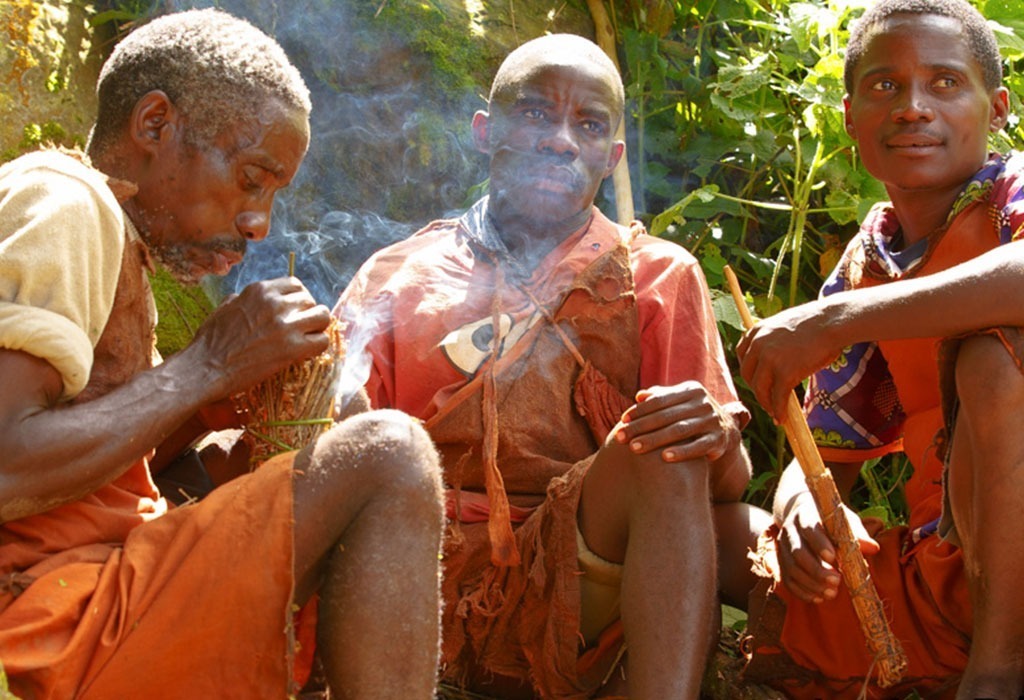
Filming Batwa Pygmies: Documenting the rich cultural heritage of the Batwa Pygmies in Uganda represents a unique opportunity for filmmakers to capture one of Africa’s most ancient and endangered indigenous cultures. As of 2026, producing such content requires careful navigation of legal frameworks, respectful engagement with communities, and thorough preparation for challenging terrain. This comprehensive guide outlines everything filmmakers need to know about permits, locations, costs, and ethical considerations when planning a documentary or film project with the Batwa people.
Understanding the Batwa Pygmies
The Batwa are indigenous forest-dwelling people who historically inhabited the montane forests of southwestern Uganda, Rwanda, Burundi, and the Democratic Republic of Congo. For thousands of years, they lived as hunter-gatherers in these forests, developing profound knowledge of the ecosystem and sustainable practices that allowed them to thrive in harmony with nature. However, when these forests were designated as national parks and wildlife reserves in the 1990s, the Batwa were evicted from their ancestral lands without compensation or alternative livelihoods, leaving them among Uganda’s most marginalized communities. Today, various cultural heritage programs allow the Batwa to share their traditions while providing them with much-needed income.
Prime Locations for Filming Batwa Pygmies
Mgahinga Gorilla National Park
Mgahinga Gorilla National Park stands as perhaps the premier location for filmmakers seeking to document authentic Batwa forest traditions. The park’s signature offering, the Batwa Cultural Trail, provides an immersive experience led by Batwa elders who demonstrate the survival skills that sustained their ancestors for millennia. This three-to-four-hour journey through the forest offers filmmakers exceptional opportunities to capture traditional hunting techniques, including the construction and use of bows and arrows. Elders demonstrate honey gathering methods that involve climbing towering forest trees, the identification and preparation of medicinal plants used to treat various ailments, and the gathering of wild foods that once formed the staple of the Batwa diet.
The trail culminates at the sacred Garama Cave, a former Batwa dwelling and cultural center that served as both shelter and gathering place. Here, visitors witness traditional fire-making techniques, hear creation stories and legends passed down through oral tradition, and experience traditional music and dance performances. The cave’s dramatic setting and cultural significance make it a cinematically powerful location that effectively communicates the depth of the Batwa’s connection to the forest.
Bwindi Impenetrable National Park
Bwindi Impenetrable National Park, famous worldwide for its mountain gorilla population, also hosts several Batwa community projects across its four main sectors: Buhoma, Rushaga, Ruhija, and Nkuringo. Each sector offers distinct experiences and visual settings for filmmakers. The Buhoma Batwa Experience stands out particularly for projects focused on social transformation and development impacts. This program demonstrates how the Batwa have adapted to life outside the forest, addressing themes of healthcare access, education initiatives, housing projects, and economic empowerment through craft production and cultural tourism.
Filming in Bwindi provides opportunities to document both traditional forest knowledge and contemporary challenges facing the community. The park’s dense, misty forests create atmospheric backdrops, though they also present technical challenges for camera equipment and sound recording. The various sectors allow filmmakers to capture different aspects of Batwa life, from traditional demonstrations to modern community development projects.
Lake Bunyonyi and Echuya Forest Reserve
Lake Bunyonyi, often called “the place of many little birds,” offers a visually stunning alternative setting where some Batwa families have established homes on the lake’s numerous islands or along its shores. The lake’s terraced hillsides and calm waters provide beautiful scenic diversity for documentary footage. Access to island communities via traditional dugout canoes adds visual interest and demonstrates adaptations in Batwa lifestyles. Nearby Echuya Forest Reserve, one of Uganda’s largest bamboo forests, presents opportunities to document Batwa interactions with a different forest ecosystem and the collection of bamboo, which has both practical and cultural significance.
Legal Permits and Regulatory Requirements
Filming Batwa Pygmies in Uganda, particularly when documenting indigenous communities and working within protected areas, requires multiple permits and careful attention to regulatory compliance. The permit process can be complex and time-consuming, making planning essential.
Uganda Media Council Accreditation
Every member of a foreign film crew must obtain press accreditation from the Uganda Media Council before commencing any filming activities. This mandatory requirement applies to directors, cinematographers, producers, sound technicians, and any other crew members. As of 2026, the UMC offers two accreditation tiers: a thirty-day press card costing approximately one hundred seventy-five dollars, suitable for shorter documentary projects, and a sixty-day press card priced at approximately two hundred twenty-five dollars for more extended productions. The application process requires submission of crew credentials, project descriptions, and intended filming locations. Processing typically takes several business days, so applications should be submitted well in advance of arrival in Uganda.
Uganda Wildlife Authority Filming Permits
Filming Batwa Pygmies: Since the primary Batwa cultural experiences occur within national parks managed by the Uganda Wildlife Authority, separate filming permits from the UWA are mandatory. The UWA imposes a filming fee structure calculated as forty percent of the standard activity cost plus an additional fifteen percent monitoring fee. For example, if the standard Batwa Trail experience costs one hundred dollars per person, the filming surcharge would add forty dollars plus fifteen dollars in monitoring fees per participant. These fees apply in addition to standard park entrance fees and conservation fees. The UWA also requires detailed filming plans specifying locations, dates, crew size, and equipment lists. A UWA representative may accompany filming teams to ensure compliance with park regulations and minimize environmental impact.
Customs Clearance and Equipment Import
Filming Batwa Pygmies: Professional filming equipment must be cleared through Ugandan customs upon entry, whether arriving at Entebbe International Airport or land border crossings. The process involves declaring all cameras, lenses, lighting equipment, drones, audio gear, and accessories. Temporary import permits ensure equipment can be brought into the country without paying full import duties, provided it leaves with the crew. However, customs procedures can be bureaucratic and time-consuming. Most experienced filmmakers engage local film fixers or production service companies to handle customs clearance, equipment carnets, and logistics, significantly streamlining the process and reducing the risk of equipment delays or complications.
Financial Considerations and Community Fees for Filming Batwa Pygmies
Beyond official government permits, Filming Batwa Pygmies experiences involve direct payments to communities and cultural heritage programs. Group filming fees for specialized documentary access typically cost approximately four hundred dollars per day per filming group, in addition to per-person participation fees for the standard Batwa Experience. These fees recognize the additional time, coordination, and cultural sensitivity required when cameras are present. They also ensure that communities receive fair compensation for sharing their culture and dedicating extended time to filming activities.
Filming Batwa Pygmies: Filmmakers should budget for interpreter services, as many Batwa elders speak limited English and communicate primarily in Rukiga or their traditional Rutwa language. Local guides and cultural liaisons are essential for meaningful interactions and authentic storytelling. Additional costs include transportation to remote locations, accommodation in nearby towns or lodges, meals for crew and guides, and gratuities for community members who participate in filming.
Ethical Documentation and Community Partnership
Ethical considerations must guide every aspect of filming with the Batwa. These communities have experienced historical marginalization, land dispossession, and cultural erosion. Filmmakers carry the responsibility to portray the Batwa respectfully, accurately, and in ways that support rather than exploit their communities. Working with established organizations like the United Organisation for Batwa Development in Uganda ensures projects align with community priorities and directly benefit participants.
Key ethical principles include obtaining informed consent with clear explanations of how footage will be used, respecting requests not to film certain sacred or private aspects of culture, sharing footage with communities when possible, ensuring fair financial compensation, avoiding stereotyping or “primitive” portrayals, and highlighting both cultural heritage and contemporary realities. Many filmmakers establish ongoing relationships with communities, returning to share finished projects and supporting development initiatives through proceeds or fundraising.
Technical Preparation and Equipment Considerations
Filming Batwa Pygmies: The challenging terrain and unpredictable weather of Uganda’s mountain forests demand careful technical preparation. Essential equipment considerations include weatherproof camera housings and rain covers, as sudden downpours are common even during dry seasons. Bring moisture-absorbing silica packets to protect sensitive electronics. Stabilization equipment like gimbals or shoulder rigs helps manage uneven, steep forest trails. Multiple battery systems and solar chargers are crucial since electricity access may be limited. Audio equipment must include windscreens and backup recorders, as forest environments can be acoustically complex with wildlife sounds, wind, and rustling vegetation.
Personal preparation is equally important. Long-sleeved clothing protects against stinging nettles, thorns, and insects common in forest environments. Sturdy hiking boots with good ankle support and grip are essential for navigating muddy, steep, and root-covered trails. Physical fitness matters, as filming often requires carrying equipment over challenging terrain at elevations between two thousand and four thousand meters above sea level.
Optimal Filming Seasons for Filming Batwa Pygmies
Filming Batwa Pygmies: Uganda experiences two primary dry seasons that offer the best filming conditions: June through September and December through February. During these periods, rainfall is less frequent and intense, trails are firmer and more manageable for transporting equipment, and forest visibility improves due to reduced mist and cloud cover. Lighting conditions are more consistent, making cinematography easier. However, even during dry seasons, afternoon rains can occur, so weather protection remains essential. The wet seasons, from March to May and October to November, present significant challenges due to heavy rains, muddy conditions, and difficult access to remote locations; however, they offer dramatic atmospheric conditions for certain types of footage.
Conclusion
Filming the Batwa Pygmies in Uganda offers extraordinary opportunities to document a unique cultural heritage while contributing to community empowerment through ethical tourism. Success requires thorough preparation, respect for complex legal requirements, substantial financial investment, and deep commitment to ethical storytelling. By working through proper channels, engaging respectfully with communities, and preparing thoroughly for technical challenges, filmmakers can create powerful documentaries that honor the Batwa’s rich cultural legacy while supporting their ongoing struggle for recognition and rights in contemporary Uganda.





