
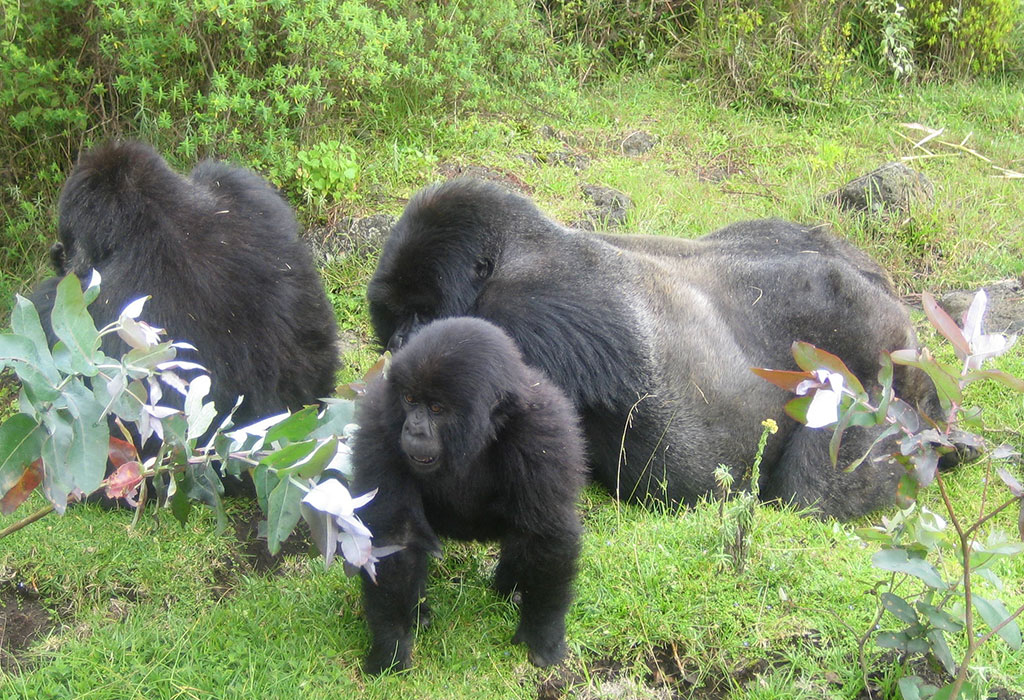
Why Rwanda should be on your bucket list becomes evident when you consider its extraordinary transformation from a nation recovering from tragedy to one of Africa’s most inspiring travel destinations. This remarkable country offers an unparalleled combination of breathtaking natural landscapes, profound cultural experiences, and some of the world’s most exclusive wildlife encounters. Rwanda presents travelers with the rare opportunity to witness mountain gorillas in their pristine habitat while experiencing the warmth of a resilient culture that has emerged stronger and more unified than ever before.
An Unforgettable Gorilla Trekking Experience
Why Rwanda Should Be on Your Travel Bucket List. Rwanda stands as one of only three countries in the world where travelers can embark on the life-changing experience of mountain gorilla trekking. Volcanoes National Park, located in the northwestern region of the country, serves as home to several habituated gorilla families that can be visited by small groups of tourists under strict conservation protocols.
The journey to encounter these magnificent primates begins with an early morning briefing at the park headquarters, where experienced guides share essential information about gorilla behavior, safety protocols, and conservation efforts. The trek itself varies in difficulty depending on the location of the gorilla family being visited, ranging from relatively easy walks through bamboo forests to challenging climbs up steep volcanic slopes.
When visitors finally encounter a gorilla family, the experience transcends ordinary wildlife viewing. Watching these gentle giants interact with their young, observing their complex social behaviors, and making eye contact with a silverback creates an emotional connection that remains with travelers long after they return home. The strict limitation of eight visitors per gorilla family per day ensures an intimate and non-intrusive experience while generating crucial revenue for conservation efforts.
The gorilla trekking permits, while representing a significant investment, directly fund conservation programs, anti-poaching efforts, and community development initiatives. This model demonstrates how responsible tourism can create positive impacts for both wildlife protection and local economic development, making each visitor a participant in one of the world’s most successful conservation stories.
Rich Cultural Heritage and Resilience
Rwanda’s cultural landscape offers profound insights into human resilience, reconciliation, and renewal. The country’s approach to healing and unity following the 1994 genocide provides visitors with powerful lessons about forgiveness, community building, and the strength of the human spirit.
The Kigali Genocide Memorial stands as a moving testament to remembrance and education, offering visitors a sobering but essential understanding of Rwanda’s history. The memorial’s gardens, exhibits, and preserved evidence create a space for reflection while honoring the memory of those who perished. This experience, though emotionally challenging, provides crucial context for understanding modern Rwanda’s remarkable achievements.
Beyond its recent history, Rwanda celebrates a rich cultural heritage that spans centuries. Traditional dance performances showcase the country’s artistic traditions, with the famous Intore dancers demonstrating athletic prowess and cultural pride through their energetic routines. The rhythmic beats of traditional drums accompany these performances, creating an immersive cultural experience that connects visitors to Rwanda’s ancestral traditions.
Local artisans continue to practice traditional crafts, creating beautiful baskets, pottery, and woodcarvings that reflect generations of skill and creativity. Visiting cooperatives and workshops allows travelers to witness these crafts being made while supporting local artisans and their communities. The famous Rwandan baskets, woven with intricate patterns and vibrant colors, serve as both functional items and works of art that carry cultural significance.
Diverse Wildlife Beyond the Gorillas
Rwanda’s wildlife extends well beyond mountain gorillas, and every park tells its own compelling story.
Nyungwe National Park is one of Africa’s oldest rainforests, home to chimpanzees, golden monkeys, and over 300 bird species. Trek through ancient forest to find chimpanzees playing and socialising overhead, then step onto the canopy walkway — suspended 50 metres above the ground — for a breathtaking view of the entire ecosystem.
Golden monkeys bring their own excitement in the bamboo forests of the Virunga Mountains. Their vivid coats and restless energy make every sighting a photographer’s highlight.
Further east, Akagera National Park delivers classic African safari action. Lions and rhinos now roam here again after a landmark reintroduction programme. Game drives reveal elephants, giraffes, and zebras, while boat trips on Lake Ihema bring you face to face with hippos, crocodiles, and spectacular water birds.
Spectacular Natural Beauty
Why Rwanda Should Be on Your Travel Bucket List. Rwanda’s nickname, “Land of a Thousand Hills,” barely captures the breathtaking beauty of its diverse landscapes. The country’s topography creates a series of stunning vistas, from the volcanic peaks of the Virunga Mountains to the ancient rainforests of Nyungwe and the savanna landscapes of Akagera.
The Virunga Mountains, shared with Uganda and the Democratic Republic of Congo, offer challenging but rewarding hiking opportunities. Mount Karisimbi, Rwanda’s highest peak, provides a two-day trekking adventure through various ecological zones, from bamboo forests to alpine meadows. The summit offers panoramic views across the region and a profound sense of accomplishment.
Lake Kivu, one of Africa’s Great Lakes, stretches along Rwanda’s western border, offering opportunities for relaxation and water-based activities. The lake’s crystal-clear waters and surrounding hills create perfect settings for kayaking, swimming, and simply enjoying the tranquil beauty of this inland sea.
Commitment to Sustainable Tourism
Why Rwanda Should Be on Your Travel Bucket List. Rwanda has positioned itself as a leader in sustainable tourism practices, demonstrating how tourism can benefit both conservation efforts and local communities. The country’s approach to tourism development prioritizes environmental protection, community involvement, and long-term sustainability over short-term profits.
Revenue from gorilla trekking permits directly funds conservation programs, with a percentage also going to local communities living around the parks. This model ensures that local people benefit from wildlife conservation, creating incentives for protecting natural habitats rather than converting them to other uses.
The government’s commitment to environmental protection extends beyond tourism, with policies promoting clean energy, plastic bag bans, and reforestation programs. Monthly community service days bring citizens together to participate in environmental and community improvement projects, demonstrating the collective commitment to building a better future.
Warm Hospitality and Modern Infrastructure
Visitors genuinely appreciate Rwandans’ renowned warmth, dignity, and resilience, which creates a welcoming atmosphere. The concept of Ubuntu, which emphasizes interconnectedness and shared humanity, permeates Rwandan culture and dictates how Rwandans receive and treat visitors.
Kigali, the capital city, serves as an excellent introduction to modern Rwanda. The city’s cleanliness, safety, and efficiency provide a comfortable base for exploring the country while showcasing Rwanda’s development achievements. Contemporary restaurants, comfortable accommodations, and reliable infrastructure ensure that visitors can enjoy their adventures while maintaining modern comforts.
Rwanda offers a transformative travel experience that combines natural wonder, cultural depth, and wildlife encounters in ways that few destinations can match. This small nation’s remarkable journey from tragedy to triumph inspires, while its commitment to conservation and sustainable development offers hope for the future of both wildlife and local communities.





