
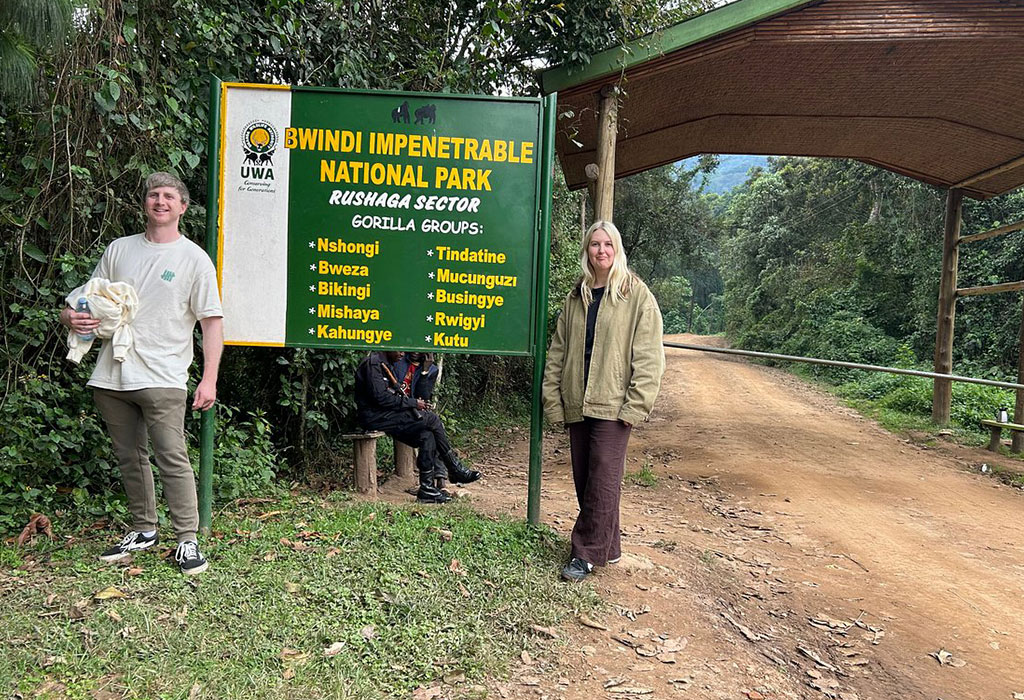
Why are there many mountain gorillas in Bwindi? The answer lies in a remarkable convergence of natural advantages and human innovation that has transformed one of Africa’s most ancient forests into a beacon of conservation success. Bwindi Impenetrable National Park’s unique combination of pristine habitat, strategic location, and groundbreaking community-based conservation has created the ideal conditions for mountain gorilla populations to not just survive, but thrive. This extraordinary ecosystem, shaped by millennia of natural evolution and decades of dedicated conservation efforts, now supports over half of the world’s remaining mountain gorillas, making it a living testament to what’s possible when environmental protection and human welfare work in harmony.
The Perfect Natural Sanctuary
Ancient Refuge and Geological Advantages
Bwindi Impenetrable National Park represents one of Earth’s most remarkable natural sanctuaries, covering 327 square kilometers of pristine montane forest that has remained virtually unchanged for over 25,000 years. This ancient forest served as a crucial refuge for mountain gorillas during the last Ice Age, when much of East Africa’s highland forests disappeared under changing climatic conditions. The park’s geological stability and continuous forest cover provided an unbroken haven that allowed gorilla populations to persist through environmental challenges that eliminated their habitat elsewhere.
The forest’s impenetrable nature, which gives the park its name, has been both a challenge for researchers and a blessing for conservation. The dense, multilayered canopy creates a natural fortress that has historically protected gorillas from human encroachment and provided the privacy these sensitive primates require for successful breeding and family group development. This natural isolation has been instrumental in maintaining genetic diversity within gorilla populations while minimizing stress-inducing human contact.
Optimal High-Altitude Environment
The park’s elevation, ranging from 1,400 to 3,800 meters above sea level, creates the precise climatic conditions that mountain gorillas have evolved to inhabit. This high-altitude environment generates the cool, moist conditions necessary for the dense vegetation growth that forms the foundation of the gorilla food web. The elevation gradient within the park provides diverse microclimates and habitat zones, allowing gorilla families to move seasonally in response to food availability and weather patterns.
The high altitude also creates natural barriers that have historically limited human settlement and agricultural expansion into the core gorilla habitat. The challenging terrain and cooler temperatures have discouraged large-scale human encroachment, inadvertently preserving critical wildlife corridors and maintaining the forest’s ecological integrity. This natural protection has been enhanced by formal conservation designations that recognize the area’s irreplaceable value for biodiversity conservation.
Extraordinary Biodiversity and Food Security
A Living Pantry
Bwindi’s reputation as one of the most biologically diverse forests on Earth directly translates into abundant food resources for mountain gorillas. The park hosts over 1,000 flowering plant species, creating a complex web of food options that can sustain large gorilla populations year-round. This plant diversity includes over 200 tree species, numerous shrubs, herbaceous plants, and seasonal fruits that provide the varied diet mountain gorillas require for optimal health and reproduction.
The forest’s biodiversity ensures food security even during seasonal variations or environmental stress periods. Gorillas can access over 142 different plant species for food, including leaves, stems, bark, roots, and fruits. Bamboo zones within the park provide particularly important seasonal food sources, while the abundance of herbaceous plants in forest clearings offers high-protein vegetation crucial for nursing mothers and growing juveniles.
Ecological Stability
The incredible plant diversity in Bwindi creates ecological stability that buffers against environmental fluctuations. This stability means that even if certain food sources become temporarily unavailable due to seasonal changes or natural disturbances, alternative nutrition sources remain abundant. The forest’s complexity also supports diverse animal communities that contribute to seed dispersal and forest regeneration, maintaining the long-term health of gorilla habitat.
Revolutionary Conservation Strategies
Community-Centered Approach
Bwindi’s conservation success stems largely from innovative community involvement strategies that transform local residents from potential threats into active conservation partners. Local communities now serve as trackers, guides, porters, and rangers, providing essential services for both gorilla research and tourism while developing valuable skills and earning steady incomes. This employment directly reduces economic pressures that previously drove activities like poaching and illegal resource extraction.
The training programs for community members have created a knowledgeable local workforce that understands gorilla behavior, forest ecology, and sustainable tourism practices. Former poachers have become some of the most effective gorilla protectors, using their intimate knowledge of the forest to support conservation efforts. This transformation demonstrates how economic opportunities can fundamentally shift community relationships with wildlife.
Revenue Sharing and Community Development
The revenue-sharing model implemented around Bwindi represents a groundbreaking approach to conservation financing. A significant portion of tourism income flows directly to local communities through infrastructure development projects, including schools, health clinics, roads, and water systems. These improvements address fundamental human needs while reducing pressure on natural resources.
Community development projects funded by gorilla tourism have built dozens of schools, several health centers, and essential infrastructure that have dramatically improved the quality of life for thousands of residents. This tangible connection between gorilla conservation and human welfare creates powerful incentives for long-term environmental protection. Communities now see gorillas not as competitors for resources, but as partners in community development.
Integrated Management Excellence
Unified Conservation Strategy
Unlike many transboundary conservation areas, Bwindi benefits from integrated management within a single national park system. This unified approach eliminates coordination challenges that often hamper conservation efforts across different jurisdictions. Consistent policies, standardized research protocols, and coordinated anti-poaching efforts create more effective protection for gorilla populations.
The park’s management integrates scientific research, community engagement, and tourism development into a comprehensive strategy that addresses multiple conservation challenges simultaneously. Regular monitoring of gorilla populations, habitat quality, and community welfare ensures that management decisions are based on current, accurate information.
Economic Incentives and Conflict Reduction
Tourism as a Conservation Tool
Gorilla tourism generates substantial revenue that creates strong economic incentives for conservation. The significant income from gorilla permits, accommodation, and related services demonstrates that the economic value of living gorillas far exceeds any potential benefits from habitat destruction or wildlife exploitation. This economic reality has shifted community attitudes toward conservation and created constituencies that actively support gorilla protection.
Transforming Human-Wildlife Relationships
By integrating local communities into conservation efforts, Bwindi has successfully reduced human-wildlife conflict. Communities that once viewed gorillas as crop-raiding pests now see them as valuable assets that support community development. This fundamental shift in perception has reduced retaliatory killings and created community-led initiatives to protect gorilla habitat.
Conclusion
Bwindi’s success in supporting large mountain gorilla populations results from the perfect combination of natural advantages and innovative human stewardship. The ancient forest’s size, biodiversity, and isolation provide an ideal habitat, while community-based conservation creates the social conditions necessary for long-term protection. This model demonstrates that conservation success requires not just protecting wildlife, but ensuring that local communities benefit from and participate in conservation efforts, creating sustainable solutions that support both human welfare and biodiversity conservation.





