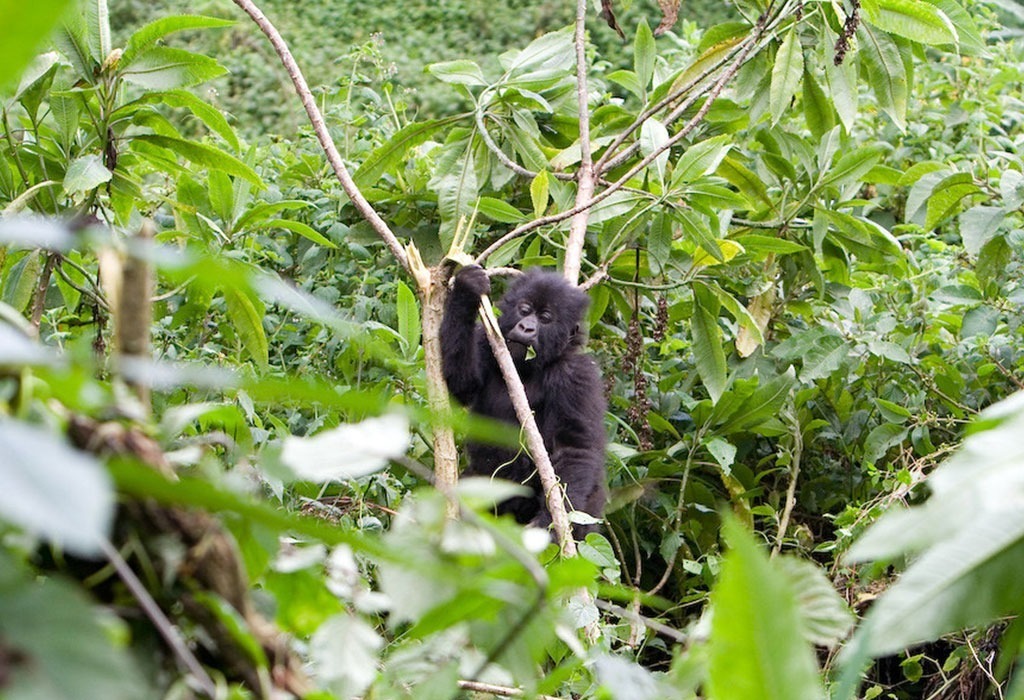
Where to visit gorillas in Africa? The continent offers several exceptional destinations for gorilla encounters, with Uganda and Rwanda leading as the premier choices for mountain gorilla trekking. These two countries host the most accessible and well-established gorilla tourism programs, featuring Bwindi Impenetrable National Park and Volcanoes National Park as flagship destinations. While the Democratic Republic of Congo also provides gorilla viewing opportunities in Virunga and Kahuzi-Biega National Parks, security concerns make it a more challenging option for most travelers. Each destination offers unique advantages in terms of accessibility, cost, safety, and trekking experiences, allowing visitors to choose based on their priorities, budget, and adventure preferences while contributing to vital conservation efforts protecting these endangered primates.
Uganda: The Heart of Mountain Gorilla Conservation
Uganda stands as the world’s premier destination for mountain gorilla encounters, hosting over half of the global population of these magnificent creatures. The country’s two national parks dedicated to gorilla conservation offer diverse experiences ranging from accessible family-friendly treks to challenging wilderness adventures.
Bwindi Impenetrable National Park: The Ultimate Gorilla Sanctuary
Bwindi Impenetrable National Park represents the pinnacle of mountain gorilla conservation, harboring more than 459 mountain gorillas across 20 habituated families. This UNESCO World Heritage Site spans 331 square kilometers of ancient montane rainforest in southwestern Uganda, creating an ecosystem that has remained largely unchanged for over 25,000 years.
The park’s four distinct sectors—Buhoma, Ruhija, Rushaga, and Nkuringo—each offer unique trekking experiences tailored to different fitness levels and preferences. Buhoma, the original tourism sector, provides relatively easier access through mature forest trails and hosts some of the park’s most famous gorilla families. Rushaga offers the highest concentration of gorilla families with eight habituated groups, providing flexibility in scheduling and diverse encounter opportunities.
Ruhija sector sits at higher elevations, offering cooler temperatures and spectacular valley views, while Nkuringo provides dramatic landscapes along steep ridges with panoramic vistas. The diversity of gorilla families means that each trek offers unique behavioral observations, from playful juveniles to imposing silverbacks displaying complex social dynamics.
Bwindi’s authentic wilderness character sets it apart from other destinations. The dense, challenging terrain creates genuinely wild encounters where gorillas continue their natural behaviors undisturbed by human presence. Trekking durations range from 30 minutes to eight hours, depending on gorilla movements and seasonal patterns, ensuring that each visit provides a unique adventure.
Mgahinga Gorilla National Park: The Volcanic Sanctuary
Mgahinga Gorilla National Park, though smaller at 33.7 square kilometers, plays a crucial role in Uganda’s gorilla conservation efforts. Located in the Virunga Mountains along Uganda’s borders with Rwanda and the Democratic Republic of Congo, Mgahinga forms part of the transboundary Virunga Conservation Area.
The park is home to the Nyakagezi gorilla family, known for its cross-border movements between Uganda, Rwanda, and Congo. This unique characteristic sometimes requires flexibility in tracking, but provides insights into gorilla ranging behavior across international boundaries. Mgahinga also serves as a sanctuary for endangered golden monkeys, making it an excellent destination for primate enthusiasts seeking diverse encounters.
The park’s three extinct volcanic peaks—Mount Gahinga, Mount Muhabura, and Mount Sabyinyo—create dramatic backdrops for gorilla trekking while offering additional hiking opportunities for visitors seeking extended adventures. The volcanic landscape supports diverse habitats from bamboo forests to alpine meadows, providing mountain gorillas with varied food sources throughout the year.
Rwanda: The Land of Premium Gorilla Experiences
Rwanda has positioned itself as the premium destination for mountain gorilla trekking, emphasizing luxury, accessibility, and exceptional service quality. The country’s remarkable post-genocide transformation has created a model for sustainable tourism that balances conservation with economic development.
Volcanoes National Park: Accessibility Meets Conservation Excellence
Volcanoes National Park covers 160 square kilometers of montane rainforest and bamboo in northwestern Rwanda, hosting 12 habituated mountain gorilla families. The park’s location, just two hours from Kigali International Airport, makes it the most accessible gorilla destination in Africa, allowing visitors to complete gorilla treks as day trips from the capital city.
The park’s well-developed tourism infrastructure includes luxury lodges, professional guide services, and meticulously maintained trails. Rwanda’s emphasis on high-end tourism means that gorilla trekking experiences are carefully orchestrated to maximize visitor satisfaction while minimizing environmental impact. The volcanic landscape provides stunning scenery with the dramatic peaks of the Virunga Mountains creating magnificent backdrops for gorilla encounters.
Volcanoes National Park offers consistently high success rates for gorilla sightings, exceeding 98% due to excellent tracking systems and experienced guides. The park’s smaller size and well-mapped terrain mean that trekking durations are generally more predictable than in Uganda’s vast Bwindi forest.
Democratic Republic of Congo: Adventure and Conservation Challenges
The Democratic Republic of Congo offers two distinct gorilla experiences, though both come with additional considerations regarding safety and accessibility.
Virunga National Park: Africa’s Oldest Park
Virunga National Park, established in 1925 as Africa’s first national park, spans 7,800 square kilometers of diverse ecosystems, including mountain gorilla habitat in the park’s southern sector. The park hosts eight habituated mountain gorilla families, providing intimate encounters with fewer tourists than Uganda or Rwanda.
Virunga’s volcanic landscape includes active volcanoes like Mount Nyiragongo, famous for its permanent lava lake. This creates opportunities for multi-day adventures combining gorilla trekking with volcano hiking, offering some of Africa’s most spectacular and varied wildlife experiences.
However, ongoing security challenges in eastern DRC require careful planning and flexibility. The park’s dedicated rangers continue their conservation work despite difficult circumstances, demonstrating extraordinary commitment to protecting mountain gorillas.
Kahuzi-Biega National Park: Eastern Lowland Gorilla Haven
Kahuzi-Biega National Park offers a completely different gorilla experience, focusing on Eastern Lowland gorillas rather than mountain gorillas. These larger gorillas inhabit lower-elevation forests and provide insights into different gorilla subspecies behaviors and adaptations.
The park’s two extinct volcanoes, Mount Kahuzi and Mount Biega, give the park its name and create unique trekking opportunities. However, security concerns and challenging logistics make this destination suitable only for experienced travelers comfortable with uncertainty.
Practical Considerations for Choosing Your Destination
Permit Costs and Budget Planning
Gorilla permit prices vary significantly between countries, impacting overall trip costs. Rwanda’s permits cost $1,500 per person, positioning the country as a luxury destination with corresponding service levels. Uganda offers permits at $800 per person for foreign non-residents, providing excellent value while maintaining high-quality experiences. The DRC’s permits cost $400 per person, though additional security and logistics costs can increase overall expenses.
Safety and Security Assessment
Uganda and Rwanda are generally considered the safest destinations for gorilla trekking, with stable governments, well-developed tourism infrastructure, and reliable security services. Both countries have invested heavily in tourism safety and provide comprehensive support for international visitors.
The Democratic Republic of Congo presents additional security considerations, with ongoing instability in eastern regions requiring careful assessment of current conditions and flexible travel plans. Many tour operators recommend monitoring security updates and maintaining contingency plans when visiting DRC parks.
Experience Preferences and Travel Style
Your choice between destinations should align with your travel style and experience preferences. Rwanda suits travelers prioritizing convenience, luxury, and predictable experiences with excellent infrastructure and professional services. Uganda appeals to those seeking authentic wilderness adventures with diverse trekking options and genuine African cultural experiences.
The DRC attracts adventurous travelers comfortable with uncertainty and interested in supporting conservation efforts under challenging circumstances. Each destination offers profound gorilla encounters, but the journey and context create distinctly different overall experiences.
All three countries contribute significantly to mountain gorilla conservation, with tourism revenue supporting anti-poaching efforts, community development, and research programs essential for species survival.