
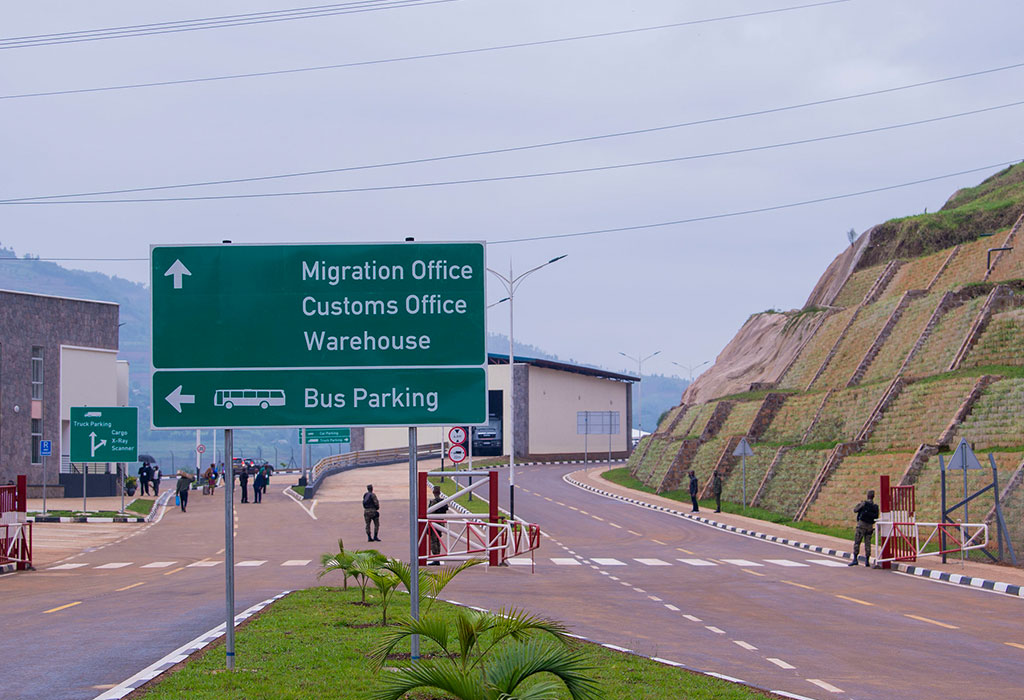
What to Expect at Rwanda Immigration reflects the country’s progressive and streamlined approach to international travel and tourism. Rwanda has established one of Africa’s most efficient immigration systems, designed to facilitate legitimate travel while maintaining security standards. The immigration process combines traditional documentation requirements with modern digital systems and progressive visa policies that demonstrate Rwanda’s commitment to becoming a regional hub for business and tourism. Understanding these procedures ensures smooth entry into this remarkable East African nation and helps travelers prepare adequately for their arrival experience.
Comprehensive Visa Policy Framework
Rwanda’s visa policy represents a carefully balanced approach that promotes tourism and business travel while maintaining appropriate security measures. The country has implemented one of Africa’s most liberal visa regimes, recognizing that facilitating legitimate travel contributes significantly to economic development and international relations. This progressive approach has positioned Rwanda as a preferred destination for both leisure and business travelers throughout the region and beyond.
The visa-on-arrival system serves as the primary entry mechanism for most international visitors, eliminating the need for advance visa applications from diplomatic missions. This system significantly reduces travel planning complexity while ensuring that immigration officials can assess each visitor’s circumstances at the point of entry. They designed the process for efficiency, processing most visa-on-arrival applications within minutes at immigration counters.
Multiple visa categories accommodate different travel purposes and durations. Tourist visas typically allow stays of up to 30 days and can often be extended through immigration offices if circumstances require longer visits. Business visas provide similar duration options but may require additional documentation demonstrating the commercial nature of the visit. Transit visas serve travelers passing through Rwanda to other destinations, while longer-term visas accommodate visitors with extended business or research purposes.
Nationality-Specific Entry Privileges
What to Expect at Rwanda Immigration: Rwanda offers generous visa exemptions reflecting its commitment to regional integration and international cooperation:
African Union members: 30-day visa-free entry, promoting intra-African travel and economic integration.
Commonwealth citizens: 30-day visa-free access, supporting cultural exchange and strengthening ties with Commonwealth partners.
La Francophonie members: Visa-free entry privileges, honoring Rwanda’s linguistic heritage and relationships with French-speaking nations.
East African Community (EAC) members: Free six-month entry visas—the most generous treatment—facilitating regional integration, trade, labor mobility, and extended business activities.
Select countries (Angola, Benin, Ghana, others): 90-day visa-free entry based on bilateral agreements promoting cooperation.
These policies support Rwanda’s goals of fostering African unity, international partnerships, and economic development through enhanced travel accessibility.
Essential Documentation Requirements
What to Expect at Rwanda Immigration. Passport validity represents the most fundamental entry requirement, with immigration officials strictly enforcing the six-month minimum validity rule. This requirement ensures that travelers maintain valid documentation throughout their intended stay while providing a safety margin for unexpected travel extensions or delays. Passports with less than six months’ validity will result in entry denial, regardless of other documentation or visa status.
The passport must contain at least one blank page for entry stamps and potential visa stickers. Immigration officials require clear, unmarked pages to affix necessary documentation, and damaged or full passports may create entry complications. Travelers should verify passport conditions and available space before departure to avoid potential difficulties at immigration counters.
Proof of sufficient funds serves as evidence that visitors can support themselves financially during their stay without becoming dependent on local resources or engaging in unauthorized employment. Acceptable proof includes bank statements, credit cards, travelers’ checks, or cash in recognized currencies. The amount considered “sufficient” varies based on the intended length of stay and accommodation arrangements, with immigration officers exercising discretion based on individual circumstances.
Some travelers may be required to present return tickets or detailed travel itineraries demonstrating their intention to depart Rwanda within the authorized period. This requirement helps immigration officials assess the legitimacy of travel plans and ensures visitors understand their authorized stay duration. Open-ended tickets or flexible itineraries should be accompanied by clear explanations of intended departure arrangements.
Health Documentation and Medical Requirements
What to Expect at Rwanda Immigration. Yellow fever vaccination certificates represent critical health documentation for many travelers, particularly those arriving from countries where yellow fever transmission occurs. The World Health Organization maintains updated lists of countries requiring yellow fever vaccination for entry into various destinations, and Rwanda follows these international health guidelines to protect public health.
The vaccination certificate must demonstrate that immunization occurred at least 10 days before arrival, allowing sufficient time for immunity development. Certificates issued less than 10 days before travel may not be accepted, potentially resulting in vaccination requirements at the airport or entry denial. The certificate must bear official stamps and signatures from authorized medical facilities to ensure authenticity.
Travelers from countries with recent yellow fever outbreaks or high transmission rates face particular scrutiny regarding vaccination documentation. Immigration and health officials may request additional health information or conduct brief medical assessments if circumstances warrant such measures. These procedures protect both visitors and local populations from potential disease transmission.
Additional health considerations may include COVID-19-related requirements, seasonal disease prevention measures, or specific health advisories related to current global health situations. Travelers should consult current health advisories from both their home country and Rwandan health authorities to ensure compliance with any temporary health measures.
Immigration Process and Arrival Procedures
What to Expect at Rwanda Immigration. The physical immigration process at Rwandan entry points reflects the country’s commitment to efficiency and professionalism. Modern immigration facilities feature marked procedures and adequate staffing to minimize waiting times while maintaining thorough security assessments. Electronic systems support rapid document verification and visa processing, contributing to smooth entry experiences for most travelers.
Immigration officers are trained to be courteous and professional while maintaining appropriate security vigilance. Travelers should expect brief questioning about their visit purpose, intended length of stay, accommodation arrangements, and departure plans. Honest, clear answers facilitate rapid processing, while evasive or inconsistent responses may trigger additional scrutiny.
You should organize and make your documents readily accessible. Arrange passports, visas, health certificates, and financial proof for easy review. Immigration officers appreciate prepared and cooperative travelers, which helps them efficiently process everyone involved in the entry process.
Additional Considerations and Practical Advice
What to Expect at Rwanda Immigration. International driving permits represent important additional documentation for travelers planning to drive in Rwanda. Local traffic laws require international permits in addition to home country licenses, and rental car companies typically demand both documents before releasing vehicles. Obtaining international driving permits before travel is essential, as these documents cannot be obtained while abroad.
Document security becomes crucial once entry procedures are complete. Keeping copies of passports, visas, and other important documents in separate, secure locations protects against loss or theft complications. Digital copies stored in secure cloud services provide additional backup options, while physical copies should be stored separately from original documents.
Embassy registration for longer stays or travel to remote areas provides additional security and support options. While not mandatory, registration with home country diplomatic missions helps ensure assistance availability during emergencies and facilitates communication during crises.
Travel insurance consideration provides financial protection against medical emergencies, trip cancellations, or document replacement needs. While not required for entry, comprehensive travel insurance offers valuable protection against unexpected costs and complications that could arise during international travel.
Understanding local customs and expectations helps ensure smooth interactions with immigration officials and other authorities. Rwanda’s professional, efficient approach to immigration reflects broader national characteristics of organization, cleanliness, and respect for procedures that visitors encounter throughout their stay.





