
What makes Uganda a unique birding destination? Uganda stands as one of the world’s premier birding destinations, earning recognition among ornithologists and bird enthusiasts for its extraordinary avian diversity and exceptional species concentration within a relatively small area. With over 1,065 recorded bird species—representing more than half of Africa’s total bird diversity—Uganda offers unparalleled birdwatching opportunities in remarkably varied habitats. The country’s position within the globally significant Albertine Rift, combined with its diverse ecosystems ranging from dense tropical forests to expansive wetlands, creates perfect conditions for both resident species and migratory birds. Home to iconic species like the prehistoric Shoebill Stork and numerous endemic species found nowhere else on earth, Uganda provides birding experiences that combine accessibility, diversity, and the thrill of potentially rare sightings.
Exceptional Species Diversity and Endemic Birds
Uganda’s claim to birding fame rests primarily on its staggering species count of over 1,065 recorded bird species, a figure that places the country among the top birding destinations globally. This remarkable diversity represents approximately 60% of Africa’s total bird species and roughly 11% of the world’s known bird species—an extraordinary concentration considering Uganda’s relatively modest size of just 241,038 square kilometers.
The country’s position within the Albertine Rift, recognized as one of Africa’s most biodiverse regions, contributes significantly to this exceptional species richness. This ancient geological formation has created isolated populations that evolved into unique endemic species found nowhere else on Earth. The Albertine Rift endemics include spectacular species such as the African Green Broadbill, one of Africa’s most sought-after birds, which inhabits the canopy of Bwindi Impenetrable Forest and represents one of the continent’s rarest broadbill species.
Grauer’s Swamp Warbler lives only in Albertine Rift papyrus swamps. Meanwhile, the Rwenzori Turaco displays brilliant green plumage in highland forests. Other endemics include the Dwarf Honeyguide, Neumann’s Warbler, and Collared Apalis.
These species exist nowhere else globally. Therefore, Uganda attracts serious birders seeking rare additions to their life lists. Furthermore, accessible protected areas concentrate these endemics conveniently. Consequently, visitors support conservation through eco-tourism while observing unique birds.
Extraordinarily Diverse Habitat Mosaic
Uganda’s exceptional habitat diversity creates the foundation for its remarkable bird species richness. The country encompasses virtually every major African ecosystem type, from dense equatorial rainforests to open savannas, high-altitude montane forests, extensive wetlands, and large freshwater lakes. This habitat mosaic supports distinct bird communities, each adapted to specific environmental conditions.
The ancient forests of Bwindi Impenetrable National Park and Kibale Forest National Park harbor forest specialists, including various sunbirds, barbets, hornbills, and the elusive African Green Broadbill. These forests provide multilayered habitats from the forest floor to the canopy, supporting different bird communities at each level. Canopy species like various greenbul species and forest robin-chats occupy the upper levels, while ground-dwelling species such as various robin species and ant-thrushes inhabit the forest floor.
Savanna ecosystems in Queen Elizabeth and Murchison Falls National Parks support classic African grassland species, including various cisticolas, weavers, bishops, and raptors. These open habitats provide excellent opportunities for observing large raptors, ground-dwelling species like bustards and coursers, and the spectacular displays of various weaver species during breeding season.
Uganda’s extensive wetland systems, including the famous Mabamba Swamp and various crater lakes, support remarkable waterbird diversity. These aquatic habitats host herons, egrets, ibises, various duck species, and the iconic Shoebill Stork. The seasonal flooding patterns in these wetlands create dynamic habitats that attract different species throughout the year.
Iconic and Sought-After Species
The Shoebill Stork stands as Uganda’s most famous avian ambassador, attracting birders from around the world to witness this prehistoric-looking species in its natural habitat. Mabamba Swamp, located on the shores of Lake Victoria, provides one of the world’s most reliable locations for Shoebill observations. This massive bird, standing up to 1.5 meters tall with its distinctive shoe-shaped bill, represents one of Africa’s most sought-after species.
The bird’s prehistoric appearance, combined with its unique behaviors, including its machine-gun-like bill clattering and patient fishing techniques, creates unforgettable wildlife encounters. Early morning boat trips through Mabamba’s papyrus channels offer the best opportunities for Shoebill sightings, with experienced local guides knowing the birds’ preferred feeding areas and behavioral patterns.
Beyond the Shoebill, Uganda hosts numerous other iconic species that draw specialized birding tourism. The Great Blue Turaco, Africa’s largest turaco species, inhabits forest edges and provides spectacular sightings with its brilliant blue and green plumage. Various hornbill species, including the Black-and-white-casqued Hornbill and Piping Hornbill, create dramatic forest encounters.
Critical Migratory Bird Stopover
Uganda’s geographical position makes it a crucial stopover point for birds migrating between Europe, Asia, and other parts of Africa. The country lies along major migratory flyways, particularly the East African-Eurasian flyway, which channels millions of birds through the region during seasonal migrations.
The migratory season, particularly from October to April, transforms Uganda’s birding landscape as European and Asian species arrive to escape northern hemisphere winters. These migrants include various wagtails, swallows, bee-eaters, and numerous warbler species that significantly increase the diversity available to visiting birders.
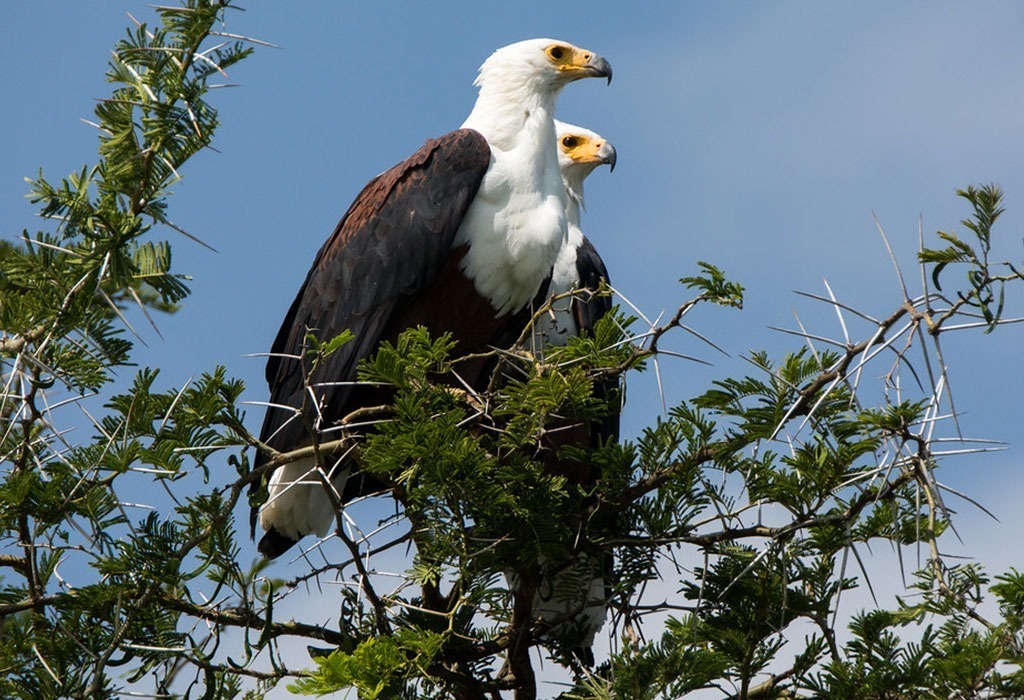
Raptors represent another significant component of Uganda’s migratory bird populations, with various eagle, kite, and hawk species using thermal currents over Uganda’s landscapes during their long-distance movements. The concentration of migrants during peak migration periods can provide spectacular birding experiences as mixed flocks move through the country.
Exceptional Accessibility and Infrastructure
What Makes Uganda a Unique Birding Destination? Uganda has developed excellent infrastructure supporting birding tourism, making even remote locations accessible to international visitors. Many of the country’s most important birding sites have been designated as Important Bird Areas (IBAs) by BirdLife International, with established access routes, accommodation options, and trained local guides.
The availability of experienced local birding guides significantly enhances the Uganda birding experience. These guides possess intimate knowledge of local bird calls, behaviors, and preferred habitats, dramatically increasing visitors’ chances of locating target species. Many guides have received formal training and certification, ensuring professional standards while supporting local communities through eco-tourism.
Integrated Wildlife Experiences
What Makes Uganda a Unique Birding Destination? Uganda’s compact size and diverse attractions allow birders to combine their ornithological interests with other world-class wildlife experiences. Gorilla trekking in Bwindi Impenetrable Forest can be combined with forest birding, while chimpanzee tracking in Kibale Forest offers opportunities to observe both primates and forest birds.
This integration creates comprehensive wildlife experiences where birders can pursue their passion while also enjoying Uganda’s famous primate encounters, making efficient use of travel time and creating more diverse and memorable safari experiences that appeal to both dedicated birders and general wildlife enthusiasts.





