
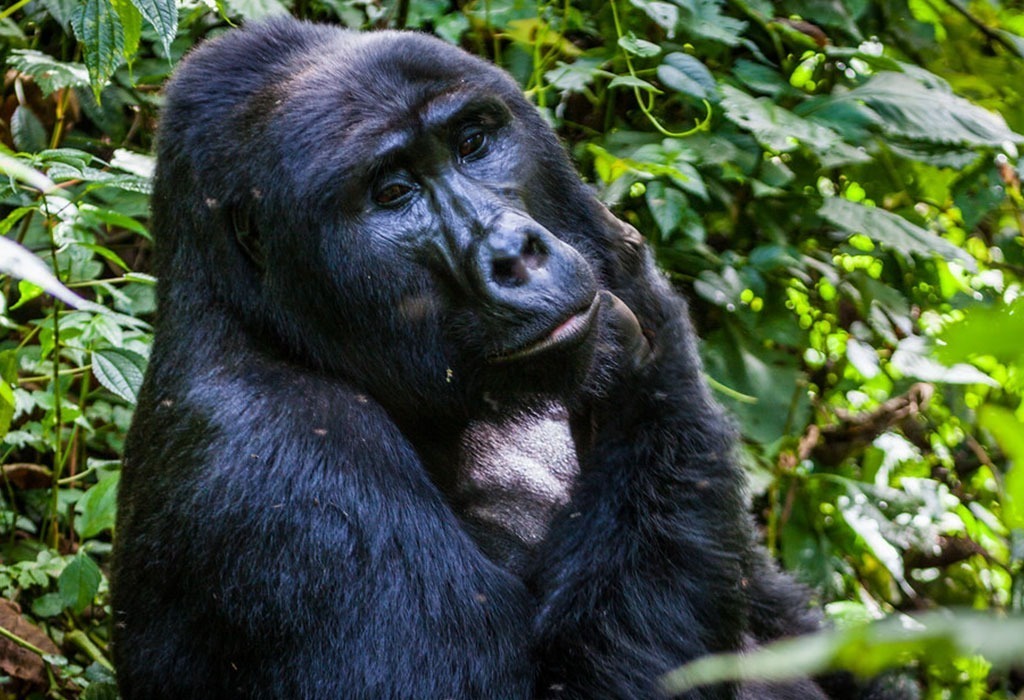
What is the safest country for gorilla trekking? This critical question weighs heavily on the minds of travelers planning one of Africa’s most extraordinary wildlife experiences. Mountain gorillas inhabit only three countries: Rwanda, Uganda, and the Democratic Republic of Congo, each offering unique opportunities to encounter these magnificent primates. However, safety considerations vary significantly between these destinations. Based on current political stability, infrastructure development, crime rates, and overall security measures, Rwanda consistently emerges as the safest option for gorilla trekking adventures, though Uganda also provides secure and rewarding experiences at more affordable prices.
Comprehensive Safety Analysis of Gorilla Trekking Destinations
When evaluating gorilla trekking destinations, safety encompasses multiple factors, including political stability, crime rates, infrastructure quality, emergency response capabilities, and the overall security framework surrounding tourist activities. Each of the three gorilla-habitat countries presents different safety profiles, making it essential for travelers to understand these distinctions before making their choice.
The assessment of safety in gorilla trekking destinations extends beyond simple crime statistics to include the effectiveness of park security, the training and professionalism of guides and rangers, community relations with tourism, and the government’s commitment to protecting both wildlife and visitors. These comprehensive factors create the overall safety environment that tourists experience during their gorilla encounters.
Rwanda: The Gold Standard for Gorilla Trekking Safety
Rwanda stands out as the premier destination for safe gorilla trekking, earning recognition from tourism experts and travelers alike for its exceptional security measures and political stability. The country’s transformation since the 1994 genocide has been remarkable, with the government prioritizing peace, security, and economic development through sustainable tourism.
Political Stability and Governance
Rwanda’s political landscape is characterized by strong, centralized governance that maintains strict control over security and public order. The government has invested heavily in creating a stable environment that attracts international tourists and investors. This stability translates directly into safer conditions for gorilla trekking, as the government views tourism as a crucial economic pillar that must be protected at all costs.
The country’s leadership has implemented comprehensive policies that prioritize tourist safety, including specialized training for security forces operating in and around national parks. This governmental commitment ensures that gorilla trekking operations receive the highest level of security support and emergency response capabilities.
Low Crime Rates and Social Order
Rwanda maintains some of the lowest crime rates in Africa, particularly regarding violent crime and theft targeting tourists. The country’s emphasis on social cohesion and community responsibility has created an environment where visitors feel secure both within national parks and in surrounding communities.
Street crime, petty theft, and tourist-targeted scams are relatively rare compared to other regional destinations. This low-crime environment extends to gorilla trekking areas, where visitors can focus on their wildlife experience without constant concern about personal security or property safety.
Superior Infrastructure and Emergency Services
Rwanda’s investment in infrastructure development significantly enhances tourist safety during gorilla trekking expeditions. The country boasts well-maintained roads leading to national parks, reliable communication networks, and modern medical facilities capable of handling emergencies.
Volcanoes National Park, Rwanda’s primary gorilla destination, benefits from excellent road access, reducing travel risks and ensuring quick evacuation capabilities if needed. The park’s proximity to quality medical facilities in nearby towns provides additional safety assurance for visitors with health concerns or those requiring emergency medical attention.
Highly Regulated Tourism Operations
Rwanda’s approach to gorilla tourism emphasizes strict regulation and professional management. All gorilla trekking operations must comply with rigorous safety standards, including mandatory use of experienced guides, armed ranger escorts, and adherence to specific protocols designed to protect both visitors and gorillas.
The Rwanda Development Board maintains tight oversight of all tourism operators, ensuring that safety standards remain consistently high across all gorilla trekking experiences. This regulatory framework eliminates substandard operators and maintains professional service delivery throughout the industry.
Uganda: Affordable Safety with Proven Track Record
Uganda offers a compelling alternative for gorilla trekking, providing excellent safety standards while maintaining more affordable pricing than Rwanda. The country has successfully hosted gorilla tourism for decades without major security incidents, demonstrating its capability to provide safe wildlife experiences.
Established Security Framework
Uganda’s gorilla trekking operations in Bwindi Impenetrable National Park and Mgahinga Gorilla National Park benefit from well-trained ranger services and established security protocols. The Uganda Wildlife Authority maintains professional standards for guide training and visitor safety, ensuring that tourists receive adequate protection during their forest encounters.
Armed ranger escorts accompany all gorilla trekking groups, providing security against potential wildlife encounters and other forest-related risks. These rangers undergo extensive training in both wildlife management and tourist safety procedures.
Community-Based Security
Uganda’s approach to gorilla conservation includes significant community involvement, creating local stakeholder investment in tourist safety. Communities surrounding gorilla habitats benefit economically from tourism, fostering positive relationships with visitors and creating additional security through community vigilance.
Local community members often serve as porters and guides, providing intimate knowledge of forest conditions and potential safety concerns. This community integration enhances overall security by ensuring that local populations have vested interests in maintaining safe tourism environments.
Comparative Considerations
While Uganda provides safe gorilla trekking experiences, some security experts note subtle differences compared to Rwanda’s comprehensive approach. Uganda’s larger size and more diverse political landscape can create regional variations in security conditions, though gorilla parks maintain consistently high safety standards.
The longer travel distances within Uganda may present additional logistical challenges compared to Rwanda’s more compact geography, though these factors rarely impact actual safety during gorilla encounters.
Democratic Republic of Congo: Current Safety Concerns
What is the Safest Country for Gorilla Trekking? The Democratic Republic of Congo, despite offering unique gorilla trekking opportunities in Virunga National Park, currently faces significant security challenges that make it unsuitable for most tourists. Ongoing political instability, armed group activity, and limited infrastructure create substantial risks for visitors.
Recent years have seen periodic closures of gorilla tourism in the DRC due to security incidents, kidnapping threats, and civil unrest. While the country possesses incredible natural resources and wildlife experiences, current conditions make it appropriate only for the most experienced travelers with comprehensive security arrangements.
Universal Safety Recommendations for All Destinations
Selecting Reputable Tour Operators
Regardless of the chosen destination, booking through established, reputable tour operators remains essential for safe gorilla trekking experiences. Quality operators maintain current knowledge of security conditions, employ trained guides, and have established emergency response procedures.
Research tour operators thoroughly, checking certifications, insurance coverage, safety records, and customer reviews. Established operators invest in guide training, equipment maintenance, and emergency preparedness that significantly enhance visitor safety.
Adhering to Park Regulations
All gorilla trekking destinations maintain specific rules designed to protect both visitors and gorillas. These regulations include group size limitations, minimum distances from gorillas, time restrictions, and behavioral guidelines that must be followed strictly.
Compliance with park rules extends beyond gorilla encounters to include proper preparation, appropriate equipment, and respect for guide instructions throughout the trekking experience.
Maintaining Situational Awareness
What is the Safest Country for Gorilla Trekking? While gorilla parks generally provide secure environments, maintaining awareness of surroundings and taking standard travel precautions remains important. This includes securing valuables, staying with group members, and being alert to changing conditions or guide instructions.
Urban areas near parks may present different security considerations than the parks themselves, requiring appropriate precautions against petty crime and maintaining awareness of local conditions and customs.





