
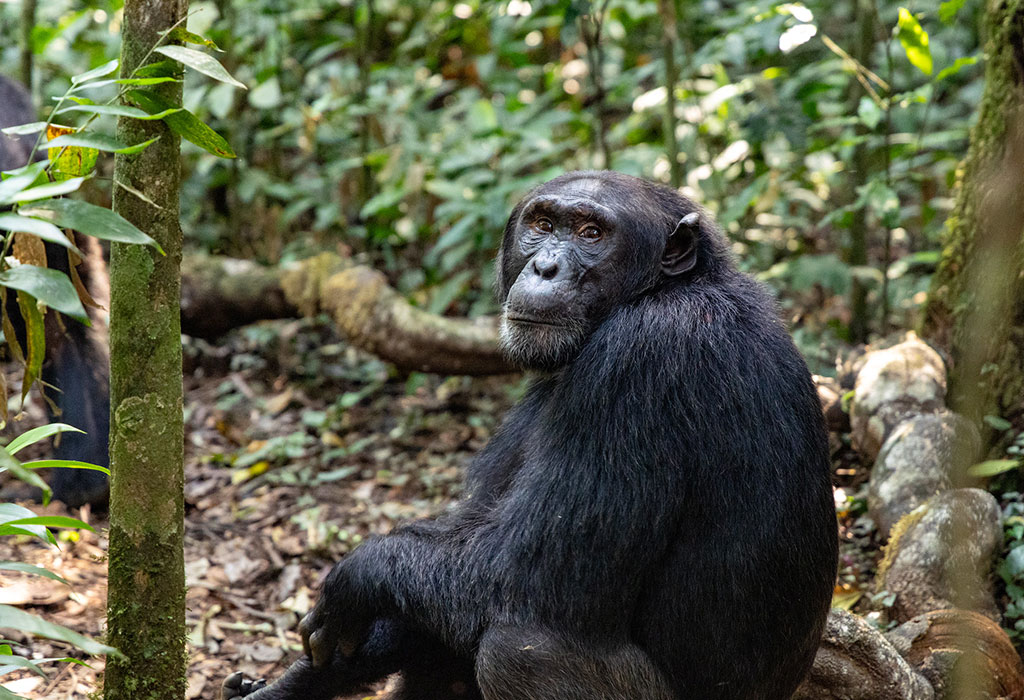
Unexpected encounters during chimpanzee trekking in Kibale Forest National Park transform what begins as a focused primate search into an unpredictable wilderness adventure filled with surprises at every turn. While the primary goal remains observing our closest living relatives in their natural habitat, the rich biodiversity and dynamic forest environment create opportunities for encounters that extend far beyond chimpanzee sightings. From sudden wildlife appearances and dramatic weather changes to intense chimpanzee social dynamics and challenging terrain navigation, these unexpected moments often become the most memorable aspects of the trekking experience, requiring adaptability, respect for nature, and complete trust in your experienced guides.
Wildlife Encounters Beyond Chimpanzees
Kibale Forest National Park stands as one of Africa’s most biodiverse ecosystems, home to an extraordinary array of wildlife that can surprise even the most prepared trekkers. While chimpanzees remain the primary attraction, the forest’s rich tapestry of life ensures that every trek offers potential encounters with species that can dramatically enhance or complicate your wilderness experience.
Primate Diversity and Interactions:
The forest ecosystem supports thirteen different primate species, creating a complex web of interactions that trekkers may witness unexpectedly. Red colobus monkeys, with their distinctive rust-colored fur and acrobatic abilities, frequently share territories with chimpanzees, leading to fascinating interspecies interactions. These encounters can range from peaceful coexistence to territorial disputes, providing insights into forest social dynamics that extend beyond single-species observations.
Grey-cheeked mangabeys add another layer of complexity to forest encounters, their distinctive calls echoing through the canopy long before visual contact occurs. These large, grey primates often travel in substantial groups, creating cacophonous soundscapes that can both mask and reveal chimpanzee locations. Black and white colobus monkeys present perhaps the most dramatic visual encounters, their flowing white mantles creating striking contrasts against the dark forest backdrop as they leap between trees with remarkable grace.
Large Mammal Encounters
The presence of forest elephants in Kibale creates some of the most potentially dangerous unexpected encounters during chimpanzee trekking. These smaller relatives of their savanna cousins move silently through dense vegetation, often appearing suddenly on forest trails. Their unpredictable nature and protective instincts require immediate response from guides, who must quickly assess situations and potentially alter trekking routes to maintain safe distances.
Forest buffaloes represent another significant encounter risk, as these powerful animals can be extremely aggressive when surprised or threatened. Their dark coloration and quiet movement through dense undergrowth mean that encounters often occur at close range, requiring immediate guidance from experienced rangers who understand buffalo behavior and appropriate response protocols.
Avian Surprises
Kibale’s remarkable bird diversity creates constant opportunities for unexpected encounters that can both delight and distract from chimpanzee tracking. The forest’s 375 bird species include spectacular hornbills, whose distinctive calls and impressive size can startle unprepared trekkers. Crowned eagles, Africa’s most powerful forest raptors, occasionally appear overhead, their hunting behavior potentially affecting primate movements and creating dramatic moments of natural predator-prey dynamics.
Weather-Related Challenges and Terrain Surprises
Uganda’s equatorial climate ensures that weather conditions can change dramatically within minutes, transforming straightforward forest trails into challenging obstacle courses that test both physical abilities and mental adaptability. These weather-related encounters often prove more challenging than anticipated wildlife sightings, requiring quick thinking and proper preparation.
Sudden Tropical Downpours:
Kibale’s location in Uganda’s rainfall belt means that sunny morning conditions can transform into torrential downpours within minutes, creating immediate challenges for trekkers unprepared for rapid weather changes. These sudden storms can reduce visibility to mere meters, making it difficult to spot chimpanzees while simultaneously creating hazardous footing conditions on forest trails.
The forest canopy provides some protection from direct rainfall, but it also creates a prolonged dripping effect that continues long after storms pass. This persistent moisture can saturate clothing and equipment, leading to discomfort and potential safety issues if proper rain gear hasn’t been utilized. Experienced guides monitor weather patterns and may adjust trekking routes or timing to minimize exposure to severe conditions.
Trail Conditions and Flash Flooding
Heavy rainfall can rapidly transform stable forest trails into muddy, slippery pathways that challenge even experienced hikers. Stream crossings that were simple during dry conditions can become dangerous torrents requiring alternative routes or temporary delays until water levels recede. Flash flooding, while relatively rare, can occur in low-lying areas, temporarily blocking access to certain forest sections and requiring flexible itinerary adjustments.
The combination of wet conditions and steep terrain creates particularly challenging situations where proper footwear becomes essential for maintaining stability and preventing injuries. Waterproof hiking boots with aggressive tread patterns prove invaluable during these conditions, providing the grip and protection necessary for safe navigation through compromised trail conditions.
Chimpanzee Behavioral Encounters
Perhaps the most thrilling unexpected encounters during Kibale trekking involve witnessing raw chimpanzee behavior that showcases these remarkable primates’ complex social structures, emotional depth, and individual personalities. These encounters often provide profound insights into chimpanzee society while occasionally presenting challenging situations that require careful observation and respectful distance.
Social Dynamics and Hierarchy:
Chimpanzee communities operate under complex social hierarchies that can create dramatic encounters as individuals establish and maintain their positions within the group. Dominance displays, particularly among adult males, can be intense and potentially dangerous, involving charging, screaming, and physical confrontations that demonstrate the raw power and intelligence of these remarkable animals.
Witnessing alpha males asserting dominance through impressive displays of strength and intelligence provides unforgettable encounters that highlight the sophisticated nature of chimpanzee society. These displays often involve branch dragging, rock throwing, and aggressive posturing that can be both thrilling and intimidating for human observers maintaining respectful distances.
Feeding Behaviors and Resource Competition:
Chimpanzees spend significant portions of their day foraging for food, creating opportunities for trekkers to observe complex feeding behaviors and resource competition. These encounters can reveal remarkable tool use, problem-solving abilities, and social cooperation that distinguish chimpanzees from other primates.
Competition for preferred food sources can create intense situations where multiple individuals vie for access to fruit trees or other resources. These encounters often involve subtle social negotiations, aggressive displays, and complex alliance formations that demonstrate the sophisticated nature of chimpanzee politics and social intelligence.
Maternal Behaviors and Infant Development:
Encountering mother chimpanzees with infants provides some of the most emotionally powerful experiences during forest trekking. These encounters showcase the remarkable similarities between human and chimpanzee parenting, including protective behaviors, teaching interactions, and affectionate bonding that can be deeply moving for human observers.
Young chimpanzees learning social skills and survival techniques through play and interaction with adults create delightful encounters that highlight the importance of childhood development in primate societies. These playful interactions often occur close to human observers, providing exceptional opportunities for photography and behavioral observation.
Physical and Environmental Challenges
The demanding nature of chimpanzee trekking in Kibale’s challenging terrain creates unexpected physical encounters that test even well-prepared adventurers. These challenges often arise suddenly, requiring immediate adaptation and problem-solving skills that can transform routine forest walks into memorable adventures.
Terrain Navigation Difficulties: Dense vegetation, fallen trees, and steep slopes create constantly changing navigation challenges that require agility, balance, and mental focus. Unexpected obstacles such as swampy areas, rocky outcrops, and dense vine tangles can appear suddenly, forcing route modifications and testing physical capabilities.
The three-dimensional nature of forest movement, including climbing over fallen logs, ducking under low branches, and navigating around obstacles, creates unique physical challenges that differ significantly from traditional hiking experiences. These encounters often require improvisation and creativity in movement techniques.
Endurance and Stamina Requirements: Following active chimpanzee groups through dense forest can require sudden bursts of energy and sustained effort over extended periods. Chimpanzees move rapidly through their territory, often requiring trekkers to maintain pace over challenging terrain while managing equipment and maintaining observation opportunities.
Conservation Ethics and Responsible Encounters
Every unexpected encounter during chimpanzee trekking carries important conservation implications that require careful consideration and appropriate responses. These ethical dimensions add complexity to forest experiences while providing opportunities for meaningful conservation education and personal growth.
Disease Transmission Prevention: Maintaining appropriate distances from chimpanzees becomes crucial during unexpected close encounters, as disease transmission risks increase with proximity. Respiratory illnesses, in particular, pose significant threats to chimpanzee populations, making human behavior modification essential for conservation success.
Photography and Documentation Ethics: Unexpected encounters often create tempting photography opportunities that must be balanced against chimpanzee welfare considerations. Flash photography restrictions, noise limitations, and movement constraints all become important factors during exciting encounters that might otherwise encourage inappropriate behavior.
Conclusion
Unexpected encounters during chimpanzee trekking in Kibale Forest National Park transform planned wildlife observations into dynamic, unpredictable adventures that create lasting memories and profound connections with nature. These encounters, ranging from surprising wildlife appearances to challenging weather conditions and intimate chimpanzee behavioral observations, require flexibility, respect, and trust in experienced guides. By embracing these unexpected moments while maintaining appropriate ethical standards, trekkers can experience the full richness of Kibale’s extraordinary ecosystem while contributing to important conservation efforts.





