
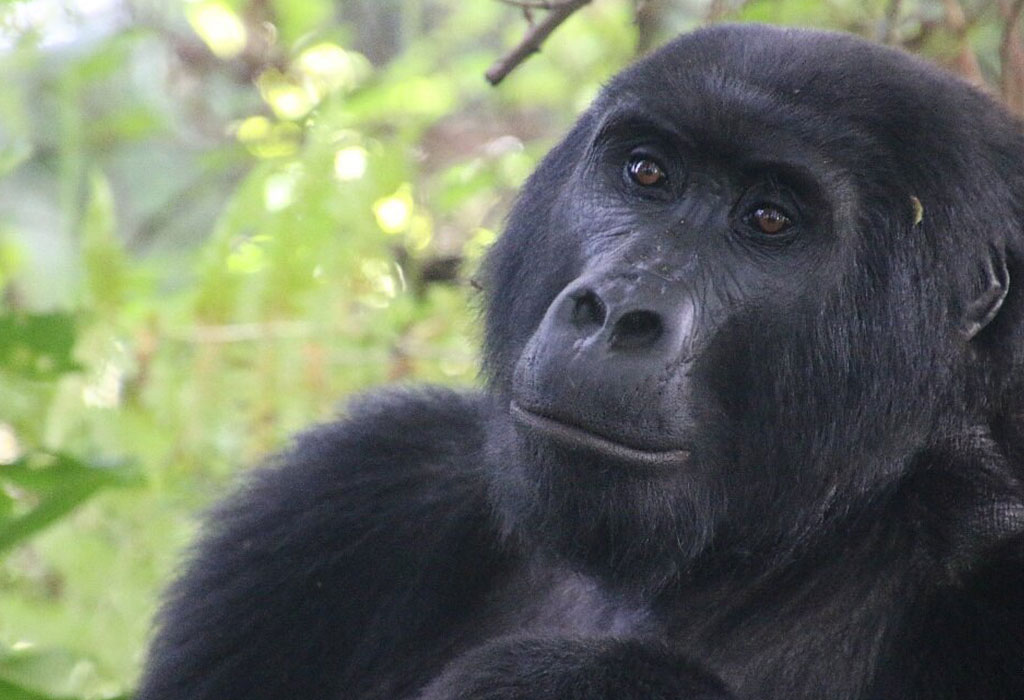
Uganda Gorilla Trekking Permit: Gorilla trekking in Uganda is one of the most exciting wildlife experiences in the world. However, before you head into the forest, you need to understand how permits work, what they cost, and what happens if your plans change. This guide covers everything you need to know before booking your gorilla safari in Uganda.
Can You Resell a Gorilla Permit?
Sometimes life gets in the way. Travellers book gorilla permits in Uganda and Rwanda, but then cannot make the trek due to unexpected events. The good news is that you can resell your gorilla permit in both Uganda and Rwanda. For example, if you bought a permit for June but cannot travel, you can resell it in July. However, you must provide enough proof to support the resale request.
How Much Does a Gorilla Permit Cost?
The gorilla trekking permit in Uganda costs $800 per person for foreign non-residents and $700 per person for foreign residents. East African citizens from Uganda, Kenya, Rwanda, Tanzania, Burundi, and South Sudan pay UGX 300,000 per person. The permit gives you one hour with a habituated gorilla family in either Bwindi Impenetrable National Park or Mgahinga Gorilla National Park.
For those who want a deeper experience, Bwindi also offers a gorilla habituation permit. This permit allows visitors to spend four hours with gorillas that are still going through the habituation process. The habituation permit costs $1,500 per person for foreign non-residents, $1,000 for foreign residents and other African citizens, and UGX 750,000 for East African citizens.
How to Book a Gorilla Permit
Booking a gorilla permit is straightforward. Contact a trusted tour operator and share the dates you want to trek. The operator checks permit availability and then asks for your passport details and other required information. They use these details to process your permit. Always book well in advance because permits sell out quickly, especially during the dry season.
What the Permit Includes
Your gorilla permit covers several important things. It gives you one hour with a habituated gorilla family, during which you can observe, photograph, and film them. A professional park ranger guide accompanies your group and shares detailed information about the gorillas and their habitat. Armed rangers and tourism police also join the trek to keep everyone safe. Park entry fees for Bwindi or Mgahinga, valid for 24 hours, are included in the permit cost.
However, the permit does not cover accommodation, meals, transport to and from the park, porter services, or tips for guides and rangers. You must arrange and pay for these separately.
Gorilla Habituation Experience
Visitors who want more time with the gorillas can choose the habituation experience in the southern sector of Bwindi. Unlike the standard one-hour trek, this experience gives you up to four hours with gorilla families that researchers are still training to accept human presence. At the end of the experience, you receive a certificate recognising your participation. Part of the permit fee also goes directly toward gorilla conservation and supports the Uganda Wildlife Authority staff.
Refund and Cancellation Policy
Uganda Wildlife Authority does not automatically refund cancelled permits. However, they consider refunds under specific conditions. The Executive Director of UWA is the only person who can approve a cancellation or refund. Your tour operator or you must submit a written request to the Executive Director. The Chief Warden must also confirm the reason for cancellation before any refund is processed.
If you fall ill or have an accident before the trek, UWA may approve a 50 percent refund. Double payments receive a full refund upon proof.
For other cancellations, the timing of your request determines how much you receive back. If you cancel within 14 days of the trek, you receive no refund. Cancellations made 15 to 45 days before the trek qualify for a 2 per cent refund. If you cancel 46 to 60 days before the trek, you receive a percentage refund. Cancellations made 61 or more days before the trek qualify for a percentage refund. All refunds exclude incidental costs such as bank charges and taxes that UWA has already paid.
It is also important to note that advance payments for park entry fees and other activities are non-refundable and cannot be moved to different dates, except for gorilla and chimpanzee trekking.
Is Gorilla Trekking Safe?
Yes, gorilla trekking in Uganda is safe. Park authorities, conservation organisations, and the government all work together to protect both visitors and gorillas. Rangers provide 24-hour security around the park, and cameras monitor key locations. Security checks take place at every park entrance. All visitors must follow strict guidelines during the trek.
The rules are simple but important. You must be at least 15 years old to trek. Keep a distance of at least seven meters from the gorillas at all times. Turn away and cover your mouth when you sneeze or cough. Never feed or touch the gorillas. Switch off your camera flash before taking photos. Carry all your rubbish out of the park. Speak quietly and stay calm around the gorillas. Always follow every instruction your guide gives you.
If you are older and find hiking difficult, sedan chairs carried by porters are available at an extra cost of between $500 and $600. This allows everyone to enjoy the experience regardless of physical ability.
What to Pack
Dress comfortably and prepare for changing forest conditions. Bring lightweight long-sleeved shirts and pants, a rain jacket, a warm sweater or fleece, and sturdy knee-length boots. Pack insect repellent, sunscreen, a hat, and gardening gloves to protect your hands in thick vegetation. Carry a refillable water bottle, a torch, binoculars, and a camera with extra batteries, memory cards, and lenses. Biodegradable wet wipes and toilet paper are also essential.
Best Time to Trek
Uganda Gorilla Trekking Permit. Gorilla trekking runs throughout the year, but the dry months of January, February, June, and early September offer the best conditions. Roads are easier to travel, trails are less slippery, and vegetation is thinner, which makes spotting gorillas much easier. The rainy seasons from March to May and October to November bring heavier rainfall and muddier trails. However, fewer tourists visit during this time, which means permits are easier to find.
Where to Stay
Bwindi has accommodation options for every budget. Luxury travellers can choose Sanctuary Gorilla Forest Camp, Clouds Mountain Gorilla Lodge, or Mahogany Springs Lodge. Mid-range visitors have great options like Buhoma Lodge, Silverback Lodge, and Rushaga Gorilla Havens Lodge. Budget travellers can stay at Buhoma Community Bandas or Bwindi View Bandas. Bwindi divides into four sectors, rs which are Buhoma, Rushaga, Ruhija, and Nkuringo, each with several accommodation choices to suit different preferences and budgets.





