

ANTHILL SAFARIS · UGANDA TRAVEL JOURNAL
Uganda Gorilla Trekking Adventure: Into the Heart of the Rainforest
Walk ancient forest trails, encounter mountain gorillas in their natural habitat, and discover why Uganda offers one of Africa’s most meaningful wildlife experiences.
There is a moment on a Uganda gorilla trekking adventure when the forest falls strangely quiet. You hear leaves shifting, a guide signals everyone to stop, and somewhere just beyond the tangled vegetation a mountain gorilla is feeding. The walk, the early start and the muddy boots suddenly make sense. You are not watching wildlife from a vehicle or through a fence. You are a visitor in the home of one of the world’s most remarkable primates.
Uganda’s mist-covered southwest protects mountain gorillas in two exceptional landscapes: Bwindi Impenetrable National Park and Mgahinga Gorilla National Park. Both offer carefully managed, ranger-led encounters with habituated gorilla families. The experience is thrilling, but its deeper appeal is the respect it encourages for wild animals, forest ecosystems and the communities living around the parks.
Whether you are planning a first wildlife holiday or building an extended East African itinerary, this guide explains where to go, what trekking day feels like, how to prepare and how to combine the experience with other adventures. For an even broader introduction, explore our complete Uganda gorilla trekking guide and Uganda gorilla safari tours.
Why Uganda is extraordinary for gorilla trekking
Uganda combines genuine rainforest immersion with a flexible range of journeys. One traveler might choose a compact three-day trip from Kigali; another may spend two weeks visiting savannah parks, lakes, villages and primate forests. The gorilla encounter becomes a highlight within a richer portrait of the country.
There is also a special sense of discovery here. Bwindi’s ridges and valleys are dense with ferns, hardwoods and climbing plants, while Mgahinga’s volcanic slopes feel open and dramatic in places. You may hear birds overhead, notice fresh signs of forest elephants, or see monkeys moving between branches. The search for gorillas is part of the adventure—not simply a transfer to a predetermined viewing spot.
If you are deciding between countries, our Bwindi versus Volcanoes National Park comparison and Rwanda gorilla trekking guide explain how the experiences differ.

Where to go: Bwindi or Mgahinga?
Bwindi Impenetrable National Park
Bwindi Impenetrable National Park is the best-known gorilla trekking destination in Uganda. The forest spreads across steep hills and valleys, with several trekking sectors that serve different lodge locations and travel routes. Its four principal sectors are Buhoma, Ruhija, Rushaga and Nkuringo. Each has its own access arrangements, views and character.
Buhoma is an established entry point with a broad choice of accommodation and nearby community activities. Read our Buhoma trekking guide for planning ideas. Ruhija is prized for its forest atmosphere and birding potential. Rushaga offers a range of trekking opportunities and is strongly associated with the gorilla habituation experience; our Rushaga guide explains more. Nkuringo is famous for dramatic highland scenery and can involve challenging terrain.
No sector guarantees an easy hike or a particular gorilla sighting distance. Groups move daily, and trekking difficulty depends on where the animals travel. Choosing the right lodge near your allocated briefing point matters far more than booking a lodge elsewhere in the park just because it looks attractive. Our guide to Bwindi sectors for two treks can help travelers planning multiple encounters.
Mgahinga Gorilla National Park
Mgahinga Gorilla National Park sits on the slopes of the Virunga volcanoes near Uganda’s borders with Rwanda and DR Congo. It offers a different setting from Bwindi: bamboo zones, volcanic scenery and expansive mountain views. Gorilla trekking here is particularly appealing if your itinerary includes Kisoro, Lake Mutanda or a cross-border route.
Mgahinga also provides opportunities for golden monkey tracking, making it attractive for primate enthusiasts who want two distinctly different encounters. Permit availability and itinerary logistics should be checked before confirming accommodations.

What happens on a gorilla trekking day?
Your day usually begins with an early breakfast followed by a drive to the assigned park briefing point. Rangers check permits, explain health and safety rules, and allocate visitors to groups. You then travel to the trailhead if necessary and begin hiking with trained guides and trackers. A porter can help carry your daypack and offer a steadying hand on slippery ground.
The walk may take an hour or several hours, crossing steep slopes, muddy paths and areas of dense undergrowth. Trackers use their knowledge of the gorillas’ recent movement, feeding signs and resting places. The pace can be slow, but the route is rarely predictable. This is part of what makes the encounter so authentic.
When your group reaches the gorillas, the ranger determines where visitors should stand and how to observe without disturbing the animals. A silverback might rest quietly, juveniles might play, and adults may forage nearby. Standard trekking permits allow up to one hour of observation once the gorillas are located. Keep your voice low, avoid flash photography, follow ranger instructions and never attempt to touch a gorilla.
After the encounter, you walk back out of the forest and return to your lodge. It is often a surprisingly emotional day, full of small details that no photograph can fully capture. See our step-by-step trekking day overview and first-timer advice to know what to expect.

Uganda gorilla trekking permits and costs
A gorilla permit is required for every visitor and must be secured for a specific date and park arrangement. As a working guide for 2026, standard Uganda gorilla trekking permit rates include US$800 for foreign non-residents, US$700 for foreign residents and US$500 for eligible Rest of Africa visitors; East African Community citizens have a separate Ugandan-shilling rate. Eligibility and the applicable price depend on official documentation. Rates may be updated, so always reconfirm them before making payment.
For qualifying low-season dates in April, May and November 2026, discounted prices may apply to certain visitor categories, subject to the permit conditions and availability. These discounted permits can carry stricter rules, including non-reschedulability. Trekking is generally limited to visitors aged 15 years and over, and a habituated family usually receives no more than eight trekking visitors per day.
For current booking steps, documentation and category details, read our gorilla permit guide, permit booking walkthrough and low-season permit explainer. Permits are only one part of the overall safari price; accommodation, transport, guiding, meals and optional activities also affect the quote.
When is the best time to travel?
Uganda’s mountain forests can be visited throughout the year. June to September and December to February are frequently favored for comparatively drier conditions, though showers can occur in any month. With less rain, trails may be easier underfoot and travel logistics more straightforward. These periods are popular, so early planning is important.
March through May and October through November often bring heavier rainfall, lush green vegetation and a quieter atmosphere. The forest is beautiful in these months, but tracks can be slippery and transfers may take longer. Weather also changes with elevation, so a bright morning does not eliminate the need for rain protection.
Choose dates according to your fitness, budget and wider safari priorities rather than expecting a completely dry trek. Our best time for gorilla trekking guide and November trekking overview provide further seasonal context.
How difficult is the hike—and how should you prepare?
You do not need to be an athlete to enjoy gorilla trekking, but a reasonable level of fitness is valuable. Expect changing elevations, roots, uneven ground, muddy steps and humid conditions. Before travel, regular walking on hills and uneven surfaces can make the experience much more comfortable. If mobility or stamina is a concern, tell your operator in advance so the park team can consider practical arrangements where available.
Pack waterproof hiking boots with good grip, long trousers, a long-sleeved shirt, gardening gloves, a rain jacket, drinking water and a small daypack. Gaiters and a walking stick can be helpful. A local porter is strongly recommended; the service is practical and creates direct economic opportunities for nearby communities.
Use our detailed gorilla trekking packing checklist, gorilla trekking advice for seniors and fitness preparation guide to tailor your preparation.

How to reach Uganda’s gorilla trekking forests
Travelers arriving through Entebbe typically drive southwest across Uganda, often breaking the journey with another destination. Depending on the exact lodge and road conditions, the journey to Bwindi is commonly around eight to ten hours or more. See our Entebbe-to-Bwindi travel guide for route options.
Another popular choice is to fly into Kigali in Rwanda and travel by road across the border to southern Bwindi or Mgahinga. The driving portion can be approximately four to six hours or longer, depending on the sector, border formalities and traffic. Our Kigali-to-Bwindi planning guide helps explain when this route makes sense.
For a more comfortable transfer within Uganda, scheduled or charter flights can connect Entebbe with airstrips near Bwindi, followed by a road journey to the lodge. The correct airstrip depends on your sector. Travelers seeking this option can explore our fly-in gorilla safari guide. International passport, visa and entry requirements should always be checked for the specific route.
Extend your adventure beyond the gorillas
A gorilla trek can be the centerpiece of a longer wildlife journey. Many visitors travel north to Queen Elizabeth National Park for game drives, the Kazinga Channel boat cruise and the possibility of spotting tree-climbing lions in Ishasha. Others include chimpanzee trekking in Kibale Forest to observe a second great ape species with a very different social character.
After demanding forest walks, the peaceful islands and hills around Lake Bunyonyi provide a relaxing contrast. For more adventurous guests, golden monkey tracking in Mgahinga or cultural experiences around Bwindi can add variety. Seek experiences that are community-led and respectful, and ask how tourism fees benefit the people involved. Browse our Uganda safari activity ideas to combine the highlights thoughtfully.

Suggested Uganda gorilla trekking itineraries
Quick gorilla escape
Travel via Kigali for a focused gorilla trekking experience with one unforgettable forest encounter.
Primates and rainforest
Combine a gorilla trek with Kibale chimpanzee tracking, forest scenery and comfortable lodges.
Uganda wildlife discovery
Add Queen Elizabeth National Park, savannah game drives and scenic southwest Uganda.
Choosing accommodation for a restful safari
Accommodation is more than a place to sleep between activities. A thoughtfully positioned lodge can make your early morning start much easier, while comfortable surroundings give you space to absorb the excitement of the trek. In Bwindi, it is especially important to match the lodge to the sector named on your permit. Staying in a different sector can mean a long and sometimes difficult journey before the ranger briefing.
Travelers can choose from simple community camps and welcoming midrange properties to beautifully appointed forest lodges with panoramic views. Some lodges sit on forest edges, while others overlook cultivated hillsides or nearby lakes. Budget travelers may prioritize value and access to the trailhead; honeymooners may prefer privacy, fireside dining and scenic rooms; photographers might want an extra night so that the schedule is not rushed.
Our recommendation is to allow at least two nights in the gorilla trekking area when possible. Arriving the day before helps you recover from the journey, meet your guide, organize your equipment and sleep well. After the trek, an unhurried evening offers time to rest rather than immediately beginning another lengthy drive. Add a third night if you would like a forest walk, community visit or second gorilla encounter.
When evaluating a lodge, ask about the actual driving time to the briefing point, meal arrangements for early departures, the availability of packed lunches and whether the access road is suitable for your vehicle. Explore budget lodges near Bwindi for additional ideas before choosing your preferred level of comfort.
Gorilla trekking or gorilla habituation?
A standard gorilla trek provides up to one hour with a habituated family after it has been located. Gorilla habituation, offered in designated parts of Bwindi when available, is a more extended experience involving up to four hours of observation with a gorilla group undergoing habituation. It has a smaller visitor allowance and a substantially higher permit cost.
The habituation option can appeal to passionate wildlife observers, photographers and repeat visitors, but the time in the forest can be demanding and the experience is not a guarantee of particular behaviors. Decide based on your interests and physical readiness, then check current rules and official permit rates.
For a closer comparison, read about the gorilla habituation experience and habituation permit pricing and availability.
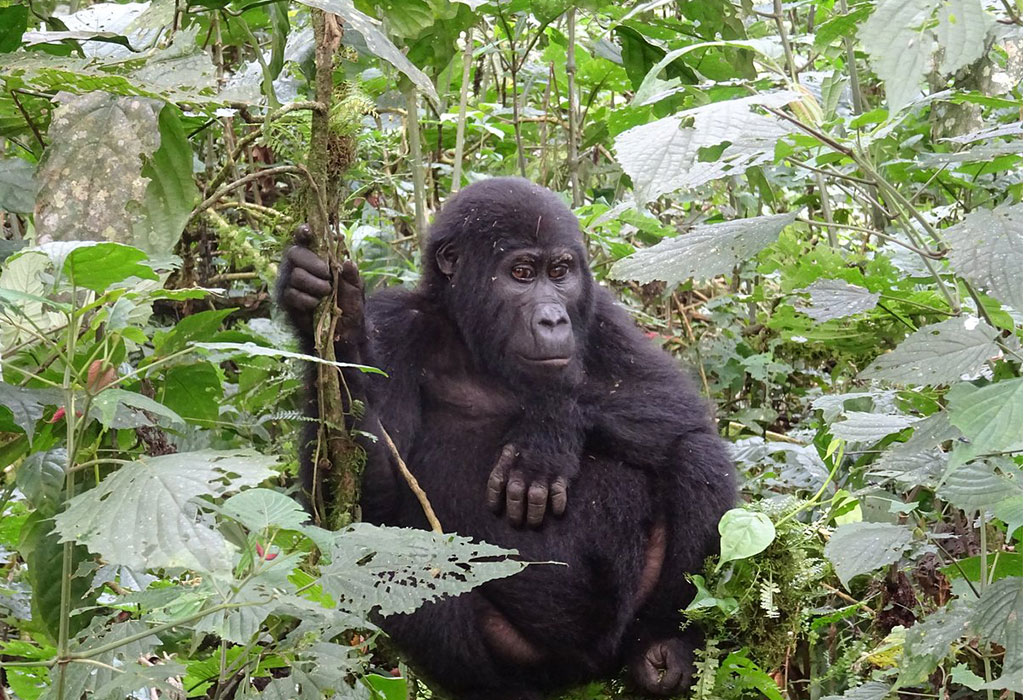
Responsible trekking helps protect mountain gorillas
Mountain gorillas are a conservation success story built on decades of protection, veterinary care, habitat management and community engagement. Tourism contributes to that work when carefully regulated. Every visitor has a responsibility to follow the guidance of rangers, avoid littering, respect local people and choose experiences that benefit the destination.
Always maintain the distance directed by park staff; gorillas may approach of their own accord, but visitors should not approach or touch them. Never feed wild animals, use a flash, or leave the group to seek a better photograph. If an animal behaves unexpectedly, remain calm and let your ranger lead. The goal is an intimate yet low-impact experience in which wildlife remains wild.
Booking with an experienced local operator also helps coordinate permits, realistic transfer times and sector-specific accommodation. Good planning reduces unnecessary driving, avoids stressful early mornings and allows space for weather or changing forest conditions.
Frequently asked questions about Uganda gorilla trekking adventure
Will I definitely see gorillas?
Sightings are highly likely on managed treks, but gorillas are wild animals and no sighting can be absolutely guaranteed.
How close can visitors get to the gorillas?
Stay at the minimum distance set by the ranger and never approach or touch gorillas. The park team may adjust your position to protect the animals and visitors.
Can children join a trek?
Standard gorilla trekking in Uganda has a minimum age of 15 years. Families with younger children can consider other age-appropriate activities.
Can I do gorilla trekking in one day?
A one-day excursion may be possible in specialized circumstances depending on flights, location and permits, but most visitors benefit from a multi-day itinerary with at least one night near the park.
Should I book a porter?
Yes. Porters can carry your bag and help on difficult trails, while also creating direct local employment.
How soon should I book?
Reserve early, especially for peak-season travel or if you need a particular date and trekking sector. Gorilla permits are limited.
For answers to more practical questions, visit our comprehensive gorilla trekking FAQs and Uganda safari planning FAQs.
YOUR GORILLA ADVENTURE STARTS HERE
Meet the mountain gorillas of Uganda
Tell Anthill Safaris your preferred travel dates, group size and comfort level. We will help plan the route, check permit arrangements and design a journey around your interests.


