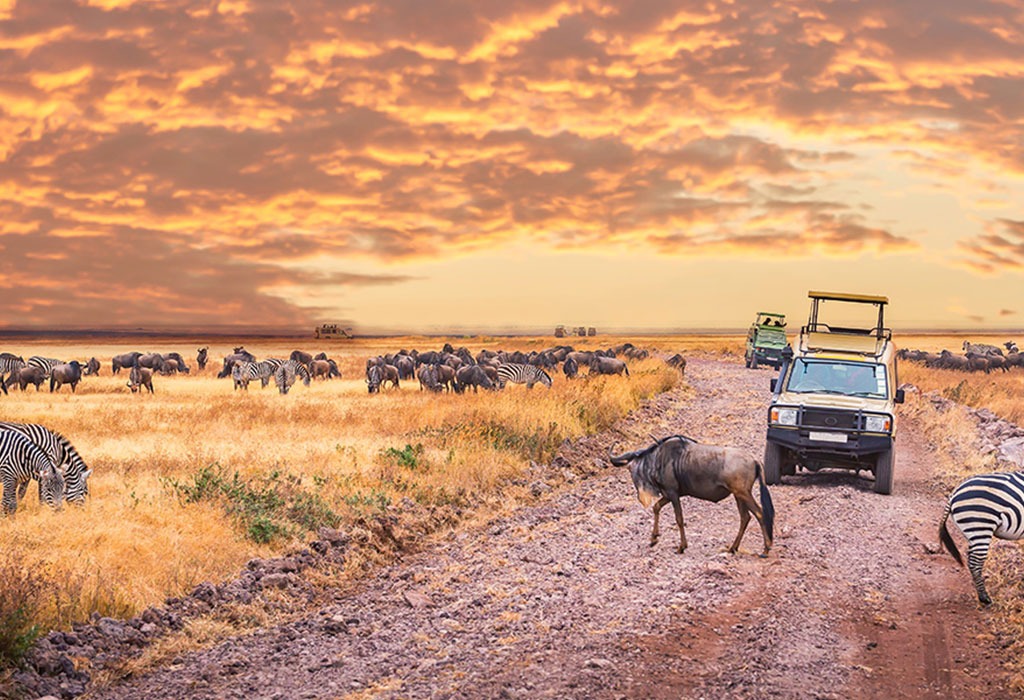
Things to know before visiting Tanzania: Before you go on a Tanzania safari or any other African country, you should know a few things to make sure you have a safe and stress-free safari. Tanzania is a beautiful part of Africa that has a lot to offer tourists from other countries. Still, it helps to know ahead of time where to go, what to expect when you get there, and how to stay safe on the ground, from health standards that must be met to safety measures.
Visa.
Most people from outside Tanzania who go there for work or pleasure need to get a visa. Tanzania does let some foreigners (mostly from Africa and Asia) visit for up to three months without a visa. But unless they are from Kenya, Uganda, Burundi, or Rwanda, they still have to get an entry permit.
Visa requirements: Australia, the United Kingdom, and Canada can pay USD 50 to get a visa when they arrive. For USD 100, US citizens can get a visa upon landing that allows them to enter and leave the country more than once. For the most up-to-date information, all nationalities should contact their consulate.
Volunteering is against the law for people with tourist visas, even if they pay for the experience.
Bucket List Destination
Tanzania is East Africa’s top bucket list destination for safari wildlife and Beach holidays. Many of the region’s most visited Safari destinations are located in Tanzania. These include Serengeti National Park, Zanzibar, the Ngorongoro Crater, Tarangire, Nyerere, and Ruaha National Parks.
Northern Tanzania is the most visited of all, and this means it gets so busy and lodges get fully booked. Tanzania is among the countries in East Africa with the highest bed capacity, but still, lodges get fully booked. Some Tanzania Discovery Journeys, like the wildebeest migration adventures, are often crowded during the peak season. The high tourist numbers in the north do not deny you the ultimate safari experience you paid for.
Southern Tanzania is less crowded when compared to the north and also has some of the largest national parks. These include Nyerere National Park, which is the region’s largest protected area. Nyere, which is formally Selous, is home to the savanna’s finest wildlife, including the rare wild dogs.
Zanzibar Island is fairly popular for honeymooners, and some resorts also get fully booked. You should,d therefore, bear all these in mind when in your initial preparation for your Tanzania Discovery Journeys. It guides you to the best destinations to visit depending on your adventure preferences.
Language.
About 2,000 different languages are used in Africa. That’s a third of all the languages spoken on Earth. This is because the land has changed over millions of years, and its environment has changed (Source). Tanzania has 26 official languages, but don’t worry, one of them is English, which is widely spoken.
Money.
Things To Know Before Visiting Tanzania: The currency of Tanzania is the Tanzanian Shilling. The currency of Tanzania is the shilling (TZS), and there are no smaller amounts. The average currency rate for individuals arriving from the United Kingdom is TZS 2000/1 UK pound, and the exchange rate for a dollar was TZS 1400/1 US dollar as of November 2010. Please inquire about current rates at the time of your travel.
It takes longer to change money at a bank than at a bureau de change. Make sure the dollars you bring aren’t from the year 2000 series.
Health and Vaccinations in Tanzania.
Things To Know Before Visiting Tanzania. Malaria is the disease that most travelers to Africa fear the most, and you might be one of them, right? If you are worried about Malaria, you should talk to your doctor and get antimalarial drugs before you go on a safari. Also, bring a good bug repellent (preferably a DEET spray) with you. All of the places you will stay will have mosquito nets over your beds, and before you go to sleep at night, the rooms will be sprayed with bug repellents.
Although the yellow fever vaccination is no longer needed for entry into Tanzania, many doctors will still recommend it as a preventative step due to the disease’s endemicity in surrounding countries such as Kenya. Let’s say you are going to Tanzania from a place where yellow fever is common. You must carry a valid yellow fever vaccination certificate when entering Tanzania. This also applies to anyone who has spent more than 12 hours transiting through a country where yellow fever is common, such as Kenya or Ethiopia.
Tanzania Safari Packing List
Packing the right items for safari is important when taking on Tanzania Discovery Journeys or any other safari adventures. Tanzania lies within the tropics and has incredible weather throughout the year. Even during the wet season, the rays of sunshine, and you, therefore, I recommend packing light clothes for your safari.
Some areas in Tanzania, like the Ngorongoro Crater, have their temperatures drop during the night. You can always carry a sweater or a warm poncho, and a scarf to keep warm.
You can always have both open and closed shoes. The closed shoes are suitable for hiking and nature walks, while the open shoes are ideal for relaxing in. It is recommended to carry extra batteries for the camera since Tanzania Discovery Journeys are a blast and full of photography moments. Mosquito repellants and sunscreen are also good to have a long.
Tanzania is an iconic safari destination that offers unforgettable wildlife experiences. Beyond its borders, you can also explore incredible adventures like gorilla trekking tours in Rwanda.
Best time to visit Tanzania.
Things To Know Before Visiting Tanzania. Seasons play a major role in shaping your Tanzania safari experience, so research the best time to visit before you book. Planning ensures you arrive at the right moment for the wildlife encounters and activities you care about most.
Safaris: The optimum months for game safaris are January-March for the baby season and June-September for the end of the wet season.
Kilimanjaro Treks: The climb can be done at any time of year, even if the rainy season runs from March to May.
Birdwatching: The best months to go birdwatching are October through April.