
Solo Traveler’s Guide to Gorilla Trekking in Uganda
Gorilla trekking in Uganda offers solo travelers one of Africa’s most extraordinary wildlife adventures. Imagine walking through an ancient rainforest, surrounded by towering trees and birdsong, before encountering a family of endangered mountain gorillas. Watching a powerful silverback resting peacefully while young gorillas play nearby creates memories that remain vivid for a lifetime. For independent adventurers, this experience combines personal freedom, extraordinary wildlife and the reassurance of professional park guides.
Many travelers assume that visiting remote African national parks requires a companion or an expensive private safari. Fortunately, solo gorilla trekking is entirely possible with proper planning. Uganda has established trekking operations, experienced rangers, welcoming accommodations and transportation options suitable for independent visitors. Whether you prefer an affordable shared safari or a comfortable private journey, you can organize an unforgettable adventure around your own schedule and interests.
This comprehensive guide explains how to plan gorilla trekking in Uganda, choose between Bwindi and Mgahinga, secure Uganda gorilla trekking permits, organize transportation, select accommodation, prepare for challenging terrain and manage your travel budget. It also offers practical advice for arranging a memorable solo traveler gorilla safari without unnecessary stress or expense.
Quick planning essentials
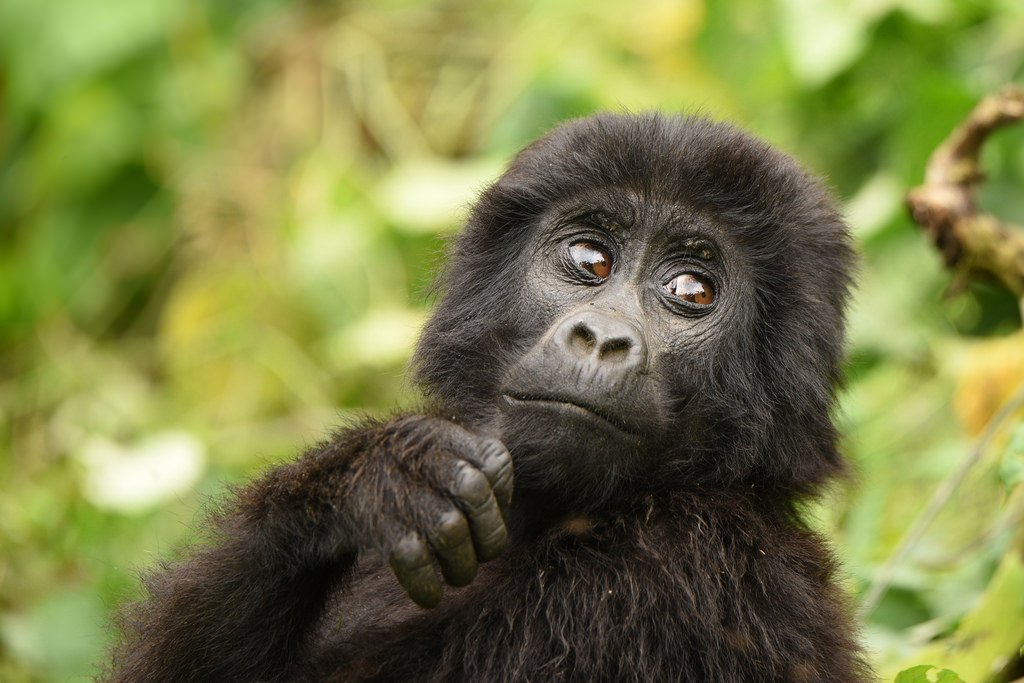
Best destinations: Bwindi Impenetrable National Park and Mgahinga Gorilla National Park. Standard foreign non-resident permit: USD 800, with eligible low-season discounts. Minimum trekking age: 15 years. Standard gorilla encounter: up to one hour. Recommended trip length: three to five days. Popular trekking months: June–August and December–February. Solo travelers join ranger-led groups rather than entering the forest alone.
1. Why Choose Gorilla Trekking in Uganda as a Solo Traveler?
Choosing gorilla trekking in Uganda gives independent travelers access to one of the world’s most important mountain gorilla habitats. The country’s protected forests support established tourism activities that allow visitors to observe habituated gorilla families under carefully controlled conditions. Unlike independent wilderness hiking, trekking takes place with trained guides and trackers who understand gorilla behavior, mountain terrain and national park regulations.
One advantage of solo gorilla trekking is that you do not need to organize a private trekking group. The park assigns individual visitors to small groups for the activity. That creates an opportunity to meet people from different countries while preserving the independence of the wider holiday. You might begin your journey alone but find yourself sharing the excitement of a gorilla encounter with several new friends.
A solo traveler gorilla safari also provides flexibility. You can spend additional days photographing landscapes, visit local communities, extend your journey to Lake Bunyonyi or continue toward Queen Elizabeth National Park. Travelers seeking wider inspiration can explore gorilla trekking in Uganda and Rwanda to understand how different destinations fit together.
Independent travel does require more attention to logistics. You are responsible for ensuring your permit, accommodation and transport arrangements match. Fortunately, an established safari operator can coordinate these details while leaving you free to enjoy the journey independently. The important distinction is between traveling alone and attempting to trek without official guides. The latter is not permitted.
2. Best Places for Gorilla Trekking in Uganda
Bwindi Gorilla Trekking: Uganda’s Leading Destination
Bwindi gorilla trekking is the most popular choice for visitors planning gorilla trekking in Uganda. Located in southwestern Uganda, Bwindi Impenetrable National Park is a UNESCO World Heritage Site characterized by exceptionally rich biodiversity, ancient rainforest and steep mountain slopes. The park contains numerous habituated mountain gorilla families, giving travelers a wider choice of trekking dates and sectors than smaller gorilla destinations.
The main advantage of Bwindi gorilla trekking is flexibility. Four established trekking sectors serve different parts of the forest: Buhoma, Ruhija, Rushaga and Nkuringo. Each sector offers different accommodation, access routes and landscapes. Before booking your lodge, review the gorilla sectors in Bwindi and identify the area corresponding to your permit.
Buhoma is particularly attractive for travelers who appreciate established tourism infrastructure and a varied choice of lodges. Ruhija offers a quieter highland environment, with rewarding opportunities for birdwatching. Rushaga is important for both standard gorilla tracking and the habituation experience. Nkuringo delivers remarkable scenery but may involve physically demanding terrain. None of these sectors guarantees an easy trek because gorilla families move freely through their natural environment.
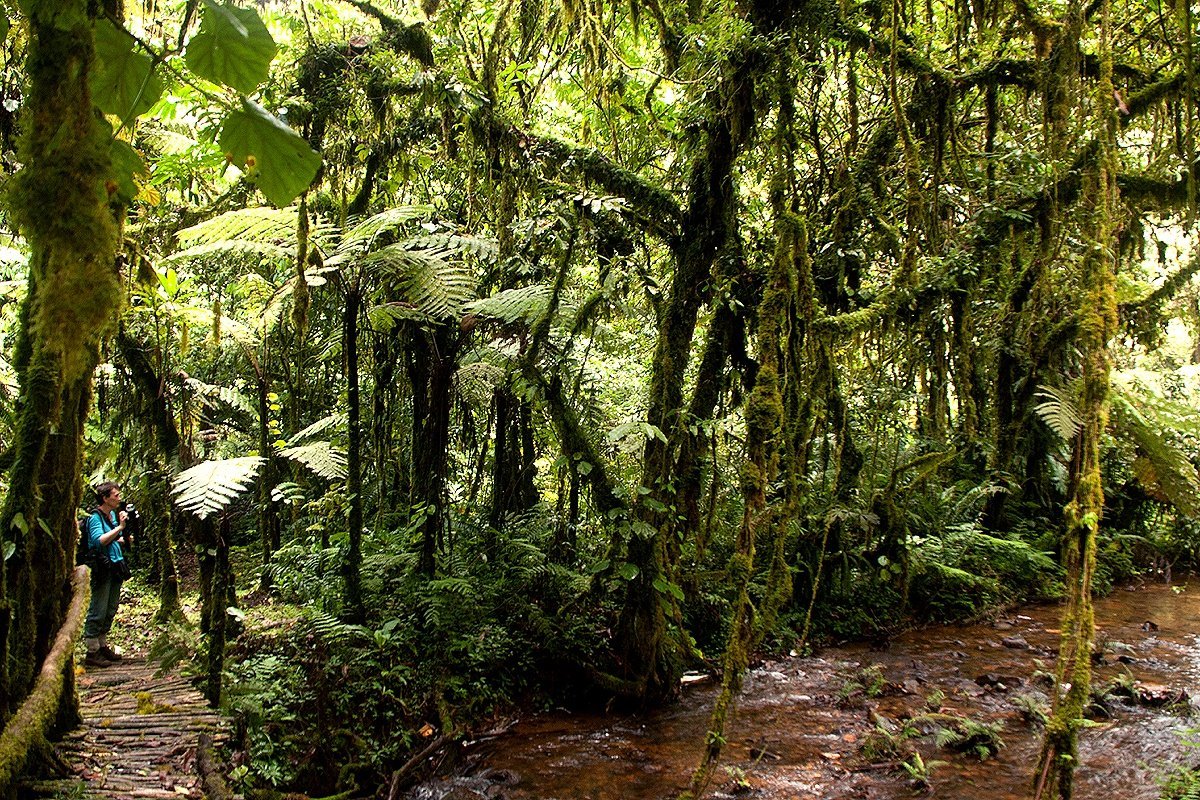
For first-time visitors, Bwindi gorilla trekking is usually the most practical recommendation because the park offers more choices for accommodation and permit allocation. A well-designed solo traveler gorilla safari begins by selecting a trekking sector and then finding a lodge within reasonable transfer distance. Booking accommodation in the wrong sector can create several hours of unnecessary travel on the morning of your trek.
Mgahinga Gorilla National Park: A Quieter Alternative
Travelers seeking fewer visitors and spectacular volcanic scenery should consider Mgahinga Gorilla National Park. Situated near Uganda’s borders with Rwanda and the Democratic Republic of Congo, this protected landscape forms part of the Virunga mountain ecosystem. Its bamboo forests and dramatic volcanoes offer a setting that feels different from the ancient rainforest of Bwindi.
Mgahinga is associated with the habituated Nyakagezi gorilla family. Because trekking capacity is limited, permits should be confirmed before finalizing accommodation and transportation. Although mountain gorillas are not confined by international political boundaries, the Nyakagezi group has been regularly tracked within Mgahinga for many years. Visitors interested in this experience can learn about tracking the Nyakagezi gorilla family.
Mgahinga can make solo gorilla trekking especially rewarding for hikers who want additional mountain activities. Golden monkey tracking, guided forest walks and volcano hikes can turn a short gorilla encounter into a longer exploration of southwestern Uganda. However, a traveler looking for the broadest permit availability will generally find Bwindi gorilla trekking easier to organize.
3. Uganda Gorilla Trekking Permits: Prices and How to Book
Uganda gorilla trekking permits are essential for every visitor participating in a standard mountain gorilla trek. The Uganda Wildlife Authority regulates these permits to manage visitor numbers, protect gorilla families and support conservation activities. A permit is issued for a particular trekking date and park arrangement. It cannot be replaced by a general national park entrance ticket.
For the current standard tariff, Uganda gorilla trekking permits cost USD 800 for foreign non-residents, USD 700 for foreign residents, USD 500 for citizens from the rest of Africa and UGX 300,000 for eligible East African citizens. These categories depend on official eligibility requirements, so travelers should confirm their classification before paying. More detail is available in the guide to gorilla trekking permits in Uganda.
| Visitor category | Standard permit |
|---|---|
| Foreign non-resident | USD 800 |
| Foreign resident | USD 700 |
| Rest of Africa | USD 500 |
| East African citizen | UGX 300,000 |
Tariffs are subject to official changes and permit availability. Confirm the applicable price when booking.
One useful option for budget-conscious travelers is the discounted low-season tariff. Eligible foreign non-residents can obtain standard permits at USD 600 during April, May and November, subject to published conditions. These discounted bookings can have stricter rescheduling rules, so the saving should be weighed against travel flexibility. A visitor with uncertain dates may prefer the standard tariff rather than risking a non-changeable booking.
Booking Uganda gorilla trekking permits three to six months in advance is sensible for popular travel periods. Securing a permit earlier can be especially helpful for solo gorilla trekking because you may want to coordinate the gorilla date with a shared departure or another group’s existing itinerary. Review online gorilla permit booking procedures and confirm all payment instructions through an authorized provider.
Gorilla Habituation Experience and 2027 Prices
Travelers who want additional time observing mountain gorillas may consider the gorilla habituation experience in southern Bwindi. This specialist activity can provide up to four hours with a gorilla family undergoing habituation, rather than the standard one-hour observation period. The additional time makes it attractive to wildlife photographers and dedicated primate enthusiasts. Learn more about the gorilla habituation experience before deciding whether the higher cost fits your priorities.
The foreign non-resident habituation price is USD 1,500 until December 31, 2026, with a scheduled increase to USD 1,800 from January 1, 2027. Other residency categories also have their own tariffs. While standard Uganda gorilla trekking permits are the natural choice for most first-time visitors, the habituation experience can justify its premium for travelers seeking longer observation opportunities.
Secure Your Gorilla Trekking Date
Avoid booking accommodation in the wrong sector. Confirm suitable gorilla trekking permits and build your route around the right park entrance.
4. How to Reach Bwindi for a Solo Traveler Gorilla Safari
Most travelers begin their solo traveler gorilla safari at Entebbe International Airport. From Entebbe or Kampala, reaching southwestern Uganda by road generally requires most of a day. Driving time depends on traffic, weather, road conditions and the specific trekking sector. A route to Buhoma will differ from one leading to Rushaga or Nkuringo, so the park sector should determine your final approach.
For solo gorilla trekking, private transport offers convenience but can increase costs because a vehicle and driver are paid for by one visitor. Scheduled group departures can reduce this problem. Ask whether your travel dates match an existing safari departure or whether a shared transfer is available. Avoid relying on an unconfirmed vehicle share at the last moment, especially when your permit cannot be moved easily.
Travelers considering public transport can use buses toward regional towns before arranging local transfers. This approach costs less but takes more planning and requires additional connections. If you prefer a private road journey, consult guidance on getting to Bwindi Impenetrable Forest and confirm a realistic route with your driver.
Domestic Flights to Kihihi or Kisoro
Domestic flights can make gorilla trekking in Uganda more practical for travelers with limited time. Flights to Kihihi are useful for Buhoma and some northern Bwindi itineraries. Kisoro is important for southern Bwindi and Mgahinga. Both airstrips require onward road transfers, so the exact lodge location matters. A fly-in safari to Bwindi can substantially reduce driving time.
Flights are generally more expensive than sharing a vehicle, but they can be worthwhile for a short solo traveler gorilla safari. Instead of spending two exhausting days on the road, you may have more time for nature walks, cultural activities or photography. Check luggage limits carefully, particularly if you are travelling with professional camera equipment.

Entering Uganda Through Kigali
Kigali, Rwanda, can offer a convenient alternative gateway for travelers focusing on southern Bwindi or Mgahinga. However, the journey involves an international border crossing, and travel time varies according to immigration formalities and the final destination. A short road distance does not automatically mean a simpler trip. The best approach depends on your nationality, visa arrangements, flight connections and trekking sector.
For a short gorilla-focused visit, comparing Uganda and Rwanda access arrangements can make a meaningful difference to the itinerary. Independent visitors may explore a gorilla tracking journey from Kigali, although allowing additional time near the park is usually more relaxing than attempting a demanding same-day schedule.
5. Where to Stay During Bwindi Gorilla Trekking
Choosing accommodation is an important part of planning Bwindi gorilla trekking. Budget lodges and community rest camps can provide affordable rooms, home-cooked meals and an opportunity to meet fellow visitors. Mid-range properties usually add better room amenities and more personalized service. Luxury forest lodges offer comfortable surroundings and memorable views, although single-occupancy charges can make them expensive for independent travelers.
For solo gorilla trekking, location should take priority over decorative luxury. A lodge close to the correct briefing point makes the trekking morning less stressful. Selecting accommodation across the park from your sector can result in a very early departure and expensive transportation. Compare the guide to where to stay for gorilla trekking in Bwindi before confirming a room.
The best accommodation for a solo traveler gorilla safari is not necessarily the cheapest. Consider whether the lodge provides meals, transport assistance, a communal dining area, reliable electricity and staff who can coordinate early departures. It is also useful to ask whether the lodge can arrange a porter, packed lunch or local excursion. Staying two nights around the trekking date gives you time to settle in and rest afterward.
Buhoma has a broad selection of established lodges, while Rushaga and Nkuringo offer accommodation close to southern Bwindi experiences. The ideal choice depends on the gorilla permit rather than a generalized hotel ranking. If you are working within a tight budget, it is better to choose a modest lodge in the correct sector than a discounted property requiring a lengthy additional transfer.
6. What to Pack for Gorilla Trekking in Uganda
Packing correctly makes gorilla trekking in Uganda safer, more comfortable and less physically exhausting. Mountain forests can be wet, cool and muddy even during drier seasons. The terrain may include slippery roots, steep slopes, dense vegetation and narrow forest paths. Lightweight clothing suitable for walking is far more useful than fashionable safari outfits.
Strong waterproof hiking boots are essential for Bwindi gorilla trekking. Choose footwear with reliable grip and supportive soles, and break it in before your trip. Long trousers and long sleeves help protect against scratches, insects and stinging vegetation. Gardening-style gloves can be useful when holding vegetation for balance. For more detailed guidance, review what to wear on a gorilla trek.
Carry a waterproof rain jacket or poncho, drinking water, a packed lunch, insect repellent, sunscreen and essential personal medication. A lightweight backpack is preferable to an oversized hiking bag. Protect cameras and mobile phones using waterproof covers or dry bags. If you are concerned about footwear selection, this overview of gorilla trekking boots provides additional preparation advice.
Photography is an exciting part of a solo traveler gorilla safari, but carrying excessive equipment can make difficult hiking less enjoyable. A camera with a medium telephoto zoom is useful, while smartphones can capture excellent images under suitable lighting. Flash photography is prohibited around gorillas. Pack spare batteries, memory cards and protection against moisture because rainforest conditions can affect electronic equipment.
7. What Happens During a Solo Gorilla Trek?
Morning Briefing and Trekking Group Allocation
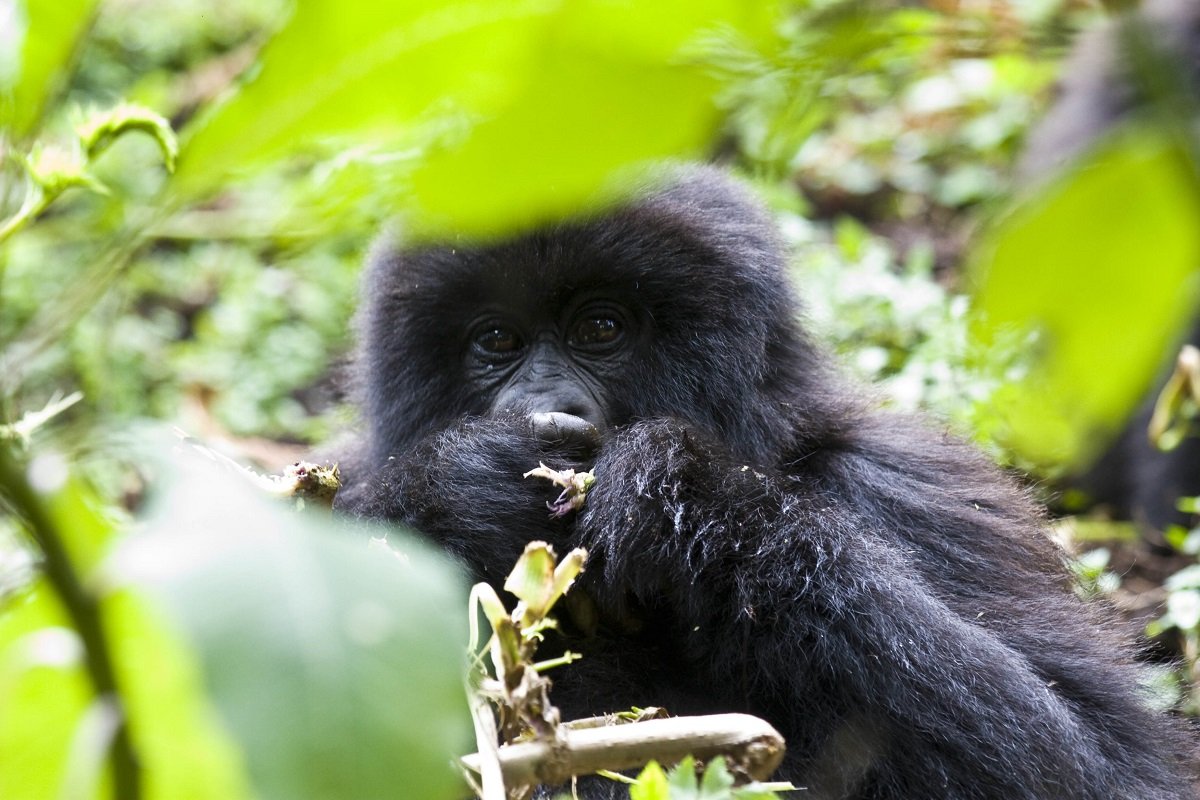
Your solo gorilla trekking experience begins at the designated park briefing point. Rangers explain safety regulations, gorilla behavior, forest conditions and the trekking procedure. Visitors are assigned to groups before heading into the forest. Solo participants join other travelers, making the activity naturally social. Depending on the gorilla family’s location, the hiking portion may be relatively short or physically demanding.
Professional trackers help the ranger team locate habituated gorilla families. They interpret signs such as feeding remains, movement trails and recent nesting areas. The route follows the animals rather than a permanently fixed tourist circuit. This unpredictability is part of what makes gorilla trekking in Uganda authentic. You are visiting wildlife in a protected natural habitat rather than attending a scheduled animal presentation.
The One-Hour Mountain Gorilla Encounter
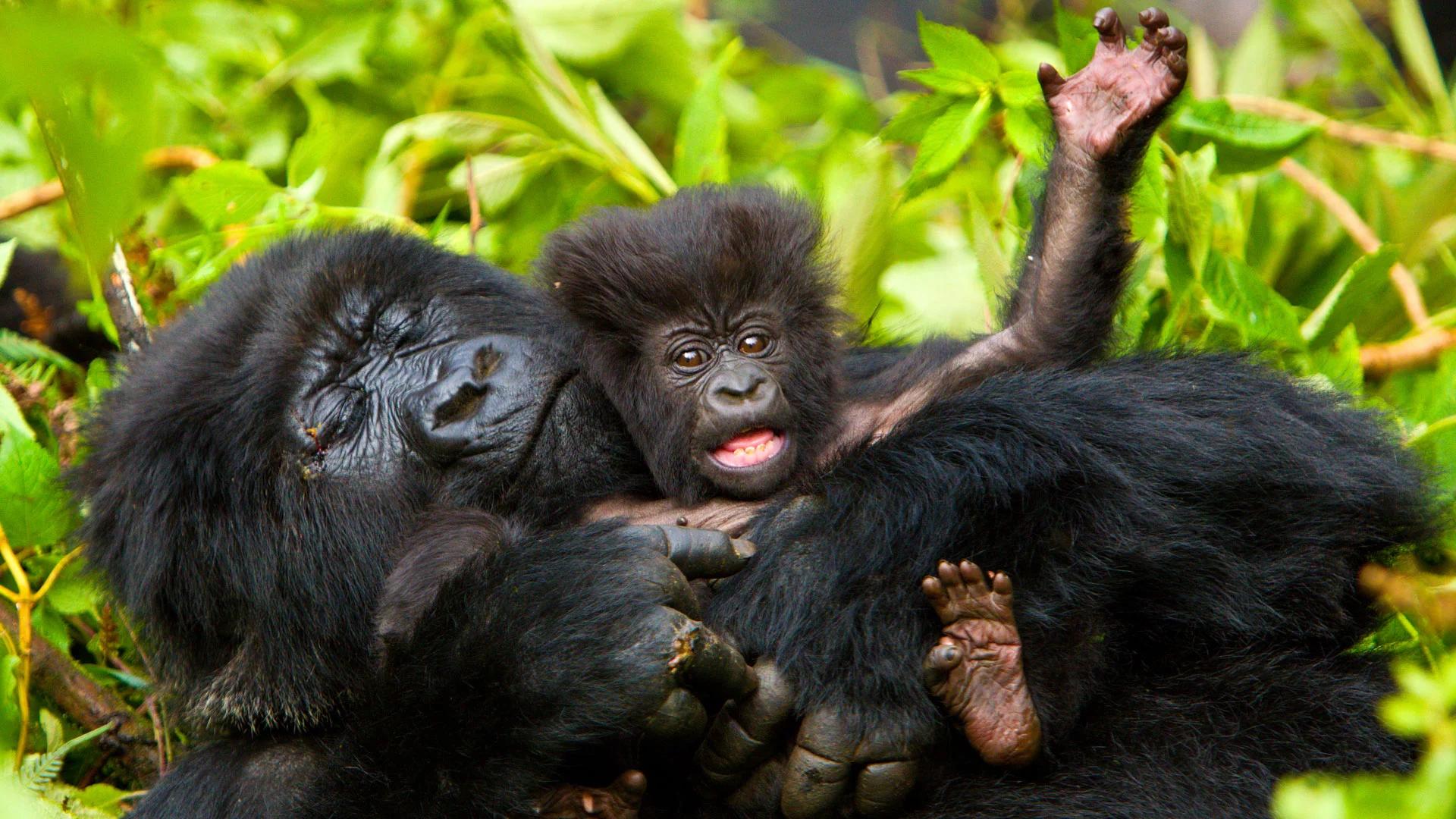
When the gorilla family is located, the guide instructs visitors on how to approach. The standard permit allows up to one hour of observation. You may see a silverback feeding, juveniles playing, females grooming one another or infants resting beside their mothers. Every encounter is different because gorilla behavior changes naturally throughout the day. Remaining quiet and following instructions allows the family to continue its normal activities.
During Bwindi gorilla trekking, visitors should maintain the minimum distance specified by the park and follow ranger instructions if an animal approaches unexpectedly. Never touch, feed or provoke a gorilla. Flash photography is not allowed. Gorilla trekking rules are designed to protect both the animals and the visitors, especially because mountain gorillas are susceptible to certain human illnesses.
Hiring a Porter for Additional Support
Hiring a porter is strongly recommended, particularly for a solo traveler carrying camera equipment or worrying about steep terrain. Porters help carry backpacks and provide assistance on difficult sections. Their services make solo gorilla trekking more manageable while creating valuable employment for nearby communities. Learn about hiring porters for a gorilla trek and confirm the current local rate at your briefing point.
8. Safety, Fitness and Travel Health for Solo Visitors
A properly organized solo traveler gorilla safari includes professional park supervision during the trekking activity. Rangers are familiar with the terrain, local wildlife and visitor regulations. Nevertheless, independent visitors should plan transport carefully, keep emergency contacts available and tell their accommodation about their movements. Check current travel advice before departure, particularly if visiting border regions or combining several countries.
One of the biggest practical challenges of gorilla trekking in Uganda is physical effort. Trails can be steep, muddy and uneven, and the altitude may make exertion feel harder than expected. Regular walking, hill training and comfortable hiking footwear improve the experience. Travelers with mobility concerns should discuss their needs before booking. Additional guidance about gorilla trekking fitness can help you prepare realistically.
Yellow fever vaccination documentation is required for eligible arriving travelers under Uganda’s entry regulations. Consult a travel-health professional about malaria prevention, routine vaccinations and any personal medical concerns. Insurance should cover emergency treatment, evacuation and the trekking activities included in your itinerary. Because the gorilla parks are remote, arrange suitable protection rather than assuming medical assistance will be immediately available.
Visitors should not participate in the trek when suffering from an infectious illness. Mountain gorillas can be vulnerable to diseases transmitted by humans, making honest communication about health conditions essential. For further preparation, read about gorilla trekking safety in Uganda while checking current park and public-health guidance close to your departure date.
9. Best Time for Gorilla Trekking in Uganda
The best months for gorilla trekking in Uganda depend on your tolerance for rain, preferred visitor numbers and overall budget. June through August and December through February are commonly considered favorable because forest trails can be relatively drier. However, Bwindi and Mgahinga are mountain environments where rain remains possible throughout the year. Even during popular dry periods, a waterproof jacket is essential.
For travelers prioritizing Bwindi gorilla trekking during peak periods, early bookings are particularly important. Demand for permits and well-located lodges can be strong. Travelers considering quieter periods can review the best time to trek mountain gorillas to compare seasonal advantages and disadvantages.
April, May and November can appeal to budget-conscious visitors because of applicable low-season permit discounts. The disadvantages include muddier trails, rain interruptions and reduced flexibility under certain permit conditions. A well-prepared solo traveler gorilla safari can still be wonderful during these months, especially for travelers who value green landscapes and fewer visitors over ideal hiking conditions.
Find the Best Dates for Your Gorilla Adventure
Compare trekking seasons, permit availability and transport options before fixing your travel dates.


