
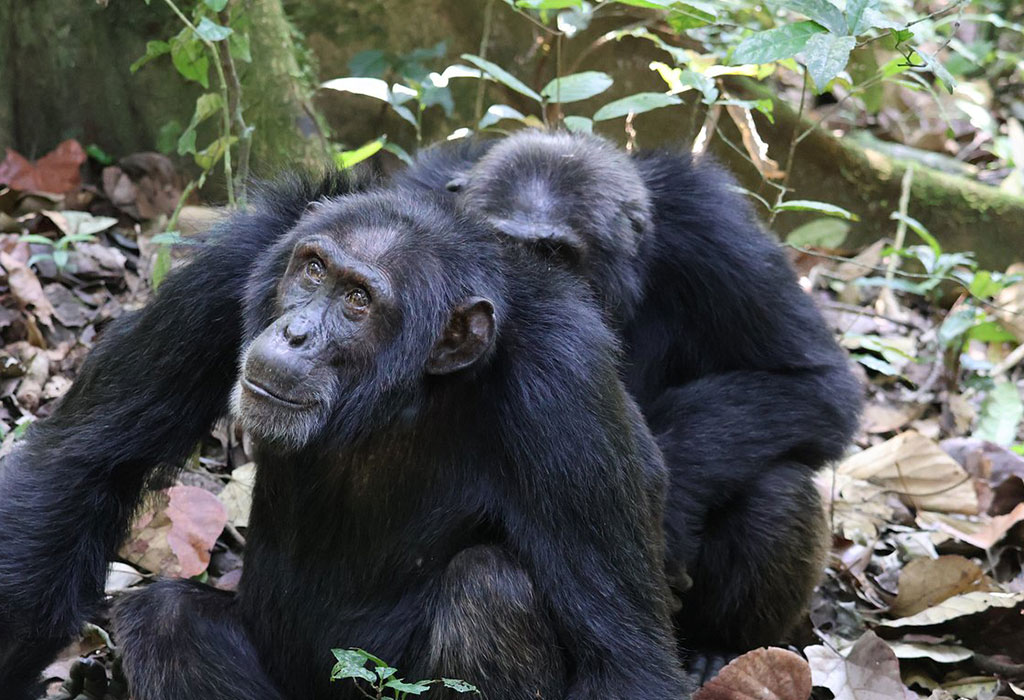
Safety and Security During Chimpanzee Trekking in Kibale: Kibale National Park stands as Uganda’s top destination for chimpanzee trekking. The tropical rainforest sits in the western part of the country and shelters over 1,500 registered chimpanzees. Locals and rangers pronounce its name as “Chibale.” The park also hosts 12 other primate species, which is why many people call it the Primate Capital of the World. Beyond primates, visitors enjoy views of the Rwenzori mountain ranges and the company of over 375 bird species. Four chimpanzee families have been habituated here, meaning they are used to human presence and are safe to observe.
One question visitors ask most often is: How safe is chimpanzee trekking in Kibale? The answer is clear — it is very safe. Uganda Wildlife Authority (UWA) has put strong measures in place to protect both the chimpanzees and the trekkers.
How Safety Is Guaranteed
Experienced Tour Guides
Every trekking group travels with a professional guide provided by their tour operator. These guides know Kibale well. They have walked its trails many times and understand the rules that keep everyone safe. Unlike first-time visitors stepping into unfamiliar territory, guides know where the chimps tend to move and how to respond when other wildlife appears. Following your guide at all times is one of the most important things you can do on the trek.
Security Checks at the Park Entrance
Before entering the park, every visitor passes through a security checkpoint. Rangers search bags and belongings for harmful items such as knives, poisons, or weapons. Anything suspicious is taken away before anyone enters the forest. This check protects both visitors and the wildlife inside the park.
Armed Rangers Throughout the Trek
Safety and Security During Chimpanzee Trekking in Kibale. UWA provides armed rangers who accompany every trekking group from start to finish. The cost of these rangers is included in the price of your trekking permit. Their presence protects trekkers from potential threats inside the national park, giving everyone peace of mind throughout the experience.
Pre-Trek Briefing
Before the trek begins, a lead guide holds a briefing session at the visitor center. This session covers all the rules and safety guidelines you must follow while in the forest. Pay close attention during this briefing. It prepares you for what to expect and how to behave around the chimpanzees.
The Chimpanzee Habituation Process
Chimpanzees share 98% of their DNA with humans, yet they still behave as wild animals. When people approach them without preparation, they can react with fear or aggression. The habituation process trains specific chimp groups to grow comfortable around human observers. Rangers and researchers spend months — sometimes years — gradually introducing their presence to a group until the chimps no longer feel threatened.
Visitors can join this process through the Chimpanzee Habituation Experience (CHEX). Unlike a standard trek, which lasts about one hour, CHEX allows you to spend an entire day with a chimp family. You watch how they interact, feed, groom each other, and communicate. The day begins with an early morning briefing and the assignment of your chimp family. This experience suits researchers, photographers, and anyone who wants to go beyond a brief encounter.
Permit Costs and Booking
Chimpanzee trekking permits cost $250 for international visitors who do not live in Uganda. Foreign residents pay $200, while East African nationals pay 180,000 Uganda shillings. The Chimpanzee Habituation Experience costs $300 for non-resident foreigners, $250 for resident foreigners, and 250,000 Uganda shillings for East African nationals. All permit prices include park entrance and ranger fees. If you carry heavy camera equipment, you can hire a porter for $20.
You can book permits directly through UWA or through a trusted tour operator. Booking through a tour operator is easier and faster. After you share your name and preferred dates, the operator checks permit availability and sends you a confirmation email. Payment must be made in full before any booking is secured. Always pay through the company’s official bank account, not a personal one. Once payment is confirmed, you receive a soft copy of your permit.
After securing your permit, arrange your accommodation, transport, and the number of days you plan to spend at the park. These costs are separate from the permit fee.
Best Time to Trek
Safety and Security During Chimpanzee Trekking in Kibale. The dry seasons — December to early March, and June to August — offer the best trekking conditions. Trails are less muddy, and chimps tend to stay lower in the trees, making them easier to spot. However, Kibale is a rainforest, so expect some rain at any time of year. The dry season also draws larger crowds. If you want a quieter experience and your main goal is seeing chimps, consider visiting during the low season. Always book the morning trekking session, since afternoon weather can be unpredictable.
Rules to Follow While Trekking
Safety and Security During Chimpanzee Trekking in Kibale. Trekkers must be at least 12 years old. Only six people may visit one chimp community per session. Keep a minimum distance of eight meters from the nearest chimp at all times. Never eat near the chimps — they may grab food forcefully. Flash photography is not allowed. Stay away from the chimps if you have a contagious illness such as a cold, flu, or diarrhea. Eat a good breakfast before you head out, and use the toilet before entering the forest, since treks can last longer than expected.
Other Activities in Kibale
Kibale offers much more than chimpanzee trekking. Guided nature walks depart from the Kanyanchu Tourist Centre in morning and afternoon sessions and last up to three hours. Night walks, running from 8:00 pm to 10:00 pm, give visitors a chance to spot bush babies and other nocturnal primates. Birdwatchers will find over 375 species to look for, including the Great Blue Turaco and the African Grey Parrot. Nearby, the Bigodi Wetland Sanctuary offers excellent birdwatching and primate spotting in a papyrus swamp setting. The stunning crater lakes of the Rift Valley are also close by and worth a visit.
Where to Stay
Kibale has accommodation for every budget. Primate Lodge, built inside the park using local materials, offers 16 solar-powered cottages with free WiFi and room service. Crater Safari Lodge, seven kilometers from the park, features 21 rooms with crater lake views, a pool, and a bar. Kyaninga Lodge is a luxury retreat overlooking Lake Kyaninga, with nine private cottages and mountain views. For budget travelers, Chimpanzee Forest Guest House sits near the UWA visitor center and offers clean, self-contained rooms and a swimming pool.
Kibale National Park delivers a safe, well-organized, and deeply rewarding experience. Plan, follow the rules, and you will leave with memories that last a lifetime.





