

Primate trekking adventures in Rwanda offer some of the most extraordinary wildlife encounters on the African continent. This small East African nation has become a global leader in conservation and ecotourism, providing visitors with unparalleled opportunities to observe mountain gorillas, chimpanzees, and golden monkeys in their natural habitats. The country’s commitment to protecting these endangered species, combined with well-managed national parks and professional guiding services, creates an unforgettable experience for wildlife enthusiasts. Whether the emotional connection of meeting a gorilla family, the energetic display of chimpanzees swinging through ancient rainforests, or the playful charm of golden monkeys draws you, Rwanda’s primate trekking adventures deliver transformative moments that connect visitors deeply with our closest evolutionary relatives.
Mountain Gorilla Trekking: A Once-in-a-Lifetime Encounter
 Mountain gorilla trekking represents the crown jewel of Rwanda’s wildlife offerings and stands among the most sought-after wildlife experiences globally. These magnificent primates inhabit the dense, mist-covered forests of Volcanoes National Park, nestled within the dramatic Virunga Mountains in northwestern Rwanda. The park provides sanctuary to a significant population of these critically endangered great apes, with Rwanda’s conservation efforts contributing substantially to the species’ remarkable recovery from the brink of extinction.
The trekking experience begins early in the morning at the park headquarters, where visitors receive a briefing about gorilla behavior, safety protocols, and trekking etiquette. A maximum of eight people form each group, ensuring minimal disturbance to the gorillas while maximizing the quality of the experience for visitors. We assign each group to track one of the habituated gorilla families—groups that trackers have gradually accustomed to human presence over several years.
Led by expert guides and trackers who possess intimate knowledge of the forest and the gorillas’ movements, your group embarks on a journey into the verdant mountain habitat. The duration of the trek varies considerably depending on where the gorillas spent the previous night and where they’ve moved during the day. Some encounters occur within an hour of leaving the trailhead, while others may require four or more hours of hiking through challenging terrain.
How to Book Gorilla Permits and Costs
Securing a gorilla trekking permit requires planning and represents the most significant expense of the adventure. Currently priced at $1,500 per person for foreign non-residents, these permits must be purchased through the Rwanda Development Board or authorized tour operators. With only 96 permits issued daily across all habituated gorilla families, booking several months in advance is essential, particularly during peak seasons.
The physical demands of gorilla trekking should not be underestimated. The terrain is often steep, muddy, and densely vegetated, requiring a reasonable level of fitness. However, porters are available for hire at a modest cost and can assist with carrying daypacks, camera equipment, or even provide physical support on particularly challenging sections. Hiring a porter not only makes your trek more manageable but also provides valuable employment to local community members.
Chimpanzee Tracking: Dynamic Forest Adventures
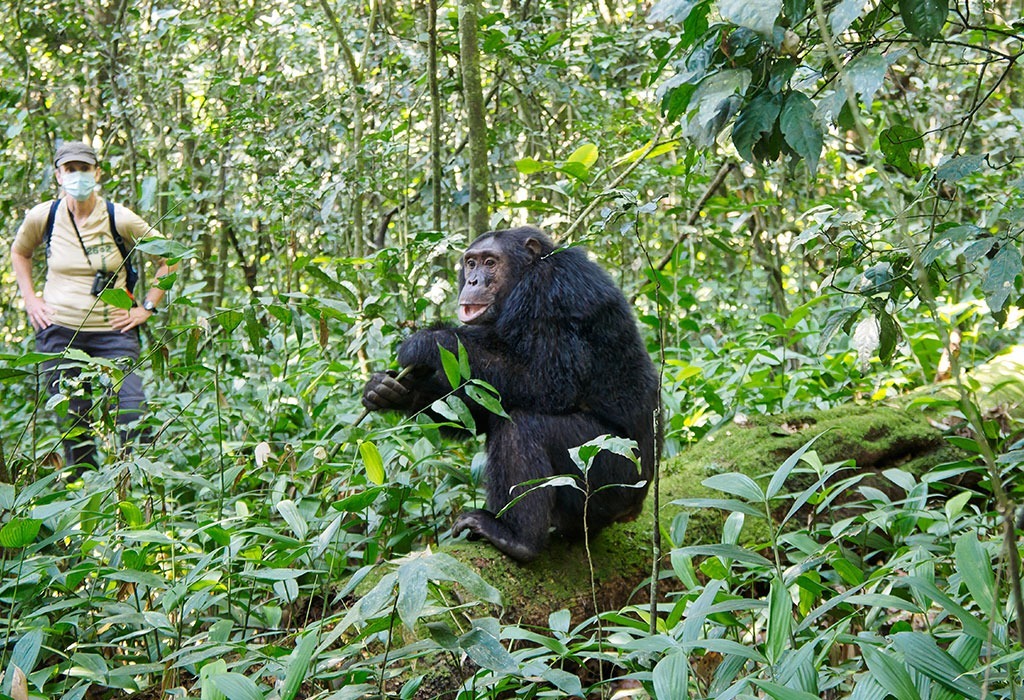 Chimpanzee tracking offers a distinctly different but equally thrilling primate encounter. These highly intelligent and social apes inhabit Nyungwe Forest National Park, one of Africa’s most ancient and biodiverse montane rainforests located in southwestern Rwanda. You can also track a smaller population in Gishwati-Mukura National Park, though Nyungwe remains the primary destination for chimp encounters.
Primate Trekking Adventures in Rwanda. The experience of tracking chimpanzees differs markedly from gorilla trekking. Chimpanzees are considerably more active and vocal than gorillas, often covering large distances throughout the day as they forage for fruit, insects, and other food sources. Their incredible agility allows them to swing rapidly through the canopy, sometimes making observation challenging but always exciting. The forest resonates with their distinctive pant-hoots, screams, and drumming displays as different groups communicate across the valleys.
Chimpanzee tracking expeditions begin early in the morning, typically around 5:00 AM, when the chimps are most active and easier to locate near their sleeping sites. Treks can last anywhere from two to six hours, depending on the chimps’ location and movements. Once the group is found, visitors spend one hour observing their fascinating behaviors, social interactions, and feeding habits. Witnessing chimpanzees’ complex social dynamics, tool use, and expressive communication provides remarkable insights into our evolutionary heritage.
How to book Chimpanzee Permits and Costs
Permits for chimpanzee tracking are considerably more affordable than gorilla permits, priced at approximately $250 for foreign non-residents. You can book these through the Rwanda Development Board or licensed tour operators, and while booking is recommended, availability is generally better than for gorilla permits.
Beyond chimpanzee tracking, Nyungwe Forest National Park offers exceptional complementary activities. The park features a spectacular canopy walkway suspended high above the forest floor, providing bird’s-eye views of the rainforest ecosystem. Numerous hiking trails traverse the park, ranging from short nature walks to challenging full-day treks. With over 300 bird species recorded, including numerous Albertine Rift endemics, Nyungwe is a paradise for birdwatchers and nature enthusiasts.
Golden Monkey Trekking: Playful Encounters in the Bamboo Forest
 Golden monkey trekking provides a wonderful complement to gorilla trekking, offering encounters with one of Africa’s most endangered and visually striking primates. These beautiful monkeys, characterized by their distinctive golden-orange fur and playful personalities, inhabit the bamboo forests on the lower slopes of the Virunga volcanoes within Volcanoes National Park.
The trek to find golden monkeys is generally less strenuous than gorilla trekking, as these primates prefer the relatively flat bamboo zones rather than the steep mountain slopes. This makes golden monkey trekking accessible to a wider range of fitness levels and ages. The monkeys themselves are highly active and curious, often approaching quite close to visitors and putting on entertaining displays of acrobatics as they leap between bamboo stems and feed on bamboo shoots, leaves, and fruits.
Once located, visitors spend one hour observing these engaging primates. Their social groups can be quite large, sometimes numbering over 80 individuals, creating a dynamic and photogenic spectacle. The golden monkeys’ habituation to humans allows for relatively close observation, and their bold, inquisitive nature often results in memorable interactions.
Golden monkey trekking permits are very reasonably priced at $100 per person and can be booked in advance or, subject to availability, on the day of the trek. Many visitors choose to combine golden monkey and gorilla trekking during a single visit to Volcanoes National Park, maximizing their primate encounters. This combination is logistically convenient and economically sensible, providing diverse wildlife experiences within the same destination.
Planning Your Primate Trekking Safari
Timing Your Visit
Rwanda’s climate and seasons significantly influence the trekking experience. The dry seasons from June to September and December to February offer the most favorable conditions, with less rainfall resulting in drier, less slippery trails and clearer weather for photography. These periods constitute peak tourist season, requiring booking of permits and accommodation, often three to six months ahead.
The wet seasons from March to May and October to November present more challenging trekking conditions with muddy, slippery trails. Primate Trekking Adventures in Rwanda. However, these periods also offer advantages, including fewer tourists, potentially more intimate wildlife encounters, and lower accommodation rates at some lodges. Importantly, primate trekking operates year-round, as rain can occur in any season due to the high-altitude environment.
Working with Tour Operators
Numerous licensed tour operators in Rwanda specialize in organizing comprehensive primate trekking safaris. These companies handle permit procurement, ground transportation, accommodation arrangements, and additional activities, allowing you to focus entirely on the experience. Primate Trekking Adventures in Rwanda. Reputable operators like Anthill Safaris and others provide expert guidance, experienced drivers, and valuable insights that enhance your safari. While independent travel is possible, working with a knowledgeable operator often proves worthwhile for the logistical support and local expertise they provide.





