
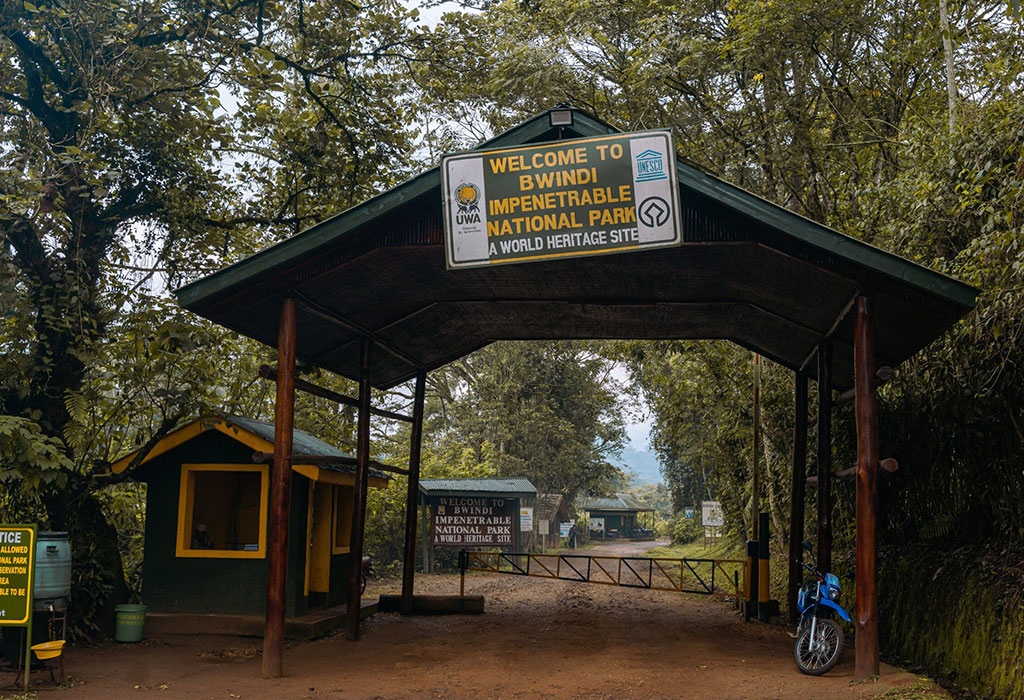
Kigali to Bwindi Driving Time: The driving time from Kigali, Rwanda, to Bwindi Impenetrable National Park in Uganda represents one of the most significant logistical advantages for international visitors planning gorilla trekking adventures. At approximately 4 to 5 hours, this journey is remarkably shorter than the alternative route from Uganda’s capital cities of Kampala or Entebbe, which requires 9 to 10 hours of challenging road travel. This substantial time difference has transformed Kigali into the preferred starting point for many gorilla safari enthusiasts, offering convenient access to Uganda’s premier mountain gorilla destination while minimizing travel fatigue and maximizing valuable safari time in the field.
Understanding the Route Advantages
Comparative Travel Times and Strategic Benefits
The dramatic difference in driving times between starting points fundamentally changes the gorilla safari experience for international travelers. While the 9-10 hour journey from Kampala or Entebbe often requires overnight stops and can consume an entire day of valuable safari time, the 4-5 hour drive from Kigali allows for same-day arrival possibilities and more flexible scheduling options.
This time advantage becomes particularly valuable for travelers with limited vacation days or those planning comprehensive East African itineraries. The shorter drive means less physical fatigue, reduced risk of motion sickness on winding mountain roads, and more energy for the demanding gorilla trekking activities. Additionally, the reduced travel time allows for later departure times from Kigali, providing opportunities for morning city activities or more comfortable hotel checkout procedures.
The strategic advantage extends beyond mere convenience to practical safari planning. Tour operators can offer day-trip options for extremely time-pressed visitors, though overnight stays near the park remain recommended for optimal gorilla trekking experiences. The shorter drive also provides backup options if weather or road conditions cause delays, ensuring greater reliability in reaching trekking appointments.
Geographic and Infrastructure Considerations
The shorter driving distance from Kigali reflects favorable geographic positioning and improved infrastructure development between Rwanda and southwestern Uganda. The route traverses relatively well-maintained roads through scenic countryside, offering travelers glimpses of rural East African life, terraced hillsides, and diverse agricultural landscapes.
Rwanda’s excellent road infrastructure within its borders contributes significantly to the overall journey quality. The country’s commitment to infrastructure development has resulted in well-paved, clearly marked roads that facilitate smooth travel from Kigali toward the Ugandan border. This infrastructure quality contrasts favorably with some of the more challenging road conditions encountered on longer routes from Ugandan cities.
Sector-Specific Travel Considerations
Southern Sectors: Rushaga and Nkuringo
The southern sectors of Bwindi—Rushaga and Nkuringo—enjoy the most favorable positioning relative to Kigali, often achievable within the 4-5 hour timeframe under optimal conditions. These sectors’ proximity to the Rwanda-Uganda border makes them the most accessible options for travelers starting from Kigali, contributing to their growing popularity among international visitors.
Rushaga sector, in particular, benefits from its strategic location and excellent gorilla family diversity. As the only sector offering the exclusive Gorilla Habituation Experience, Rushaga’s accessibility from Kigali creates compelling advantages for visitors seeking this premium wildlife encounter. The sector’s location allows for comfortable morning departures from Kigali with afternoon arrival times that provide adequate rest before early morning gorilla trekking activities.
Nkuringo sector, while offering the most challenging trekking experiences due to its steep terrain and high altitude, remains highly accessible from Kigali. The sector’s dramatic mountain views and adventurous trekking conditions attract serious hikers and photography enthusiasts who appreciate both the physical challenge and the convenient access from Rwanda’s capital.
Northern Sectors: Buhoma and Ruhija
The northern sectors of Buhoma and Ruhija require slightly longer travel times from Kigali, potentially extending journey duration to 5-6 hours depending on specific routes, border crossing efficiency, and road conditions. Despite this modest increase, these sectors remain significantly more accessible from Kigali than from Ugandan starting points.
Buhoma, as Bwindi’s oldest and most established sector, offers excellent infrastructure and accommodation options that can justify the additional travel time. The sector’s reputation for reliable gorilla encounters and well-developed tourism facilities makes it attractive for first-time visitors who prioritize comfort and predictability alongside their wildlife experiences.
Ruhija’s higher elevation and spectacular mountain scenery provide unique photographic opportunities and cooler temperatures that many visitors find refreshing. The sector’s accessibility via multiple route options from Kigali offers flexibility in journey planning, though the additional elevation gain may require more careful consideration of weather conditions and seasonal road accessibility.
Border Crossing Options and Logistics
Gatuna/Katuna Border Crossing
The Gatuna/Katuna border crossing represents one of the primary options for travelers journeying from Kigali to Bwindi. This crossing point handles significant commercial and tourist traffic, resulting in well-established procedures and experienced border officials familiar with tourism requirements. The crossing’s infrastructure can accommodate various vehicle types and generally maintains reasonable processing efficiency.
However, the popularity of this crossing can sometimes result in longer waiting times, particularly during peak tourism seasons or busy commercial periods. Travelers should factor additional time into their journey plans when using this crossing, especially during weekends or public holidays when traffic volumes typically increase.
Cyanika Border Crossing
The Cyanika border crossing has emerged as a preferred choice for many tourists traveling from Kigali to Bwindi, particularly those heading to the southern sectors. This crossing point often experiences lighter traffic volumes compared to Gatuna/Katuna, potentially resulting in faster processing times and reduced journey delays.
The route via Cyanika also offers scenic advantages, traversing beautiful countryside landscapes and providing opportunities for photography and cultural observation. Many tour operators specifically recommend this crossing for its combination of efficiency and aesthetic appeal, making it an integral part of the overall safari experience rather than merely a logistical necessity.
Essential Travel Preparations
Vehicle Requirements and Recommendations
The journey from Kigali to Bwindi requires careful consideration of vehicle selection, particularly given the diverse terrain and potential weather challenges. A 4×4 vehicle is strongly recommended for optimal safety and comfort, especially during rainy seasons when road conditions can deteriorate significantly. The mountain roads leading to Bwindi’s various sectors include steep gradients, winding sections, and potentially challenging surfaces that benefit from enhanced traction and ground clearance.
Professional tour operators typically provide appropriate vehicles with experienced drivers familiar with the route’s specific challenges and requirements. These drivers understand local road conditions, seasonal variations, and alternative route options that can prove invaluable during unexpected situations or delays.
Border Documentation and Processing
International travelers must prepare appropriate documentation for smooth border crossings between Rwanda and Uganda. Valid passports with adequate remaining validity are essential, along with appropriate visa documentation. The East African Tourist Visa, costing $100 USD, provides convenient access to both countries and eliminates the need for separate visa applications.
Border processing procedures typically include passport verification, visa validation, and occasional vehicle inspections. While generally straightforward, these processes require time and patience, particularly during busy periods. Travelers should maintain realistic expectations about border crossing duration and factor in appropriate buffer time into their overall journey planning.
Seasonal and Weather Considerations
Road conditions between Kigali and Bwindi can vary significantly based on seasonal weather patterns and local rainfall. The rainy seasons (March-May and October-December) can create more challenging driving conditions, particularly on unpaved sections near the national park. During these periods, journey times may extend beyond the typical 4-5 hour estimate due to necessary speed reductions and increased caution on potentially slippery surfaces.
Dry season travel (June-September and December-February) generally provides optimal road conditions and more predictable journey times. However, travelers should remain prepared for unexpected weather changes given the region’s mountain climate and potential for localized rainfall regardless of season.
The high altitude areas near Bwindi can experience cooler temperatures and different weather patterns compared to lower elevations, requiring flexible clothing options and weather-appropriate preparations for comfortable travel experiences.





