Is Uganda good for safaris? Absolutely. This East African gem, affectionately known as the “Pearl of Africa,” stands as one of the continent’s most compelling safari destinations. While Uganda may not boast the vast herds that thunder across the Serengeti or the Masai Mara, it offers something equally magnificent: an extraordinarily diverse and intimate wildlife experience that combines primate encounters, classic game viewing, and breathtaking landscapes. Uganda’s unique positioning at the convergence of East and Central Africa creates a remarkable ecosystem diversity that provides safari-goers with experiences unavailable anywhere else on the continent.
The Crown Jewel: Mountain Gorilla Trekking
Uganda’s most celebrated wildlife experience is undoubtedly mountain gorilla trekking, an adventure that ranks among the world’s most profound wildlife encounters. Bwindi Impenetrable National Park, a UNESCO World Heritage Site, harbors approximately half of the world’s remaining mountain gorillas. This ancient rainforest, with its misty valleys and towering trees draped in vines, provides the perfect sanctuary for these gentle giants.
The gorilla trekking experience begins before dawn with a comprehensive briefing from experienced rangers who share insights about gorilla behavior, conservation efforts, and trekking protocols. The journey through Bwindi’s dense vegetation can be challenging, requiring moderate fitness levels as you navigate steep terrain and thick undergrowth. However, the moment you encounter a gorilla family in their natural habitat makes every step worthwhile.
Visitors can observe these magnificent creatures as they feed, play, and interact with one another, often coming within mere meters of silverback males weighing up to 200 kilograms. The emotional connection formed during this hour-long encounter is transformative, creating lasting memories while contributing directly to conservation efforts that have helped increase gorilla populations over recent decades.
Chimpanzee Capital of the World
Kibale National Park has earned its reputation as the primate capital of the world, hosting Uganda’s most accessible chimpanzee tracking experiences. This tropical rainforest ecosystem supports over 1,500 chimpanzees, making it one of Africa’s highest concentrations of our closest living relatives. The park’s well-established habituation programs ensure high success rates for chimpanzee encounters, with visitors having approximately a 95% chance of spotting these intelligent primates.
Beyond chimpanzees, Kibale supports 13 primate species, including red colobus monkeys, black-and-white colobus, red-tailed monkeys, and the rare L’Hoest’s monkey. The canopy walk experience offers a unique perspective of the forest ecosystem, allowing visitors to observe primates and birds from elevated platforms connected by suspension bridges. The early morning and afternoon tracking sessions provide opportunities to witness chimpanzee communities engaging in complex social behaviors, tool use, and communication that remarkably mirror human interactions.
Diverse Landscapes and Ecosystems
Uganda’s geographical diversity creates a tapestry of ecosystems that few countries can match. The country encompasses snow-capped mountains, vast savannahs, dense rainforests, crater lakes, and the source of the mighty Nile River. This landscape variety translates into incredibly diverse safari experiences within relatively short distances.
Queen Elizabeth National Park exemplifies this diversity, featuring savannah plains teeming with wildlife, the famous Kazinga Channel boat cruise, and the unique tree-climbing lions of Ishasha. The park’s varied habitats support over 95 mammal species and 600 bird species. Murchison Falls National Park offers classic East African savannah experiences alongside the spectacular Murchison Falls, where the Nile River explodes through a narrow gorge with tremendous force.
The Rwenzori Mountains, known as the “Mountains of the Moon,” provide opportunities for serious trekkers to explore afro-alpine vegetation zones rarely found elsewhere in Africa. Lake Mburo National Park, though smaller, offers excellent walking safaris and horseback riding adventures through acacia woodlands.
Big Five and Beyond
While Uganda may not have the massive herds seen in the Masai Mara or Serengeti, it still provides excellent opportunities to encounter the Big Five. Lions roam the savannahs of Queen Elizabeth and Murchison Falls National Parks, with the tree-climbing lions of Ishasha being particularly unique. Leopards, though elusive, inhabit most of Uganda’s parks, while elephants are abundant in several locations.
Buffalo herds graze across Uganda’s grasslands, and the country has successfully reintroduced rhinos to Ziwa Rhino Sanctuary, where visitors can track both black and white rhinos on foot. Beyond the Big Five, Uganda hosts numerous other iconic species, including hippos, Nile crocodiles, giraffes, zebras, and various antelope species.
Birdwatcher’s Paradise
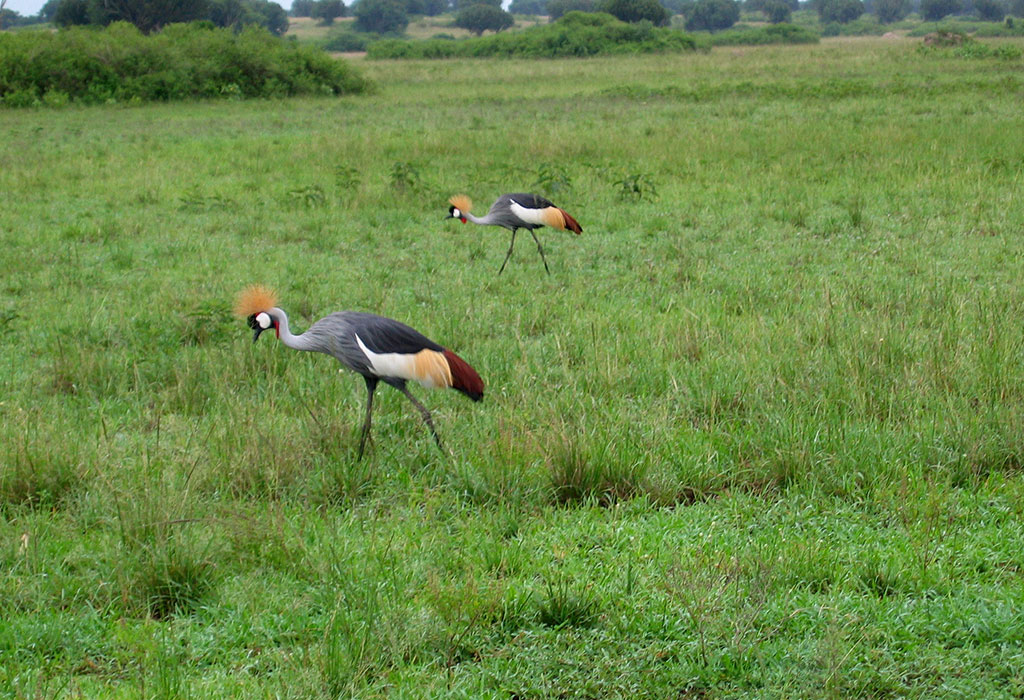
With over 1,000 recorded bird species in an area smaller than the United Kingdom, Uganda ranks among the world’s premier birdwatching destinations. The country’s position at the intersection of East and Central African bird ranges creates exceptional diversity. Rare species like the shoebill stork can be spotted in Mabamba Swamp, while the Rwenzori Mountains harbor numerous endemic species.
Cultural Richness and Authentic Experiences
Uganda’s cultural diversity adds significant depth to safari experiences. Opportunities exist to visit local communities, learn traditional crafts, participate in cultural performances, and understand how local people coexist with wildlife. These interactions provide meaningful context to conservation efforts and create more well-rounded travel experiences.
The relative lack of crowds compared to more established safari destinations means more personalized attention from guides, authentic interactions with local communities, and a sense of discovery that’s increasingly rare in popular tourism circuits. This intimacy, combined with Uganda’s natural wonders, creates safari experiences that are both profound and transformative.