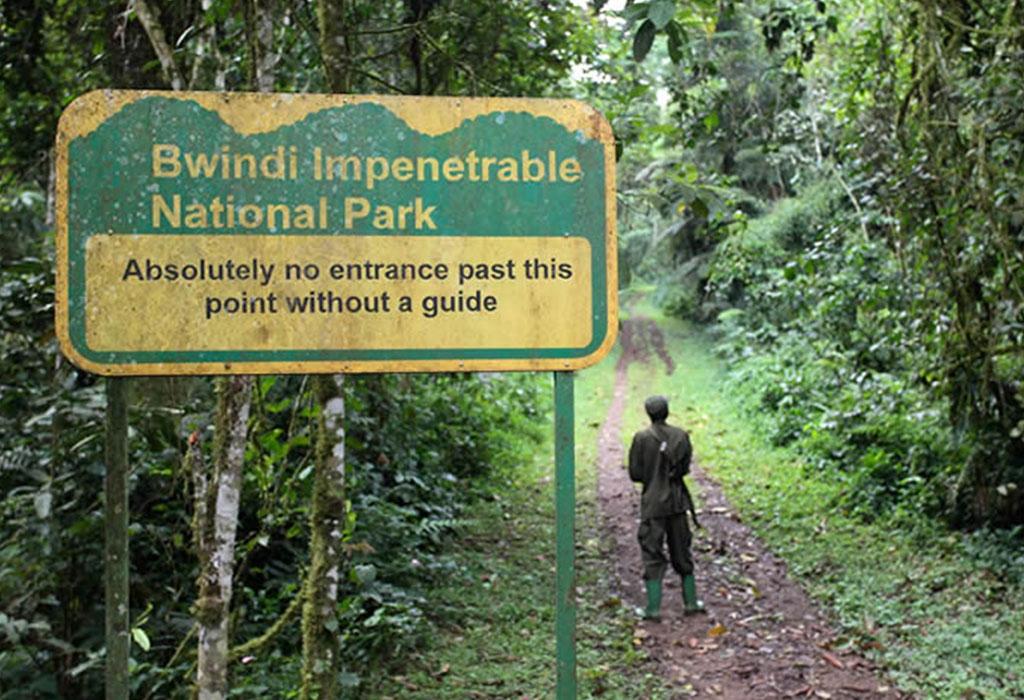
Is Bwindi safe? This critical question occupies the minds of countless travelers planning gorilla trekking adventures to one of Africa’s most renowned wildlife destinations. Bwindi Impenetrable National Park in Uganda is indeed considered a safe destination for tourism, supported by robust security infrastructure, comprehensive safety protocols, and strong collaborative efforts between government agencies, local communities, and international conservation organizations. While historical security concerns from the late 1990s initially raised questions about visitor safety, significant improvements in security measures, political stability, and tourism infrastructure have transformed Bwindi into a well-protected destination where thousands of visitors safely experience mountain gorilla encounters annually through carefully managed and professionally guided expeditions.
Historical Context and Security Evolution
Understanding Bwindi’s current safety status requires acknowledging its historical challenges and the remarkable transformation that followed. In March 1999, an incident occurred when armed rebels attacked a tourist camp in Bwindi, resulting in the tragic deaths of eight tourists and four Ugandans. This devastating event sent shockwaves through Uganda’s tourism industry and raised serious questions about visitor security in the region.
However, this tragic incident catalyzed comprehensive security reforms that fundamentally transformed safety protocols throughout Uganda’s protected areas. The Ugandan government recognized that tourism safety was not just a matter of visitor welfare but also crucial for the country’s economic development and conservation efforts. The response was swift, comprehensive, and enduring.
Following extensive security assessments and international consultation, Uganda implemented a multi-layered security framework that addressed vulnerabilities while maintaining the natural and authentic experience that draws visitors to Bwindi. These measures have proven effective over more than two decades, with no significant security incidents affecting tourists since the comprehensive reforms were implemented.
Enhanced Security Infrastructure
The current security infrastructure protecting Bwindi Impenetrable National Park represents a sophisticated, multi-layered approach involving various agencies and stakeholders. The Uganda Wildlife Authority (UWA) serves as the primary custodian of park security, working in close collaboration with the Uganda People’s Defence Forces (UPDF), police forces, and local community security networks.
Armed Park Rangers and Professional Staff
Bwindi’s ranger force consists of highly trained professionals equipped with modern communication equipment and weapons, as well as extensive knowledge of the park’s terrain and potential security challenges. These rangers undergo rigorous training programs covering wilderness survival, first aid, wildlife management, and security protocols. Many have military or police backgrounds, bringing professional security experience to their conservation roles.
The ranger presence is strategically distributed throughout the park, with permanent posts at key locations including park headquarters, sector offices, and major trail intersections. During gorilla trekking activities, armed rangers accompany every group, providing security and wildlife expertise. These professionals are trained to handle various scenarios, from wildlife encounters to medical emergencies and potential security threats.
Strategic Security Partnerships
The security framework extends beyond park boundaries through partnerships with national security agencies. The UPDF maintains a discrete but effective presence in the region, with rapid response capabilities and intelligence gathering networks that monitor potential threats. This military involvement operates seamlessly with civilian tourism activities, ensuring security without compromising the visitor experience.
Local police forces also contribute to the security network, particularly in towns and transportation corridors leading to the park. Regular security briefings and coordinated patrols ensure comprehensive coverage of areas where tourists travel and stay.
Geographic and Political Advantages
Bwindi’s location in southwestern Uganda provides inherent security advantages that complement the implemented security measures. The region lies far from areas of historical conflict or political instability, situated in one of Uganda’s most stable and developed regions. The park’s position along the border with the Democratic Republic of Congo is managed through international cooperation and cross-border security arrangements.
The surrounding communities have strong economic incentives to maintain security, as tourism provides significant employment and development opportunities. This creates a natural security network of residents who are invested in protecting visitors and maintaining the region’s reputation as a safe destination.
Uganda’s overall political stability, particularly in the southwestern region, provides a foundation for sustained security. The government’s commitment to tourism development as a key economic sector ensures continued investment in security infrastructure and personnel.
Collaborative Community Engagement
One of the most significant factors in Bwindi’s current safety status is the extensive community involvement in tourism and conservation activities. Local communities receive direct benefits from gorilla tourism through revenue-sharing programs, employment opportunities, and development projects funded by tourism proceeds.
This economic integration creates powerful incentives for communities to protect tourists and maintain security. Residents serve as informal security networks, reporting suspicious activities and assisting with visitor safety. Community guides, porters, and service providers all have vested interests in maintaining Bwindi’s reputation as a safe destination.
Cultural exchange programs and community tourism initiatives further strengthen these relationships, creating bonds between visitors and local communities that enhance overall security through mutual respect and understanding.
Comprehensive Safety Protocols for Visitors
While Bwindi’s security infrastructure provides robust protection, visitor safety also depends on following established protocols and exercising appropriate caution. These guidelines have been developed through decades of experience and are continuously refined based on evolving conditions and best practices.
Strict Adherence to Park Regulations
Park regulations exist not only for conservation purposes but also for visitor safety. These rules cover everything from group sizes and trekking routes to behavior around gorillas and emergency procedures. Visitors must complete safety briefings before trekking activities, where rangers explain potential risks and appropriate responses.
The regulations also specify prohibited items, restricted areas, and required safety equipment. Following these guidelines is not optional – it represents a critical component of the overall safety system protecting all visitors.
Professional Guide Supervision
Every gorilla trekking group is accompanied by experienced guides who possess intimate knowledge of the terrain, wildlife behavior, and emergency procedures. These professionals undergo extensive training and regular certification updates to maintain their qualifications.
Guides carry communication equipment to maintain contact with park headquarters and can summon assistance if needed. They are trained in first aid, wilderness survival, and emergency evacuation procedures. Visitors must remain with their assigned guides at all times and follow all instructions without deviation.
Restricted Movement Policies
Independent exploration of Bwindi is strictly prohibited for safety reasons. All movement outside of designated lodge areas requires a professional escort and prior authorization from park authorities. This policy protects visitors from getting lost, encountering dangerous wildlife, or inadvertently entering sensitive areas.
The restriction extends to evening and night activities, when additional risks exist. Lodges and camps maintain secure perimeters, and guests are required to remain within these areas after dark unless participating in authorized night activities with professional guides.
Trusted Tour Operator Requirements
Selecting reputable tour operators with established safety records and proper licensing is crucial for visitor safety. Licensed operators maintain comprehensive insurance coverage, employ qualified guides, and follow strict safety protocols. They also maintain relationships with medical facilities and evacuation services.
Experienced operators understand local conditions, potential risks, and appropriate responses to various scenarios. They invest in proper equipment, regular training, and emergency preparedness to ensure client safety throughout the entire experience.
Health and Physical Safety Considerations
Beyond security concerns, visitor safety in Bwindi involves health preparedness and physical fitness requirements. The park’s mountainous terrain, tropical climate, and remote location create unique challenges that require proper preparation and ongoing vigilance.
Medical Preparedness
Malaria prevention is essential, as the region’s tropical climate supports mosquito populations that transmit the disease. Visitors should consult healthcare providers about appropriate prophylaxis and bring insect repellent and protective clothing.
Other recommended vaccinations include yellow fever, hepatitis A and B, and typhoid. Comprehensive travel insurance covering medical evacuation is strongly recommended, as serious medical emergencies may require transportation to facilities in Kampala or even international evacuation.
Physical Fitness and Trekking Preparation
Gorilla trekking can be physically demanding, requiring moderate to high fitness levels depending on gorilla group locations and terrain conditions. Visitors should prepare with cardiovascular exercise and hiking practice before arrival.
Proper equipment, including sturdy hiking boots, rain gear, and layered clothing, is essential for safety and comfort. The park’s high altitude and variable weather conditions can create challenging trekking conditions that require appropriate preparation and equipment.
Bwindi Impenetrable National Park has successfully transformed from a destination with security concerns to one of Africa’s safest and most professionally managed wildlife tourism experiences. Through comprehensive security measures, community engagement, and strict safety protocols, Bwindi offers visitors the opportunity to safely experience one of the world’s most remarkable wildlife encounters while contributing to conservation and local development efforts.