
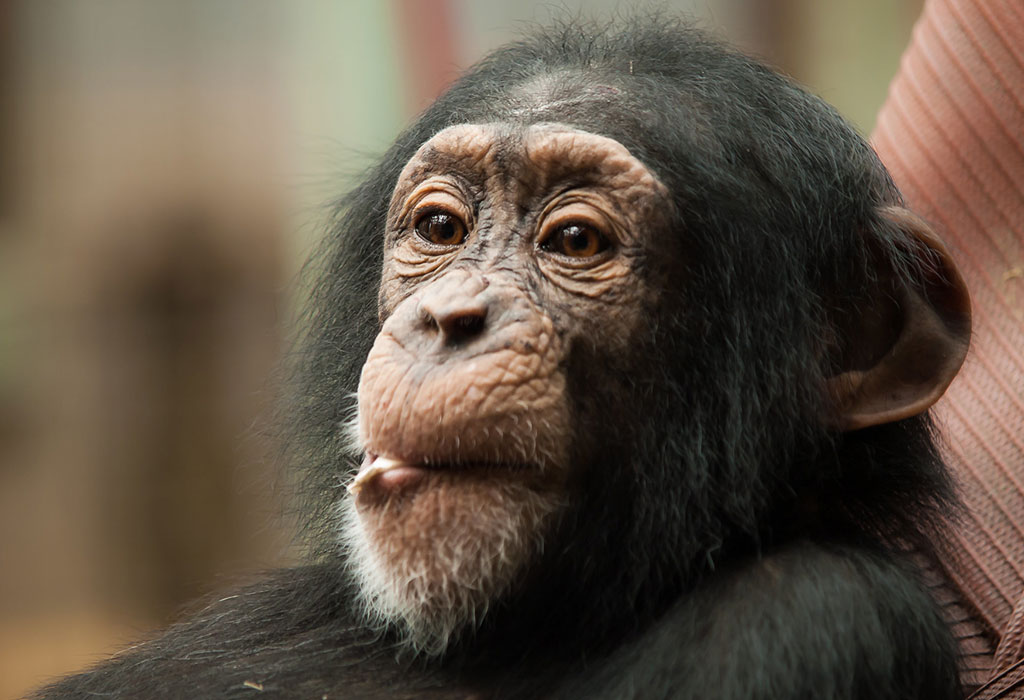
How to Book Uganda Chimpanzee Permits requires careful planning and understanding of the available options. Uganda offers some of the world’s most incredible chimpanzee trekking experiences, particularly in renowned locations like Kibale Forest National Park and Kyambura Gorge. Securing the necessary permits is essential for this once-in-a-lifetime wildlife encounter. The booking process involves either working directly with the Uganda Wildlife Authority or partnering with experienced tour operators who can streamline the entire process for you.
Understanding the Permit System
The Uganda Wildlife Authority (UWA) serves as the primary government body responsible for wildlife conservation, tourism management, and permit issuance throughout Uganda. This organization oversees all chimpanzee trekking activities and maintains strict regulations to protect these endangered primates while allowing sustainable tourism opportunities. The permit system ensures that visitor numbers remain manageable, minimizing human impact on chimpanzee communities and their natural habitats.
Chimpanzee permits are required for all visitors regardless of nationality, age, or duration of stay. These permits grant access to specific national parks and reserves where habituated chimpanzee groups can be safely observed. The habituation process, which can take several years, involves gradually accustoming wild chimpanzees to human presence, allowing for incredible close-up encounters while maintaining the animals’ natural behaviors.
Primary Booking Methods
Direct Booking with Uganda Wildlife Authority
Booking directly through UWA offers the most straightforward approach for independent travelers who prefer handling arrangements personally. The process begins with contacting UWA headquarters located in Kampala, Uganda’s capital city. Communication can be established through official email channels or telephone calls during standard business hours.
When contacting UWA directly, travelers should be prepared to provide specific information, including preferred trekking dates, desired destination (such as Kibale Forest National Park, Budongo Forest Reserve, or Kyambura Gorge), group size, and nationality status. This information helps UWA staff check permit availability and calculate appropriate fees based on residency classifications.
The payment process requires secure transaction methods, typically involving bank transfers or other internationally accepted payment systems. UWA provides detailed payment instructions and account information upon confirmation of permit availability. After successful payment processing, travelers must provide proof of payment to UWA officials, who then issue official permits containing essential details such as trekking dates, locations, and specific terms and conditions.
Booking Through Reputable Tour Operators
Many travelers prefer working with established tour operators who specialize in Uganda wildlife experiences. Companies like Anthill Safaris and other reputable operators offer comprehensive services that extend beyond simple permit booking. These professionals know extensively about local conditions, seasonal variations, and optimal trekking strategies.
The tour operator booking process typically involves initial consultations where travelers discuss their preferences, physical capabilities, and desired experiences. Operators then check permit availability across multiple locations and dates, providing flexible options that accommodate various schedules and interests. They handle all communication with UWA, manage payment processing, and ensure compliance with all regulatory requirements.
Tour operators provide additional value through their expertise in logistics coordination, accommodation arrangements, transportation planning, and local guide services. They can recommend optimal trekking locations based on seasonal primate movements, weather conditions, and individual fitness levels. Many operators also offer package deals that include accommodation, meals, transportation, and other safari activities, creating comprehensive wildlife experiences.
Strategic Booking Considerations
Timing and Advance Planning
Successful chimpanzee permit booking requires significant planning, particularly during peak tourist seasons from June through September and December through February. During these periods, demand significantly exceeds availability, making early booking essential. Many experienced travelers recommend booking permits six months to one year in advance to ensure availability during preferred dates.
Uganda’s equatorial climate creates distinct wet and dry seasons that affect trekking conditions and animal behavior. The dry seasons generally offer easier trekking conditions with less muddy trails and clearer forest paths. However, chimpanzees can be observed year-round, and each season offers unique advantages for wildlife observation and photography.
Permit Costs and Pricing Structure
Chimpanzee permit costs vary significantly based on several factors, including visitor nationality, residency status, and specific trekking locations. UWA maintains different pricing tiers for foreign non-residents, foreign residents living in East Africa, and East African citizens. These pricing structures reflect Uganda’s commitment to making wildlife experiences accessible to local communities while generating sustainable revenue for conservation efforts.
Foreign non-residents typically pay the highest permit fees, while East African citizens enjoy significantly reduced rates. Foreign residents with valid East African residency documentation qualify for intermediate pricing structures. Travelers should verify their classification status and provide appropriate documentation to ensure correct permit pricing.
Documentation Requirements
Proper documentation is crucial for successful permit booking and park entry. All visitors must possess valid passports with sufficient remaining validity and appropriate visa documentation for Uganda entry. Some nationalities can obtain visas upon arrival, while others must secure visas through Ugandan embassies or consulates before travel.
Tour operators typically request passport copies and other relevant documentation during the booking process to facilitate permit applications. They also provide guidance on visa requirements, vaccination certificates, and other travel documentation needed for smooth entry into Uganda.
Additional Services and Considerations
Logistical Support
Tour operators offer valuable logistical support that extends far beyond permit booking. They can arrange accommodation in various categories, from budget-friendly options to luxury eco-lodges located near trekking sites. Transportation arrangements include airport transfers, ground transportation to national parks, and local transfers between accommodation and trekking starting points.
Many operators also provide experienced local guides who possess intimate knowledge of forest ecosystems, animal behavior, and optimal viewing strategies. These guides enhance the overall experience through their expertise in primate tracking, forest navigation, and wildlife photography techniques.
Service Fees and Value Proposition
How to Book Uganda Chimpanzee Permits: While tour operators charge service fees beyond basic permit costs, these fees often represent excellent value considering the comprehensive services provided. Operators handle complex logistics, provide local expertise, offer emergency support, and ensure compliance with all regulatory requirements. Their established relationships with local communities, guides, and accommodation providers often result in enhanced experiences and better overall value.
Conclusion
Booking chimpanzee permits in Uganda requires careful planning, preparation, and understanding of available options. Whether choosing direct booking through UWA or working with experienced tour operators, success depends on early planning, proper documentation, and realistic expectations about costs and logistics. The investment in proper planning ensures unforgettable encounters with our closest living relatives in their natural habitat, supporting both conservation efforts and local communities while creating lasting memories of Uganda’s incredible biodiversity.





