
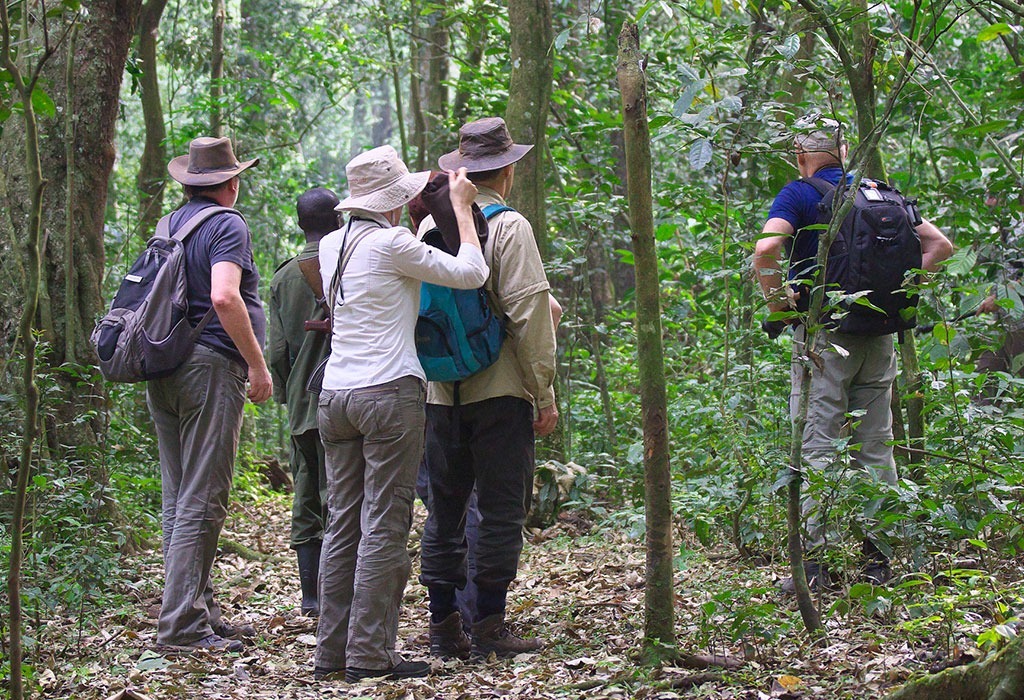
Gorilla habituation group size limitations represent a carefully crafted conservation strategy that balances human access with wildlife welfare, ensuring that these extraordinary encounters remain sustainable and beneficial for both gorillas and visitors. The strict limitation of four tourists per gorilla family per day during habituation experiences reflects decades of research into gorilla behavior, stress responses, and social dynamics that inform responsible wildlife tourism practices. This deliberate restriction on group size, significantly smaller than standard gorilla trekking allowances, demonstrates the commitment to prioritizing gorilla welfare while providing visitors with unparalleled, intimate encounters that contribute meaningfully to conservation efforts and scientific understanding of these remarkable primates.
The Science Behind Group Size Restrictions
The establishment of four-person maximum group sizes for gorilla habituation experiences stems from extensive scientific research into gorilla behavior, stress responses, and social dynamics that reveal how these intelligent primates react to human presence. Studies of gorilla physiology and behavior have demonstrated that larger human groups can trigger stress responses that interfere with natural gorilla behaviors, potentially compromising the habituation process and negatively impacting gorilla health and social cohesion.
Gorilla stress responses to human presence manifest through various behavioral indicators, including increased vigilance, altered feeding patterns, disrupted social interactions, and changes in movement patterns that can affect the entire family group. Research has shown that the presence of more than four humans can overwhelm gorillas’ ability to process and adapt to human presence, potentially causing anxiety responses that undermine the gradual habituation process essential for successful conservation programs.
The social dynamics within gorilla families require careful consideration when determining appropriate human group sizes. Gorillas maintain complex social hierarchies and communication systems that can be disrupted by excessive human presence. The four-person limitation ensures that human observers remain within manageable parameters for gorilla social processing while allowing for meaningful observation and interaction opportunities.
Scientific monitoring of gorilla habituation programs has consistently demonstrated that smaller human groups result in more natural gorilla behaviors, reduced stress indicators, and improved habituation success rates. This evidence-based approach to group size management reflects the commitment to science-based conservation practices that prioritize long-term gorilla welfare over short-term tourism revenue maximization.
Comparative Analysis with Standard Gorilla Trekking
The contrast between gorilla habituation group sizes and standard gorilla trekking allowances highlights the different objectives and approaches of these two wildlife tourism experiences. Standard gorilla trekking permits up to eight visitors per gorilla family per day, reflecting the fully habituated status of these gorilla groups and their demonstrated ability to tolerate larger human presence without significant stress or behavioral disruption.
Fully habituated gorilla families have undergone years of gradual exposure to human presence, developing comfort levels that allow them to maintain natural behaviors even with larger observer groups. These families have demonstrated consistent positive responses to human presence, showing minimal stress indicators and maintaining stable social structures despite regular human visitation.
The eight-person limit for standard trekking represents a carefully calculated balance between conservation goals and tourism accessibility, allowing more visitors to experience gorilla encounters while maintaining manageable impact levels on gorilla families. This larger group size reflects the resilience and adaptability that fully habituated gorilla families have developed through successful habituation programs.
The duration differences between these experiences also influence appropriate group sizes. Standard trekking’s one-hour limitation reduces the cumulative impact of larger groups, while habituation experiences’ four-hour duration requires smaller groups to prevent overwhelming semi-habituated gorillas with extended human presence.
The Extended Duration Factor
The four-hour duration of gorilla habituation experiences fundamentally influences the rationale for smaller group sizes, as extended human presence creates cumulative impacts that must be carefully managed to protect gorilla welfare. Unlike brief encounters during standard trekking, habituation experiences involve prolonged observation periods that allow for comprehensive behavioral studies while requiring enhanced sensitivity to gorilla comfort and stress levels.
Extended duration encounters provide opportunities for gorillas to gradually adapt to human presence over multiple hours, potentially accelerating the habituation process when managed appropriately. However, this extended exposure also increases the risk of stress accumulation if group sizes exceed gorilla tolerance levels, making the four-person limitation essential for successful habituation outcomes.
The longer observation periods allow visitors to witness complete behavioral cycles, including feeding, resting, grooming, and social interactions that provide comprehensive insights into gorilla society. This extended viewing opportunity creates educational value that justifies the smaller group sizes while ensuring that gorilla welfare remains the primary consideration throughout the experience.
The four-hour timeframe enables researchers and guides to collect detailed behavioral data that contributes to scientific understanding of gorilla ecology, social structures, and habituation processes. This research component requires minimal human disturbance to ensure accurate behavioral observations, supporting the rationale for restricted group sizes.
Benefits of Intimate Group Experiences
The limitation to four visitors per gorilla habituation experience creates numerous benefits for both gorillas and participants that extend beyond simple wildlife welfare considerations to encompass educational quality, conservation impact, and visitor satisfaction. Smaller groups enable more personalized attention from guides and researchers, creating opportunities for detailed explanations of gorilla behavior, conservation challenges, and habituation processes that larger groups cannot accommodate.
The intimate nature of four-person groups allows for quieter observation conditions that enable participants to hear subtle gorilla vocalizations, observe detailed behavioral interactions, and experience the peaceful atmosphere of gorilla family life without the distractions and noise associated with larger groups. This enhanced acoustic environment contributes to both gorilla comfort and visitor experience quality.
Individual attention from expert guides becomes possible with smaller groups, allowing for customized explanations based on participant interests, detailed answers to specific questions, and personalized wildlife education that creates deeper understanding and appreciation for gorilla conservation. This educational quality enhances the conservation value of habituation experiences by creating informed advocates for gorilla protection.
The reduced crowding associated with four-person groups enables better positioning for photography and observation, ensuring that all participants can achieve optimal viewing angles and photographic opportunities without interfering with each other or disturbing the gorillas. This improved access enhances satisfaction while maintaining respectful distances from gorilla families.
Conservation and Research Implications
The strict group size limitations for gorilla habituation experiences reflect the dual conservation and research objectives that distinguish these programs from purely tourism-focused activities. The smaller groups enable more accurate behavioral observations essential for scientific research while minimizing human impact on gorilla families undergoing the delicate habituation process.
Research conducted during habituation experiences requires controlled conditions that allow for accurate data collection on gorilla behavior, social interactions, and responses to human presence. Larger groups would introduce variables that could compromise research quality and validity, making the four-person limitation essential for maintaining scientific standards.
The conservation benefits of smaller groups extend beyond immediate gorilla welfare to encompass long-term habituation success rates that determine the viability of future conservation and tourism programs. Successfully habituated gorilla families become valuable assets for conservation funding, community development, and species protection, making the careful management of habituation processes crucial for long-term conservation success.
The demonstration of successful habituation with minimal human impact creates models for conservation programs in other regions and with other species, contributing to broader wildlife conservation knowledge and practices. The four-person limitation represents a conservative approach that prioritizes conservation success over tourism volume.
Economic Considerations and Permit Pricing
The higher cost of gorilla habituation permits compared to standard trekking reflects both the exclusive nature of the four-person limitation and the enhanced value provided by extended duration encounters. The reduced group size means that fewer permits are available, creating scarcity that supports higher pricing while ensuring that revenue per gorilla family remains sufficient to fund conservation programs.
The premium pricing structure for habituation experiences helps offset the reduced volume of visitors while maintaining economic incentives for gorilla conservation. This pricing model ensures that conservation programs receive adequate funding despite serving fewer visitors, demonstrating that quality experiences can generate sustainable conservation revenue.
The economic benefits of habituation experiences extend to local communities through employment opportunities for guides, trackers, and support staff, with the four-person limitation ensuring that these positions remain viable and well-compensated. The smaller groups require specialized expertise and personalized service that justify higher compensation levels for local staff.
Future Sustainability and Adaptive Management
The four-person limitation for gorilla habituation experiences represents current best practices based on available scientific knowledge and conservation experience, but remains subject to adaptive management as research continues to refine understanding of optimal human-gorilla interaction parameters. Ongoing monitoring of gorilla responses to habituation experiences provides data that may inform future adjustments to group size policies.
The success of current group size limitations in achieving habituation objectives while maintaining gorilla welfare establishes a foundation for expanding habituation programs to additional gorilla families. The proven effectiveness of four-person groups creates confidence in scaling up habituation efforts while maintaining conservation standards.
Long-term sustainability of habituation programs depends on maintaining the delicate balance between human access and gorilla welfare that the current group size limitations achieve. Future policy developments will likely continue to prioritize gorilla welfare while seeking opportunities to enhance conservation benefits and community development through carefully managed tourism expansion.
The four-person limitation represents a conservative approach that can be maintained or potentially adjusted based on future research findings, ensuring that habituation programs continue to serve conservation objectives while providing meaningful experiences for visitors committed to gorilla protection and wildlife conservation.





