
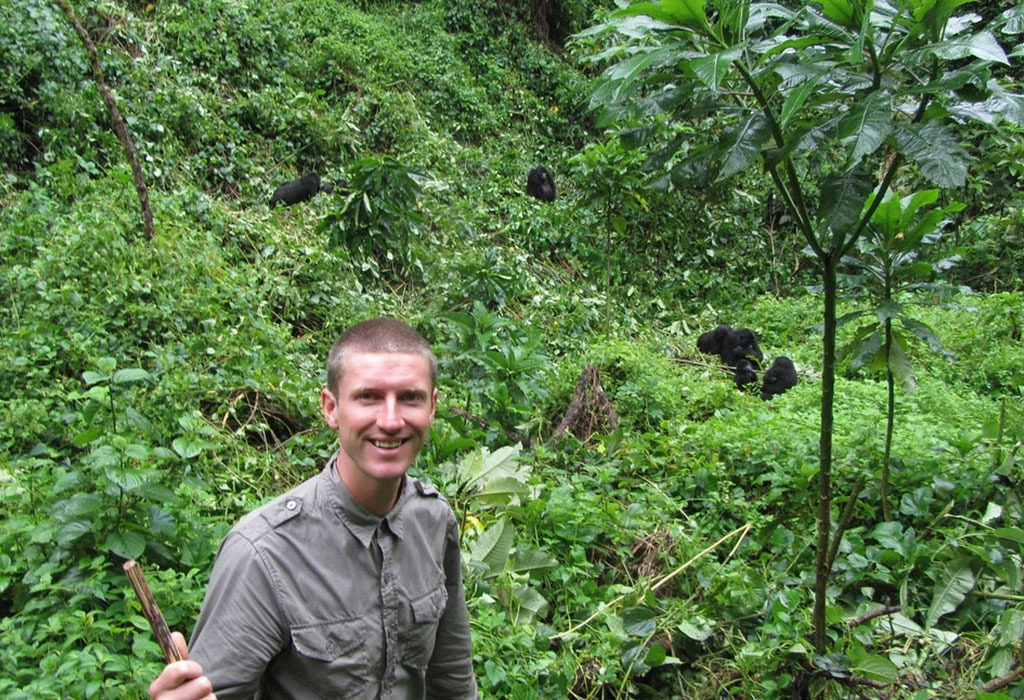
Getting to Bwindi Impenetrable National Park for gorilla habituation experiences requires careful planning and understanding of the various transportation options available from international airports to the remote Rushaga sector. Travelers can choose between two primary international entry points: Entebbe International Airport in Uganda or Kigali International Airport in Rwanda, each offering distinct advantages and travel times to reach the exclusive gorilla habituation sites. The journey involves combinations of road and air transportation, with routes varying significantly in duration, cost, and comfort levels. Understanding these transportation options, booking requirements, and logistical considerations is essential for ensuring a smooth arrival at one of Africa’s most exclusive wildlife destinations.
Understanding Bwindi’s Location and Access Points
Bwindi Impenetrable National Park sits strategically positioned along the border between Uganda and Rwanda, creating unique opportunities for international travelers to access this UNESCO World Heritage site from multiple entry points. The park’s remote location in the mountainous terrain of southwestern Uganda means that all transportation routes involve significant travel times and careful coordination, regardless of the chosen approach.
The park’s position near the Rwanda border provides particular advantages for travelers who choose to enter through Kigali, as Rwanda’s excellent road infrastructure and efficient border crossing procedures can significantly reduce overall travel time. However, the traditional route through Uganda via Entebbe offers its advantages, including direct access to Uganda’s tourism infrastructure and the opportunity to experience the country’s diverse landscapes during the journey.
The Rushaga sector, where all gorilla habituation experiences take place, is located in the southern portion of Bwindi Impenetrable National Park. This sector was specifically chosen for habituation programs due to its accessibility, gorilla population density, and suitable terrain for extended observation periods. Understanding the sector’s location helps travelers plan their arrival timing and accommodation arrangements more effectively.
Road Transportation Options
The Uganda Route: Entebbe to Rushaga
The overland journey from Entebbe International Airport to the Rushaga sector represents the most traditional approach to reaching Bwindi for gorilla habituation. This route covers approximately 460 kilometers and typically requires 8-9 hours of driving time, depending on road conditions, traffic, and necessary stops. The journey provides travelers with comprehensive exposure to Uganda’s diverse landscapes, from the shores of Lake Victoria through rolling hills and traditional farming communities to the mountainous terrain surrounding Bwindi.
The route passes through several significant Ugandan towns, each offering opportunities for rest stops, fuel, and supplies. Masaka, the first major town after leaving Kampala, provides essential services and marks the transition from urban to rural landscapes. Mbarara, located roughly halfway through the journey, serves as a major regional center with good facilities for extended stops, including restaurants, hotels, and fuel stations.
The final portion of the journey from Mbarara to Bwindi involves increasingly challenging terrain as the road climbs into the mountainous region. Kabale, the last major town before reaching Bwindi, sits at a high elevation and provides spectacular views of the surrounding mountains and terraced hillsides. The road from Kabale to Rushaga requires careful navigation and typically takes 1-2 hours, depending on weather conditions.
The Rwanda Route: Kigali to Rushaga
The route from Kigali International Airport to Rushaga offers significant time advantages, covering approximately 160 kilometers in 4-5 hours of driving time. Rwanda’s excellent road infrastructure, including well-maintained highways and efficient border crossing procedures, makes this route increasingly popular among international travelers seeking to minimize travel time while maximizing their time in Bwindi.
The journey from Kigali to the Uganda border showcases Rwanda’s remarkable post-genocide development, with excellent roads, clean cities, and well-organized infrastructure. The route passes through Rwanda’s famous thousand hills landscape, providing spectacular scenery and opportunities to observe the country’s impressive conservation and development achievements.
Border crossing procedures at either Cyanika or Katuna border posts are generally straightforward, though travelers should ensure they have proper documentation and any required visas. Processing times at border crossings can vary, so travelers should allow additional time for immigration and customs procedures.
Air Transportation Options
Domestic Flights from Entebbe
Air transportation from Entebbe International Airport to Kisoro airstrip provides a time-efficient alternative to the long overland journey through Uganda. Several domestic airlines, including Aero-link and Fly Uganda, operate regular flights to Kisoro, significantly reducing travel time and providing spectacular aerial views of Uganda’s diverse landscapes.
The flight to Kisoro typically takes 1.5-2 hours, depending on weather conditions and aircraft type. These flights operate on smaller aircraft suitable for the short airstrip at Kisoro, and weight restrictions may apply for luggage and passengers. Weather conditions can affect flight schedules, particularly during rainy seasons, so travelers should maintain flexible itineraries when choosing air transportation.
Kisoro airstrip is located approximately 45 minutes by road from the Rushaga sector, making the total travel time from Entebbe to Rushaga approximately 3-4 hours when flying. This time saving is particularly valuable for travelers with limited time or those who prefer to minimize the physical demands of long overland journeys.
Air Transportation Limitations from Kigali
Currently, there are no direct flights from Kigali to Kisoro airstrip, limiting air transportation options for travelers entering through Rwanda. This limitation means that travelers choosing to enter through Kigali must complete their journey to Rushaga entirely by road, though the excellent road infrastructure in Rwanda helps minimize the impact of this limitation.
The absence of direct flights from Kigali to Kisoro reflects the relatively short distance between these locations and the quality of road connections. For many travelers, the 4-5 hour drive from Kigali to Rushaga is preferable to the complications of connecting flights and the additional costs associated with air transportation.
Gorilla Habituation Specific Considerations
Exclusive Rushaga Sector Access
To participate in the gorilla habituation experience, you must go to the Rushaga sector of Bwindi Impenetrable National Park, as we conduct the experience exclusively there. This simplifies your travel planning, so coordinate all accommodations, transportation, and logistical arrangements around Rushaga as your final destination.
The Rushaga sector’s infrastructure has been developed specifically to support habituation programs, including specialized briefing facilities, trained guide teams, and emergency response capabilities. This focused development ensures that visitors receive comprehensive support for their habituation experience while maintaining the specialized nature of these encounters.
Permit Requirements and Advance Booking
Gorilla habituation permits are among the most exclusive wildlife permits in the world, requiring booking 3-6 months before intended travel dates. This booking requirement significantly impacts travel planning, as transportation arrangements must be coordinated around confirmed permit dates that cannot be changed or transferred.
The limited availability of habituation permits means that travel dates are essentially fixed once permits are secured. This inflexibility requires careful coordination of all travel arrangements, including international flights, accommodation bookings, and ground transportation. Travelers should work with experienced tour operators who understand these requirements and can coordinate all aspects of the journey effectively.
Starting Point Logistics
The starting point for gorilla habituation experiences differs from standard gorilla trekking starting points, even within the Rushaga sector. This difference requires specific logistical coordination to ensure that travelers arrive at the correct location for their habituation experience briefing and departure.
Tour operators familiar with habituation programs understand these specific requirements and can provide detailed directions and coordination for the correct starting points. This specialized knowledge is essential for ensuring that travelers arrive at the correct location at the proper time for their habitat experience.
Transportation Planning and Coordination
Timing and Schedule Coordination
Successful travel to Bwindi for gorilla habituation requires careful coordination of multiple transportation components, including international flights, domestic transportation, and local transfers. The remote location of Rushaga means that arrival timing must be carefully planned to ensure adequate rest before the physically demanding habituation experience.
Most travelers plan to arrive in Rushaga the evening before their habituation experience, allowing time for rest, briefing, and preparation. This timing requires coordination of all transportation components to ensure arrival by late afternoon or early evening, depending on the chosen route and transportation methods.
Weather and Seasonal Considerations
Weather conditions can significantly impact transportation to Bwindi, particularly during rainy seasons when road conditions may become challenging, and flight schedules may be affected. Travelers should consider seasonal weather patterns when planning their journey and should maintain flexible itineraries to accommodate weather-related delays.
The mountainous terrain around Bwindi creates localized weather patterns that can affect transportation even when conditions are favorable in other regions. Road conditions can change rapidly during rainy periods, and air transportation may be affected by mountain weather conditions even when conditions are clear at departure points.
Conclusion
Getting to Bwindi for gorilla habituation experiences requires careful planning, flexible scheduling, and an understanding of the various transportation options available. Whether choosing the traditional route through Uganda or the more direct approach through Rwanda, travelers must coordinate multiple transportation components while maintaining focus on the exclusive nature of their final destination.
The journey to Bwindi represents an integral part of the overall gorilla habituation experience, providing opportunities to understand the remote location and conservation challenges facing mountain gorillas. Successful navigation of these transportation challenges ensures that travelers arrive prepared and refreshed for one of the world’s most exclusive wildlife encounters.
The investment in proper transportation planning pays dividends in the form of smooth, stress-free arrival at one of Africa’s most remarkable wildlife destinations, setting the stage for transformative encounters with mountain gorillas in their natural habitat.





