
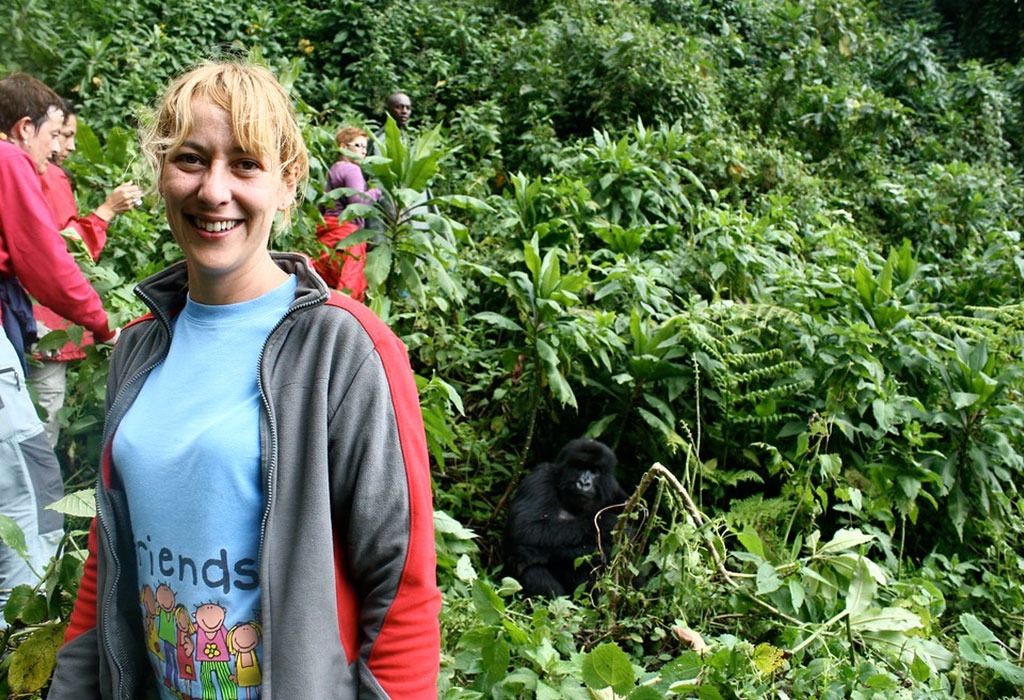
First Aid Kit Essentials for Gorilla Trekking: Gorilla trekking takes you deep into remote rainforest areas. Medical help can be hours or even days away. The tough terrain, thick plants, changing weather, and wildlife create many chances for minor injuries or sickness. Therefore, a good first aid kit becomes your main protection. It helps you handle common problems while you enjoy this amazing experience with peace of mind.
Wound Care Essentials: Your Primary Defense
Bandages and Protective Coverings
First Aid Kit Essentials for Gorilla Trekking: Different bandage sizes form the base of good wound care in the wilderness. Regular adhesive bandages in various sizes work for everything from small cuts to larger scrapes. These injuries often happen when moving through thick plants or over rocky ground. Additionally, waterproof bandages are especially useful in the humid rainforest. They stay on when regular bandages would fall off.
Gauze pads cover larger wounds that need more protection. You can secure these clean pads with medical tape. This creates custom-sized coverings for odd-shaped wounds or spots where regular bandages won’t stick. In other words, gauze and tape together give you options for treating different wound types during your trek.
Cleaning and Sterilization Supplies
First Aid Kit Essentials for Gorilla Trekking: Antiseptic wipes or solutions are your first defense against infection in the wild. Clean water may be hard to find. Single antiseptic wipes are handy and pre-measured. They don’t need extra water or tools. On the other hand, small bottles of antiseptic solution provide more uses but require clean water.
Tweezers are vital for removing splinters, thorns, or other debris. These often get stuck in your skin during forest hiking. Pick tweezers with thin tips for careful work. Make sure they’re stainless steel so they won’t rust in damp conditions. Furthermore, small scissors help with cutting tape, gauze, or clothing when you need to reach wounds.
Blister Prevention and Treatment
Advanced Blister Protection
First Aid Kit Essentials for Gorilla Trekking: Blister plasters like Compeed are made specifically for preventing and treating blisters. These special dressings create a protective layer while keeping the right moisture level for healing. They stick well even when wet. This makes them perfect for long gorilla treks.
Moleskin or second-skin products offer more choices for blister prevention on areas with lots of rubbing. You can put these materials on problem spots before blisters form. You can also use them once hot spots appear. The cushioning reduces pressure, while the smooth surface cuts down on rubbing during continued hiking.
Pain Relief and Comfort Management
Anti-inflammatory Medications
First Aid Kit Essentials for Gorilla Trekking: Ibuprofen does two things at once. It relieves pain and reduces swelling. This makes it especially helpful for muscle soreness and joint pain from long hikes. The anti-swelling properties help with minor injuries. Meanwhile, the pain-relief effects make you more comfortable.
Paracetamol (acetaminophen) gives you another pain relief choice. It works differently and has different side effects. Having both medicines available gives you flexibility for different types of discomfort. It also helps if you can’t take one type of medication.
Digestive Health Management
Gastrointestinal Medications
Anti-diarrheal medicine like loperamide provides important relief for traveler’s diarrhea. This often happens when you eat new foods or drink different water. Since gorilla trekking spots are remote, stomach problems are especially troublesome. They can seriously affect your ability to finish the trek.
Rehydration salts are crucial for keeping your body balanced during stomach illness or heavy sweating. These pre-measured packets have the right amounts of sodium, potassium, and glucose. They help your body rehydrate quickly. Plus, the small packaging makes them easy to carry while giving you essential treatment.
Allergy and Sensitivity Management
Antihistamine Protection
Antihistamines treat allergic reactions to plants, bug bites, or food sensitivities that may develop during travel. Fast-acting types give quick relief from itching, swelling, or breathing problems. Without treatment, these could ruin your trekking experience.
The thick plants and many insects in gorilla areas increase your contact with possible allergens. As a result, antihistamines are particularly valuable for sensitive people. Pack both pills for whole-body reactions and creams for skin reactions.
Insect Protection and Bite Treatment
Repellent Technology
Insect repellent with DEET or picaridin protects you from mosquitoes, ticks, and other disease-carrying bugs. These are common in tropical areas. DEET levels between 20-30% give the best protection time while causing less skin irritation. Similarly, picaridin-based repellents work just as well with less smell and fewer skin problems.
After-bite cream or lotion with hydrocortisone or calamine soothes insect bites and stings. These treatments reduce itching and swelling. They also prevent infections from scratching.
Additional Essential Items
Environmental Protection
Sunscreen is important even in forests where filtered sunlight can cause surprise burns. This is especially true at higher heights where gorillas live. Choose broad-spectrum types with SPF 30 or higher. Don’t forget lip balm with UV protection for exposed face areas.
Hand sanitizer helps you stay clean when soap and water aren’t around. Alcohol-based sanitizers with at least 60% alcohol kill bacteria and viruses that could make you sick during your trek.
Practical Supplies
Emergency blankets give you compact heat protection. They prevent hypothermia or treat shock. These light, shiny materials provide lots of warmth while taking up very little space in your pack.
Wet wipes serve many purposes. You can use them for personal cleaning or equipment wiping. Choose options that break down naturally so they won’t harm the forest. Medical waste bags let you properly throw away used medical supplies. This maintains Leave No Trace rules.
Packing and Preparation Considerations
Waterproof Protection
Make sure your entire first aid kit is waterproof or stored in waterproof containers. The high humidity and frequent rain in gorilla trekking areas can damage medicine and cleaning supplies. Dry bags or waterproof cases give essential protection for these critical items.
Weight Management
Balance good preparation with practical weight limits. Pick lightweight, small versions of essential items. Avoid bringing duplicates. Think about the trek length and group size when deciding how much of each supply to bring.
Professional Consultation
Talk to your doctor before you leave. Discuss your specific health needs, medicine requirements, and possible risks connected with gorilla trekking. Personal medical conditions may need special medicines or extra care not covered in regular first aid advice.
Consider hiring porters for long or hard treks. They can help carry first aid supplies along with other gear. This lets you bring more complete medical preparation without tiring yourself during the demanding hike.
Final Thoughts
First Aid Kit Essentials for Gorilla Trekking: Proper first aid preparation lets you handle common trekking problems on your own. This way, you can focus on the incredible experience of seeing mountain gorillas in their natural home.





