Educational tours in Rwanda offer transformative learning experiences that immerse students and groups in the country’s remarkable wildlife, profound history, and vibrant culture. As a nation that has risen from tragedy to become one of Africa’s most progressive destinations, Rwanda provides unique opportunities for educational exploration. Local and international tour operators design specialized programs that combine academic learning with real-world experiences, arranging comprehensive packages that include transportation, accommodation, meals, and knowledgeable guides. These tours facilitate deep engagement with Rwanda’s conservation efforts, cultural heritage, and community development initiatives, making the country an ideal destination for meaningful educational travel.
Historical and Cultural Tours: Understanding Rwanda’s Journey
Rwanda’s historical and cultural tours provide profound insights into the nation’s complex past and its remarkable journey toward healing and reconciliation. These educational experiences focus particularly on the 1994 Genocide against the Tutsi and the country’s subsequent recovery, offering students invaluable lessons about resilience, forgiveness, and human dignity.
Kigali Genocide Memorial
The Kigali Genocide Memorial stands as the most significant site for understanding Rwanda’s recent history. This deeply moving memorial features comprehensive exhibits that chronicle the events leading to the genocide, document the atrocities committed, and illustrate the nation’s ongoing journey toward reconciliation and unity. Educational groups spend time engaging with survivor testimonies, examining historical documentation, and reflecting on the importance of preventing such tragedies in the future.
King’s Palace Museum
The King’s Palace Museum in Nyanza offers a fascinating glimpse into Rwanda’s pre-colonial era. This carefully reconstructed royal palace showcases the sophisticated monarchical system that governed Rwanda for centuries. Students learn about traditional governance structures, royal customs, and the daily life of Rwanda’s historical rulers. The museum’s grounds also feature the impressive traditional long-horned Inyambo cattle, which held special ceremonial significance in Rwandan culture.
Ethnographic Museum
Located in Huye (formerly Butare), the Ethnographic Museum houses one of Africa’s finest ethnographic collections. However, its seven extensive galleries display thousands of historical artifacts that tell the story of Rwanda’s cultural evolution. After all, Students explore exhibits featuring traditional tools, clothing, pottery, and household items that illustrate how Rwandan communities lived, worked, and celebrated throughout history.
Mbyo Reconciliation Village
Mbyo Reconciliation Village provides a deeply personal dimension to understanding Rwanda’s healing process. Here, visitors have the unique opportunity to hear firsthand accounts from genocide survivors and perpetrators who now live side by side as neighbors. These powerful testimonies and the witness of community reconciliation efforts offer profound lessons about forgiveness, justice, and the possibility of rebuilding society after unspeakable violence.
Nyamirambo Women’s Center
The Nyamirambo Women’s Center (NWC) in Kigali delivers hands-on cultural education while supporting women’s empowerment. On the other hand, Educational groups participate in guided walking tours through the vibrant Nyamirambo neighborhood, learning about local life, Muslim culture in Rwanda, and community development. Students can also join sewing classes, taste traditional cuisine, and interact directly with the women entrepreneurs who run the center.
Iby’iwacu Cultural Village
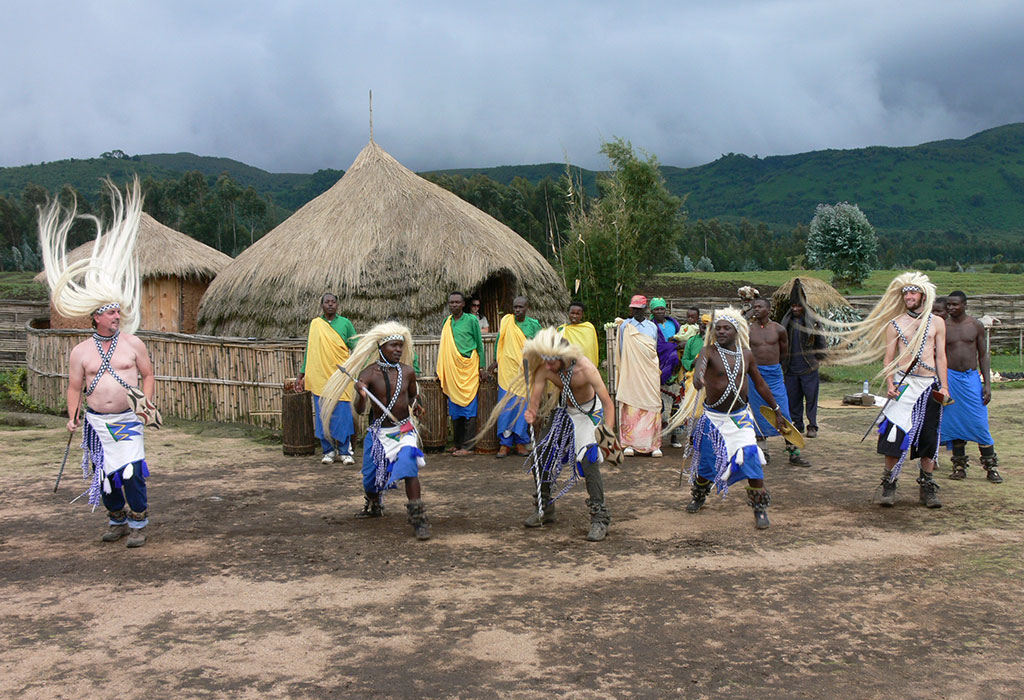
Near Volcanoes National Park, the Iby’iwacu Cultural Village (also known as Gorilla Guardians Village) immerses visitors in traditional Rwandan life. Educational groups experience authentic cultural practices, including traditional drumming performances, intore dancing, banana beer brewing, and visits to reconstructed traditional homes. However, former poachers who now work as cultural ambassadors share their stories of transformation and commitment to conservation.
Rwanda Art Museum
The Rwanda Art Museum, housed in the former residence of German explorer Richard Kandt in Kigali, beautifully blends colonial history with contemporary Rwandan artistic expression. Students explore how Rwandan artists are using their work to process the past, express identity, and envision the future.
Wildlife and Conservation Tours: Biodiversity and Protection
Rwanda’s wildlife and conservation tours provide exceptional educational opportunities for students to learn about biodiversity, ecosystem management, and the critical importance of conservation efforts.
Volcanoes National Park
Serves as the primary destination for mountain gorilla trekking and golden monkey tracking. On the other hand, Educational groups learn about the remarkable conservation success story that has brought mountain gorillas back from the brink of extinction. Students gain insights into primate behavior, habitat protection, anti-poaching efforts, and the economic benefits that conservation tourism brings to local communities. The experience of encountering these magnificent creatures in their natural habitat creates lasting impressions that inspire conservation advocacy.
Nyungwe National Park
One of Africa’s oldest rainforests offers unparalleled opportunities to study forest biodiversity. Educational tours include chimpanzee trekking, encounters with various monkey species, and exploration of the park’s incredible plant diversity. The famous canopy walkway, suspended high above the forest floor, provides a unique perspective for observing the rainforest ecosystem. Students learn about the interconnected relationships between species and the vital role that forests play in climate regulation and water conservation.
Akagera National Park
Rwanda’s only savannah ecosystem has undergone remarkable restoration. In addition, Educational game drives provide opportunities to observe the Big Five—lions, elephants, rhinos, leopards, and buffalo—along with numerous other wildlife species. Boat cruises on Lake Ihema offer exceptional bird-watching and hippo viewing while guides explain wetland ecology and the park’s successful reintroduction programs that have brought back locally extinct species.
Nyandungu Urban Wetland Eco-Park
Kigali demonstrates innovative urban conservation. This restored wetland serves as an outdoor classroom for environmental education, showcasing sustainable urban planning, water purification systems, and urban biodiversity. Bird-watching tours introduce students to the importance of wetlands in supporting migratory species and maintaining ecological balance.
Community-Based and Sustainable Tourism: Engaging with Local Development
Educational Tours in Rwanda, focusing on community development and sustainable practices, provide students with insights into Rwanda’s grassroots economic initiatives and environmental sustainability efforts.
Coffee and Tea Plantation Tours
Offer comprehensive learning experiences about Rwanda’s most important agricultural exports. However, Students participate in the entire production process, from harvesting cherries and leaves through processing, roasting, and brewing. In addition, Direct interaction with local farmers provides insights into agricultural economics, fair trade practices, and the challenges and opportunities facing rural communities.
Agritourism Experience Tours
Deliver hands-on farming experiences that emphasize sustainable food systems, ecological agriculture, and rural entrepreneurship. Students engage directly with farming activities while learning about soil conservation, organic farming methods, and food security initiatives that are transforming Rwanda’s agricultural sector.
Tour operators like Anthill Safaris facilitate meaningful community engagement by incorporating hands-on involvement in local development projects. Educational groups might participate in skills training programs, support educational initiatives, or engage in cultural exchange activities that build understanding between international visitors and Rwandan communities.
Visits to women-led cooperatives, particularly artisan groups specializing in traditional weaving and basket-making, support economic empowerment while facilitating cultural exchange. On the other hand, Students learn traditional craft techniques, understand the economic challenges facing rural women, and appreciate how cultural heritage can be leveraged for sustainable economic development. Besides, these interactions provide powerful lessons about entrepreneurship, gender equality, and the preservation of traditional arts.
Through these diverse educational tours, Rwanda offers students transformative learning experiences that combine academic knowledge with emotional engagement, environmental awareness with cultural appreciation, and historical understanding with hope for the future.