Combining chimpanzee trekking with other activities transforms a single primate encounter into an unforgettable East African odyssey. The region’s diverse ecosystems and rich cultural heritage create endless possibilities for adventure seekers and wildlife enthusiasts. Uganda and Rwanda, the premier destinations for chimpanzee trekking, offer seamless opportunities to experience everything from Big Five safaris to mountain gorilla encounters, all within relatively compact geographic areas. Whether you’re drawn to the thundering spectacle of waterfall-framed game drives, the intimate experience of meeting habituated gorilla families, or the vibrant traditions of indigenous communities, the infrastructure and expertise exist to craft personalized itineraries that maximize your time while delivering diverse, meaningful experiences across this remarkable corner of Africa.
Wildlife Safari Experiences
Combining Chimpanzee Trekking With Other Activities. The savanna ecosystems surrounding many chimpanzee trekking destinations provide spectacular opportunities for traditional game viewing. Uganda particularly excels at offering this combination, where the lush forests hosting chimpanzee populations sit within a reasonable distance of celebrated savanna parks teeming with iconic African wildlife.
Game Drives and Big Five Encounters
 After trekking through the verdant forests of Kibale National Park in search of chimpanzees, you can easily transition to the sprawling grasslands of Queen Elizabeth National Park or the dramatic landscapes of Murchison Falls National Park. These renowned reserves offer excellent opportunities to spot the legendary Big Five: lions lounging in fig trees, leopards stalking through tall grass, massive elephant herds, intimidating buffalo, and the increasingly rare rhinoceros. The contrast between tracking primates through dense forest canopy and observing megafauna across open plains creates a remarkably diverse wildlife experience within a single journey.
For travelers specifically seeking rhino encounters to complete their Big Five checklist, a visit to Ziwa Rhino Sanctuary provides guaranteed sightings of these magnificent creatures. Located conveniently on the route to Murchison Falls, this sanctuary plays a crucial role in rhinoceros conservation while offering visitors intimate tracking experiences with trained guides who share fascinating insights into rhino behavior and protection efforts.
Aquatic Wildlife Perspectives
 Boat safaris add another dimension to your wildlife viewing, offering relaxed yet productive game watching from a completely different vantage point. The Kazinga Channel boat cruise in Queen Elizabeth National Park ranks among East Africa’s most rewarding aquatic wildlife experiences. This natural waterway connecting Lake Edward and Lake George attracts enormous concentrations of hippos, Nile crocodiles, elephants coming to drink, buffalo herds, and an astonishing diversity of waterbirds, including African fish eagles, pied kingfishers, and various heron species. The opportunity to photograph wildlife from the stable platform of a boat, often at close range, provides images and memories distinct from traditional game drives.
Primate Encounters Beyond Chimpanzees
Combining Chimpanzee Trekking With Other Activities: East Africa’s forests harbor an extraordinary diversity of primate species, and many chimpanzee trekking destinations provide access to other rare and endangered primates that few travelers ever witness.
Mountain Gorilla Trekking
 Combining chimpanzee and mountain gorilla trekking represents the ultimate primate safari experience. Uganda offers exceptional opportunities for this pairing, with Kibale National Park’s chimpanzees and Bwindi Impenetrable National Park’s mountain gorillas accessible within a cohesive itinerary. The experience of encountering these two great ape species in their natural habitats within days of each other provides profound insights into primate behavior, conservation challenges, and evolutionary relationships. Rwanda similarly facilitates this combination through Nyungwe National Park for chimpanzees and Volcanoes National Park for gorillas, with the advantage of shorter driving distances given Rwanda’s compact size.
Specialized Primate Experiences
Combining Chimpanzee Trekking With Other Activities: Beyond the flagship great ape encounters, several unique primate experiences enhance your East African adventure. Golden monkey trekking in Uganda’s Mgahinga Gorilla National Park offers the chance to observe these endangered, strikingly beautiful primates found only in the Albertine Rift’s bamboo forests. Their playful behavior and distinctive golden-orange fur provide a delightful contrast to the more contemplative chimpanzees and gorillas.
For those seeking deeper chimpanzee engagement, the chimpanzee habituation experience offers a full-day immersion rather than the standard one-hour trek. This intensive experience allows you to accompany researchers and habituators from dawn as the chimpanzees wake and begin their daily routines, providing unparalleled observation opportunities and insight into the gradual process of habituating wild chimpanzees to human presence.
Guided primate walks through areas like Kibale’s Bigodi Wetland Sanctuary reveal the region’s remarkable primate diversity. These excursions frequently encounter black-and-white colobus monkeys with their magnificent flowing fur, L’Hoest’s monkeys, red-tailed monkeys, grey-cheeked mangabeys, and numerous other species that occupy various forest niches, each with distinctive behaviors and ecological roles.
Cultural and Natural Exploration
The human communities surrounding East Africa’s protected areas have rich cultural traditions and deep connections to these landscapes, offering valuable perspectives beyond wildlife encounters.
Cultural Immersion Opportunities
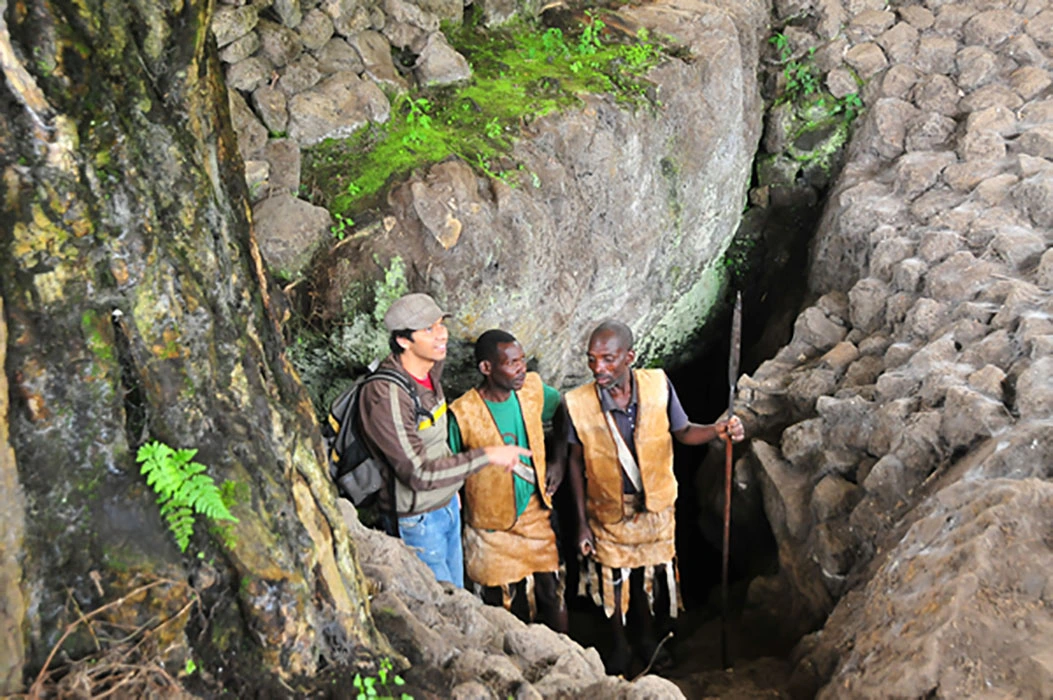 Cultural village visits provide meaningful exchanges with local communities and insights into traditional lifestyles. The Batwa cultural experience near Bwindi Impenetrable National Park proves particularly moving, as the Batwa people share their forest heritage after transitioning from their ancestral hunter-gatherer existence when the forest became protected. These encounters foster understanding of conservation’s human dimensions while supporting community development through tourism revenue.
Visits to traditional homesteads and communities near Kibale National Park reveal agricultural practices, craft traditions, and daily life in rural Uganda. Many tour operators facilitate authentic, respectful cultural exchanges that benefit local people while enriching visitors’ understanding of the region.
Nature Walks and Birding

Guided nature walks through wetlands and forests complement primate trekking with focused attention on smaller wildlife, vegetation, and ecological relationships. The Bigodi Swamp Walk near Kibale National Park traverses pristine wetland habitat managed by the local community, offering excellent birding alongside possible primate encounters and insights into wetland ecology and community-based conservation.
East Africa’s forests rank among the world’s premier birding destinations, with hundreds of species, including numerous Albertine Rift endemics found nowhere else on Earth. Kibale alone hosts over 375 bird species, while Nyungwe boasts more than 300. Dedicated birders can add substantial bird lists to their trip, while even casual observers will marvel at the colorful turacos, hornbills, sunbirds, and countless other species.
Cultural and Natural Landmarks
Combining Chimpanzee Trekking With Other Activities: Regional landmarks add historical and geological interest to your safari. Near Kibale, the Amabere Ga Nyinamwiru caves feature impressive stalactite and stalagmite formations steeped in local legend, while nearby crater lakes offer scenic beauty and cultural significance. The Tooro Kingdom palace provides insights into Uganda’s traditional monarchies and their continued cultural relevance.
Suggested 8 Day Chimpanzee Trekking Itinerary Breakdown
Day 1: Arrival and Transfer to Bwindi Impenetrable National Park
Your African adventure begins upon landing at Kigali International Airport, where you’ll meet your experienced guide and safari vehicle. After brief formalities and a welcome briefing, you’ll embark on the scenic drive toward Uganda’s border, passing through Rwanda’s famously manicured countryside of terraced hillsides and vibrant communities. The journey to Bwindi Impenetrable National Park typically takes five to six hours, crossing into Uganda at the Cyanika or Katuna border post.
As you approach Bwindi, the landscape transforms dramatically. The park’s name proves entirely accurate—this ancient rainforest appears genuinely impenetrable, with dense vegetation cascading down steep mountain slopes. Upon arrival at your lodge, positioned strategically near one of Bwindi’s trekking sectors, you’ll have time to settle in, receive your gorilla trekking briefing, and rest in anticipation of tomorrow’s extraordinary encounter. Evening hours offer opportunities to enjoy your lodge’s amenities, perhaps taking in sunset views over the forest canopy while listening to the evening chorus of forest birds and distant chimpanzee calls.
Day 2: Mountain Gorilla Trekking in Bwindi
This day ranks among the most memorable experiences available anywhere in Africa. After an early breakfast, you’ll proceed to the park headquarters for a comprehensive briefing from Uganda Wildlife Authority rangers. These experts explain gorilla behavior, trekking protocols, safety guidelines, and the specific gorilla family you’ll visit. Bwindi harbors roughly half the world’s remaining mountain gorillas, distributed among numerous habituated families across different sectors.
Gorilla trekking difficulty varies considerably depending on which family you’re assigned and their location that morning. Treks may last anywhere from one to six hours through challenging terrain—steep slopes, thick vegetation, muddy paths, and high altitude all demand reasonable fitness. However, the moment you first glimpse these magnificent creatures, all physical discomfort evaporates instantly.
The hour spent observing your gorilla family proves utterly mesmerizing. Watching massive silverbacks maintain group cohesion, females tenderly caring for infants, juveniles playing boisterously, and the entire family going about their daily routines with apparent indifference to your presence creates profound connections and lasting memories. The gorillas’ remarkably human-like expressions, gestures, and family dynamics remind us of our shared evolutionary heritage and the urgent importance of protecting these critically endangered great apes.
After your trek, return to the lodge for a well-deserved rest, celebration of your achievement, and reflection on this bucket-list experience. Many lodges offer certificate presentations commemorating your gorilla encounter, and the evening provides opportunities to share stories with fellow trekkers.
Day 3: Transfer to Queen Elizabeth National Park
Departing Bwindi, your journey continues northward toward Queen Elizabeth National Park, Uganda’s most visited protected area. This approximately four-hour drive showcases Uganda’s remarkable landscape diversity, transitioning from mountain rainforest to rolling highlands and eventually the savanna ecosystems characteristic of the western Rift Valley.
Queen Elizabeth National Park’s 1,978 square kilometers encompass extraordinary habitat variety—from open grasslands to tropical forests, wetlands to crater lakes—supporting Uganda’s highest biodiversity count of any protected area. Upon arrival, you’ll proceed directly to an evening game drive, capitalizing on the late afternoon hours when wildlife becomes increasingly active as temperatures cool.
Evening game drives frequently produce exceptional sightings as predators begin hunting and herbivores emerge from daytime resting spots. The park’s population of tree-climbing lions in the Ishasha sector has gained international fame, while elephants, buffaloes, Uganda kobs, waterbucks, warthogs, and numerous other species roam the plains. The setting sun casting golden light across the savanna, with the dramatic Rwenzori Mountains forming a distant backdrop, creates magical photographic opportunities.
Day 4: Full Day in Queen Elizabeth National Park
This full day dedicated to Queen Elizabeth National Park maximizes your wildlife viewing through complementary perspectives—morning game drives and afternoon boat cruises.
The morning game drive departs early, taking advantage of the cool hours when predators may still be active, and prey species graze openly. Your experienced guide navigates productive areas, reading animal tracks, interpreting behavioral cues, and positioning the vehicle for optimal viewing and photography. Beyond large mammals, the park hosts over 600 bird species, making it a premier birding destination that delights ornithologists and casual observers alike.
The afternoon’s highlight arrives with your boat cruise along the Kazinga Channel, a natural waterway connecting Lake Edward and Lake George. This 32-kilometer channel attracts extraordinary wildlife concentrations, particularly during dry seasons when animals congregate around permanent water sources. From your comfortable boat position, you’ll observe enormous hippo pods—sometimes numbering hundreds of individuals—alongside Nile crocodiles basking on muddy banks, elephants drinking and bathing, buffalo herds, and spectacular birdlife including African fish eagles, pied kingfishers, malachite kingfishers, and various heron, stork, and ibis species.
The boat cruise offers unique photographic opportunities impossible during land-based game drives, with stable platforms, close wildlife approaches, and beautiful water reflections enhancing your images. The relaxed pace also provides welcome rest after several active days while maintaining consistent wildlife engagement.
Day 5: Journey to Kibale Forest National Park
Today’s relatively short transfer north to Kibale Forest National Park takes approximately three hours through scenic countryside, passing traditional villages, tea plantations, and increasingly forested terrain as you approach Uganda’s primate capital.
Kibale Forest National Park protects 795 square kilometers of primarily mid-altitude tropical rainforest, harboring East Africa’s highest primate diversity and density. The park’s thirteen primate species include over 1,500 chimpanzees alongside red colobus, black-and-white colobus, L’Hoest’s monkeys, blue monkeys, red-tailed monkeys, grey-cheeked mangabeys, and various nocturnal species. This remarkable primate community, combined with 375 bird species and stunning forest scenery, makes Kibale a naturalist’s paradise.
Upon arrival, settle into your lodge and perhaps enjoy a late afternoon nature walk around the property, where numerous primate species frequently visit, and forest birds provide constant entertainment. The evening offers time to prepare for tomorrow’s chimpanzee trekking—ensuring appropriate clothing, checking camera equipment, and reviewing guidelines for primate encounters.
Day 6: Chimpanzee Trekking and Bigodi Swamp Walk
Your chimpanzee trek begins with an early morning briefing at Kanyanchu Visitor Center, where rangers explain chimpanzee behavior, trekking expectations, and observation protocols. Kibale’s chimpanzee trekking boasts high success rates—typically exceeding 90%—due to the habituated communities and experienced trackers who locate the chimps each morning before treks begin.
The trek through Kibale’s magnificent forest proves enchanting even before encountering chimpanzees. Towering trees create a cathedral-like atmosphere, while butterflies, forest birds, and various primate species provide constant interest. When you finally locate your chimpanzee community, the experience proves thrilling and dynamic—quite different from gorilla trekking’s contemplative observation.
Chimpanzees are incredibly active, vocal, and social. You might witness dramatic displays as males assert dominance, grooming sessions reinforcing social bonds, mothers nursing infants, juveniles playing acrobatically through the canopy, or feeding frenzies when the group discovers a fruiting tree. Their remarkable vocalizations—pant-hoots, screams, laughter, and drumming on buttress roots—echo through the forest, creating an unforgettable soundscape.
After your chimpanzee encounter, the afternoon brings the guided Bigodi Swamp Walk through pristine wetland habitat adjacent to Kibale. This community-managed conservation initiative showcases sustainable tourism’s benefits while offering excellent primate viewing, exceptional birding—including the rare and spectacular Great Blue Turaco—and insights into wetland ecology. The boardwalk system allows comfortable access through otherwise impenetrable swamps, and local guides share extensive knowledge about medicinal plants, traditional resource use, and community conservation efforts.
Day 7: Relaxation at Lake Bunyonyi
After several days of intensive wildlife activities, today brings welcome relaxation at Lake Bunyonyi, often called Africa’s most beautiful lake. The approximately four-hour drive southward traverses spectacular scenery as you approach this mountain lake characterized by dramatically steep, terraced hillsides and numerous islands dotting its clear waters.
Lake Bunyonyi sits at 1,962 meters, making it one of Africa’s deepest lakes and pleasantly cool even on warm days. The afternoon’s canoe ride explores the lake’s islands, each with a unique history and character. Local guides share legends associated with various islands while pointing out kingfishers, cormorants, herons, and the beautiful grey-crowned cranes for which the lake is named—”Bunyonyi” means “place of many little birds” in the local language.
The serene environment provides perfect opportunities for reflection on your incredible week of primate encounters and wildlife viewing. Many travelers use this time for journaling, organizing photographs, or simply absorbing the peaceful atmosphere after their intensive safari schedule.
Day 8: Return to Kigali for Departure
Your final day involves the return journey to Kigali, typically taking four to five hours depending on border formalities. The morning departure allows time for a leisurely breakfast and final appreciation of Lake Bunyonyi’s beauty before beginning your transfer.
Upon reaching Kigali with time before your flight, many operators include a brief city tour, visiting the Kigali Genocide Memorial, local craft markets, or simply experiencing Rwanda’s remarkably clean, organized capital city. These final hours provide cultural context for your wilderness adventures and opportunities for last-minute souvenir shopping before proceeding to the airport for your departure flight, carrying memories of an extraordinary week encountering Africa’s most magnificent primates and diverse wildlife.
Planning Your Combined Safari
Successful combined safaris require thoughtful planning to maximize experiences while managing logistics, costs, and time constraints.
Itinerary Design
Combining Chimpanzee Trekking With Other Activities: Since premier trekking locations and complementary activities often span different regions, creating an efficient, enjoyable itinerary demands careful consideration. Professional tour operators bring great value to your safari planning. They know how to design logical routes that save time and reduce unnecessary travel. They also arrange transport between parks and schedule activities at the best times for wildlife viewing. At the same time, they make sure you get enough rest along the way.
Most primate and safari tours require at least five to seven days to cover the highlights. However, a longer trip allows for a more relaxed pace. In addition, it gives you the chance to enjoy more experiences without feeling rushed. So if your time allows, opting for a longer itinerary is always a good idea.
Budgeting and Timing
Combining Chimpanzee Trekking With Other Activities: Combined safaris naturally increase trip costs through additional permits, park fees, accommodations, and transportation. Gorilla permits alone cost $800 in Uganda and $1,500 in Rwanda, while chimpanzee permits run $250 in Uganda and $150 in Rwanda. Understanding these costs upfront enables realistic budgeting and prioritization of must-have experiences.
Permit Reservations
Combining Chimpanzee Trekking With Other Activities: Both chimpanzee and gorilla trekking require advance permits that limit daily visitor numbers to protect the primates. Peak season (June through September and December through February) sees permits sell out months ahead, particularly for gorilla trekking. Booking several months in advance ensures availability and allows you to build your itinerary around confirmed trekking dates. Working with established tour operators streamlines this process while providing backup options if preferred dates are unavailable.