

Close Encounter with the Gorillas represents the ultimate wildlife experience, offering profound connections with our closest living relatives in their pristine mountain forest habitats. This extraordinary adventure through the ancient rainforests of Uganda, Rwanda, and the Democratic Republic of Congo creates transformative moments that resonate long after returning home. As one of the world’s rarest wildlife encounters, observing habituated mountain gorilla families in their natural environment combines physical adventure, emotional intensity, and conservation awareness into unforgettable experiences. With fewer than 1,100 mountain gorillas remaining globally, these intimate encounters offer privileged glimpses into the complex social lives of these magnificent endangered primates while directly supporting their conservation.
The World’s Most Exclusive Wildlife Experience
Mountain gorilla encounters rank among the planet’s most exclusive wildlife experiences, limited to just three countries where these magnificent primates survive in their natural habitat. Uganda, Rwanda, and the Democratic Republic of Congo represent the entire global range for mountain gorillas, making these destinations essential pilgrimage sites for serious wildlife enthusiasts and conservation supporters.
The exclusivity extends beyond geographical limitations to strict daily visitor quotas designed to minimize human impact on gorilla families. Each habituated group receives a maximum of eight visitors per day, creating intimate experiences impossible to replicate with other African wildlife species. This careful management ensures sustainable tourism while maintaining the wild nature of gorilla encounters.
The rarity of mountain gorilla encounters stems from decades of conservation efforts required to habituate wild families for tourism. The habituation process involves years of careful, gradual human contact that allows gorillas to accept human presence without altering their natural behaviors significantly. This delicate balance between accessibility and wildness creates the authentic experiences that make gorilla encounters so profound.
Journey into the Mountain Forests
Pre-Trek Preparation and Briefing
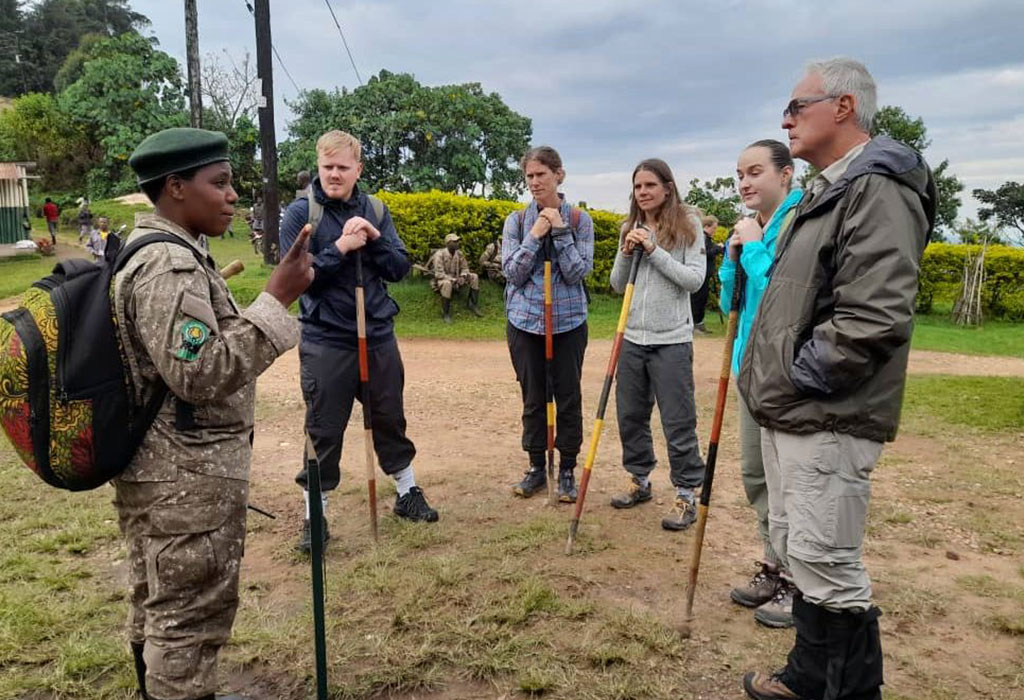
Your gorilla encounter begins before dawn with comprehensive preparation at park headquarters, where experienced rangers conduct mandatory briefings covering encounter protocols, safety procedures, and conservation education. These sessions provide crucial context about gorilla behavior, family structures, and the conservation challenges facing mountain gorilla populations.
During briefings, visitors learn about specific gorilla families they’ll encounter, including individual personalities, recent behavioral observations, and family dynamics that enhance encounter appreciation. Rangers emphasize the importance of following strict protocols designed to protect both visitors and gorillas while ensuring memorable experiences.
Group assignments consider fitness levels, hiking preferences, and individual interests to optimize encounters for all participants. Families located closer to park boundaries suit visitors with mobility concerns, while distant groups challenge adventurous hikers seeking extended forest experiences.
The Forest Adventure

Departing park headquarters with experienced guides and armed rangers, groups embark on forest adventures that vary dramatically based on gorilla locations and weather conditions. The unpredictable nature of wildlife tracking means treks can range from comfortable one-hour walks to challenging six-hour expeditions through demanding terrain.
Professional trackers utilize sophisticated skills to follow gorilla signs, including knuckle prints, feeding remains, nests, and scent trails. Radio communication between tracking teams provides real-time updates on gorilla locations, allowing guides to adjust routes and optimize encounter timing while minimizing forest disturbance.
The hiking experience itself proves remarkable, traversing diverse forest ecosystems from bamboo groves to primary rainforest canopies. The journey reveals incredible biodiversity beyond gorillas, including colorful birds, primates, butterflies, and unique plant species found nowhere else on Earth.
The Sacred Encounter

Upon locating your assigned gorilla family, the transformative encounter begins with final safety reminders and behavioral guidelines. The approach requires careful movement and quiet observation as guides position groups for optimal viewing while maintaining mandatory safety distances.
The first glimpse of mountain gorillas in their natural habitat creates overwhelming emotional responses that many describe as life-changing. The massive silverback’s imposing presence commands immediate respect, while his gentle demeanor with family members reveals the complex emotional lives of these remarkable creatures.
Observing gorilla families reveals intricate social structures with distinct individual personalities, hierarchies, and relationships. Protective mothers nurture infants while maintaining vigilance, playful juveniles engage in elaborate games, and subordinate males navigate complex social dynamics within family units.
The diversity of behaviors witnessed during encounters includes feeding rituals, grooming ceremonies, playful interactions, communication through vocalizations and gestures, and impressive displays by dominant silverbacks. These intimate observations provide profound insights into gorilla intelligence, emotional complexity, and social sophistication.
Essential Encounter Protocols
Safety and Health Protection
Strict encounter rules protect both visitors and gorillas from potential health risks and behavioral disturbances. The mandatory seven-meter minimum distance prevents disease transmission while ensuring gorilla comfort and natural behavior maintenance. Mountain gorillas share approximately 98% of human DNA, making them highly susceptible to human illnesses that could prove fatal to entire families.
Behavioral protocols include avoiding direct eye contact, which gorillas interpret as aggressive challenges, and maintaining calm, submissive postures throughout encounters. If gorillas approach closer than recommended distances, visitors must remain stationary and allow animals to move away naturally rather than retreating abruptly.
Photography guidelines prohibit flash usage, which can startle and agitate gorillas, while encouraging natural-light photography that captures authentic behaviors without causing distress. The one-hour encounter limit minimizes stress on gorilla families while providing adequate time for observation and photography.
Conservation Through Responsible Tourism
Close Encounter with the Gorillas. Every gorilla encounter directly supports critical conservation initiatives protecting mountain gorilla populations and their forest habitats. Tourism revenues fund anti-poaching operations, veterinary care programs, habitat restoration projects, and research initiatives essential for species survival.
Community employment opportunities created by gorilla tourism provide sustainable alternatives to activities potentially harmful to gorilla habitats, including agriculture expansion and hunting. Local guides, trackers, porters, and hospitality workers benefit economically from conservation tourism, creating incentives for gorilla protection.
Optimal Timing and Seasonal Considerations
Dry Season Advantages
The dry seasons from June to September and December to February offer optimal conditions for gorilla trekking, with reduced rainfall creating more comfortable hiking conditions and clearer forest visibility. Trails remain less muddy and slippery, allowing safer navigation through challenging terrain while providing better photography opportunities.
Peak season popularity requires advance permit booking, often six months or more before intended travel dates. The increased tourist numbers during dry seasons can create busier park atmospheres, though strict daily quotas maintain encounter quality and gorilla protection standards.
Rainy Season Opportunities
Rainy seasons from March to May and October to November present unique advantages for dedicated wildlife enthusiasts willing to accept additional challenges. Reduced tourist numbers create more intimate park experiences with greater guide availability and personalized attention.
The forest reaches peak beauty during rainy seasons, with lush vegetation, active wildlife, and dramatic weather patterns creating spectacular photographic opportunities. While trails become more challenging, proper equipment and preparation ensure safe, rewarding encounters with enhanced forest ambiance.
Destination Comparison: Uganda Versus Rwanda
Uganda’s Bwindi Impenetrable National Park
Close Encounter with the Gorillas Uganda offers the most diverse gorilla trekking experiences, with Bwindi Impenetrable National Park hosting nearly half the world’s mountain gorillas across multiple habituated families. The UNESCO World Heritage site provides varied encounter options, from standard one-hour visits to extended four-hour habituation experiences.
Permit affordability at approximately $800 makes Uganda accessible to broader traveler demographics while maintaining high-quality experiences. Bwindi’s ancient rainforest setting creates dramatic encounters with challenging terrain that appeals to adventurous travelers seeking authentic wilderness experiences.
The exclusive Gorilla Habituation Experience allows extended time with gorilla families undergoing habituation processes, providing unique insights into conservation methodologies while supporting ongoing research initiatives.
Rwanda’s Volcanoes National Park
Close Encounter with the Gorillas Rwanda’s Volcanoes National Park offers premium gorilla encounters in easily accessible mountain settings with slightly less strenuous terrain compared to Bwindi’s dense forests. The park’s proximity to Kigali creates convenient logistics for international travelers with limited time.
Higher permit costs at $1,500 reflect Rwanda’s positioning as a luxury destination with exceptional service standards and exclusive experiences. The volcanic landscape provides dramatic backdrops for gorilla encounters while supporting smaller visitor numbers that enhance encounter intimacy.
Rwanda’s tourism infrastructure emphasizes sustainability, community involvement, and conservation excellence, making it ideal for travelers prioritizing responsible tourism principles alongside exceptional wildlife experiences.
The Transformative Impact
Close encounters with mountain gorillas create lasting impressions that extend far beyond typical wildlife viewing experiences. Many participants describe profound emotional connections, enhanced environmental consciousness, and deeper appreciation for conservation efforts that influence their perspectives on wildlife protection and sustainable tourism long after returning home.





