
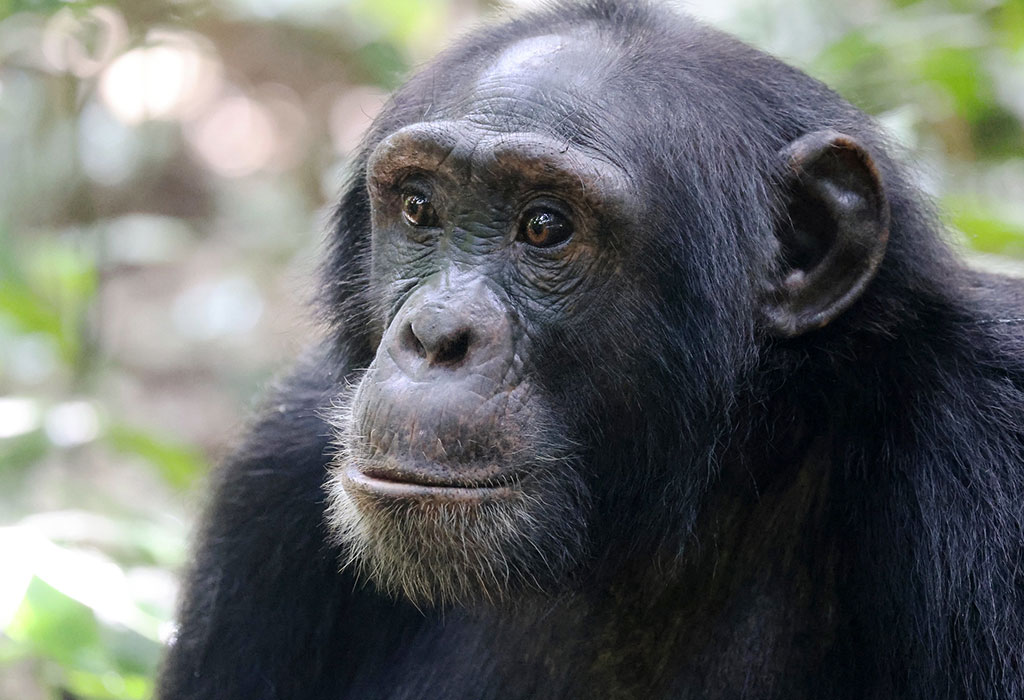
Can you see chimpanzees in Rwanda? Absolutely yes, and Rwanda offers exceptional chimpanzee encounters in one of Africa’s most pristine and biodiverse montane rainforests. Nyungwe National Park serves as Rwanda’s premier destination for chimpanzee trekking, housing an estimated 400 chimpanzees organized into multiple social groups throughout this spectacular 1,019-square-kilometer protected area. While Rwanda’s chimpanzee population is smaller than Uganda’s, the country provides unique advantages, including stunning mountainous terrain, exceptional biodiversity, luxury tourism infrastructure, and well-managed conservation programs. Nyungwe Forest represents one of Africa’s oldest rainforests, creating extraordinary environments for primate encounters that combine adventure, education, and conservation awareness in remarkable wilderness settings that showcase Rwanda’s commitment to sustainable wildlife tourism.
Nyungwe National Park: Rwanda’s Chimpanzee Capital
Geographic Setting and Significance
Nyungwe National Park occupies a strategic position in southwestern Rwanda, encompassing one of East Africa’s largest and most intact montane rainforests. This ancient ecosystem, estimated to be over 1 million years old, represents a crucial biodiversity hotspot that survived ice age climate changes and human encroachment to preserve extraordinary wildlife communities.
The park’s elevation ranges from 1,600 to 2,950 meters above sea level, creating diverse ecological zones that support remarkable species diversity. These altitudinal variations generate distinct microclimates and habitats ranging from dense valley forests to high-altitude bamboo zones, each supporting specialized wildlife communities adapted to specific environmental conditions.
Nyungwe’s location along the Congo-Nile watershed divide places it at the intersection of Central and East African biogeographical regions, resulting in unique species assemblages found nowhere else on Earth. This positioning creates exceptional research opportunities and supports conservation programs of global significance for forest ecosystem protection.
Chimpanzee Population and Social Structure
Nyungwe National Park houses approximately 400 chimpanzees distributed across multiple social groups throughout the forest’s extensive territory. These communities range in size from 20 to 80 individuals, with group compositions varying based on resource availability, territorial boundaries, and seasonal factors that influence social dynamics.
The park’s chimpanzee communities exhibit fascinating behavioral variations reflecting different environmental pressures and social histories. Some groups occupy lower elevation valleys with dense fruit tree concentrations, while others range across higher altitude zones where different food sources and territorial considerations shape daily routines and movement patterns.
Research programs conducted in Nyungwe have documented unique behavioral adaptations, including tool use variations, communication patterns, and social structures that contribute significantly to global understanding of chimpanzee ecology and intelligence. These scientific studies enhance visitor experiences by providing detailed insights into individual personalities and group dynamics.
Habituation Programs and Tourism Development
Several chimpanzee communities in Nyungwe have undergone successful habituation processes that allow safe, meaningful encounters between humans and wild primates. This careful process, requiring years of patient work by researchers and conservationists, enables chimpanzees to accept human observers without experiencing stress or behavioral disruption.
Habituated groups maintain their natural behaviors while tolerating human presence, creating optimal conditions for observation and documentation. The habituation success allows visitors to witness authentic chimpanzee activities, including feeding behaviors, social grooming, territorial displays, and complex family interactions that reveal the sophisticated nature of chimpanzee societies.
Rwanda’s approach to chimpanzee habituation emphasizes low-impact, high-value tourism that prioritizes conservation outcomes and visitor education over volume tourism. This strategy ensures sustainable encounters that support both wildlife protection and community development throughout the Nyungwe region.
The Chimpanzee Tracking Experience
Expedition Duration and Physical Demands
Chimpanzee tracking in Nyungwe typically requires 2-6 hours of forest hiking, depending on chimpanzee locations, weather conditions, and group mobility factors. The variable duration reflects the unpredictable nature of tracking wild animals in vast forest environments where chimpanzees move freely across extensive territories.
The mountainous terrain and dense vegetation create more challenging trekking conditions compared to other chimpanzee destinations. Steep slopes, high altitude, and potentially muddy trails during rainy periods demand good physical fitness and proper preparation for safe, enjoyable experiences.
However, the challenging terrain also provides spectacular scenic rewards, including panoramic forest views, dramatic valley landscapes, and unique photographic opportunities that distinguish Nyungwe from other primate destinations. The effort invested in reaching chimpanzees often enhances the satisfaction and appreciation of successful encounters.
Professional Guide Services and Safety
Experienced park guides with extensive knowledge of chimpanzee behavior, forest navigation, and safety protocols accompany all trekking groups. These professional guides possess an intimate understanding of individual chimpanzee personalities, territorial boundaries, and behavioral patterns that optimize encounter opportunities while ensuring visitor safety.
Guide training programs emphasize both technical skills and conservation education, enabling them to provide comprehensive information about forest ecology, chimpanzee behavior, and conservation challenges. This educational component transforms tracking experiences into meaningful learning opportunities that foster appreciation for wildlife protection efforts.
Safety protocols include radio communication systems, first aid training, and emergency evacuation procedures designed to handle various forest situations. The comprehensive safety framework enables confident exploration of challenging terrain while maintaining appropriate risk management standards.
Cyamudongo Forest: Alternative Tracking Location
Unique Forest Characteristics
Cyamudongo Forest represents a smaller section of the greater Nyungwe ecosystem, offering more intimate chimpanzee tracking experiences in a distinct forest environment. This separate forest block provides alternative tracking opportunities when conditions in the main Nyungwe areas prove challenging or when visitors prefer smaller group experiences.
The forest’s unique characteristics include different vegetation compositions, varied terrain features, and distinct chimpanzee behavioral patterns that reflect local environmental conditions. These differences create diverse tracking experiences that reveal various aspects of chimpanzee adaptation to different forest environments.
Cyamudongo’s smaller size often enables more predictable chimpanzee encounters, as the contained forest area limits chimpanzee movement ranges and makes the location more straightforward. This advantage particularly benefits visitors with limited time or those seeking a higher success probability for chimpanzee sightings.
Optimal Timing and Seasonal Considerations
Dry Season Advantages
The dry seasons (June-September and December-February) provide optimal conditions for chimpanzee tracking in Nyungwe through improved trail accessibility, enhanced visibility, and more predictable weather patterns. Reduced rainfall minimizes muddy conditions and slippery surfaces that can complicate forest navigation and increase safety risks.
Dry conditions also concentrate chimpanzees around reliable water sources and preferred feeding areas, potentially reducing tracking time and increasing encounter success rates. The predictable weather enables better trip planning and reduces equipment requirements for weather protection.
However, dry season timing coincides with peak tourism periods, resulting in higher demand for permits and accommodation. Advanced booking becomes essential during these periods to secure preferred dates and prevent disappointment from sold-out availability.
Rainy Season Characteristics
Rainy seasons (March-May and October-November) present both challenges and unique advantages for chimpanzee tracking. While trail conditions become more difficult and the weather unpredictable, the forest transforms into spectacular displays of lush vegetation and enhanced wildlife activity.
Increased fruit availability during rainy periods can concentrate chimpanzees in specific feeding areas, potentially creating exceptional observation opportunities. The dramatic forest conditions also provide unique photographic possibilities and authentic wilderness experiences for adventurous visitors.
Comprehensive Wildlife Experiences
Primate Diversity
Nyungwe National Park houses 13 primate species, creating comprehensive primate viewing opportunities that extend well beyond chimpanzees. Black and white colobus monkeys, found in large troops, provide spectacular viewing experiences and excellent photographic opportunities throughout the forest.
Blue monkeys, L’Hoest’s monkeys, silver monkeys, and golden monkeys add diversity to primate encounters while demonstrating the remarkable biodiversity that makes Nyungwe globally significant for conservation. These species occupy different ecological niches and display varied behavioral patterns that enhance overall forest experiences.
Avian Biodiversity
The park supports over 300 bird species, including numerous Albertine Rift endemics found nowhere else on Earth. This exceptional avian diversity attracts birdwatchers from around the world and provides continuous entertainment during chimpanzee tracking expeditions.
Forest birding opportunities include canopy species, understory specialists, and high-altitude adapted birds that reflect the park’s diverse ecological zones. The combination of primate tracking and birding creates comprehensive natural history experiences that satisfy diverse wildlife interests within single forest expeditions.





