
Discover the Pearl of Africa
10 Best National Parks in Uganda for Unforgettable Wildlife Encounters
Explore Uganda’s incredible national parks, from mountain gorilla encounters and chimpanzee tracking to spectacular waterfalls, remote savannah wilderness and breathtaking mountain adventures.
Discover Uganda’s wilderness
Exceptional primate encounters
Game drives and boat cruises
Private safari experiences
Discover Uganda’s Most Beautiful National Parks
Uganda is one of Africa’s most rewarding safari destinations, celebrated for its extraordinary biodiversity, welcoming communities and remarkable natural scenery. Often called the Pearl of Africa, the country brings together dense tropical rainforests, expansive savannah plains, freshwater lakes, volcanic mountains and dramatic river valleys. These contrasting landscapes create exceptional opportunities for wildlife viewing, photography, hiking and nature-based adventures.
There are 10 national parks in Uganda, each protecting a distinctive ecosystem and offering memorable experiences. Some parks are famous internationally for endangered mountain gorillas and chimpanzees. Others provide traditional African game drives, boat safaris, birdwatching, mountain climbing and peaceful wilderness exploration. Together, they make Uganda an attractive destination for both first-time safari travellers and experienced wildlife enthusiasts.
The country’s southwestern region is particularly popular because visitors can combine gorilla trekking in Bwindi with chimpanzee tracking in Kibale and game drives in Queen Elizabeth National Park. Northern Uganda offers the impressive landscapes of Murchison Falls and Kidepo Valley, while eastern Uganda is ideal for mountain hiking around Mount Elgon. Travellers seeking something different can explore Semuliki’s tropical forest or the spectacular Rwenzori Mountains.
Choosing the right parks depends on your interests, available travel time, fitness level and accommodation preferences. This guide explains what makes each destination special, which wildlife you may encounter and how to combine different parks into a memorable journey. With Anthill Safaris, you can explore Uganda through a private itinerary designed around your individual travel goals.
Explore Uganda
Explore All 10 National Parks
Choose the landscapes and wildlife experiences that interest you most. Select a destination to read its detailed guide below.
Safari Experiences
Featured Uganda Safari Packages
Discover memorable Uganda safari itineraries featuring mountain gorillas, savannah wildlife and beautiful landscapes. Each experience can be tailored to your travel dates, preferred accommodation category and personal interests.


Destination Guide
The 10 Best National Parks in Uganda
Learn what makes each park special, from its wildlife and natural attractions to the experiences that make it worth including in your Uganda safari itinerary.
Bwindi Impenetrable National Park
Southwestern Uganda
Bwindi Impenetrable National Park is Uganda’s most celebrated destination for mountain gorilla trekking. This UNESCO World Heritage Site protects an ancient tropical rainforest that supports endangered mountain gorillas, numerous bird species, forest mammals and an impressive variety of plants.
The park’s main attraction is a guided trek to visit a habituated mountain gorilla family. After a briefing from park rangers, visitors enter the forest and follow established tracking procedures until the gorillas are located. Once the group is found, trekkers normally spend one hour observing their natural behaviour.
Bwindi has several trekking sectors, including Buhoma, Ruhija, Rushaga and Nkuringo. Each offers different scenery, accommodation options and trekking conditions. The forest’s steep slopes and dense vegetation can make walks physically demanding, but the experience is exceptionally rewarding.
Beyond gorillas, visitors can enjoy birdwatching, guided nature experiences and community activities. Bwindi is especially suitable for travellers seeking close wildlife encounters and memorable rainforest photography.

Queen Elizabeth National Park
Western Uganda
Queen Elizabeth National Park is among Uganda’s most popular wildlife destinations. Located between Lake Edward and Lake George, the park features open savannahs, crater lakes, wetlands and forested areas that support a remarkable variety of animals.
Game drives across the Kasenyi plains offer opportunities to observe lions, elephants, buffaloes, Uganda kobs and other savannah wildlife. The park’s Ishasha sector is particularly famous for tree-climbing lions, which are sometimes seen resting in large fig trees.
Another outstanding experience is a boat safari along the Kazinga Channel. This natural waterway connects Lake Edward and Lake George and attracts hippos, crocodiles, elephants and numerous waterbirds. Boat trips provide excellent photographic opportunities and a different perspective on the park’s wildlife.
Queen Elizabeth is also conveniently located between Kibale and Bwindi, making it an excellent addition to a combined chimpanzee, wildlife and gorilla trekking itinerary.

Murchison Falls National Park
Northwestern Uganda
Murchison Falls National Park is Uganda’s largest national park and one of its most spectacular natural attractions. Its defining feature is Murchison Falls, where the mighty Nile River squeezes through a narrow rocky gorge before plunging dramatically into the river below.
The park combines impressive scenery with classic African wildlife viewing. Game drives across the northern savannah plains provide opportunities to encounter Rothschild’s giraffes, elephants, buffaloes, lions, antelopes and many bird species.
A boat cruise along the Nile toward the base of the falls is one of the park’s most memorable activities. Travellers can observe hippos, crocodiles and waterbirds while enjoying beautiful river scenery. Depending on access arrangements, visitors may also explore viewpoints around the waterfall.
Murchison Falls is often combined with Ziwa Rhino Sanctuary, which lies outside the park along a commonly used road route. This combination creates a rewarding introduction to Uganda’s wildlife.

Kibale National Park
Western Uganda
Kibale National Park is widely regarded as Uganda’s leading destination for chimpanzee tracking. Its tropical rainforest supports a rich concentration of primates, making it particularly attractive to travellers interested in observing our closest living relatives.
During guided chimpanzee tracking, visitors follow experienced rangers through the forest while listening for calls and looking for signs of chimpanzee activity. Once located, the chimpanzees may be seen feeding, grooming, resting or moving through the trees.
The park also supports other primates, including red colobus monkeys, black-and-white colobus monkeys and red-tailed monkeys. Birdwatchers appreciate its forest species, while photographers enjoy the beautiful green surroundings.
Kibale lies near Fort Portal, a region known for scenic crater lakes and welcoming rural communities. Many travellers combine a chimpanzee tracking experience with visits to nearby wetlands, countryside viewpoints and cultural attractions.

Kidepo Valley National Park
Northeastern Uganda
Kidepo Valley National Park is one of Uganda’s most remote and visually impressive safari destinations. Situated near the borders with South Sudan and Kenya, the park is characterised by sweeping grasslands, rugged mountain backdrops and wide valleys.
The Narus Valley is an important wildlife-viewing area, particularly during drier periods when animals concentrate near available water. Game drives offer opportunities to observe lions, elephants, buffaloes, giraffes and several antelope species.
Kidepo’s relatively isolated location creates a distinctive safari atmosphere. Travellers often appreciate the sense of space, beautiful landscapes and opportunities to enjoy wildlife viewing away from heavily visited tourism routes.
The wider Karamoja region also offers meaningful cultural experiences when arranged respectfully with local communities. Because the park is far from Uganda’s main international arrival points, visitors should allow sufficient travel time or consider available domestic flight options.

Mgahinga Gorilla National Park
Southwestern Uganda
Mgahinga Gorilla National Park lies within the spectacular Virunga volcanic mountain range, close to Uganda’s borders with Rwanda and the Democratic Republic of Congo. Although it is Uganda’s smallest national park, it offers an exceptional combination of primate encounters and mountain scenery.
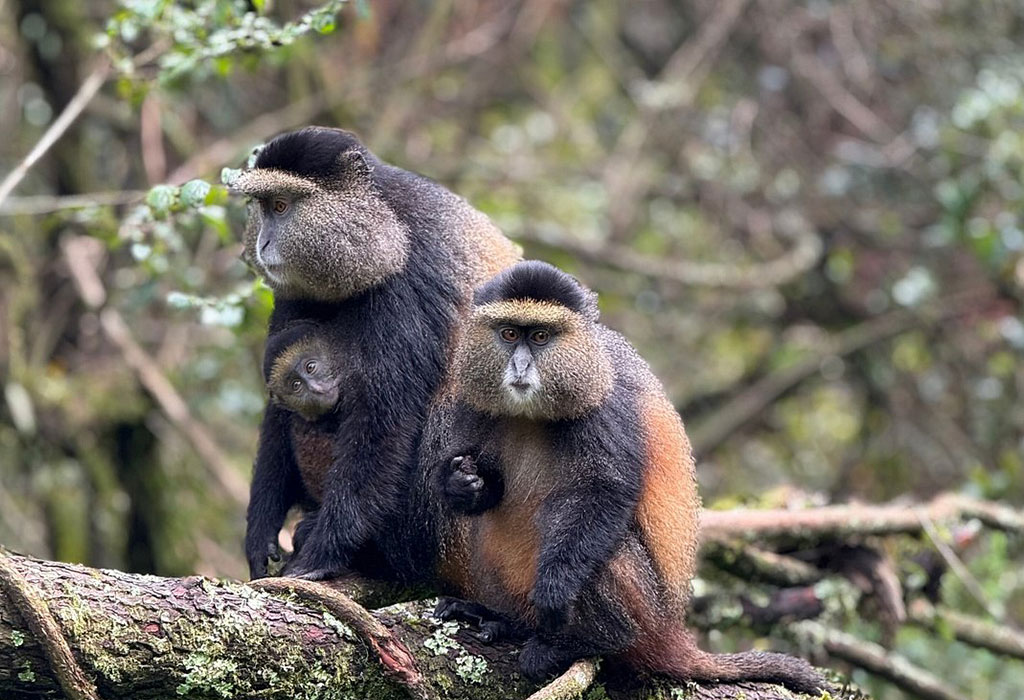
Mountain gorilla trekking is one of its main attractions. Visitors can also participate in golden monkey tracking, a memorable experience involving active primates that inhabit the park’s bamboo forests.
For adventurous travellers, guided hikes on Mount Gahinga, Mount Muhabura and Mount Sabyinyo offer dramatic views and physically rewarding experiences. The trails vary in difficulty, so visitors should choose routes suited to their fitness levels.
Cultural experiences connected to Batwa heritage provide opportunities to learn about traditional forest knowledge and local history. Mgahinga is an excellent choice for travellers seeking primate experiences beyond the more familiar Bwindi routes.
Lake Mburo National Park
Western Uganda
Lake Mburo National Park is an excellent destination for travellers looking for a shorter safari from Kampala or Entebbe. Its relatively accessible location makes it a popular stop on longer journeys toward southwestern Uganda.
The park features rolling hills, acacia woodlands, grasslands, wetlands and beautiful lakes. It is particularly well known for zebras, impalas, elands and other grazing animals that are often visible during game drives.
Unlike many traditional safari destinations, Lake Mburo offers several ways to explore the landscape. Guided walking safaris provide a closer appreciation of animal tracks and smaller natural details. Boat trips offer opportunities to observe aquatic wildlife and birds, while horseback experiences may be arranged through authorised operators.
Lake Mburo is suitable for couples, families and first-time safari travellers who want a relaxed wildlife experience without committing to a long journey.

Rwenzori Mountains National Park
Western Uganda
Rwenzori Mountains National Park protects one of Africa’s most spectacular mountain ranges. Commonly called the Mountains of the Moon, the Rwenzori Mountains are celebrated for their dramatic peaks, unusual alpine vegetation and breathtaking high-altitude scenery.
The park offers hiking opportunities ranging from shorter forest walks to demanding multi-day mountain expeditions. Trekkers pass through changing vegetation zones, including montane forest, bamboo, giant heather and extraordinary Afro-alpine landscapes.
Experienced climbers may attempt Margherita Peak on Mount Stanley, one of Africa’s highest summits. This challenging expedition requires excellent preparation, specialist equipment and professional mountain guides.
Visitors who prefer less demanding activities can still enjoy lower-altitude nature walks, scenic viewpoints and the distinctive biodiversity of the mountain environment. The Rwenzori Mountains are particularly rewarding for travellers interested in adventure, geology and landscape photography.

Semuliki National Park
Western Uganda
Semuliki National Park protects a distinctive lowland tropical rainforest in Uganda’s Albertine Rift region. Its ecological connections to the Congo Basin make it particularly interesting for visitors who want to explore an environment different from Uganda’s familiar savannah parks.
The park is known for its rich birdlife, forest biodiversity and the famous Sempaya Hot Springs. Guided visits to the hot springs provide an opportunity to observe an unusual geothermal attraction surrounded by tropical vegetation.
Birdwatchers are especially attracted to Semuliki because the forest supports species associated with Central African ecosystems. Nature walks also provide opportunities to appreciate the area’s vegetation, insects and smaller wildlife.
Semuliki receives fewer visitors than some of Uganda’s better-known destinations, making it appealing to travellers seeking quiet forest experiences. It can be combined with Fort Portal, Kibale and other western Uganda attractions.

Mount Elgon National Park
Eastern Uganda
Mount Elgon National Park protects the Ugandan slopes of an ancient volcanic mountain shared with neighbouring Kenya. Its distinctive landscapes include montane forests, bamboo zones, moorlands and a remarkable volcanic caldera.
The park is particularly suitable for travellers who enjoy hiking and outdoor adventure. Guided trails lead through changing vegetation zones and provide beautiful views across the surrounding countryside.
Mount Elgon also attracts birdwatchers and nature enthusiasts interested in mountain ecosystems. The wider region is associated with scenic waterfalls, caves and cultural attractions that can complement a national park visit.
Compared with Uganda’s better-known wildlife parks, Mount Elgon offers a quieter experience focused on landscapes, hiking and natural history. It is a rewarding destination for travellers who want to discover another side of Uganda beyond traditional game drives and primate tracking.

Which National Park in Uganda Should You Visit?
Every national park in Uganda offers something different. Travellers interested in primates should prioritise Bwindi, Mgahinga or Kibale, while those seeking traditional wildlife safaris may prefer Queen Elizabeth, Murchison Falls or Kidepo Valley. For mountain adventure, the Rwenzori Mountains and Mount Elgon are excellent choices.
| National Park | Main Attraction | Ideal Experience | Suggested Stay |
|---|---|---|---|
| Bwindi | Mountain gorillas | Gorilla trekking | 2–3 nights |
| Queen Elizabeth | Savannah wildlife | Game drives and boat safari | 2–3 nights |
| Murchison Falls | Nile waterfall and wildlife | Game drives and river cruise | 2–3 nights |
| Kibale | Chimpanzees | Chimpanzee tracking | 1–2 nights |
| Kidepo Valley | Remote savannah | Wilderness game drives | 2–3 nights |
| Mgahinga | Gorillas and golden monkeys | Primate tracking and hiking | 2–3 nights |
| Lake Mburo | Zebras and antelopes | Short wildlife safari | 1–2 nights |
| Rwenzori | Mountain landscapes | Mountain trekking | 2–10+ days |
| Semuliki | Forest and hot springs | Birdwatching and nature walks | 1–2 nights |
| Mount Elgon | Volcanic mountains | Hiking and nature exploration | 2–5 days |
Suggested stays are planning guidelines. Actual itineraries depend on travel distances, activities and accommodation availability.
Best Time to Visit Uganda’s National Parks
Uganda can be visited throughout the year, but seasonal weather patterns influence wildlife viewing, forest trekking conditions and road accessibility. The drier months are generally popular for game drives and primate tracking, while wetter periods offer lush landscapes and potentially quieter travel experiences.
June to September
This is generally one of Uganda’s drier periods and a popular season for gorilla trekking, chimpanzee tracking and savannah game drives. Forest trails may be more manageable, although rain remains possible. Gorilla permits and popular lodges should be reserved early.
December to February
Another commonly preferred period for wildlife safaris, with relatively favourable conditions in many destinations. Visitors can combine rainforest adventures with game drives, boat cruises and scenic sightseeing. Advance planning is particularly useful during holiday travel periods.
March to May & October to November
These wetter months bring greener landscapes and fewer visitors in some destinations. Forest trails can be muddy, and occasional heavy rainfall may affect travel. However, the scenery is beautiful, and flexible travellers may enjoy a quieter safari atmosphere.
For mountain trekking in the Rwenzori and Mount Elgon regions, weather conditions can change rapidly with altitude. Travellers should carry suitable clothing, follow guide recommendations and choose routes appropriate to their experience and fitness.
How to Plan a Safari Across Uganda’s National Parks
Uganda’s national parks are distributed across different regions, so thoughtful route planning helps maximise your safari experience. Combining geographically convenient destinations reduces unnecessary driving and creates more time for wildlife activities, relaxation and photography.
1. Choose Your Priorities
Identify the experiences that matter most to you. Mountain gorilla trekking, chimpanzee tracking, game drives, birdwatching and mountain climbing require different destinations and levels of preparation.
2. Combine Nearby Parks
Bwindi, Queen Elizabeth and Kibale form a rewarding southwestern safari circuit. Lake Mburo can complement this route, while Murchison Falls and Kidepo Valley suit longer northern itineraries.
3. Secure Key Permits
Mountain gorilla and chimpanzee experiences require permits, and availability may be limited on popular dates. Confirming these arrangements early helps avoid disappointment.
4. Select Your Safari Style
Choose between budget, mid-range and luxury accommodation. You can also decide whether to travel by road throughout your journey or include domestic flights to reduce longer transfers.
Frequently Asked Questions
Uganda National Parks FAQs
How many national parks are there in Uganda?
Uganda has 10 national parks. They protect a remarkable variety of ecosystems, including tropical rainforests, savannah grasslands, volcanic mountains, wetlands and alpine landscapes. Each park offers distinctive wildlife encounters and nature-based activities.
Which national park in Uganda is best for gorilla trekking?
Bwindi Impenetrable National Park is Uganda’s best-known destination for mountain gorilla trekking. Mgahinga Gorilla National Park also offers gorilla trekking. Both experiences require advance permit arrangements and are conducted under the supervision of trained park rangers.
Which national park is best for seeing lions?
Queen Elizabeth, Murchison Falls and Kidepo Valley national parks provide opportunities to see lions. Queen Elizabeth’s Ishasha sector is especially famous for tree-climbing lions. However, wildlife moves freely, and sightings can never be guaranteed.
Which is the largest national park in Uganda?
Murchison Falls National Park is Uganda’s largest national park. It is known for its dramatic Nile waterfall, beautiful savannah landscapes, abundant wildlife and memorable boat cruises toward the base of the falls.
Where can I see chimpanzees in Uganda?
Kibale National Park is Uganda’s leading chimpanzee tracking destination. Guided forest excursions allow visitors to observe habituated chimpanzees in their natural environment. Other chimpanzee experiences are available in selected forests and reserves outside the park.
What is the best national park for a short Uganda safari?
Lake Mburo National Park is a convenient choice for a short safari from Kampala or Entebbe. Its accessibility, beautiful landscapes and wildlife experiences make it suitable for one- or two-night visits. Other parks may also work for shorter trips depending on your departure location.
Can I visit several national parks on one safari?
Yes. Many Uganda itineraries combine Kibale, Queen Elizabeth and Bwindi. Longer journeys may also include Lake Mburo, Murchison Falls, Kidepo Valley or other destinations. A carefully planned route helps balance travel time with wildlife activities.
How many days do I need for a Uganda national parks safari?
Three to five days can be suitable for one or two destinations. Seven to twelve days provides more flexibility for combining gorilla trekking, chimpanzee tracking and wildlife game drives. Travellers wishing to explore remote parks or undertake mountain expeditions should allow additional time.
Your African Adventure Awaits
Explore Uganda’s National Parks with Anthill Safaris
From unforgettable mountain gorilla encounters and chimpanzee tracking adventures to exciting game drives, breathtaking waterfalls and spectacular mountain landscapes, Uganda offers extraordinary travel experiences. Let our local safari specialists create a personalised journey through the Pearl of Africa, designed around your interests, travel dates and preferred level of comfort.