
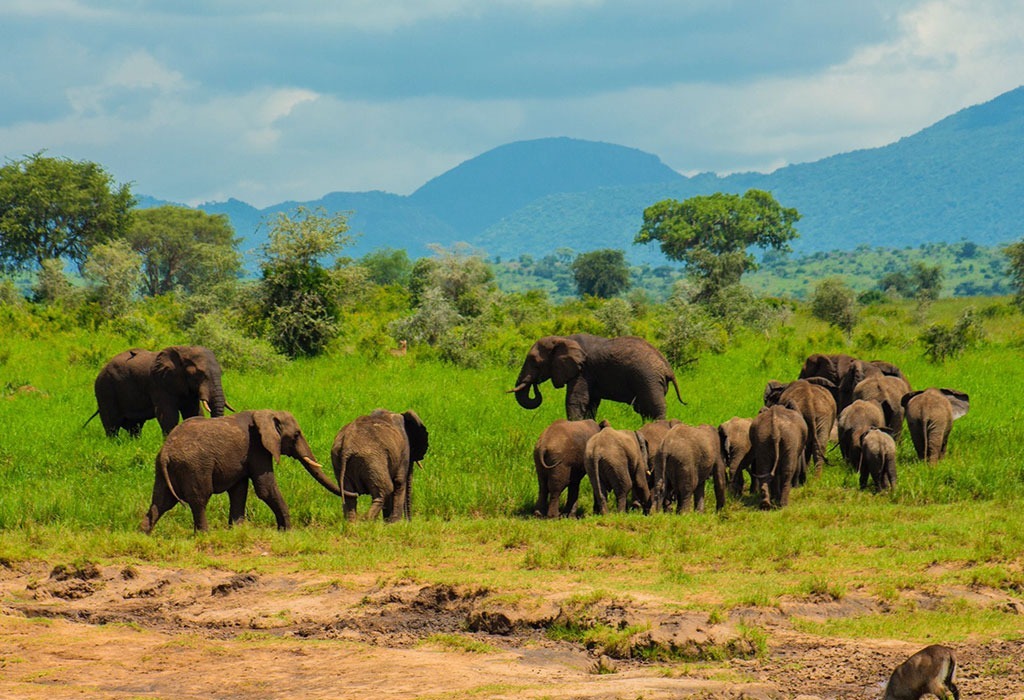
Exploring Uganda’s National Parks reveals why this East African nation has earned its reputation as the “Pearl of Africa.” With ten distinct national parks spread across the country, Uganda offers an extraordinary diversity of landscapes and wildlife experiences that few destinations can rival. From the mist-covered rainforests harboring mountain gorillas to vast savannah plains teeming with elephants and lions, each park presents its own unique character and attractions. Whether you’re seeking the thrill of tracking endangered primates through dense jungle, observing predators on classic game drives, or discovering rare bird species in pristine wetlands, Uganda’s protected areas deliver unforgettable adventures that showcase the best of African wilderness while supporting vital conservation efforts.
Bwindi Impenetrable National Park: Mountain Gorilla Sanctuary
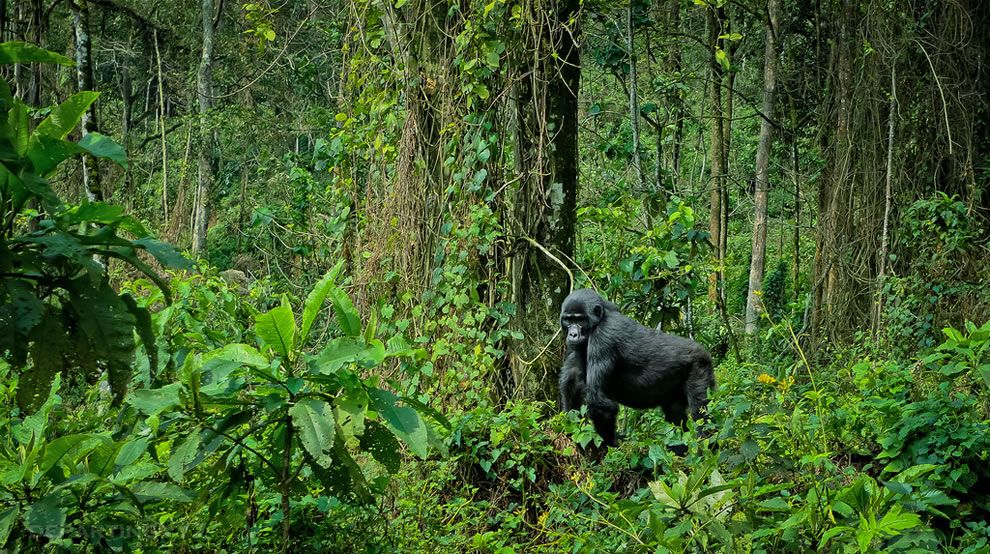 Situated in the rugged mountains of southwestern Uganda, Bwindi Impenetrable National Park stands as one of Africa’s most precious wildlife sanctuaries and a UNESCO World Heritage site of global importance. The park’s name aptly describes its character—a dense, ancient rainforest so thick and tangled that it feels almost primordial. This impenetrable jungle protects nearly half of the world’s remaining mountain gorillas, making it the premier destination for gorilla trekking on the continent.
Beyond its famous gorilla residents, Bwindi harbors remarkable biodiversity that extends far beyond primates. The forest ecosystem supports over 350 bird species, many of them endemic to the Albertine Rift region, making it a paradise for ornithologists. More than 120 mammal species inhabit these misty slopes, along with countless butterflies, reptiles, and plant species found nowhere else on Earth.
Visitors to Bwindi come primarily for gorilla trekking, an experience that involves hiking through steep, muddy terrain to spend one magical hour observing a habituated gorilla family in their natural habitat. The park also offers exceptional birdwatching opportunities and guided forest walks that reveal the intricate ecology of this ancient rainforest. Cultural encounters with the Batwa pygmy community provide insight into the traditional forest-dwelling people who once called this wilderness home, adding a meaningful human dimension to any visit.
Murchison Falls National Park: Where Power Meets Beauty
 Northwestern Uganda’s Murchison Falls National Park claims the distinction of being the country’s largest protected area, sprawling across a vast landscape bisected by the mighty Victoria Nile River. The park’s namesake waterfall ranks among Africa’s most spectacular natural wonders, where the full force of the Nile is compressed through a narrow eight-meter gorge, creating a thunderous explosion of water and mist that captivates all who witness it.
Wildlife enthusiasts find Murchison Falls particularly rewarding, as the park hosts four of the Big Five—elephants, lions, leopards, and buffalo. While rhinos are absent from the park itself, visitors can encounter them at the nearby Ziwa Rhino Sanctuary, making it possible to complete the Big Five experience during a northern Uganda safari. The diverse habitats support thriving populations of giraffes, hippos, crocodiles, and numerous antelope species across open savannah and riverine environments.
The park offers multiple ways to experience its wonders. Classic game drives traverse the northern bank’s savannah grasslands, providing excellent opportunities to spot predators and large herbivores. Boat cruises along the Victoria Nile to the base of Murchison Falls combine wildlife viewing with spectacular scenery, as hippos wallow in the shallows and crocodiles sun themselves on the banks. For the adventurous, hiking to the top of the falls rewards visitors with breathtaking views and the sensation of standing at the edge of one of nature’s most powerful displays.
Queen Elizabeth National Park: Biodiversity Hotspot
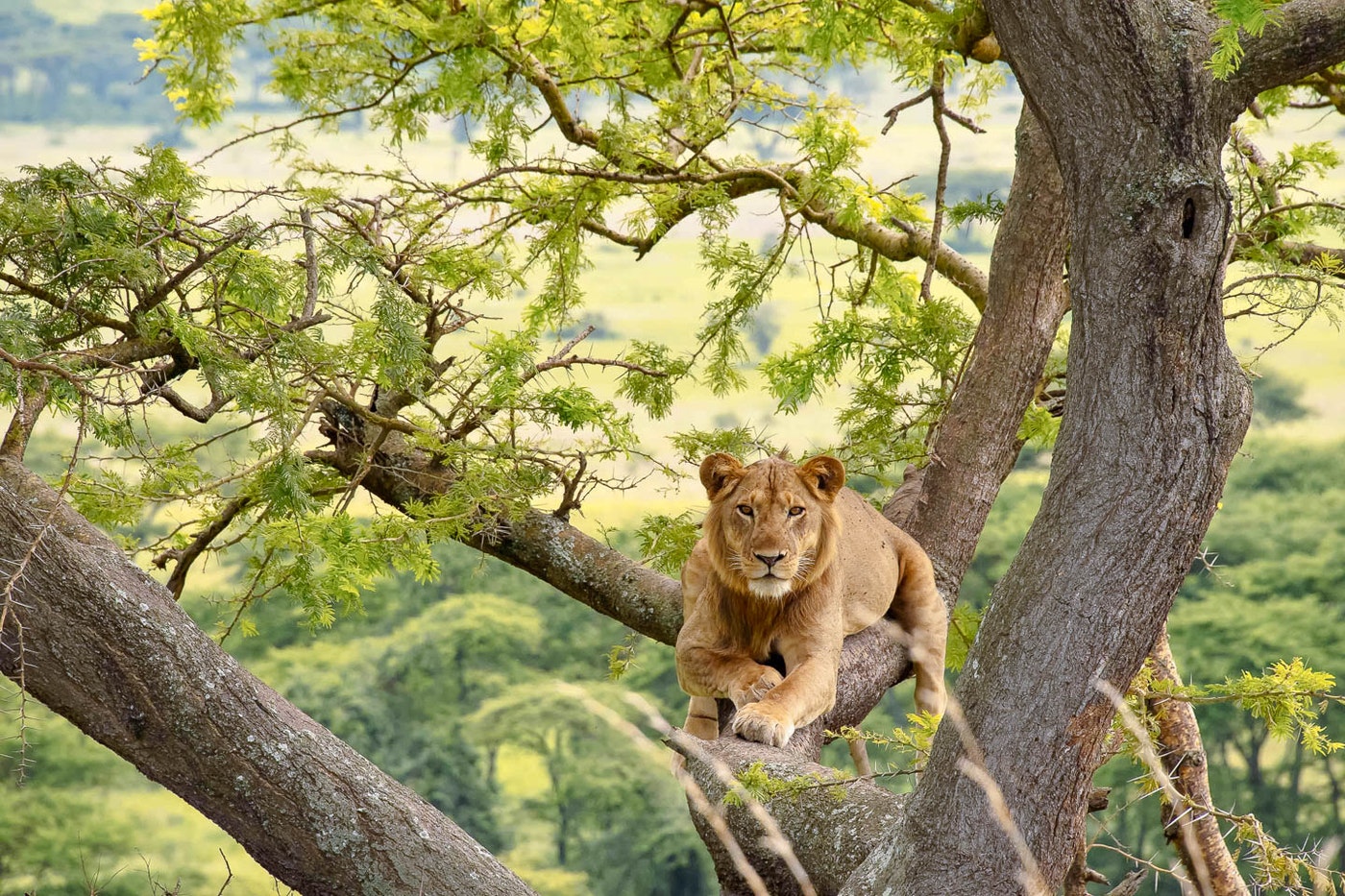 Southwestern Uganda’s Queen Elizabeth National Park holds the title of the country’s most visited game reserve, and for good reason. This protected area encompasses an extraordinary variety of ecosystems, from open savannah and dense forests to sparkling lakes and productive wetlands. The resulting biodiversity has earned Queen Elizabeth one of the highest biological diversity ratings of any game reserve worldwide, supporting an astonishing array of wildlife species.
Exploring Uganda’s National Parks, park’s game viewing opportunities are exceptional and varied. Traditional game drives showcase classic African wildlife, including elephants, buffalo, lions, and leopards roaming across the savannah plains. The Ishasha sector in the park’s southern region has become famous for its unique population of tree-climbing lions, which regularly lounge in the branches of fig trees—a behavior rarely observed elsewhere in Africa.
Water-based activities provide a different perspective on the park’s wildlife abundance. Boat cruises along the Kazinga Channel, a natural waterway connecting Lake Edward and Lake George, rank among Uganda’s finest wildlife experiences. The channel’s banks host one of Africa’s largest concentrations of hippos, alongside numerous crocodiles, water birds, and mammals coming to drink. The combination of terrestrial and aquatic environments makes Queen Elizabeth National Park a comprehensive safari destination.
Kibale National Park: The Primate Capital
 Western Uganda’s Kibale National Park has rightfully earned its nickname as the “Primate Capital of the World,” protecting the highest concentration and diversity of primates found anywhere in East Africa. This dense tropical rainforest ecosystem supports thirteen different primate species, including a thriving population of over 1,500 chimpanzees that have made Kibale the premier destination for chimpanzee tracking in Uganda.
Chimpanzee trekking in Kibale offers visitors the opportunity to observe humanity’s closest living relatives in their natural forest habitat. The experience involves early morning departures into the forest, following expert trackers who locate habituated chimp communities. Once found, visitors spend precious time watching these intelligent apes feed, play, groom, and interact in complex social dynamics that mirror human behavior in fascinating ways. For those seeking a more immersive experience, Kibale also offers chimpanzee habituation experiences that allow longer observation periods.
Beyond primates, Kibale’s biodiversity extends to over 370 bird species and countless other forest creatures. The nearby Bigodi Wetland Sanctuary provides excellent birdwatching opportunities and guided nature walks through a community-managed conservation area. The combination of world-class primate encounters and broader wildlife experiences makes Kibale an essential stop on any Ugandan safari itinerary.
Kidepo Valley National Park: Remote Wilderness
 In Uganda’s remote northeastern corner, bordering both South Sudan and Kenya, lies Kidepo Valley National Park—the country’s most isolated yet arguably most magnificent protected area. The journey to reach Kidepo requires commitment, but those who make the effort are rewarded with a wilderness experience of exceptional quality and intimacy. The park’s semi-arid savannah landscape differs dramatically from Uganda’s other parks, characterized by rugged valleys, rocky outcrops, and vast open plains stretching to distant mountain horizons.
Kidepo’s isolation has preserved a sense of untouched wilderness that few other African parks can match. Wildlife viewing here includes predators such as cheetahs, lions, and leopards, alongside plains game including elephants, giraffes, and the locally endemic Burchell’s zebra. The park’s biodiversity reflects its position at the convergence of East and Northeast African ecosystems, resulting in species assemblages found nowhere else in Uganda.
The lack of tourist crowds means game drives in Kidepo often feel like private safaris through pristine wilderness. The dramatic landscapes, abundant wildlife, and authentic safari atmosphere combine to create one of Africa’s most underrated safari destinations for adventurous travelers willing to venture off the beaten path.
Mgahinga Gorilla National Park: Intimate Mountain Experience
 Tucked into southwestern Uganda’s corner where the country meets Rwanda and Congo, Mgahinga Gorilla National Park may be Uganda’s smallest national park, but it delivers experiences of outsized significance. The park forms part of the Virunga Mountains conservation area, offering alternative gorilla trekking opportunities in a more intimate setting than Bwindi’s larger-scale operations.
Mgahinga’s unique position also makes it one of the rare locations where visitors can track endangered golden monkeys, primates distinguished by their striking golden-orange fur and playful behavior. Exploring Uganda’s National Parks. The park’s volcanic landscape provides opportunities for volcano hiking, with trails ascending the dramatic peaks of the Virunga range and offering spectacular views across three countries.
Lake Mburo National Park: Accessible Savannah
 Western Uganda’s Lake Mburo National Park, while the smallest of the country’s savannah parks, offers distinct advantages for visitors with limited time. Its proximity to Kampala makes it easily accessible for shorter trips or as an add-on to longer itineraries. The park’s landscape of rolling acacia woodlands, seasonal wetlands, and the scenic lake itself creates picturesque settings for wildlife encounters.
Lake Mburo supports healthy populations of zebras, elands, impalas, and hippos, along with predators and over 300 bird species. What sets this park apart is the range of safari activities available. In addition to traditional game drives, visitors can explore on horseback safaris and guided walking safaris, offering more intimate and varied ways to experience African wildlife.
Planning Your Safari
Exploring Uganda’s National Parks: Timing significantly influences the safari experience in Uganda. The dry seasons from June through August and December through February provide optimal conditions for most activities, with wildlife congregating around water sources and drier trails facilitating trekking. The wet seasons from March through May and September through November transform landscapes into lush green vistas and attract fewer visitors, creating excellent birdwatching conditions despite occasional challenging road conditions.
Getting around Uganda’s parks requires consideration of various transportation options. While self-driving remains possible, most visitors hire four-wheel-drive vehicles with experienced local guides who navigate poor road conditions and enhance wildlife spotting. Charter and scheduled flights serve airstrips near major parks like Bwindi, Queen Elizabeth, and Murchison Falls, saving time for those with limited schedules.
Accommodation ranges from luxury safari lodges to budget-friendly campsites, with options both inside and outside park boundaries. Permits for gorilla and chimpanzee trekking must be secured well in advance, particularly during peak seasons. All national parks require visitors to use qualified guides, ensuring both safety and enhanced wildlife experiences through expert knowledge.





