How to Explore Uganda Solo in 2026 offers an incredible opportunity to experience one of Africa’s most diverse and rewarding destinations on your own terms. The key to a successful solo adventure lies in striking the right balance between organized safaris for wildlife activities and independent travel for cultural immersion. While 2026 is an election year in Uganda, which may bring heightened political activity to urban centers, the country’s national parks and safari destinations are expected to remain safe and welcoming. By using reputable tour operators for organized activities, hiring trusted local drivers for longer journeys, and following sensible safety precautions, solo travelers can confidently navigate this beautiful country and create unforgettable memories.
Understanding Solo Travel in Uganda During 2026
Uganda has built a strong reputation as a welcoming destination for independent travelers, with well-established tourism infrastructure and genuinely hospitable local communities. The country’s compact geography makes it possible to experience diverse ecosystems, from misty mountain forests to sweeping savannas, all within manageable travel distances.
However, 2026 presents a unique consideration: it’s an election year in Uganda. Political campaigns and rallies are likely to occur primarily in urban areas, particularly in Kampala and other major cities. While this activity typically doesn’t affect tourist safety directly, it’s important to stay informed about local developments through your embassy and reliable news sources. National parks and safari areas operate independently of political events and are expected to maintain their usual high standards of safety and service throughout the year.
The best approach for solo travelers is to remain flexible with your itinerary, particularly around election dates, and consider domestic flights to safari destinations if road conditions or traffic become problematic. With proper planning and awareness, 2026 can be an excellent year to explore Uganda solo.
Crafting Your Solo Uganda Itinerary
How to Explore Uganda Solo in 2026. A well-planned solo trip to Uganda should blend organized tours for wildlife experiences with independent exploration of cultural sites and cities. This combination maximizes both safety and the freedom to travel at your own pace.
Safari and Primate Trekking Adventures
Uganda’s premier wildlife experiences require organized tours through licensed operators who provide expert guides, reliable transportation, and essential safety equipment. These experiences represent the highlights of any Ugandan adventure and are worth the investment.
Bwindi Impenetrable Forest: Gorilla Trekking
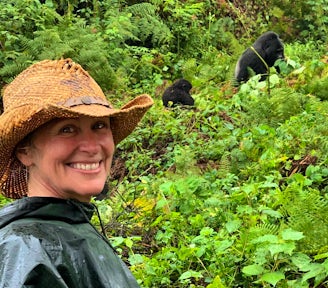 Trekking through Bwindi’s ancient rainforest to encounter mountain gorillas ranks among the world’s most transformative wildlife experiences. Coming face-to-face with a habituated gorilla family in their natural habitat creates memories that last a lifetime. Gorilla trekking permits cost $800 per person for foreign non-residents in 2026, and demand remains consistently high throughout the year.
Booking well in advance is essential, as Uganda Wildlife Authority limits daily permits to protect these endangered primates. Many travelers book six to twelve months ahead, especially for peak season visits during June through September and December through February. Tour operators can secure permits on your behalf and arrange all necessary logistics, including accommodation near the park and experienced guides for your trek.
Kibale National Park: Chimpanzee Trekking
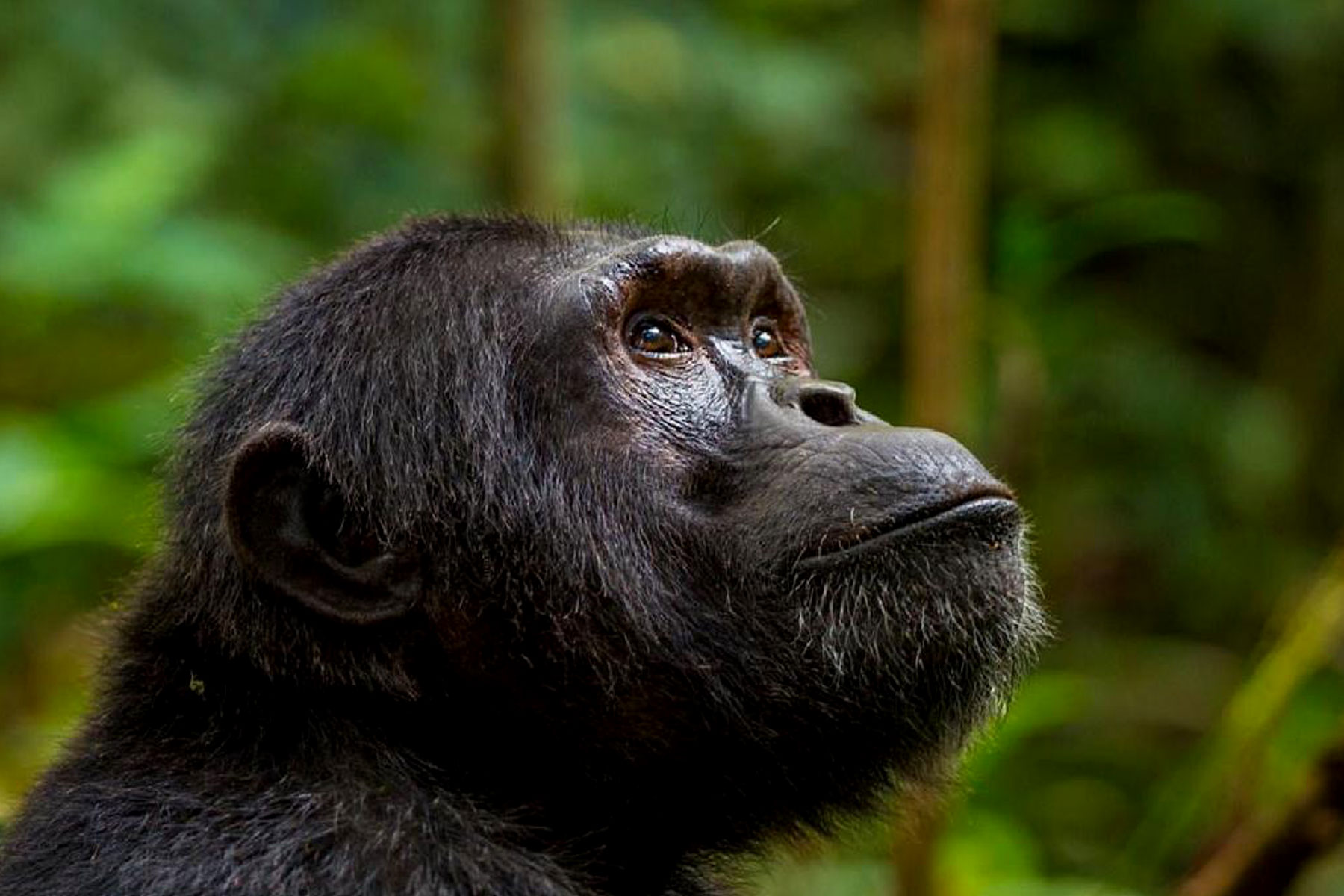 Known worldwide as the “Primate Capital of the World,” Kibale National Park protects thirteen primate species in its lush tropical rainforest. Chimpanzee trekking offers an exciting and more affordable alternative to gorilla encounters, with permits costing $250 per person. Watching these intelligent, social primates swing through the canopy, groom each other, and communicate creates fascinating insights into our closest evolutionary relatives.
Kibale’s well-maintained trail system and high chimpanzee habituation success rate mean excellent sighting opportunities. Beyond chimpanzees, you’ll likely encounter red colobus monkeys, L’Hoest’s monkeys, and numerous bird species during your forest walks.
Queen Elizabeth National Park: Classic Safari Experience
Queen Elizabeth National Park delivers quintessential African safari experiences with remarkable diversity. The park’s Kasenyi Plains provide excellent game viewing opportunities with elephants, buffalo, Uganda kobs, and waterbucks grazing across open grasslands. The famous Ishasha sector attracts visitors specifically to see its tree-climbing lions, a rare behavior observed in a few locations worldwide.
The boat safari along the Kazinga Channel stands out as an unmissable experience, offering close encounters with massive hippo pods, basking crocodiles, and incredible concentrations of waterbirds along the shores. This natural channel connecting Lake Edward and Lake George creates one of Africa’s highest wildlife density areas.
Murchison Falls National Park: Wilderness Grandeur
 As Uganda’s largest protected area, Murchison Falls National Park showcases the country’s wild beauty at its finest. The park takes its name from the spectacular Murchison Falls, where the entire Nile River forces through a narrow seven-meter gorge before plunging forty-three meters in a thunderous cascade.
Game drives across Murchison’s northern savanna reveal healthy populations of Rothschild giraffes, elephants, lions, leopards, and various antelope species. The boat trip upstream to the falls’ base provides different perspectives on the park’s wildlife, with hippos wallowing in shallow waters and crocodiles sunning on muddy banks.
Urban and Cultural Exploration
Cities and cultural sites allow more independent travel, though maintaining situational awareness remains important, especially during the 2026 election period.
Jinja: Adventure Capital
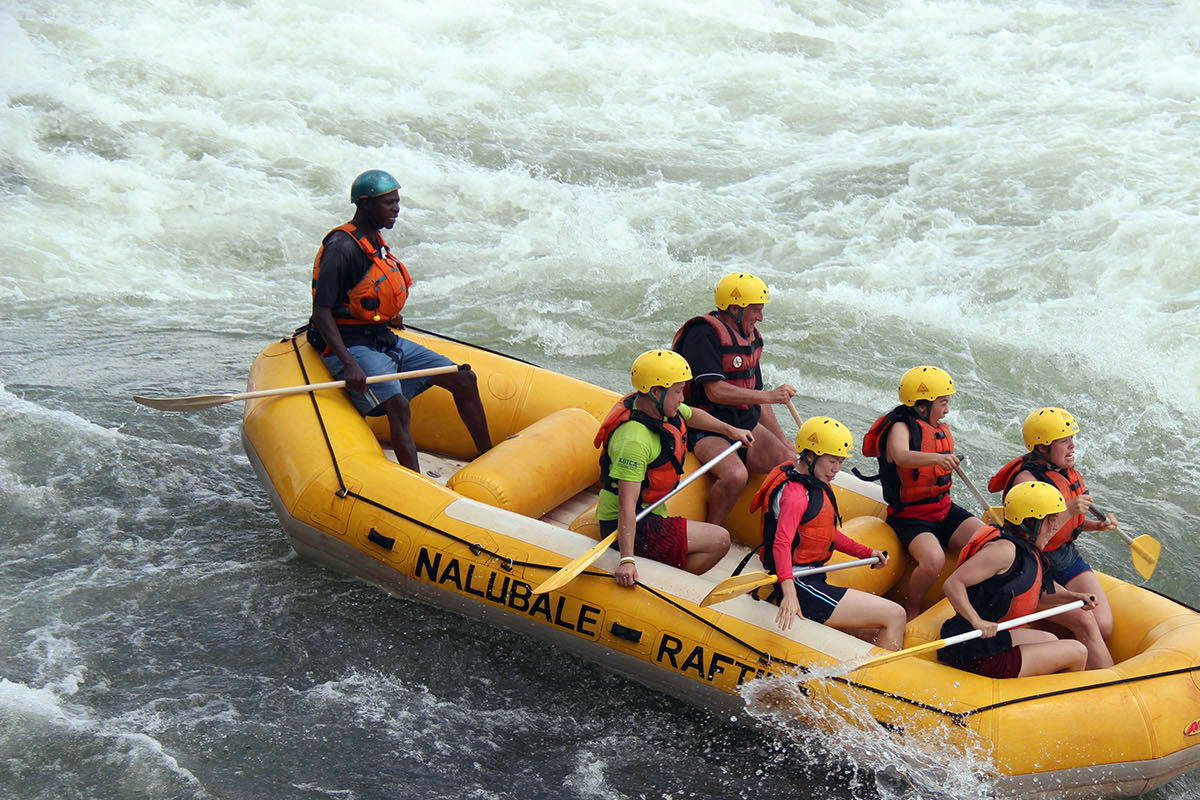 Situated at the source of the Nile River, Jinja has evolved into Uganda’s adventure capital with a thriving backpacker community. The town offers world-class whitewater rafting through Grade 5 rapids, kayaking, stand-up paddleboarding, and bungee jumping. Solo travelers appreciate Jinja’s social atmosphere, with numerous hostels and tour companies facilitating group activities where you can meet fellow adventurers.
The riverside setting creates a relaxed vibe perfect for unwinding between more strenuous safari activities. Many solo travelers spend several days here, balancing adrenaline activities with leisurely exploration of local markets and cafes.
Kampala: Cultural Heart
 Uganda’s bustling capital presents authentic urban African experiences with its chaotic energy, colorful markets, and rich history. Solo travelers should exercise standard city precautions here, particularly given the potential for political rallies during 2026. Female-guided walking tours provide safe, informative ways to explore cultural sites like the Kasubi Tombs, Uganda Museum, and vibrant Owino Market.
Use established ride-hailing services like SafeBoda or Uber rather than hailing transportation on the street. These apps track drivers and provide transparent pricing, significantly enhancing safety for solo travelers navigating the city.
Lake Bunyonyi: Peaceful Retreat
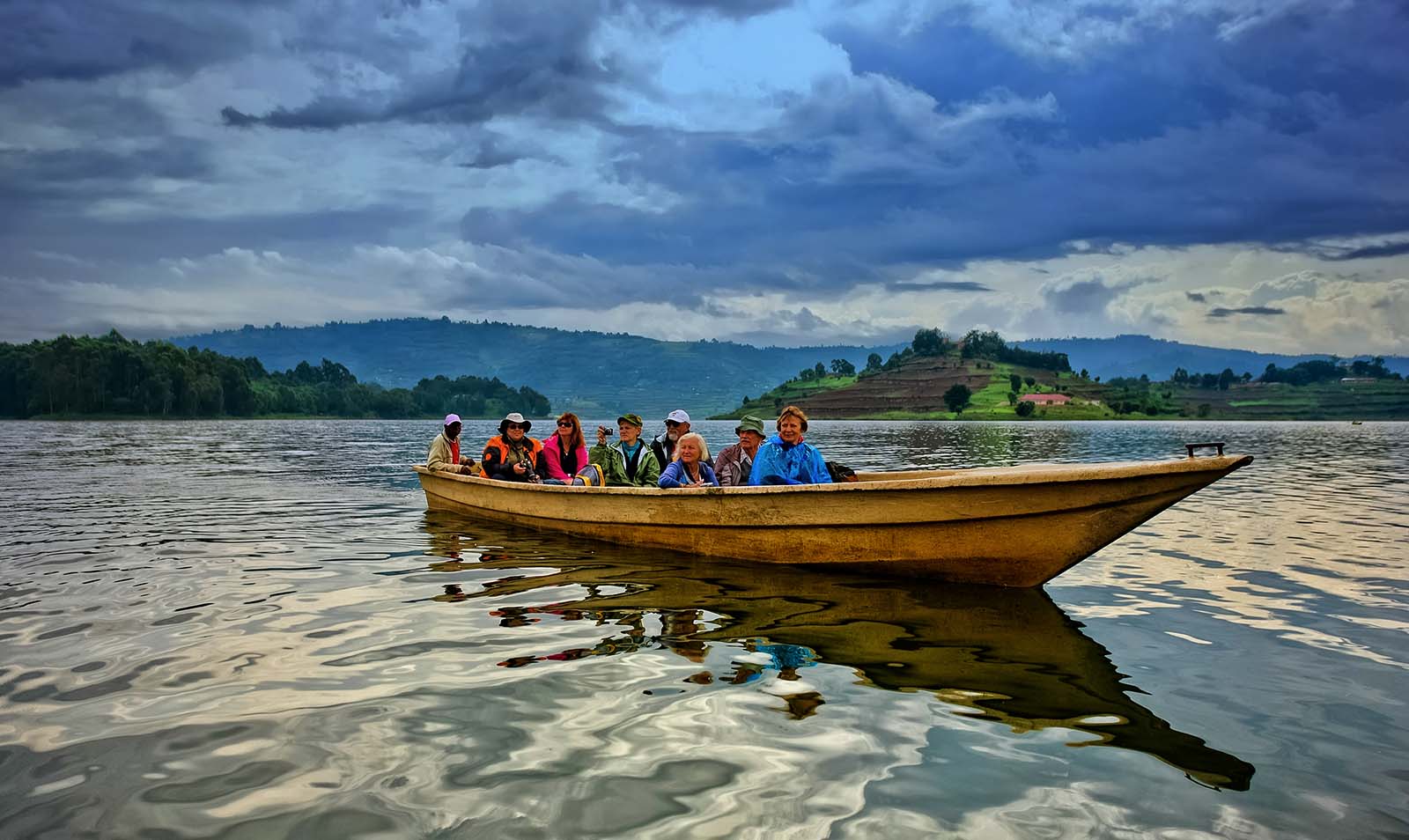 Often called the “Switzerland of Africa,” Lake Bunyonyi offers tranquil respite from more active travel days. This scenic crater lake, scattered with twenty-nine islands, provides a perfect setting for canoeing, island hopping, and simple relaxation. The lake’s bilharzia-free waters make it safe for swimming, a rarity in Uganda.
Solo travelers find Lake Bunyonyi’s peaceful atmosphere ideal for reflection and meeting other travelers at the various lakeside lodges and campsites. The surrounding terraced hillsides create photogenic landscapes, while local communities welcome visitors interested in cultural exchanges.
Fort Portal: Mountain Town Charm
 This attractive mountain town serves as a gateway to exploring dramatic crater lakes, tea plantations, and coffee farms. Fort Portal’s cooler climate and friendly atmosphere make it pleasant for independent exploration. Solo travelers can arrange guided visits to local communities, hike around crater lakes, or simply enjoy the town’s relaxed pace.
Transportation Options for Solo Travelers
Navigating Uganda independently requires understanding available transportation options and their respective advantages for solo travelers.
Hired Vehicle and Driver
For maximum safety and convenience, especially when traveling to national parks, hiring a professional driver with a suitable vehicle represents the best investment. Driver-guides know routes thoroughly, handle vehicle maintenance, and provide valuable knowledge about regions you’re visiting. This option eliminates navigation stress and allows you to fully enjoy scenery and wildlife without driving concerns.
Costs typically range from $50 to $150 per day for the vehicle, with an additional $20 to $50 per day for an experienced driver-guide. While more expensive than public transport, the safety, convenience, and enhanced experience justify the cost for most solo travelers, particularly women traveling alone.
Public Transport Options
How to Explore Uganda Solo in 2026: Budget-conscious travelers can use Uganda’s public transport system, though this requires more flexibility and patience.
Shared taxis, locally called matatus, provide the cheapest intercity travel at $1 to $3 per journey. However, these minibusses are often overcrowded, uncomfortable, and don’t follow fixed schedules. Solo travelers, particularly women, may find matatus challenging due to close quarters and occasional safety concerns.
Coach buses connecting major cities offer better alternatives, with companies like Post Bus providing comfortable, reliable service at reasonable prices. These buses follow set schedules and maintain higher safety standards than matatus.
Ride-Hailing Apps
In urban areas like Kampala, Entebbe, and Jinja, SafeBoda and Uber motorcycle taxis provide convenient, affordable transport. Using these apps rather than hailing riders on the street significantly improves safety, as trips are tracked and drivers are vetted. Fares remain budget-friendly, typically costing a few dollars for cross-town journeys.
Essential Safety Considerations for 2026
While Uganda welcomes solo travelers warmly, certain precautions ensure smooth, secure experiences.
Political Awareness – Monitor the political situation throughout 2026, particularly around election dates. Avoid political rallies and large gatherings in urban areas. Consider domestic flights to national parks if road travel appears problematic due to political activities.
General Safety Practices – Maintain awareness of your surroundings, especially in crowded markets and urban areas where petty crime occurs. Never walk alone after dark, and avoid displaying expensive jewelry, cameras, or large amounts of cash. Use hotel safes for passports and valuables.
Health Preparations – Consult your doctor well before departure to discuss necessary vaccinations, including mandatory yellow fever immunization. Take prescribed malaria prophylaxis throughout your trip and for the recommended period afterward. Drink only bottled or filtered water to prevent waterborne illnesses.
Comprehensive Insurance – Purchase travel insurance covering medical emergencies, evacuation, and trip cancellation. Ensure your policy includes coverage for adventure activities if you plan whitewater rafting or similar pursuits.
Conclusion
How to Explore Uganda Solo in 2026 promises extraordinary experiences despite the election year context. By combining organized safaris with independent cultural exploration, using reliable transportation, and following sensible safety practices, solo travelers can confidently discover this remarkable country’s natural wonders and warm hospitality. The memories created while trekking with gorillas, rafting the Nile, and meeting friendly Ugandans will far outweigh any concerns, making your solo adventure truly unforgettable.