Uganda Big Five Safari Locations: Uganda, the Pearl of Africa, stands as one of the continent’s premier wildlife destinations, offering extraordinary opportunities to encounter the magnificent Big Five African animals: lion, leopard, elephant, buffalo, and rhinoceros. While the country’s lush landscapes and diverse ecosystems provide habitats for four of these iconic species in their natural environment, experiencing all five requires strategic planning and visiting multiple locations. The absence of wild rhinos in Uganda’s national parks necessitates a combination of park visits and sanctuary experiences to complete the Big Five safari adventure, making Uganda’s wildlife journey uniquely rewarding and multifaceted.
Understanding Uganda’s Big Five Safari Locations
The quest to see Africa’s Big Five in Uganda presents a fascinating challenge that distinguishes it from other East African safari destinations. While lions, leopards, elephants, and buffaloes thrive in several of Uganda’s protected areas, rhinoceros populations were decimated by poaching in the 1980s, leading to their complete disappearance from the wild. However, dedicated conservation efforts have created opportunities for visitors to observe these magnificent creatures in protected sanctuaries, making a complete Big Five experience achievable through thoughtful itinerary planning.
Murchison Falls National Park: The Crown Jewel
Murchison Falls National Park represents Uganda’s premier Big Five destination, despite lacking wild rhinos. As the country’s largest and oldest conservation area, this spectacular park delivers unforgettable encounters with four of the Big Five animals. The park’s northern sector serves as the primary game viewing area, where expansive savannah grasslands provide excellent visibility for spotting wildlife.
Lions roam freely across Murchison Falls’ plains, often seen lounging in the shade during midday heat or actively hunting during cooler hours. The park’s healthy lion population makes sightings relatively common, especially during early morning and late afternoon game drives. Leopards, though more elusive due to their solitary and nocturnal nature, inhabit the park’s wooded areas and can occasionally be spotted resting in trees or moving through the undergrowth.
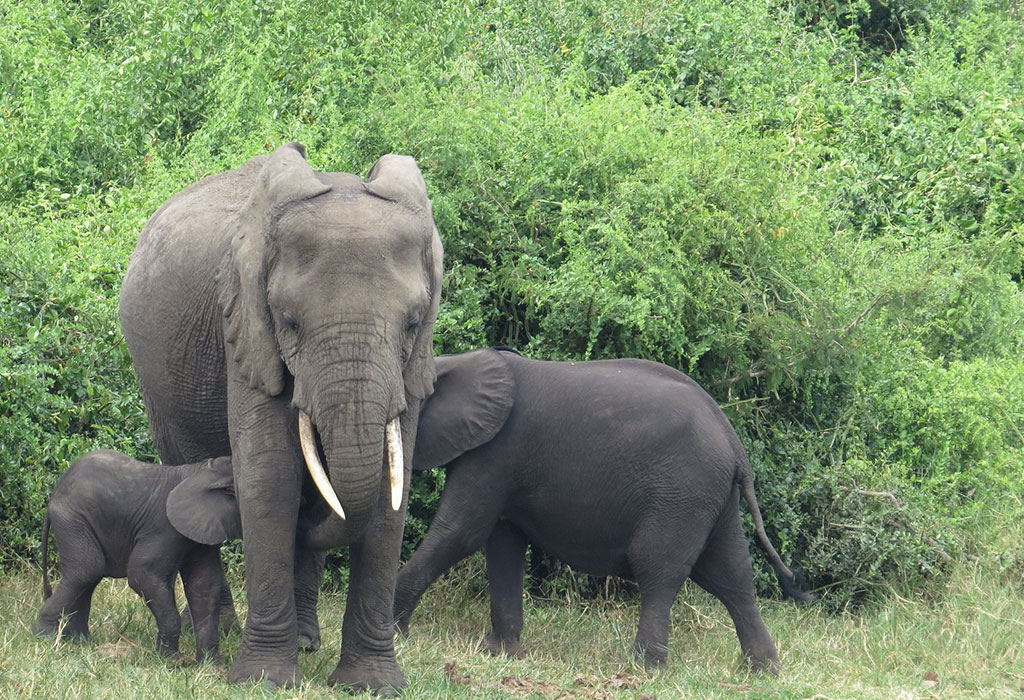
The park’s elephant population is particularly impressive, with large herds frequently encountered near water sources and across the savannah. These gentle giants create memorable spectacles as they move gracefully through their habitat, often accompanied by playful calves. African buffaloes are equally abundant, with massive herds numbering in the hundreds commonly grazing in open areas or wallowing in mud to keep cool.
Beyond the Big Five species present, Murchison Falls offers the spectacular sight of the Nile River forcing its way through a narrow seven-meter gorge, creating the thunderous waterfall that gives the park its name. Boat cruises along the Victoria Nile provide alternative wildlife viewing opportunities, bringing visitors close to hippos, crocodiles, and diverse birdlife. The option to hike to the top of Murchison Falls adds an adventurous dimension to any safari visit.
Queen Elizabeth National Park: Diversity and Drama
Uganda Big Five Safari Locations: Queen Elizabeth National Park in western Uganda ranks among Africa’s most biodiverse protected areas, offering exceptional Big Five viewing opportunities within varied ecosystems. The park’s diverse habitats—ranging from savannah and wetlands to forests and crater lakes—support populations of lions, leopards, elephants, and buffalo alongside numerous other species.
The Ishasha sector in the park’s southern region has gained international fame for its unique tree-climbing lions, a behavior rarely observed elsewhere in Africa. These remarkable cats regularly climb into the branches of fig trees, creating extraordinary photographic opportunities and unforgettable wildlife encounters. This phenomenon alone makes Queen Elizabeth National Park a must-visit destination for safari enthusiasts.
The park’s elephant population is robust and frequently visible during game drives, particularly in the Kasenyi plains and Mweya Peninsula areas. Buffalo herds are similarly abundant and often seen in large concentrations. Leopards, maintaining their characteristic elusiveness, inhabit various sections of the park and are occasionally spotted during dedicated game drives.
The Kazinga Channel, a natural waterway connecting Lake Edward and Lake George, serves as the park’s wildlife viewing highlight. Boat safaris along this channel provide intimate encounters with hippos, crocodiles, elephants coming to drink, buffaloes bathing, and an impressive array of water birds. The channel’s banks concentrate wildlife in a manner that creates exceptional viewing opportunities throughout the year.
Ziwa Rhino Sanctuary: Completing the Big Five
Ziwa Rhino Sanctuary represents Uganda’s only location for viewing rhinoceros, making it an essential stop for anyone seeking a complete Big Five safari experience. Located approximately 176 kilometers north of Kampala along the Masindi-Gulu highway, this conservation facility was established specifically to reintroduce rhinoceros populations to Uganda after their extinction in the wild during the 1980s.
The sanctuary currently protects both white and black rhinoceros through intensive conservation programs aimed at breeding these critically endangered animals for eventual reintroduction into Uganda’s national parks. Visitors participate in guided rhino tracking experiences on foot, following rangers who monitor the animals’ movements using telemetry equipment. These walking safaris provide thrilling close encounters with these prehistoric-looking creatures while supporting vital conservation work.
The sanctuary’s strategic location en route to Murchison Falls National Park makes it logistically convenient to combine both destinations in a single safari itinerary, enabling visitors to efficiently complete their Big Five checklist while traveling between locations.
Kidepo Valley National Park: Remote Wilderness
Kidepo Valley National Park, situated in Uganda’s remote northeastern corner, offers spectacular wildlife viewing in one of Africa’s most pristine wilderness areas. Though significantly less accessible than other Ugandan parks, Kidepo rewards adventurous travelers with exceptional game viewing and minimal tourist crowds.
The park hosts lions, elephants, and buffalo in impressive numbers across its expansive savannah landscapes. Leopards also inhabit Kidepo’s rocky outcrops and wooded areas, though sightings remain challenging due to their secretive nature. The park’s dramatic scenery, characterized by rugged mountains and vast plains, creates a spectacular backdrop for wildlife photography and safari adventures.
Lake Mburo National Park: The Accessible Alternative
While Lake Mburo National Park cannot provide a complete Big Five experience, lacking both lions and rhinos, it offers valuable wildlife viewing opportunities in a compact, accessible setting. The park’s buffalo population thrives alongside zebras, impalas, elands, and other herbivores. Its proximity to Kampala and unique offerings like guided walking safaris and cycling tours make it an excellent addition to any Ugandan safari itinerary.
Planning Your Complete Uganda Big Five Safari Locations
Achieving a complete Big Five safari experience in Uganda requires visiting at least two locations: Ziwa Rhino Sanctuary for rhinoceros viewing, combined with one or more national parks such as Murchison Falls or Queen Elizabeth for the remaining four species. This combination ensures comprehensive wildlife encounters while showcasing Uganda’s remarkable conservation successes and natural beauty.