

Exploring the Source of the Nile represents one of the most historically significant and naturally spectacular destinations in East Africa, where the world’s longest river begins its epic 6,650-kilometer journey to the Mediterranean Sea. Located in Jinja, Uganda, this legendary site has captivated explorers, adventurers, and travelers for centuries, serving as the focal point of one of geography’s greatest mysteries until British explorer John Hanning Speke’s acclaimed discovery in 1862. Today, the Source of the Nile combines profound historical significance with modern adventure tourism, offering visitors the unique opportunity to witness the precise point where the mighty Nile separates from Lake Victoria while experiencing world-class adrenaline activities that have earned Jinja the title “Adventure Capital of East Africa.”
The convergence of natural wonder, historical importance, and adventure opportunities creates an unparalleled destination where visitors can contemplate the source of ancient civilizations while engaging in cutting-edge outdoor pursuits. Whether seeking peaceful contemplation of this geographical marvel or heart-pounding adventures on the river’s powerful rapids, the Source of the Nile provides transformative experiences that connect visitors to both natural majesty and human exploration heritage.
Historical Significance and Geographic Wonder
Exploring the Source of the Nile holds immense historical importance as the resolution to one of geography’s most enduring mysteries. For millennia, the source of the Nile River puzzled ancient civilizations, medieval scholars, and modern explorers who recognized the river’s crucial role in sustaining Egyptian civilization and supporting millions of people throughout northeastern Africa. The ancient Greeks and Romans attempted numerous expeditions to locate the source, while medieval Arab geographers provided tantalizing clues about great lakes in the African interior.
The European exploration era intensified the search during the 19th century, with legendary expeditions by figures such as Richard Burton, John Hanning Speke, and David Livingstone capturing public imagination and advancing geographic knowledge. Speke’s 1862 identification of the Nile’s source at what is now Jinja represented the culmination of centuries of exploration and marked a pivotal moment in African geographical understanding.
The geographic phenomenon itself fascinates visitors with its subtle yet profound transformation of Lake Victoria’s waters into the beginning of the world’s longest river system. The source area demonstrates the complex hydrology where underground springs, surface flows, and lake dynamics converge to create the initial Nile waters that will eventually traverse multiple countries, support diverse ecosystems, and sustain numerous civilizations throughout their northward journey.
Underground springs contribute significantly to the source’s unique characteristics, creating visible bubbling effects that indicate subsurface water contributions joining Lake Victoria’s surface waters. These springs maintain consistent water levels and temperatures that support the Nile’s reliable flow patterns, demonstrating the sophisticated natural systems that enable this massive river system to function across varying climatic conditions.
Boat Cruise Experiences and Water-Based Exploration
Boat cruises to the exact Source of the Nile provide intimate encounters with this geographic wonder while offering comprehensive perspectives on Lake Victoria’s vast expanse and the Nile’s initial transformation. Professional boat operators navigate visitors to the precise point where the Nile begins its separation from Lake Victoria, marked by subtle but observable changes in water flow patterns, temperature variations, and distinctive bubbling phenomena.
The bubbling effects visible at the source result from underground springs that contribute fresh water to the emerging Nile, creating unique visual indicators of the complex hydrology underlying this famous geographic feature. Experienced guides explain the scientific processes involved while sharing historical accounts of the various expeditions that sought this exact location over centuries of exploration.
Extended boat cruises often incorporate broader Lake Victoria exploration, allowing visitors to appreciate the massive scale of Africa’s largest lake and understand the geographic context that makes the Nile’s source possible. These longer excursions may include fishing demonstrations by local communities, visits to nearby islands, and wildlife observation opportunities that showcase the lake’s biodiversity.
Sunset and sunrise boat trips provide particularly spectacular experiences as changing light conditions illuminate the water’s surface and highlight the subtle flow patterns that mark the Nile’s beginning. Photography enthusiasts find these times especially rewarding for capturing the interplay of light, water, and historical significance that defines this legendary location.
Private boat charters accommodate special interests such as extended photography sessions, historical research, or romantic celebrations, allowing visitors to customize their source exploration according to personal preferences and time availability. Many couples choose the Source of the Nile for marriage proposals or anniversary celebrations, drawn by the location’s romantic significance and natural beauty.
Memorial Sites and Historical Education
Exploring the Source of the Nile. The Speke Memorial Monument serves as the primary historical commemoration at the Source of the Nile, honoring John Hanning Speke’s role in solving the centuries-old mystery of the Nile’s origin. The monument provides historical context through interpretive displays, historical photographs, and detailed accounts of the various expeditions that contributed to understanding the Nile’s geographic origins.
Educational components include comprehensive timelines of Nile exploration, from ancient Egyptian attempts to locate the source through medieval Arab geographical knowledge and culminating in the successful European expeditions of the 19th century. Visitors gain appreciation for the tremendous challenges faced by early explorers, including dangerous wildlife, tropical diseases, hostile environments, and limited navigation technology.
The memorial site also acknowledges the contributions of local communities and guides who assisted European explorers, providing balanced historical perspectives that recognize indigenous knowledge and participation in the discovery process. Contemporary displays address ongoing Nile River challenges, including environmental conservation, water resource management, and regional cooperation among the multiple countries that depend on the Nile system.
Interactive educational elements allow visitors to trace the Nile’s complete 6,650-kilometer journey from its source to the Mediterranean Sea, understanding the river’s crucial role in supporting diverse ecosystems, agricultural systems, and human civilizations throughout its course. Maps, photographs, and statistical displays illustrate the Nile’s impact on regional development, ancient history, and contemporary geopolitics.
Source of the Nile Gardens and Recreational Facilities
Exploring the Source of the Nile. The beautifully landscaped Source of the Nile Gardens provide tranquil settings for contemplating this geographic wonder while offering comprehensive visitor amenities that enhance the overall experience. The gardens feature carefully maintained tropical vegetation, scenic walkways, and strategically positioned viewing areas that maximize appreciation of both Lake Victoria’s expanse and the Nile’s initial flow.
Restaurant facilities within the gardens serve both international cuisine and traditional Ugandan dishes, allowing visitors to enjoy meals while overlooking the historic waters. Local specialties include fresh fish from Lake Victoria, traditional ugali and matoke preparations, and tropical fruits that thrive in the region’s favorable climate. Outdoor dining areas provide optimal settings for leisurely meals with spectacular water views.
Craft shops and cultural centers within the gardens showcase local artisan work, including traditional pottery, woven textiles, carved wooden items, and contemporary artwork inspired by the Nile’s cultural significance. These shopping opportunities support local communities while providing visitors with meaningful souvenirs that commemorate their Source of the Nile experience.
Cultural performance areas occasionally host traditional music and dance presentations that celebrate the diverse ethnic groups living along the Nile’s course, from the Baganda people of Uganda through the various communities that depend on the river throughout its journey. These performances provide cultural context for understanding the Nile’s significance beyond its geographic importance.
Garden maintenance demonstrates sustainable tourism practices through native plant conservation, water management systems, and wildlife habitat preservation that protect the natural ecosystems surrounding the source area. Educational signage explains local flora and fauna while promoting environmental awareness among visitors.
Adventure Activities and Adrenaline Experiences: Exploring the Source of the Nile
Jinja’s reputation as the “Adventure Capital of East Africa” stems from its exceptional concentration of world-class outdoor activities that take advantage of the Nile’s power, the region’s favorable climate, and diverse landscape features surrounding the source area.
Whitewater Rafting
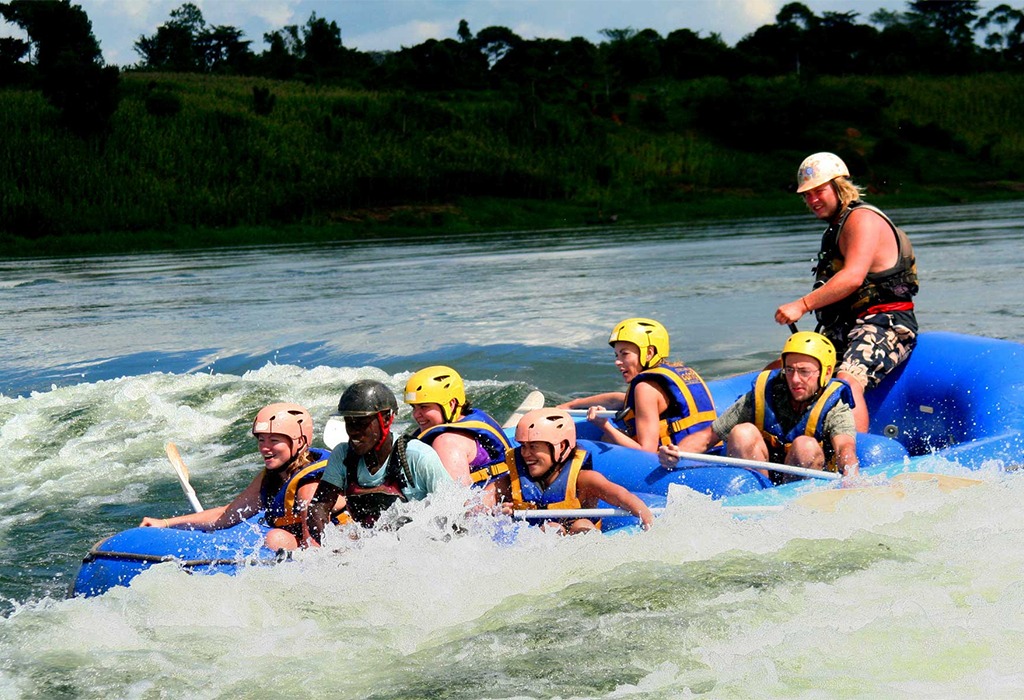
This represents Jinja’s flagship adventure activity, offering some of the world’s most exciting Grade 5 rapids just kilometers from the Nile’s peaceful source. The contrast between the tranquil source waters and the thunderous rapids downstream creates a unique appreciation for the river’s diverse character and immense power. Professional rafting companies provide comprehensive safety equipment, experienced guides, and varying difficulty levels that accommodate both beginners and expert rafters.
Full-day rafting expeditions include multiple rapids with exotic names like “The Bad Place,” “Overtime,” and “Nile Special,” each presenting distinct challenges and spectacular scenery. Between rapids, calmer sections allow participants to appreciate the river’s natural beauty, observe wildlife along the banks, and understand the geographic processes that create such dramatic water features.
Bungee Jumping
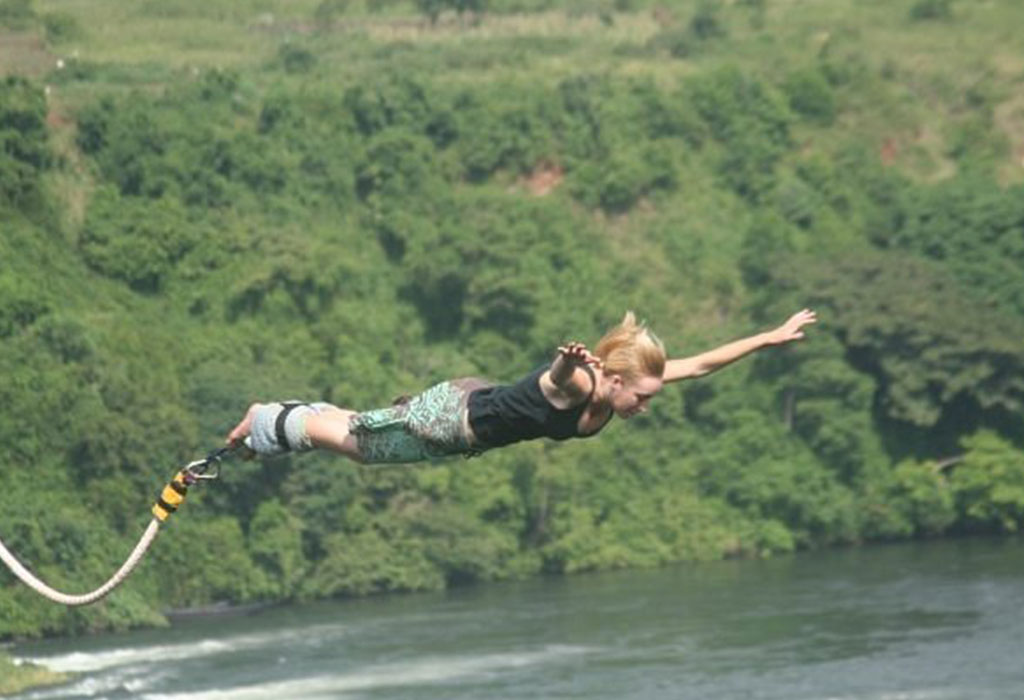
The 44-meter cliff overlooking the Nile provides ultimate adrenaline experiences with spectacular views of the river and the surrounding landscape. The jump site’s strategic location offers panoramic vistas of the Nile’s flow, Lake Victoria’s expanse, and the lush vegetation that characterizes this tropical environment. Professional operators maintain international safety standards while creating unforgettable experiences that combine extreme adventure with natural beauty.
Kayaking Instruction and Expeditions

Cater to various skill levels, from beginner courses in calm waters near the source to advanced expeditions through challenging rapids. Multi-day kayaking adventures allow participants to experience different sections of the Nile while camping along riverbanks and gaining an intimate understanding of the river’s diverse ecosystems.
Quad Biking Adventures

Explore the diverse landscapes surrounding the Source of the Nile, including traditional villages, agricultural plantations, forest areas, and cultural sites that showcase local life and economic activities. Guided quad biking tours provide cultural interactions with local communities while demonstrating sustainable tourism approaches that benefit local populations.
Horseback Riding Expeditions

offer unique perspectives on the Nile’s banks and surrounding countryside through peaceful trail rides that accommodate various experience levels. Horseback exploration allows detailed observation of local wildlife, bird species, and vegetation while providing relaxing alternatives to high-adrenaline activities.
Tubing Adventures
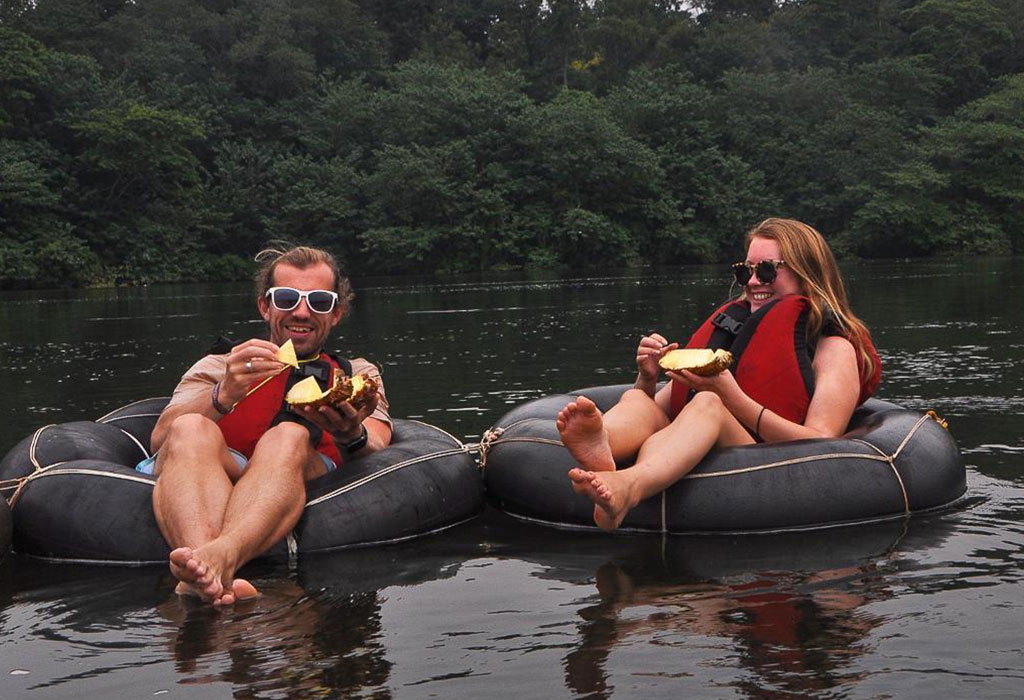
Range from peaceful floats on calm water sections to exciting rides through moderate rapids, providing accessible water activities for families and less experienced adventure seekers. Tubing requires minimal technical skills while delivering enjoyable water experiences and scenic river views.
Birdwatching Opportunities

Exploring the Source of the Nile Capitalize on the rich avian diversity surrounding the Source of the Nile, where water birds, forest species, and migratory populations create exceptional observation opportunities. The convergence of lake, river, and terrestrial habitats supports over 300 bird species, making this area a premier destination for ornithology enthusiasts.
Practical Information and Visit Planning
Location and Accessibility: The Source of the Nile is situated in Jinja, approximately 80 kilometers east of Uganda’s capital, Kampala, making it easily accessible for day trips or extended stays. The two-hour drive from Kampala follows well-maintained roads through scenic countryside that showcases Uganda’s agricultural diversity and rural communities.
Transportation Options include private vehicle hire, organized tour transportation, public bus services, and motorcycle taxis for budget-conscious travelers. Many visitors combine Source of the Nile visits with broader Ugandan safari itineraries, making transportation coordination through tour operators convenient and cost-effective.
Entrance Fees are structured to provide accessibility while supporting site maintenance and local development: $10 USD for international visitors, 5,000 Ugandan shillings for Ugandan citizens, and 10,000 Ugandan shillings for East African residents. These fees cover garden access, memorial site visits, and basic amenities but exclude boat ride costs and adventure activity fees.
Optimal Visit Timing depends on personal preferences and planned activities, with dry seasons (December-February and June-August) providing optimal conditions for outdoor activities while wet seasons offer lush vegetation and fewer crowds. Adventure activities operate year-round with appropriate safety modifications for weather conditions.





