
Safari activities during the rainy season are compelling for reasons that many travelers overlook. While most tourists flock to East Africa during the dry months, the wet season offers unique advantages that create exceptional wildlife experiences. The landscape transforms into a vibrant green paradise, animals exhibit different behavioral patterns, and the reduced tourist numbers provide intimate encounters with nature. From enhanced bird watching opportunities to easier primate tracking, the rainy season presents a different but equally rewarding safari adventure that combines wildlife viewing with cultural immersion.
Bird Watching: A Birder’s Paradise
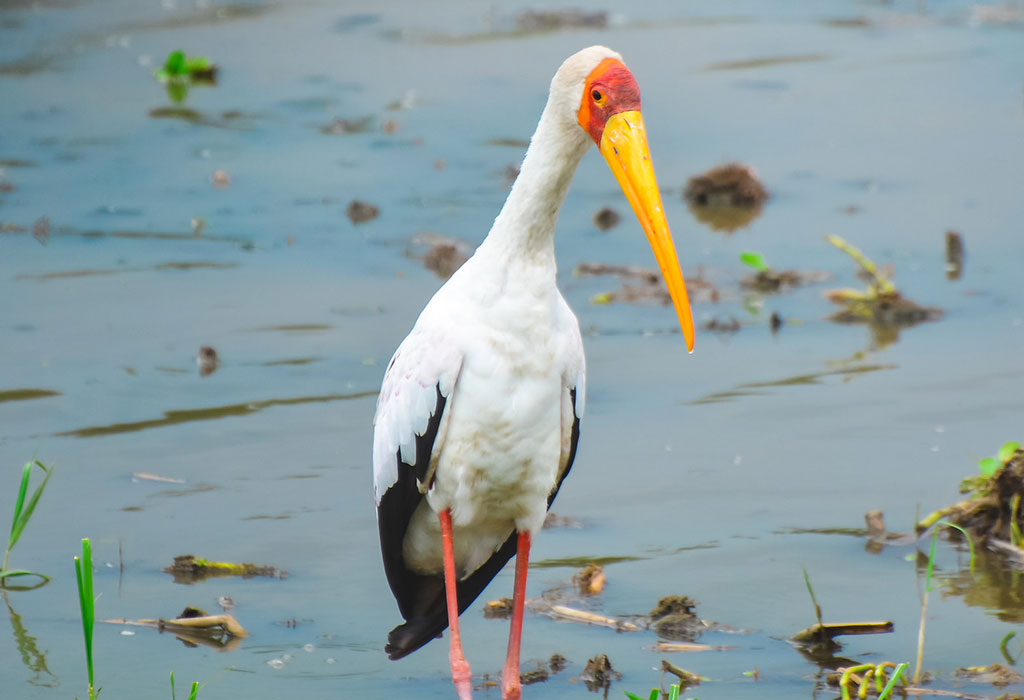
The rainy season represents the pinnacle of bird-watching opportunities across East Africa’s diverse ecosystems. This period coincides with the breeding season for numerous resident species, creating a spectacular display of avian activity that rivals any natural phenomenon. Local birds become more vocal and visible as they engage in elaborate courtship rituals, nest building, and territorial displays that provide unparalleled viewing opportunities for enthusiasts and casual observers alike.
The arrival of migratory birds from Europe adds another dimension to the birding experience. These seasonal visitors join the already impressive roster of resident species, creating biodiversity hotspots throughout the region. Wetlands, forests, and savannah areas become staging grounds for hundreds of species, from tiny sunbirds to magnificent raptors. The increased insect activity during the rains provides abundant food sources, keeping birds active throughout the day rather than retreating during the harsh midday sun typical of dry seasons.
Endemic species of the Albertine Rift become particularly active during this time, offering rare sighting opportunities for dedicated birders seeking to add unique species to their life lists. The combination of resident, migratory, and endemic species creates a birding experience that is simply unmatched during other times of the year.
Primate Trekking: Intimate Encounters in the Forest
The rainy season transforms primate trekking from a challenging pursuit into a more predictable and rewarding experience. Gorilla trekking in Uganda’s Bwindi Impenetrable National Park becomes particularly advantageous during the wet months, as these magnificent primates modify their behavior patterns in response to the weather conditions. Rather than ranging widely across their territories, gorilla families tend to remain in more sheltered areas, reducing the time and energy required for successful tracking.
The reduced movement patterns of mountain gorillas during rainy periods mean that trekking groups often spend less time hiking through challenging terrain before encountering their target families. This benefits visitors of varying fitness levels and allows for longer, more meaningful observations once the gorillas are located. The lush vegetation provides a stunning backdrop for photography, with the verdant forest creating dramatic contrasts against the gorillas’ dark fur.
Chimpanzee trekking in locations like Kibale Forest National Park follows similar patterns, with these intelligent primates limiting their movements during heavy rainfall periods. Chimpanzees often seek shelter in specific areas of their territory, making them more predictable to locate. The acoustic environment of the forest during the rains also enhances the trekking experience, as the sounds of rainfall, bird calls, and primate vocalizations create an immersive wilderness soundtrack.
The reduced tourist numbers during the rainy season often result in smaller trekking groups, providing more intimate and personal encounters with these remarkable primates. Guides can offer more individualized attention, sharing detailed insights about primate behavior, forest ecology, and conservation efforts.
Game Drives: Lush Landscapes and Strategic Wildlife Viewing
Game drives during the rainy season offer a completely different perspective on East Africa’s renowned savannah ecosystems. The transformation of golden grasslands into emerald green plains creates breathtaking scenery that provides exceptional photographic opportunities. The contrast between dramatic storm clouds, vibrant vegetation, and wildlife creates compelling compositions that capture the dynamic beauty of the African landscape.
Animal behavior during the wet season follows predictable patterns that can enhance game viewing experiences. Herbivores such as gazelles, impalas, zebras, and wildebeest concentrate around reliable water sources, creating excellent viewing opportunities along rivers, seasonal streams, and watering holes. This concentration effect often brings predators closer to roads and viewing areas, as they follow their prey to these strategic locations.
The abundance of fresh grass and vegetation during the rains coincides with calving seasons for many herbivore species, adding the excitement of observing young animals taking their first steps in the wild. The increased nutritional quality of vegetation during this period also means that animals often appear healthier and more robust, with glossy coats and active behaviors that make for compelling wildlife viewing.
Cultural Experiences and Low Season Advantages
The rainy season provides enhanced opportunities for meaningful cultural interactions with local communities. With fewer tourists competing for attention, visitors can engage more deeply with cultural programs, traditional ceremonies, and community-based tourism initiatives. Local communities often have more time to share their traditions, demonstrate traditional crafts, and provide insights into their relationship with the surrounding wildlife and ecosystems.
Agricultural communities are particularly active during the planting and growing seasons, offering visitors unique insights into traditional farming practices and the interconnection between human activities and wildlife conservation. These authentic cultural exchanges provide context for understanding the complex relationships between people, wildlife, and landscape management in East Africa.
The low tourist season brings significant practical advantages, including reduced accommodation costs, smaller group sizes for activities, and potential discounts on permits for premium experiences like gorilla trekking. The reduced crowds mean that popular viewpoints, lodges, and activity sites are less congested, allowing for more peaceful and contemplative wildlife experiences.
The rainy season safari experience offers a unique perspective on East Africa’s natural wonders, combining exceptional wildlife viewing opportunities with cultural immersion and practical advantages that create unforgettable travel memories.





