
What animals can you see on safari in Rwanda? This small East African nation offers surprisingly diverse wildlife experiences across varied ecosystems ranging from savanna grasslands to montane forests and volcanic landscapes. Rwanda’s remarkable conservation success story encompasses the complete Big Five collection, including recently reintroduced species, exceptional primate populations featuring mountain gorillas and chimpanzees, and over 1,000 recorded bird species that attract ornithologists worldwide. Akagera National Park serves as the primary wildlife viewing destination, while Volcanoes National Park and Nyungwe Forest provide specialized primate encounters. Rwanda’s compact size enables efficient wildlife tourism that combines classic African safari experiences with unique mountain gorilla trekking and comprehensive birding opportunities in pristine protected environments.
The Big Five: Rwanda’s Premier Safari Attractions
African Elephants: Gentle Giants of Akagera
African elephants represent Rwanda’s most impressive megafauna, with Akagera National Park housing a thriving population that has recovered remarkably from historical declines. These majestic creatures roam across the park’s diverse habitats, from acacia woodlands to papyrus swamps, creating spectacular viewing opportunities throughout the year.
Akagera’s elephant herds typically range from 10 to 30 individuals, including multiple generations that demonstrate complex social structures and family bonds. Visitors frequently encounter these gentle giants during morning and afternoon game drives, particularly around water sources where elephants congregate for drinking and bathing activities.
The park’s elephant population has grown steadily through successful conservation programs that address human-wildlife conflict, habitat protection, and anti-poaching efforts. This success story represents broader conservation achievements that have transformed Rwanda into a model for wildlife protection across Africa.
Lions: The Restored Pride of Rwanda
Lions returned to Rwanda through a landmark reintroduction program that brought individuals from South Africa to reestablish this apex predator in Akagera National Park. This ambitious conservation project has achieved remarkable success, with the lion population growing through natural reproduction and successful adaptation to Rwanda’s ecosystem.
The reintroduced lions have formed stable prides that demonstrate typical social behaviors, including cooperative hunting, territory establishment, and cub rearing. Visitors now enjoy reliable lion sightings during game drives, particularly in the park’s northern sectors where the prides have established core territories.
Lion reintroduction represents Rwanda’s commitment to ecosystem restoration and complete biodiversity recovery. The success of this program has inspired similar conservation initiatives across East Africa and demonstrates the potential for species recovery through dedicated management efforts.
Leopards: Elusive Masters of Stealth
Leopards inhabit various habitats throughout Akagera National Park, from dense woodlands to rocky outcrops that provide ideal hunting grounds and denning sites. These solitary cats remain elusive but rewarding safari subjects, with experienced guides understanding optimal viewing locations and timing for encounters.
Akagera’s leopard population benefits from diverse prey species and minimal human disturbance within protected areas. The cats adapt their hunting strategies to local conditions, pursuing antelopes in open areas while utilizing stealth tactics in dense vegetation.
While leopard sightings require patience and luck, successful encounters provide unforgettable experiences that highlight the predator-prey dynamics essential to healthy ecosystem function. Their presence indicates robust prey populations and effective habitat protection throughout the park.
African Buffalo: Formidable Herds
Large buffalo herds roam throughout Akagera National Park, sometimes numbering in the hundreds during seasonal gatherings. These powerful animals create impressive spectacles as they move across open grasslands and gather around water sources during dry periods.
Buffalo demonstrate complex herd dynamics with established hierarchies, cooperative defense strategies, and seasonal migration patterns that reflect resource availability. Their presence supports predator populations and creates dynamic ecosystem interactions that enhance overall wildlife viewing experiences.
The park’s buffalo population remains stable and healthy, contributing to grassland ecosystem management through grazing patterns that maintain habitat diversity and support various antelope species.
Rhinoceros: Conservation Success Story
Black rhinoceros returned to Rwanda through another successful reintroduction program that brought individuals from South Africa to restore this critically endangered species. The rhino population continues growing through careful management and intensive protection efforts.
Rhino encounters in Akagera provide profound experiences that highlight global conservation challenges and Rwanda’s leadership in species recovery programs. These prehistoric-looking creatures attract international attention and support for broader conservation initiatives throughout East Africa.
Primate Encounters: Rwanda’s Unique Advantage
Mountain Gorillas: The Ultimate Primate Experience
What Animals Can You See on Safari in Rwanda? Rwanda’s Volcanoes National Park houses approximately one-third of the world’s remaining mountain gorilla population, offering intimate encounters with these critically endangered great apes. Multiple habituated gorilla families provide daily trekking opportunities that generate significant conservation funding while raising awareness about gorilla protection needs.
Gorilla trekking represents Rwanda’s flagship tourism experience, combining adventure, education, and conservation impact in unforgettable wildlife encounters. The experience contributes directly to local community development and provides sustainable alternatives to activities that might threaten gorilla habitats.
Chimpanzees: Our Closest Living Relatives
Nyungwe National Park’s chimpanzee population offers complementary primate experiences that showcase different aspects of great ape behavior and intelligence. Chimpanzee tracking through ancient montane forests provides insights into complex social structures and remarkable cognitive abilities.
The combination of gorilla and chimpanzee encounters creates comprehensive primate experiences available in a few destinations worldwide, positioning Rwanda as a premier great ape tourism destination.
Diverse Mammalian Wildlife
Plains Game and Antelopes
Akagera National Park supports diverse antelope species, including elegant impalas, stately elands, graceful topis, and numerous smaller species that create constant wildlife viewing opportunities. Each species occupies distinct ecological niches and demonstrates unique adaptations to savanna environments.
Waterbucks frequent areas near rivers and lakes, while bushbucks prefer woodland edges that provide cover and browse opportunities. Oribis occupy open grasslands where their speed protects them from predators, while elands utilize their size and strength to access varied food sources.
Giraffes and Zebras: Iconic African Species
What Animals Can You See on Safari in Rwanda? Masai giraffes create spectacular silhouettes against Rwanda’s skies, their impressive height enabling access to acacia trees that other herbivores cannot reach. These gentle giants move gracefully across open areas and provide excellent photographic opportunities throughout the day.
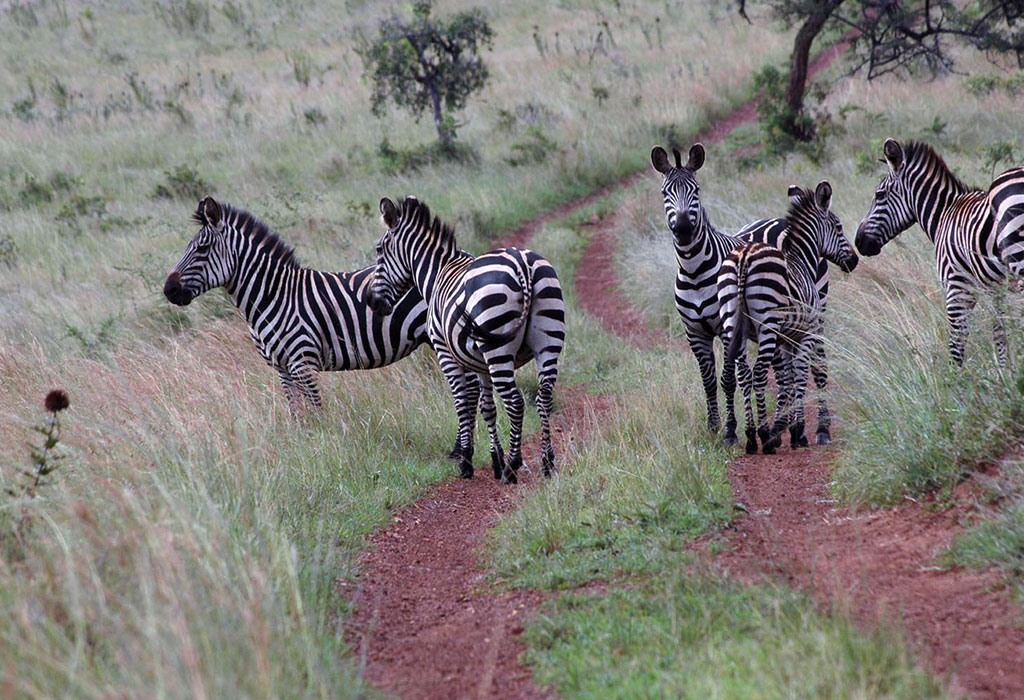
Plains zebras add striking black and white patterns to the savanna landscape while demonstrating complex social behaviors within family groups. Their distinctive calls and dynamic interactions create engaging viewing experiences during game drives.
Hippos: River Giants
Hippo populations in Akagera’s rivers and lakes create exciting viewing opportunities from both vehicles and boats. These semi-aquatic mammals demonstrate fascinating behaviors, including territorial displays, social interactions, and impressive swimming abilities.
Boat safaris provide optimal hippo viewing while offering different perspectives on park wildlife and landscapes. The aquatic experiences complement traditional game drives and add diversity to overall safari experiences.
Exceptional Avian Diversity
Endemic and Specialized Species
What Animals Can You See on Safari in Rwanda? Rwanda’s bird diversity exceeds 1,000 species across varied habitats from wetlands to montane forests. Akagera National Park alone records over 500 species, including sought-after specialties like the papyrus gonolek and magnificent shoebill stork.
Albertine Rift endemics found in Rwanda’s mountain forests attract international birders seeking species found nowhere else on Earth. These specialized birds occupy unique ecological niches and demonstrate remarkable adaptations to specific environmental conditions.
Waterbirds and Raptors
Akagera’s wetlands support impressive waterbird concentrations, including various herons, ibises, and wading species that create dynamic viewing opportunities. Seasonal migrations bring additional species that enhance birding experiences throughout the year.
Raptor diversity includes various eagles, hawks, and owls that demonstrate predator-prey relationships essential to ecosystem balance. These impressive birds provide exciting sighting opportunities while contributing to overall biological diversity.
Conservation Success and Tourism Integration
What Animals Can You See on Safari in Rwanda? Rwanda’s wildlife safari offerings reflect remarkable conservation achievements that have restored ecosystems and recovered species through dedicated management efforts. The integration of tourism revenue with conservation funding creates sustainable models that benefit both wildlife protection and local community development throughout this remarkable country.





