
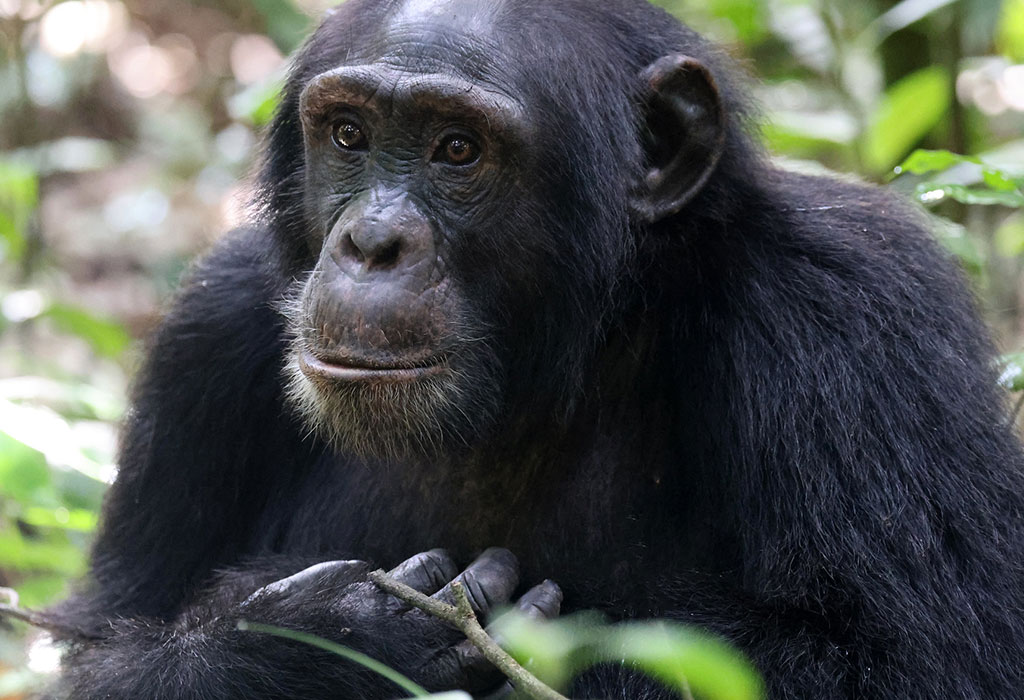
Kibale chimpanzee permits serve as your gateway to one of the world’s most extraordinary primate experiences, providing access to Uganda’s renowned “Primate Capital of the World.” These official documents, issued by the Uganda Wildlife Authority, grant visitors exclusive opportunities to observe and interact with habituated chimpanzee communities in their natural rainforest habitat. With carefully regulated pricing structures that vary based on residency status and experience type, these permits ensure sustainable conservation funding while limiting human impact on chimpanzee populations. Understanding permit costs, booking procedures, and requirements becomes essential for planning this once-in-a-lifetime encounter with our closest living relatives.
Understanding Kibale’s Chimpanzee Permit System
The chimpanzee permit system in Kibale Forest National Park operates as a carefully managed conservation tool that balances wildlife protection with tourism revenue generation. The Uganda Wildlife Authority, the country’s premier conservation organization, administers this system to ensure sustainable primate tourism while funding critical conservation efforts throughout the park.
These permits function as exclusive access passes to habituated chimpanzee communities, groups of chimpanzees that have undergone extensive conditioning to tolerate human presence without altering their natural behaviors. The habituation process requires years of patient work by researchers and guides, gradually introducing human observers until chimpanzees accept their presence as non-threatening.
The permit system limits daily visitor numbers to minimize stress on chimpanzee communities while ensuring each visitor receives high-quality, intimate wildlife encounters. This approach contrasts sharply with mass tourism models, instead emphasizing meaningful connections between humans and our closest genetic relatives in controlled, respectful environments.
Comprehensive Cost Structure Analysis
Foreign Non-Resident Pricing
Foreign non-residents, comprising the majority of international tourists, face the highest permit fees reflecting their economic capacity and the exclusive nature of chimpanzee encounters. Standard chimpanzee trekking permits cost $250 per person, providing access to one-hour encounters with habituated chimpanzee communities during morning or afternoon tracking sessions.
The premium chimpanzee habituation experience commands $300 per person, offering extended four-hour encounters that provide deeper insights into chimpanzee behavior, social dynamics, and daily routines. This extended experience allows visitors to observe feeding patterns, grooming rituals, territorial disputes, and complex social interactions that shorter encounters might miss.
Foreign Resident Considerations
Foreign residents, typically expatriates living in Uganda or neighboring East African countries, receive modest discounts recognizing their local connections and potential for repeat visits. Chimpanzee trekking permits cost $200 per person, representing a $50 reduction from non-resident pricing.
Habituation experiences for foreign residents cost $250 per person, maintaining the $50 discount structure while providing the same extended four-hour encounters. These pricing tiers encourage regional tourism and reward individuals who contribute to local economies through extended residence.
East African Citizen Benefits
East African citizens enjoy significantly reduced permit costs, reflecting regional integration policies and recognition of local economic conditions. Standard chimpanzee trekking permits cost UGX 180,000 (approximately $48), making these experiences accessible to regional visitors who might otherwise be priced out of premium wildlife tourism.
Habituation experiences for East African citizens cost UGX 250,000 (approximately USD 67), maintaining substantial savings compared to international visitor pricing while ensuring these unique experiences remain available to regional populations who share cultural and geographic connections with Uganda’s wildlife heritage.
What Your Permit Investment Includes
Chimpanzee permits represent comprehensive packages that extend far beyond simple park access, encompassing multiple services and experiences that justify their premium pricing. Park entrance fees form the foundation of permit costs, providing access to Kibale’s 795 square kilometers of pristine tropical rainforest that hosts 13 primate species and over 375 bird species.
Professional ranger guide services constitute another critical component, with experienced guides possessing intimate knowledge of chimpanzee communities, forest navigation skills, and safety protocols essential for successful tracking experiences. These guides undergo extensive training in primate behavior, forest ecology, and visitor management, ensuring safe, educational, and memorable encounters.
The actual chimpanzee encounter represents the permit’s centerpiece, whether the standard one-hour observation period or the extended four-hour habituation experience. During these encounters, visitors observe chimpanzees displaying natural behaviors including feeding, grooming, playing, and communicating through various vocalizations and gestures.
Conservation contributions embedded within permit costs fund ongoing research, anti-poaching efforts, community engagement programs, and habitat preservation initiatives. These investments ensure chimpanzee populations remain stable while providing sustainable livelihoods for local communities through employment and revenue sharing.
Strategic Booking Recommendations
Successful chimpanzee permit acquisition requires strategic planning, particularly during Uganda’s peak tourism seasons from June through September and December through February. Limited daily permits create intense competition among international visitors, making booking essential for securing preferred dates and experiences.
The Uganda Wildlife Authority serves as the official permit issuing agency, accepting direct bookings through their headquarters in Kampala or regional offices. However, many visitors prefer working with established tour operators who handle permit procurement alongside comprehensive safari planning services.
Reputable tour operators maintain relationships with the Uganda Wildlife Authority that facilitate permit acquisition during high-demand periods. They also provide valuable services including transportation arrangements, accommodation bookings, and integrated itineraries combining chimpanzee tracking with other Uganda attractions.
Peak season booking requires 3-6 months of planning, while off-season visits may accommodate shorter booking windows. However, given the limited number of daily permits and Kibale’s international reputation, booking remains advisable regardless of travel timing.
Age Requirements and Safety Protocols
Chimpanzee encounters involve specific age restrictions designed to ensure participant safety while minimizing stress on chimpanzee communities. Standard chimpanzee trekking experiences require participants to be at least 12 years old, reflecting the physical demands of forest navigation and the need for mature behavior during wildlife encounters.
Habituation experiences maintain higher age requirements, restricting participation to individuals 15 years and older. The extended four-hour duration and closer proximity to chimpanzee communities demand greater physical stamina and emotional maturity than standard tracking experiences.
These age restrictions acknowledge that chimpanzees, despite their habituation, remain wild animals capable of unpredictable behavior. Young children might react unpredictably to close chimpanzee encounters, potentially triggering defensive responses that could endanger both humans and animals.
Conservation Impact and Sustainability
Chimpanzee permit revenues directly support conservation efforts that protect not only chimpanzees but entire forest ecosystems. These funds enable anti-poaching patrols, research programs studying chimpanzee behavior and ecology, and community development projects that provide alternative livelihoods to activities that might threaten forest resources.
The permit system demonstrates successful conservation finance, where tourism revenue creates economic incentives for wildlife protection while providing sustainable funding for long-term conservation efforts. This model ensures that chimpanzee populations receive protection that extends far beyond simple legal designation.
Local communities benefit through employment opportunities as guides, porters, and support staff, while revenue-sharing programs fund schools, healthcare facilities, and infrastructure development. This approach creates stakeholders invested in conservation success while demonstrating that wildlife protection can generate tangible community benefits.
Kibale chimpanzee permits thus represent more than simple tourist transactions—they constitute investments in conservation, community development, and the preservation of our planet’s most remarkable primate species for future generations.





