Is Rwanda good for a safari? This is one of the most frequently asked questions among travelers seeking authentic African wildlife experiences. The answer is an emphatic yes, though Rwanda offers a distinctly different safari experience from traditional East and Southern African destinations. This compact “Land of a Thousand Hills” has revolutionized wildlife tourism through exceptional conservation successes, world-class primate encounters, and unique ecological diversity packed into a remarkably accessible format. Rwanda’s safari experiences transcend conventional game drives, offering intimate wildlife encounters within pristine mountain forests, successful conservation stories, and cultural immersion opportunities that create profound connections between visitors and Africa’s natural heritage.
The Gorilla Experience: Africa’s Ultimate Wildlife Encounter
Mountain Gorilla Trekking in Volcanoes National Park
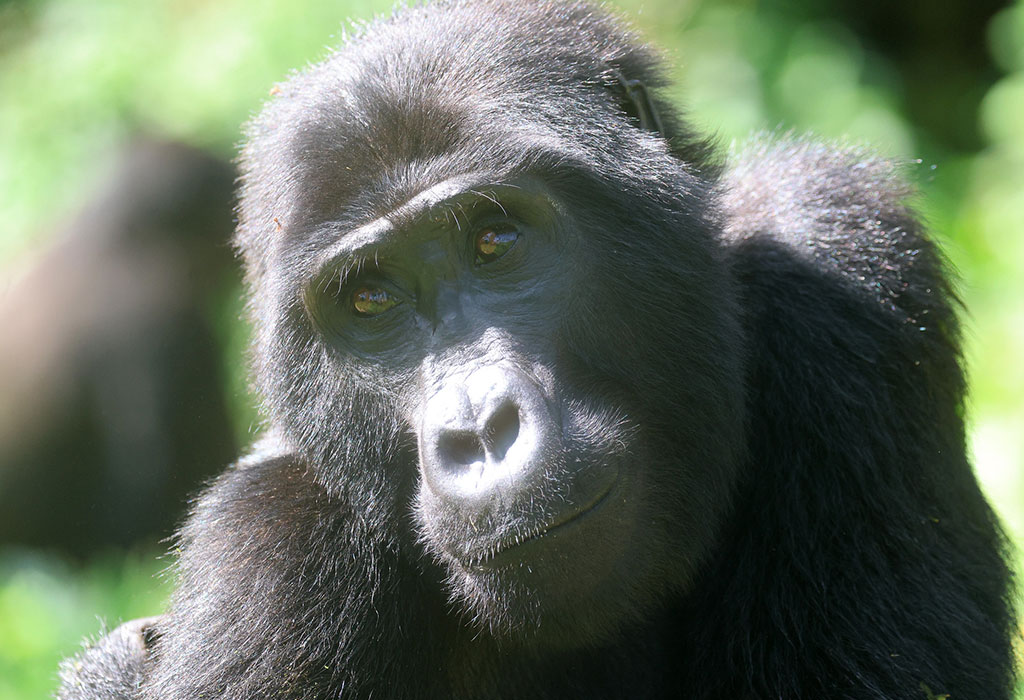
Rwanda’s position as a premier safari destination rests fundamentally on its mountain gorilla population, representing one of wildlife tourism’s most exclusive and emotionally powerful experiences. Volcanoes National Park, part of the greater Virunga ecosystem, protects approximately one-third of the world’s remaining mountain gorillas, making Rwanda essential to the species’ survival and conservation.
The gorilla trekking experience differs dramatically from traditional game drives, requiring physical commitment and offering guaranteed intimate encounters with habituated gorilla families. Each trek involves hiking through pristine montane forests at elevations exceeding 2,500 meters, following expert trackers to locate specific gorilla groups. The subsequent hour spent observing these magnificent primates in their natural habitat creates memories that last a lifetime.
Rwanda’s gorilla tourism model exemplifies sustainable wildlife management, with strict visitor limits ensuring minimal disturbance to gorilla families while generating substantial revenue for conservation and local communities. Daily permits, while expensive, guarantee encounters and support ongoing research, anti-poaching efforts, and habitat protection initiatives that have contributed to steady gorilla population increases.
Golden Monkey Tracking and Other Primate Encounters
Beyond mountain gorillas, Volcanoes National Park offers golden monkey tracking experiences that provide excellent wildlife viewing opportunities with less physical demand. These distinctive primates, endemic to the Albertine Rift region, inhabit bamboo forests where their acrobatic behaviors and social interactions create entertaining viewing experiences.
The park’s diverse primate community includes various monkey species, providing opportunities for extended wildlife observation sessions. Professional guides possess intimate knowledge of primate behaviors, feeding patterns, and social structures, transforming simple sightings into educational experiences about Rwanda’s remarkable biodiversity.
Traditional Safari Experiences in Akagera National Park
Big Five and Savanna Wildlife
Akagera National Park delivers Rwanda’s traditional safari experience, featuring classic African savanna landscapes, diverse wildlife populations, and conventional game drive activities. This eastern park represents one of Africa’s greatest conservation success stories, having recovered from near-collapse during the 1990s to become a thriving ecosystem supporting healthy populations of major African wildlife species.
The park’s Big Five status, achieved through successful lion and rhino reintroduction programs, positions Rwanda among elite African safari destinations. Lions, reintroduced from South Africa in 2015, have established thriving prides and begun reproducing successfully. Black rhinos, introduced in 2017, represent hope for species recovery while providing tourists with opportunities to observe these critically endangered animals.
Elephant populations have recovered dramatically, with herds now numbering in the hundreds compared to near-extinction levels two decades ago. Buffalo populations remain robust, while leopards, though elusive, maintain healthy numbers throughout the park’s diverse habitats. This remarkable conservation achievement demonstrates Rwanda’s commitment to wildlife protection and ecosystem restoration.
Diverse Ecosystems and Wildlife Viewing
Akagera’s 1,122 square kilometers encompass remarkable habitat diversity, including savanna grasslands, woodland areas, wetlands, and lakes that support varied wildlife communities. This ecosystem diversity ensures excellent wildlife viewing opportunities year-round, with different seasons offering unique advantages for specific species observations.
The park’s lake system, including Lake Ihema, supports substantial hippo and crocodile populations alongside diverse waterfowl communities. Boat safaris on these lakes provide alternative wildlife viewing perspectives while offering excellent photography opportunities and chances to observe aquatic ecosystems rarely accessible elsewhere in Rwanda.
Game drive circuits traverse varied terrain, from open grasslands where giraffes, zebras, and various antelope species graze to woodland areas where elephants feed and rest during hot daylight hours. Night drives, available with special arrangements, reveal nocturnal wildlife activities including predator movements and the behaviors of species rarely observed during daylight hours.
Forest Safari Experiences in Nyungwe National Park
Chimpanzee Tracking and Primate Diversity
Nyungwe Forest National Park offers Rwanda’s premier forest safari experience, centered around chimpanzee tracking but encompassing much broader primate and general wildlife observation opportunities. This ancient montane forest, among Africa’s oldest and most biodiverse, supports 13 primate species, including substantial chimpanzee populations.
Chimpanzee tracking requires hiking through dense forest terrain following expert trackers who locate specific chimpanzee communities based on calls, nesting sites, and feeding signs. Encounters with these intelligent primates provide insights into complex social behaviors, communication methods, and remarkable problem-solving abilities that highlight evolutionary connections between humans and great apes.
The park’s primate diversity extends far beyond chimpanzees, including troops of Angolan colobus monkeys whose dramatic black and white coloration creates striking visual contrasts among green forest backgrounds. L’Hoest’s monkeys, blue monkeys, and various other species provide extended primate observation opportunities throughout forest hiking experiences.
Canopy Walk and Forest Exploration
Nyungwe’s famous canopy walkway, suspended 50 meters above the forest floor, offers unique wildlife viewing perspectives unavailable elsewhere in Rwanda. This engineering marvel provides access to forest canopy ecosystems where different wildlife communities exist compared to ground-level environments.
Bird watching opportunities in Nyungwe rank among Africa’s finest, with over 300 recorded species, including numerous Albertine Rift endemics found nowhere else on Earth. The forest’s pristine condition supports healthy populations of forest specialists whose presence indicates exceptional ecosystem health.
Cultural Integration and Community Tourism
Authentic Cultural Experiences
Rwanda’s safari experiences extend beyond wildlife encounters to include meaningful cultural interactions that provide a deeper understanding of local communities and their relationships with natural environments. Cultural villages near major parks offer authentic experiences showcasing traditional Rwandan lifestyles, crafts, music, and agricultural practices.
The integration of cultural tourism with wildlife experiences creates comprehensive travel experiences that benefit local communities while educating visitors about complex relationships between human populations and wildlife conservation. These programs often include traditional dance performances, craft demonstrations, and opportunities to participate in daily community activities.
Conservation Education and Community Benefits
Rwanda’s community-based tourism model ensures that safari experiences contribute directly to local economic development and conservation awareness. Revenue sharing from park entrance fees and tourism activities funds community development projects, including schools, healthcare facilities, and infrastructure improvements.
Educational components of safari experiences highlight conservation success stories while explaining ongoing challenges and future objectives. Visitors gain appreciation for complex conservation issues while understanding how tourism contributes to wildlife protection and community development.
Unique Advantages of Rwanda Safari Experiences
Accessibility and Infrastructure
Rwanda’s compact size and excellent infrastructure make it possible to experience diverse safari activities within short timeframes and minimal travel distances. Excellent road networks connect major parks, while luxury accommodations near each destination eliminate the need for extensive camping or remote lodging arrangements.
The country’s political stability, safety record, and tourism-friendly policies create comfortable conditions for international visitors. English-speaking guides, well-organized permit systems, and reliable logistics support ensure smooth safari experiences without the complications sometimes encountered in other African destinations.
Intimate and Exclusive Experiences
Rwanda’s limited tourism capacity creates intimate wildlife encounters rarely possible in higher-volume destinations. Small group sizes, personalized guide attention, and minimal crowding around wildlife sightings enhance the quality of safari experiences while reducing environmental impacts.
This exclusivity, combined with Rwanda’s remarkable conservation achievements and diverse wildlife offerings, positions the country as a premium safari destination that delivers exceptional value despite higher costs compared to some alternatives. The combination of guaranteed gorilla encounters, successful Big Five viewing, diverse primate experiences, and cultural immersion creates comprehensive safari experiences that satisfy the most demanding wildlife enthusiasts.