
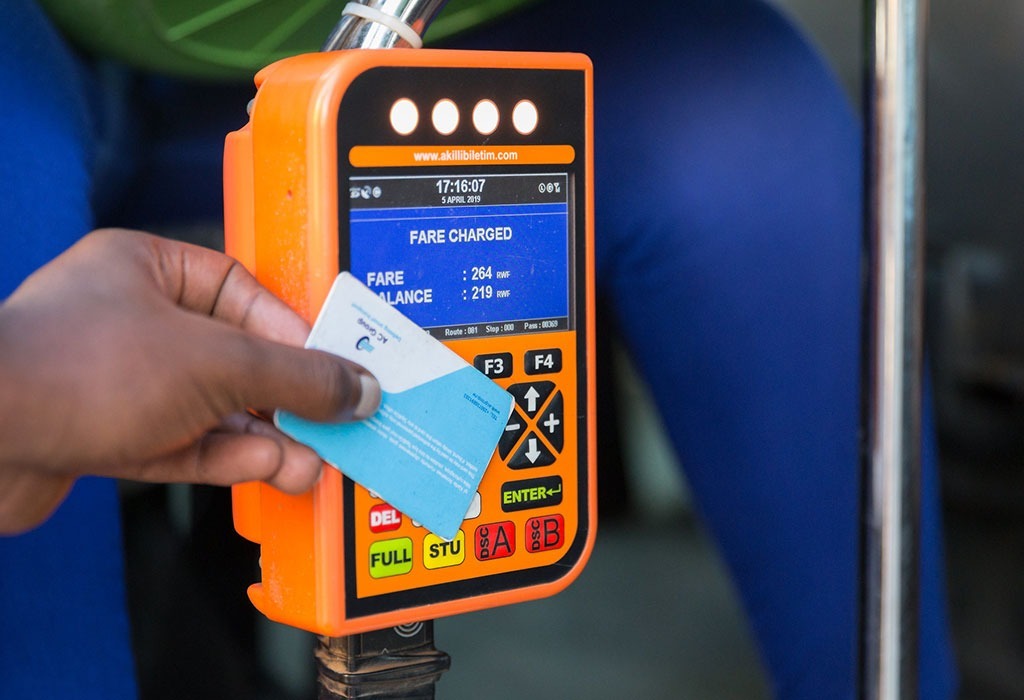
Currency and Payment Methods in Rwanda reflect a nation in economic transition, where traditional cash-based transactions coexist with rapidly emerging digital payment solutions. As Rwanda continues its remarkable journey toward becoming a regional financial hub and cashless society, understanding the country’s monetary landscape becomes essential for visitors and business travelers. However, the Rwandan financial system combines established banking infrastructure with innovative mobile payment technologies, creating a unique environment where ancient market traditions meet cutting-edge fintech solutions, offering both opportunities and challenges for those navigating Rwanda’s diverse payment ecosystem.
The Rwandan Franc: National Currency Foundation
The Rwandan Franc (RWF) serves as the official currency of Rwanda and forms the backbone of all domestic financial transactions throughout the country. Issued and regulated by the National Bank of Rwanda, the Rwandan Franc has maintained relative stability in recent years, reflecting the country’s broader economic recovery and growth trajectory since the 1990s. The currency is subdivided into smaller denominations, though in practice, the smallest commonly used units are sufficient for most daily transactions.
Understanding the Rwandan Franc’s role in the economy requires recognizing its position within East African monetary systems. While Rwanda is a member of the East African Community and participates in regional economic integration initiatives, the country has maintained its sovereign currency rather than adopting a common regional currency. This independence allows Rwanda to implement monetary policies tailored to its specific economic circumstances and development goals.
The physical currency includes both coins and banknotes in various denominations, with the higher denomination notes featuring important national symbols, historical figures, and representations of Rwanda’s natural heritage. The design and security features of Rwandan Franc notes have been updated over the years to incorporate modern anti-counterfeiting measures, ensuring the integrity of the currency system.
Foreign Currency Exchange and Acceptance
Rwanda’s foreign exchange operates through commercial banks, authorized FOREX bureaus, and licensed money changers. US Dollars and Euros are most widely accepted, with rates fluctuating based on international markets and National Bank of Rwanda policies. As of early 2025, the approximate rate is 1 USD to 1,401 RWF. However, rates vary over time, so checking current rates before and during visits is essential.
Note that the condition matters significantly. Rwandan institutions reject damaged, torn, worn, or very old foreign currency, following international banking standards. Travelers should carry pristine notes—avoiding folded, stained, or damaged bills that may be rejected.
Exchange rates differ between providers. Banks offer conservative rates with enhanced security and documentation, while FOREX bureaus may provide more competitive rates for larger transactions. Comparing options before exchanging substantial amounts is advisable.
ATM Network and Cash Access Infrastructure
Currency and Payment Methods in Rwanda. Rwanda’s ATM network has expanded considerably in recent years, with machines now available in all major cities and many smaller urban centers throughout the country. These automated banking facilities primarily dispense Rwandan Francs, providing convenient access to local currency for both residents and visitors. However, the ATM infrastructure remains concentrated in urban areas, with rural regions often having limited or no ATM access.
The compatibility of foreign bank cards with Rwandan ATMs varies significantly depending on the card type and issuing bank. Visa cards generally enjoy broader acceptance across Rwanda’s ATM network compared to other card types, making Visa the preferred choice for international travelers. Mastercard acceptance is also growing, but may be more limited in certain locations or with specific ATM operators.
ATM transaction fees can vary between different banks and for different types of cards, with foreign cards typically incurring higher charges than domestic cards. These fees may include both charges from the Rwandan ATM operator and additional international transaction fees from the card-issuing bank. Travelers should check with their home banks about international ATM fee structures and consider strategies to minimize these costs through strategic cash withdrawals.
The reliability of ATM services can occasionally be affected by factors such as power outages, network connectivity issues, or cash shortages, particularly in smaller towns or during peak periods. Having backup payment options becomes essential when relying on ATM access for cash needs.
Credit and Debit Card Acceptance Evolution
The acceptance of credit and debit cards in Rwanda has expanded dramatically over the past decade, driven by economic growth, urbanization, and deliberate government policies promoting cashless transactions. Major establishments in Kigali, including upscale restaurants, modern supermarkets, international hotels, and shopping centers, increasingly accept international credit and debit cards as standard payment options.
This card acceptance revolution reflects broader changes in Rwanda’s retail and hospitality sectors, where businesses recognize the convenience and security benefits of electronic payments for both customers and merchants. The tourism industry has been particularly proactive in adopting card payment systems, understanding that international visitors expect and prefer card payment options.
However, card acceptance remains highly variable depending on location and business type. Rural areas, local markets, street vendors, and smaller establishments often operate exclusively on a cash basis, either due to a lack of card processing infrastructure or the costs associated with electronic payment systems. Even in urban areas, smaller businesses may prefer cash transactions to avoid processing fees and transaction delays associated with card payments.
The types of cards accepted also vary, with Visa and Mastercard enjoying broader acceptance than American Express or other card networks. Contactless payment capabilities are growing but remain limited compared to more developed markets.
Mobile Money Revolution and Digital Payments
Rwanda has embraced mobile money solutions as part of its broader digital transformation strategy, with services like Airtel Money and MTN Mobile Money gaining significant traction among urban populations. These digital payment platforms allow users to store value on their mobile phones, transfer money to other users, pay bills, and conduct various financial transactions without requiring traditional banking infrastructure.
The mobile money ecosystem in Rwanda extends beyond simple person-to-person transfers to include merchant payments, utility bill payments, and integration with other financial services. This expansion has created new possibilities for financial inclusion, particularly for populations that may have limited access to traditional banking services.
For visitors, accessing mobile money services typically requires local phone numbers and registration processes that may be challenging for short-term travelers. However, longer-term visitors or business travelers might find mobile money solutions convenient for certain types of transactions, particularly in urban areas where acceptance is widespread.
Online Payment Platforms and Business Solutions
Currency and Payment Methods in Rwanda. The digital payment landscape in Rwanda includes sophisticated online payment platforms like Pesapal, which provide comprehensive payment processing solutions for businesses operating in the country. These platforms enable merchants to accept various payment methods, including credit cards, debit cards, and mobile money, creating integrated payment ecosystems that bridge different payment preferences.
These business-oriented payment solutions reflect Rwanda’s ambitions to become a regional technology and financial services hub, providing infrastructure that supports both local businesses and international commerce. The growth of e-commerce and online services in Rwanda has driven demand for reliable, secure payment processing capabilities that can handle multiple payment methods and currencies.
Strategic Recommendations for Travelers
Currency and Payment Methods in Rwanda: Successful navigation of Rwanda’s payment landscape requires strategic preparation and flexible approaches to money management. Carrying some local currency remains essential, particularly when traveling outside major urban centers or when planning to visit local markets, use public transportation, or engage with smaller service providers that operate primarily on a cash basis.
Currency exchange strategy should consider both exchange rates and convenience factors. Exchanging larger denominations of major foreign currencies typically yields better rates than smaller denominations, but travelers must balance this advantage against the risks of carrying large amounts of cash and the practical challenges of making change for smaller purchases.
Credit card backup plans become crucial given the variable acceptance of electronic payments across different regions and business types. While card acceptance continues expanding, having multiple payment options ensures flexibility in various situations that travelers might encounter throughout Rwanda.





