
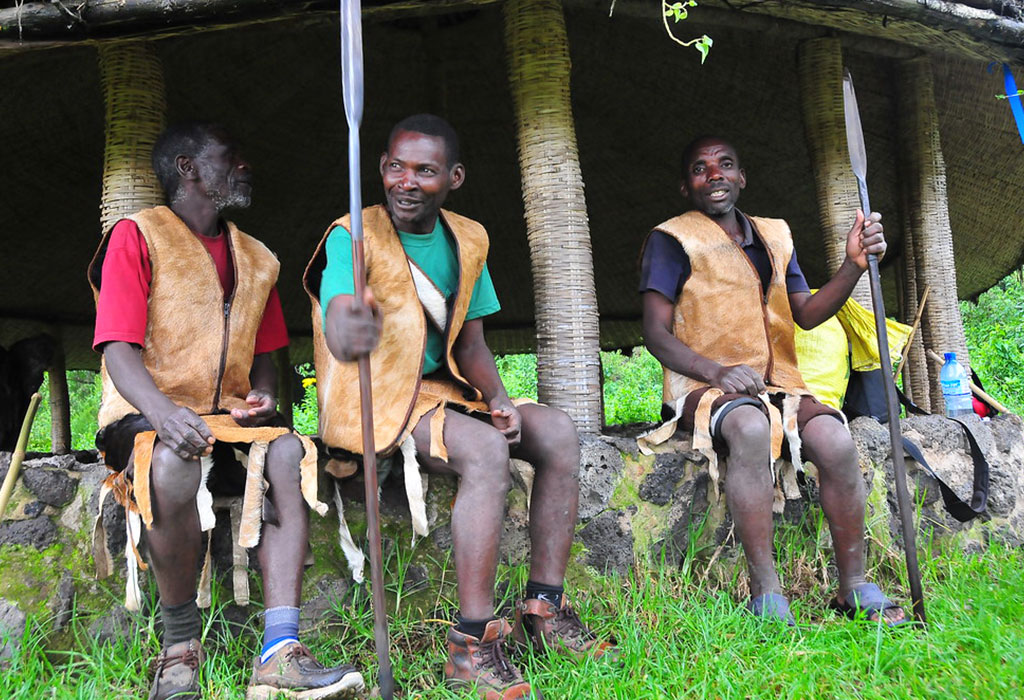
Community-based tourism around Mgahinga National Park offers a new way to think about conservation and cultural protection in southwestern Uganda. Unlike traditional tourism models, this approach focuses on real cultural exchanges between visitors and the native Batwa people while simultaneously supporting local economic growth.
Mgahinga sits at the heart of the Virunga Conservation Area. Here, visitors can experience a rich cultural heritage alongside world-class wildlife encounters. Moreover, this unique model creates lasting income sources for communities that have been pushed to the margins while helping preserve ancient traditions for future generations.
The Batwa People: Guardians of Ancient Wisdom
The Batwa people are often called the “keepers of the forest.” They represent one of Africa’s oldest native communities, having maintained a deep connection to the mountain forests of the Virunga Mountains for centuries.
These skilled hunters and gatherers once lived harmoniously within what is now Mgahinga Gorilla National Park. During that time, they developed detailed knowledge of the forest ecosystem that modern science still values today. Their traditional lifestyle was rooted in sustainable forest management practices. As a result, visitors gain unique insights into pre-colonial African societies and their sophisticated understanding of natural resources.
Furthermore, community-based tourism initiatives around Mgahinga create an important bridge between the past and the present. On one hand, they help preserve Batwa cultural heritage. On the other hand, they provide economic opportunities for community members who were displaced when the national park was created. These programs recognize the Batwa’s deep knowledge of forest ecology, medicinal plants, and traditional hunting techniques as valuable cultural wealth. This knowledge is now shared with visitors while creating sustainable income for the community.
Signature Cultural Experiences
The Batwa Cultural Trail: A Journey Through Time
The Batwa Cultural Trail stands as the foundation of community-based tourism around Mgahinga. It offers visitors a deep, immersive experience of the traditional lifestyle of Uganda’s native forest people.
Knowledgeable Batwa guides lead the trail. They possess generations of inherited wisdom passed down through their families. The trail takes visitors through dense mountain forests where, along the way, participants learn to identify medicinal plants and understand traditional hunting techniques. They also explore ancient caves that once served as shelters for Batwa families.
During these guided walks, visitors see demonstrations of traditional fire-making techniques. They learn about the detailed classification systems the Batwa developed for forest plants. Additionally, they discover how different tree species were used for everything from shelter building to food preparation. The trail eventually ends at sacred caves where Batwa elders share oral histories, creation stories, and traditional songs passed down through countless generations.
Cultural Performances and Storytelling
The rich oral tradition of the Batwa people comes alive through carefully planned cultural performances that showcase their unique artistic heritage. Traditional dances, accompanied by native musical instruments, tell stories of forest life, hunting trips, and spiritual beliefs.
These performances happen in natural outdoor spaces within the forest or at special cultural centers. They provide visitors with real insights into Batwa beliefs and social structures.
Storytelling sessions, in contrast, take place around traditional fires. They transport visitors into the mythological world of the Batwa, where forest spirits guide daily life and ancestral wisdom shapes current decisions. These close gatherings allow for meaningful cultural exchange. In fact, visitors often share stories from their own cultures, creating bonds that cross geographical and cultural boundaries.
Community Interactions and Traditional Crafts
Community-Based Tourism Around Mgahinga National Park: Direct interaction with Batwa community members gives visitors opportunities to observe and participate in traditional craft production. Skilled craftspeople demonstrate the detailed process of creating traditional baskets, pottery, and hunting tools, using techniques unchanged for centuries.
Visitors can learn basic weaving techniques. They can try traditional pottery making. They can also understand the cultural meaning of various decorative patterns and symbols.
These hands-on experiences extend beyond crafts to traditional housing building. Visitors learn about the clever building techniques the Batwa developed to construct temporary shelters from forest materials. Remarkably, the sustainability and efficiency of these traditional building methods offer valuable lessons for modern eco-friendly construction practices.
Community Tourism Infrastructure
Amajambere Iwacu Community Camp
The Amajambere Iwacu Community Camp represents a successful model of community-owned tourism facilities that directly benefit residents while providing visitors with real accommodation experiences.
This camp is strategically located near the park entrance. It offers comfortable lodging options that blend traditional design elements with modern conveniences.
Importantly, community members manage all of the camp’s operations. This ensures that tourism revenue stays within the local economy rather than flowing to outside operators. The camp’s creation has generated many employment opportunities for residents, including positions as guides, porters, cooks, and maintenance staff. More importantly, the camp’s profits directly support community development projects such as educational programs, healthcare services, and infrastructure improvements that benefit the entire region.
Mgahinga Community Campground
The Mgahinga Community Campground sits near the Ntebeko Gate, where it provides budget-friendly accommodation options for visitors. Meanwhile, it offers spectacular views of the Virunga volcanoes.
This facility serves as a hub for organizing various community tourism activities. It also provides meeting spaces where visitors can interact with community leaders, elders, and cultural experts.
The campground’s strategic location makes it an ideal starting point for gorilla trekking adventures, volcano climbing trips, and cultural trail experiences. Its community-owned and operated model ensures that tourism spending directly contributes to local development. Consequently, it provides visitors with real cultural experiences while supporting the local economy.
Adventure Tourism and Wildlife Experiences
Volcano Climbing and Mountain Hiking
Mgahinga’s three majestic volcanoes—Muhabura, Gahinga, and Sabyinyo—offer challenging hiking experiences that combine physical adventure with cultural learning.
Community guides lead visitors through diverse ecosystems. Many of these guides are Batwa with deep knowledge of these mountains accumulated over lifetimes. Along the way, they share traditional stories and ecological wisdom connected to each volcanic peak.
These guided trips serve a dual purpose. First, they provide employment opportunities for residents. Second, they ensure that traditional knowledge about mountain ecosystems is preserved and shared with future generations. The combination of cultural stories with adventure tourism creates unique experiences that set Mgahinga apart from other mountain climbing destinations in the region.
Gorilla and Golden Monkey Trekking
Community-Based Tourism Around Mgahinga National Park: Mgahinga is one of only two national parks in Uganda where visitors can encounter mountain gorillas. The park offers world-class wildlife experiences, and community involvement makes them even better.
Local guides, porters, and trackers play crucial roles in gorilla trekking operations by using traditional forest navigation skills refined over generations.
In addition, the park’s golden monkey populations offer additional wildlife viewing opportunities. Furthermore, Community guides share traditional knowledge about primate behavior and forest ecology that enriches the visitor experience. These wildlife encounters, combined with cultural activities, create complete tourism packages. As a result, they maximize economic benefits for local communities while providing unforgettable experiences for visitors.
Economic Impact and Sustainable Development
Community-Based Tourism Around Mgahinga National Park: Community-based tourism around Mgahinga has created significant economic benefits for local communities by providing alternative income sources. Consequently, this reduces dependence on potentially harmful activities like forest clearing or unsustainable farming.
Revenue from cultural trail experiences, guide services, and accommodation directly supports community development projects. These include school construction, healthcare facility improvements, and infrastructure development.
The success of these initiatives has attracted support from international development organizations. For instance, USAID and other agencies provide technical help and funding to expand community tourism programs. On the other hand, this external support has helped make tourism services more professional. Nevertheless, community ownership and cultural authenticity remain central to all initiatives.
Ultimately, the model developed around Mgahinga demonstrates how tourism can drive sustainable development, cultural preservation, and conservation success. It creates a framework that can be copied for similar initiatives throughout East Africa and beyond, offering hope for other communities seeking sustainable development paths.





