
Where to See Big Cats on a Tanzania safari: Tanzania, a land of untamed beauty, is home to some of the most awe-inspiring wildlife on the planet, and nowhere is this more apparent than on a thrilling African big cat safari adventure. As you venture into the heart of the Serengeti and Ngorongoro Conservation Areas, the thrill of the hunt is palpable, and the chance to witness the majestic lions, leopards, and cheetahs in their natural habitat is a once-in-a-lifetime experience. From the expert guides who will lead you through the wilderness, to the stunning landscapes and unforgettable encounters with the “Big Five”, every moment of this unforgettable Tanzania safari adventure is a testament to the raw power and beauty of the African wilderness.
Big Cats Spotted on Tanzania Safari
Lions:
Known as the king of the jungle, lions are a common sight on safari drives in Tanzania in the different safari destinations. Lions live in a pride; the female lions are the ones that hunt, whereas the male lions relax and wait for their share. Tanzania also has climbing lions in Manyara National Park, and the best time to spot lions in Tanzania is during the dry season from June to September. The male lions in Serengeti can easily be identified by their manes and usually prey on different wildlife species, including buffalo, hippos, gazelles, antelopes, and zebras, among others. Lions are also part of the big five, and these are animals that are hard to hunt while on foot.
Leopards:
This is one of the big ferocious cats most likely to be seen in the parks found in the northern part of Tanzania. Leopards in Tanzania are relatively easy to spot, and one of the best places to spot these big cats is in the Seronera Valley, found in Serengeti National Park. Other than when leopards are mating or females with their cubs, it is rare to spot more than one leopard in one place. Other safari destinations where you can spot leopards include Ngorongoro Crater, Tarangire National Park, and Manyara National Park. Leopards can easily adapt to their environment and any weather, and their tails help with easy balancing when they are up in the trees. The male leopards are larger than the female ones and can carry their prey up a tree.
Cheetahs:
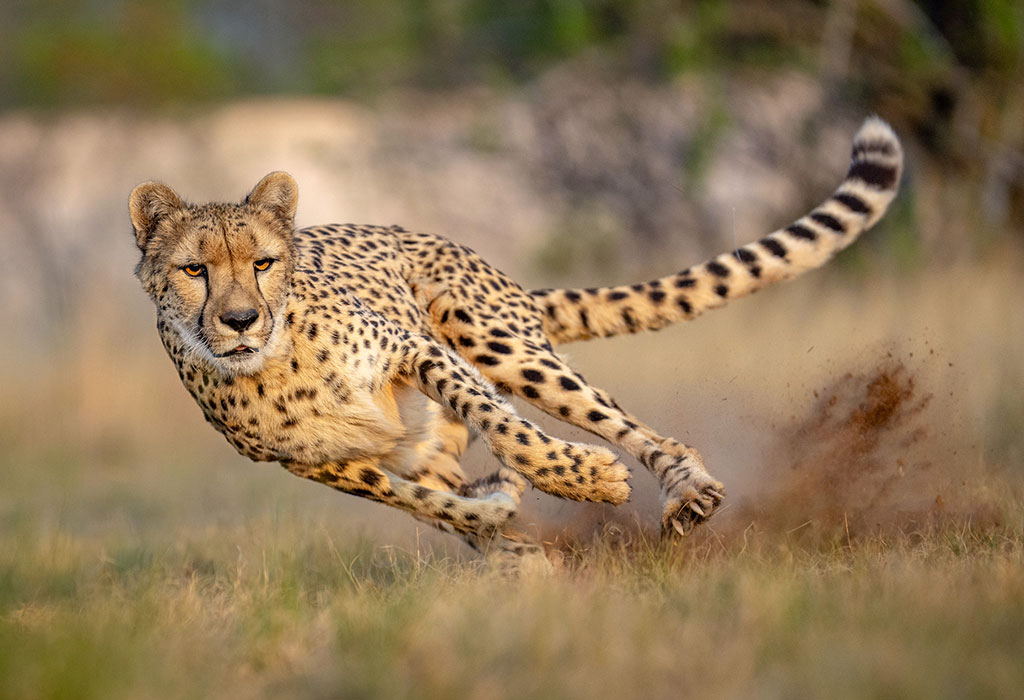
The largest and oldest cheetah subspecies is found in Tanzania. The easiest way to identify a cheetah is by the black tear that runs from each side of the eye to the lower lip, and this separates them from other cheetah species. Cheetahs have black spots, the tip of their tail is either black or white, and the females separate from their cubs after a year to fend for themselves. A significant difference between male and female cheetahs is that the male ones have larger heads than the female ones.
Why witnessing the roar of big cats in Tanzania should be on your bucket list
The roar of Africa’s big cats is more than just a sound – it’s an encounter that awakens the soul. As the sun dips into the savannah, casting a golden glow over the grasslands, the air is electric with anticipation. The rustling of leaves, the snapping of twigs, and the soft padding of paws on the earth all build up to the moment when the majestic roar of the lion, leopard, or cheetah fills the air. It’s a symphony of power, a declaration of dominance, and a reminder of the awe-inspiring beauty of these majestic creatures.
Where to see an African big cat safari in Tanzania
Tanzania is a renowned destination for wildlife lovers, offering some of the best opportunities to see African big cats in their natural habitat. With its diverse range of national parks and conservation areas, Tanzania provides an ideal setting for a thrilling big cat safari experience. Here are some of the top locations in Tanzania where you can witness these majestic creatures in action.
Serengeti National Park
Serengeti National Park is synonymous with the African big cat safari experience. This iconic park is home to a thriving population of lions, leopards, and cheetahs, making it one of the best places in Tanzania to see these magnificent predators. The vast plains of the Serengeti provide the perfect backdrop for observing big cats in their natural environment, whether they are lounging in the shade or actively hunting their prey. The park’s abundance of wildlife ensures that visitors have a high chance of encountering these elusive creatures during their safari excursions.
Ngorongoro Conservation Area
The Ngorongoro Conservation Area is another prime location for spotting African big cats in Tanzania. The Ngorongoro Crater, a UNESCO World Heritage Site within the conservation area, is home to a dense population of predators, including lions and leopards. The crater’s unique ecosystem supports a wide variety of wildlife, creating an ideal environment for observing big cats as they go about their daily routines. Visitors to the Ngorongoro Conservation Area can enjoy the opportunity to witness these magnificent creatures against the backdrop of the stunning crater landscape.
Tarangire National Park
Tarangire National Park is renowned for its large population of lions, offering visitors an excellent chance to see these powerful predators in action. The park’s diverse habitats, including grasslands, swamps, and woodlands, provide an ideal setting for observing lions as they roam and hunt throughout the park. In addition to lions, Tarangire is also home to leopards and cheetahs, further enhancing the big cat safari experience for visitors.
Ruaha National Park
Ruaha National Park is one of Tanzania’s best-kept secrets when it comes to big cat safaris. This remote and unspoiled wilderness is home to a significant population of lions, leopards, and cheetahs, offering visitors a unique opportunity to observe these elusive creatures away from the crowds. The park’s rugged terrain and diverse landscapes provide an exciting backdrop for encountering big cats in their natural habitat, making it a must-visit destination for wildlife lovers.
Selous Game Reserve
The Selous Game Reserve is the largest protected wildlife area in Africa and offers a captivating big cat safari experience. With its vast expanse of untamed wilderness, the reserve is home to a thriving population of lions, leopards, and cheetahs. Visitors to Selous can encounter thrilling game drives and boat safaris to explore the reserve’s diverse ecosystems and encounter big cats in their natural environment.
When is the best time to go
The best time to go for an African big cat safari in Tanzania is during the dry season, which typically runs from late June to October. During this time, the vegetation is less dense, making it easier to spot the big cats such as lions, leopards, and cheetahs. Additionally, the dry season also coincides with the Great Wildebeest Migration in the Serengeti, providing excellent opportunities to witness predator-prey interactions.
Why book with Anthill Safaris
Booking an African big cat safari in Tanzania with Anthill Safaris offers a unique and unforgettable experience. Our knowledgeable guides and expert trackers will take you on a thrilling adventure to witness the majestic lions, leopards, and cheetahs in their natural habitat. With our carefully planned itineraries and luxurious accommodations, you can immerse yourself in the beauty of the African wilderness while knowing that you are in safe and experienced hands. Choose Anthill Safaris for an exceptional safari experience that will create lasting memories.





