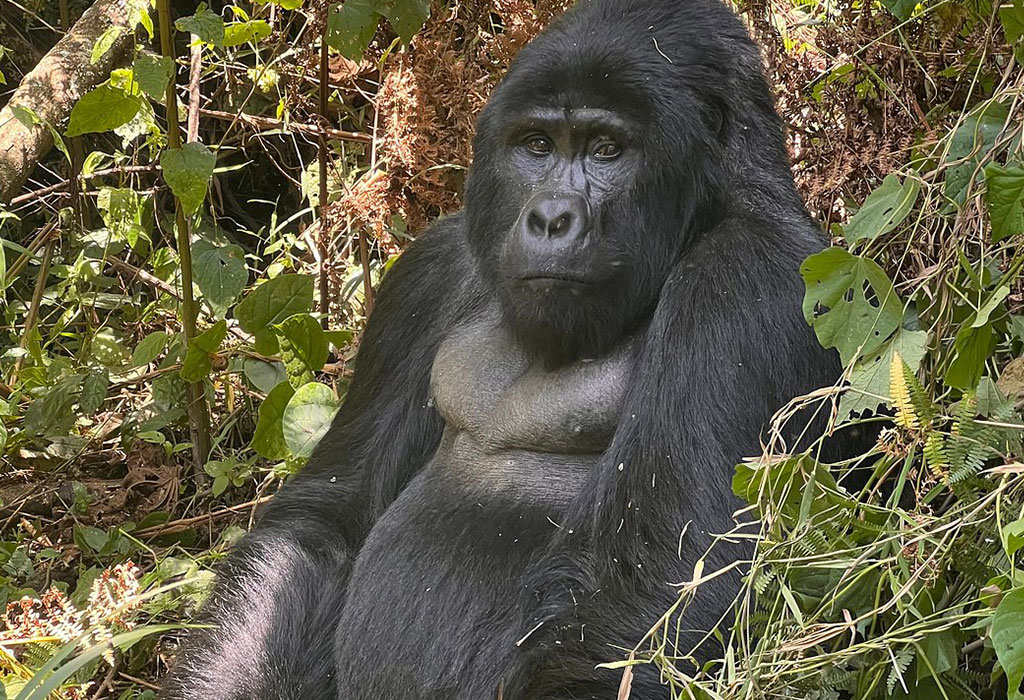
Is Gorilla Habituation in Uganda Safe? Gorilla habituation in Bwindi Impenetrable National Park is safe. The Uganda Wildlife Authority and experienced guides have put strong measures in place to protect both visitors and the endangered mountain gorillas. Before any trek begins, all visitors attend a briefing that covers safety rules and gorilla behavior. Guides then lead groups through the forest, maintaining a safe distance of seven to ten meters from the gorillas at all times. Park staff check visitors for signs of illness before entry and provide protective gear to reduce the risk of disease transmission. Armed rangers accompany every trek, and emergency response plans are ready for use even in the most remote parts of the park.
Despite these precautions, some risks remain. Gorillas are wild animals and can behave unpredictably. Disease transmission is also a concern, as illnesses like Ebola and respiratory infections can seriously harm gorilla populations. To manage these risks, the Uganda Wildlife Authority limits the number of visitors, controls viewing times, and requires certain vaccinations. Local communities and tour operators also play an active role in keeping safety measures practical and effective. Overall, the gorilla habituation experience in Bwindi is well-managed. It offers visitors a safe and responsible way to get close to these incredible animals, leaving them with memories that last a lifetime.
About Bwindi Impenetrable Forest National Park
Bwindi Impenetrable Forest National Park sits in southwestern Uganda and is a UNESCO World Heritage Site. It spans about 331 square kilometers of rugged hills, steep valleys, and mist-covered mountains within the Albertine Rift. The ancient rainforest is estimated to be over 25,000 years old and is filled with dense vegetation, tangled vines, towering hardwood trees, ferns, and bamboo.
The park shelters approximately 468 endangered mountain gorillas, divided into habituated groups for trekking and research. Beyond gorillas, Bwindi is home to over 120 mammal species, more than 350 bird species, around 300 butterfly species, and about 200 tree species. The Batwa pygmies have lived alongside this forest for centuries. Together, these qualities make Bwindi one of the most biologically rich ecosystems in all of Africa.
Gorilla Habituation vs. Gorilla Trekking
Gorilla trekking involves hiking through the forest to find and observe a habituated gorilla group. Visitors spend one hour with the gorillas and focus on watching them in their natural environment. Up to eight visitors can join a single trekking group, and the permit costs USD 800 per person.
Gorilla habituation goes much deeper. Visitors take part in the actual process of helping wild gorillas grow comfortable around people. They spend up to four hours with the gorillas, watching their daily activities, social interactions, and feeding patterns. Only four visitors per day are allowed, making the experience far more personal and exclusive. The habituation permit costs USD 1,500 per person for foreign non-residents, USD 1,000 for foreign residents, and UGX 750,000 for East African citizens. Both experiences are extraordinary, but habituation offers a more immersive window into gorilla life and conservation.
The Gorilla Habituation Experience
The gorilla habituation experience begins with a briefing at the park headquarters. Rangers explain the rules, safety guidelines, and what to expect during the trek. A small group of four visitors then sets off into the forest with experienced researchers and guides.
The trek moves through dense forest, navigating steep slopes and uneven ground. Once the team locates the gorilla group, visitors spend four hours in their presence. During this time, they watch the gorillas forage, feed, play, rest, and interact with each other. This level of access is unique to the habituation experience and gives visitors a genuine understanding of gorilla behavior and social life. The full habituation process takes two to three years to complete, and visitors contribute directly to this important conservation work simply by being there.
Rules of Gorilla Habituation
Visitors must follow a strict set of rules during gorilla habituation. Everyone must wear a clean face mask when near the gorillas. Groups must stay together and never surround the gorillas. A minimum distance of eight meters must be maintained at all times. Flash photography is not allowed, as it startles the animals. Visitors must not smoke or eat within 200 meters of the gorillas. You must bury human waste in a hole at least 30 centimeters deep. Do not spit near vegetation, as it can contaminate the gorillas’ food sources. Only visitors aged 15 and above may participate.
What to Pack
Is Gorilla Habituation in Uganda Safe? Packing the right gear makes a significant difference during gorilla habituation. Visitors should bring sturdy waterproof hiking boots, a waterproof jacket or poncho, and breathable moisture-wicking clothing in neutral colors such as khaki or green. Layers are useful for the shifting temperatures, which range between 15 and 20 degrees Celsius. Gardening gloves protect hands from thorns, and a hat shields against the sun.
Other essentials include a waterproof backpack, insect repellent, sunscreen, sunglasses, a first-aid kit, binoculars, and a camera with a telephoto lens. Visitors should also carry snacks, a water bottle, a portable power bank, and personal documents, including travel insurance. Cash for tips and souvenirs is also helpful.
Best Time to Visit
Is Gorilla Habituation in Uganda Safe? The dry seasons offer the best conditions for gorilla habituation. These run from June to October and from December to February. During these months, trails are easier to navigate, skies are clearer, and gorillas tend to move to lower elevations where they are easier to find. Temperatures are cooler and humidity is lower, making the trek more comfortable.
Where to Stay
Several accommodation options sit close to the Rushaga sector, which is the only area where habituation takes place. Options across all budgets include Clouds Mountain Gorilla Lodge, Mahogany Springs Lodge, Gorilla Forest Camp, Bwindi Lodge, Ichumbi Gorilla Lodge, Nkuringo Bwindi Gorilla Lodge, Buhoma Community Rest Camp, and Ruhija Community Rest Camp. We strongly recommend booking well in advance, especially during peak season.