
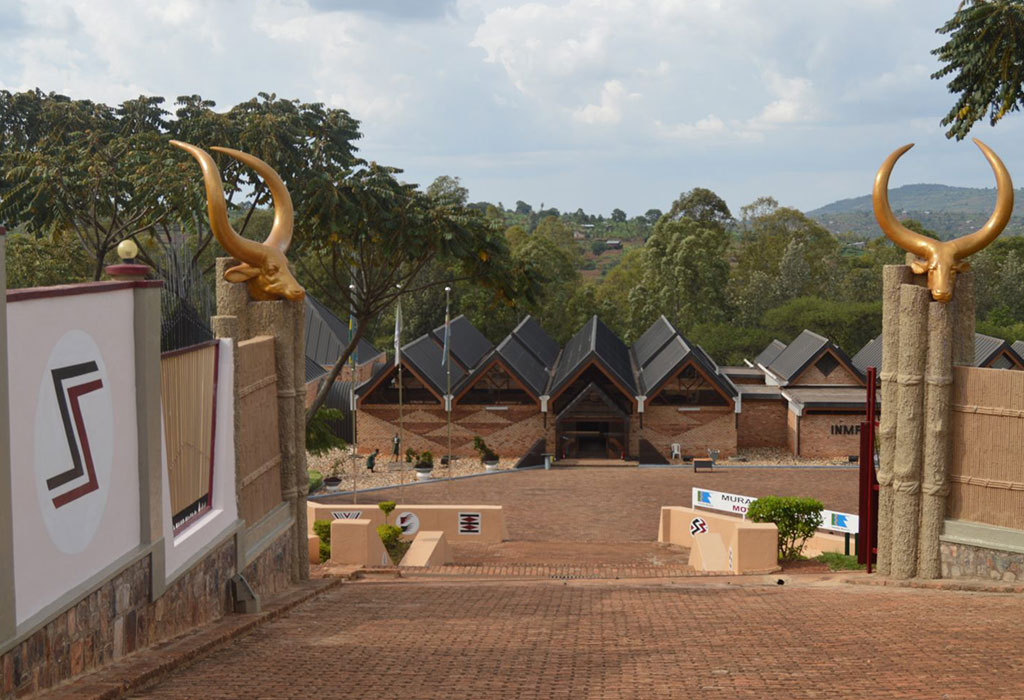
Ethnographic Museum in Rwanda: Rwanda holds a treasure chest of cultural landmarks, and the Ethnographic Museum in Butare stands among the finest. Originally called the National Museum of Rwanda, the Belgian government helped construct this remarkable institution. It opened its doors in 1989 in Rwanda’s southern region. Since then, it has preserved Rwanda’s rich cultural history, including the era of the monarchy. If you love history, culture, and art, this museum belongs on your travel list.
What to Explore Inside the Museum
The museum contains at least five exhibition halls, and each one tells a different story. As you walk through the first hall, you discover a gift shop filled with beautiful handmade craft items. You can admire them or buy them as souvenirs to take home.
Moving into the next hall, you encounter a wide collection of traditional tools. Farmers, carpenters, hunters, leather workers, and potters all used these instruments in their daily lives. They reveal how resourceful and skilled early Rwandans truly were.
Another hall displays fascinating geological items. Here, you find detailed maps showing Rwanda’s physical features alongside other natural exhibits. Furthermore, the museum showcases traditional Rwandan clothing and architecture. These exhibits shine a light on how people lived, including their pastoral way of life.
In addition, visitors can explore Rwandan folktales, food, poetry, and cosmology. These cultural elements shaped Rwandese civilization deeply. After visiting the museum, you can also stop by the nearby King’s Palace in Nyanza for an equally enriching cultural experience.
Functions of the Ethnographic Museum
The museum serves several important purposes. First and foremost, it collects, protects, and organizes ancient artifacts that tell Rwanda’s story. Staff members carefully gather items such as spears, bones, skulls, and horns, then arrange them for public viewing.
Beyond preservation, the museum actively welcomes students from schools across the country. Learners studying history, geography, and art regularly visit to conduct research. Museum staff guide them through the exhibits and answer their questions patiently.
Moreover, the museum brings culture to life through performances. Staff members tell traditional stories, perform cultural dances, and stage live exhibitions for visitors. These activities entertain guests and keep them coming back during their Rwanda safaris. The museum functions as both an educational center and a celebration of Rwandan heritage.
History of the Ethnographic Museum
The history of ethnographic museums stretches back centuries. Global expansion in Europe during the 16th and 17th centuries fueled the early growth of these institutions. European explorers traveled far and wide, bringing back flora, fauna, fossils, minerals, and cultural artifacts from newly discovered territories.
Private collectors began filling their cabinets of curiosities, known as wunderkammern, with representative items from distant lands. These collections reflected the collectors’ worldview and their fascination with unfamiliar cultures. Over time, scholars and institutions began organizing these collections more formally.
Today, ethnographic museums fall into two broad categories, both connected to Intangible Cultural Heritage. Many now operate as dialogic museums, meaning they engage actively with the communities whose cultures they represent. Rather than simply displaying items, these museums build partnerships and promote collaboration. They create spaces where communities and institutions work together to share and honor cultural identity.
The Best Time to Visit
You can visit the Ethnographic Museum in Butare throughout most of the year. However, the museum closes on April 7th each year to observe Genocide Memorial Day. This solemn occasion honors the lives lost during the 1994 genocide, and the closure reflects Rwanda’s deep respect for its history.
Additionally, the museum closes from 8 to 11 am on the last Saturday of each month for Umuganda, a national community service day. Outside these closures, the museum opens daily from 8 am to 6 pm. This gives you a generous window of time to explore everything the museum offers.
Getting There from Kigali
The Ethnographic Museum sits approximately 124 kilometers from Kigali. Traveling by road takes about three hours, depending on your mode of transport. You can choose either public or private transport based on your budget and preference.
For a smooth and reliable journey, Anthill Safaris offers trusted transport services. They provide a range of vehicles, including 4-wheel drive safari vehicles, minivans for group travel, and saloon cars. Their experienced drivers ensure you arrive safely and comfortably.
Other Must-See Destinations in Rwanda
Rwanda offers much more beyond the Ethnographic Museum. As you plan your trip, consider adding these exciting destinations to your itinerary.
Volcanoes National Park, located in the northwest, stands out as one of Africa’s premier wildlife destinations. It is home to over ten habituated mountain gorilla families, making it ideal for gorilla trekking. You can also track golden monkeys, go birdwatching for Albertine Rift endemics, hike volcanoes like Karisimbi and Bisoke, and interact with the Batwa Pygmy community.
Nyungwe Forest National Park in the southwest offers lush tropical rainforest scenery. It shelters over 13 primate species, with chimpanzees being the most popular. Birdwatchers enjoy over 200 recorded species here. Activities include chimpanzee tracking, canopy walking, and guided forest hikes.
Akagera National Park in the east provides classic savannah safari experiences. You can spot Africa’s Big Five, including lions, elephants, rhinos, leopards, and buffalo. A boat ride on Lake Ihema adds another layer of adventure, while birdwatchers can look for shoebills among 480 recorded species.
Finally, Lake Kivu in the west offers relaxation, island tours, fishing, and swimming. Meanwhile, a Kigali city tour introduces you to the Kigali Genocide Memorial and vibrant local markets.
What to Pack
Prepare wisely before your trip. Bring bug repellent, a warm sweater, light clothes, and comfortable walking shoes. Also carry a camera or smartphone, your travel documents, and snacks with a refillable water bottle.
Rwanda awaits. Start planning your adventure today.





