
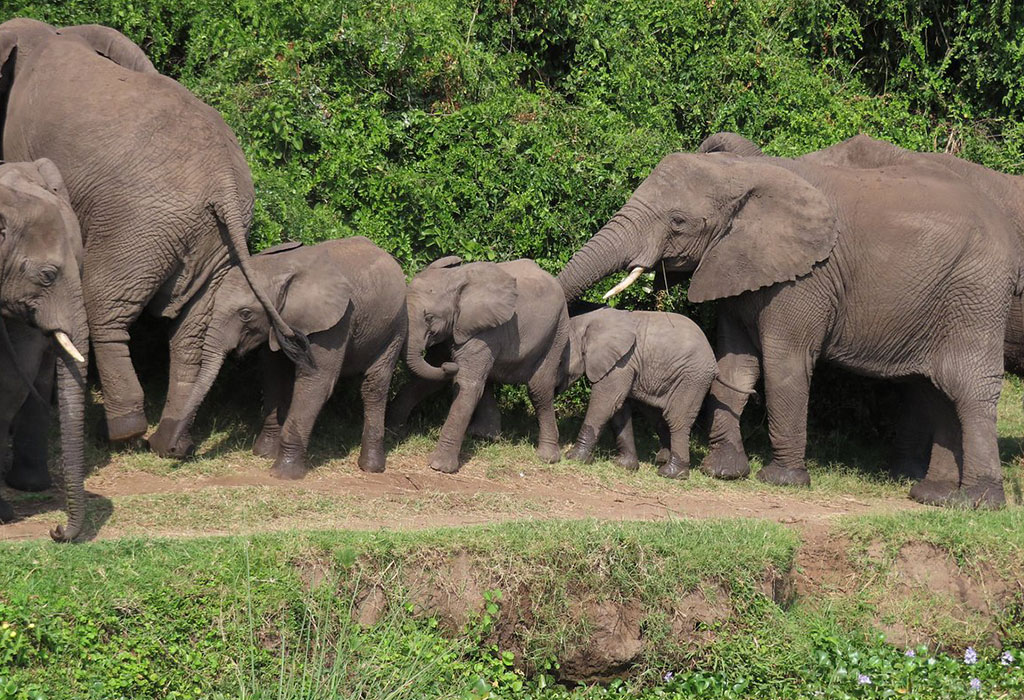
The Best Time to Visit Queen Elizabeth National Park: Queen Elizabeth National Park ranks among Uganda’s finest wildlife destinations, and knowing when to visit makes a huge difference in your experience. The park sits near the equator, so temperatures during the day reach around 28°C and drop to about 15°C at night. Like most equatorial destinations, the park experiences two dry seasons and two rainy seasons each year. Understanding these patterns helps you plan the perfect safari.
Dry Season: The Best Time to Visit
The dry season runs through January, February, June, July, August, September, and December. These months offer the most favorable conditions for a wildlife safari. Vegetation grows shorter and thinner, which makes it much easier to spot animals from a distance. Roads stay firm and passable, so game drives run smoothly without the disruption of mud. Lions, elephants, buffalo, and other grazing animals become easier to see out in the open.
Primate lovers especially favor the dry season. It offers the best conditions for chimpanzee trekking in Kyambura Gorge and for spotting baboons along the forest edges. The overall experience feels more rewarding and less physically demanding during this period.
However, the dry season does come with a few drawbacks. The park attracts more visitors, which means some areas feel busier than usual. Lodge prices rise during peak months, and popular accommodations fill up quickly. Booking well in advance is strongly recommended if you plan to travel during this time.
Wet Season: A Hidden Gem for Some Travelers
The wet season covers March through May and October through November. Drizzles are common during the day, and afternoon thunderstorms roll through regularly. Chimpanzee trekking becomes more challenging during this period because the trails grow slippery, and thick vegetation makes movement harder.
Even so, the wet season has real advantages. Animals spread more widely across the park, which makes game drives unpredictable in an exciting way. Bird watching becomes especially rewarding because migratory birds from North Africa and Europe arrive during this time, swelling the park’s already impressive bird count. Fewer visitors also mean a quieter, more personal experience with the wildlife. Many lodges offer significant discounts, making it a great option for budget-conscious travelers.
What to Pack for Queen Elizabeth National Park
Packing the right items ensures you stay comfortable and prepared throughout your safari.
Travel documents and cash
Come first. Carry a valid passport with at least six months remaining, a stamped visa, travel insurance, vaccination records, and emergency contact information. Keep your tour operator’s contacts handy at all times.
Clothing
They should be practical rather than fashionable. Safari days involve long game drives, boat cruises, and nature walks, so prioritize comfort. Mornings and evenings feel cold, so pack layers you can remove as the afternoon warms up. Long-sleeved shirts and trousers protect you from insects and the sun. Ladies should note that many rural Ugandan communities observe conservative dress customs, so avoid clothing that reveals shoulders or thighs when visiting local areas.
Footwear
Does not need to be heavy or bulky. Queen Elizabeth’s terrain is relatively flat, so light, breathable, waterproof sneakers or runners work perfectly. Pack quick-dry socks, sandals, and a pair of casual shoes for evenings at the lodge.
Electronics
Worth carrying include a smartphone, a camera with a good zoom lens, extra batteries, SD cards, binoculars, a flashlight, and a portable charger. Power outages happen in some lodges, so a backup power bank proves very useful. Protect all electronics in waterproof zip-lock bags to guard against dust and rain.
Insect repellent
It is essential. Mosquitoes and tsetse flies are active throughout the park. Apply repellent to your skin and clothing regularly, and sleep under an insecticide-treated net to stay protected from malaria.
Personal hygiene items
Should include hand sanitizer, wipes, toilet paper, a toothbrush, toothpaste, deodorant, shampoo, and any feminine hygiene supplies. Some budget lodges have limited facilities, so being self-sufficient keeps you comfortable.
A basic first aid kit
Should contain bandages, antiseptics, tweezers, aspirin, cold medicine, anti-diarrhea tablets, throat lozenges, sunscreen, and antihistamine. Visit your doctor before the trip for a health check and any recommended vaccinations.
Activities in Queen Elizabeth National Park
The Best Time to Visit Queen Elizabeth: The park offers a rich selection of activities that fill every day with excitement.
Game drives take place in the early morning, evening, or at night inside a comfortable safari vehicle. During these drives, you encounter lions, elephants, buffalo, hippos, warthogs, waterbucks, Uganda kobs, and many more animals roaming freely across the savannah.
Boat cruises on the Kazinga Channel run at 9:00 AM and 2:00 PM. The channel connects Lake Edward and Lake George, and the cruise gives you close-up views of hippos, Nile crocodiles, and a wide range of water birds, including cormorants, kingfishers, and hornbills.
Bird watching draws enthusiasts from around the world because the park hosts over 600 bird species. Key birding spots include Maramagambo Forest, Kasenyi Plains, the Mweya Peninsula, and Katunguru Bridge. Notable species include Pel’s Fishing Owl, African Finfoot, Great White Pelican, and the Broad-billed Roller.
Chimpanzee trekking in Kyambura Gorge starts early in the morning with a rules briefing before guides lead groups into the tropical rainforest to search for chimp communities.
Nature walks let you explore the park on foot alongside an experienced guide and an armed ranger. These walks bring you face to face with butterflies, birds, and other wildlife at close range.
Cultural tours connect you with neighboring communities where local people share their traditions, food, and way of life.
Park Rules to Remember
The Best Time to Visit Queen Elizabeth: Never feed wild animals. Keep limbs inside the vehicle at all times. Stay on designated tracks and observe speed limits. Avoid making loud noises or playing music. Do not touch or provoke animals. Dress in muted tones like khaki or tan. Leave nothing behind and take nothing out of the park.
Queen Elizabeth National Park rewards every visitor who comes prepared. Plan well, pack smart, and get ready for an unforgettable Ugandan safari experience.





