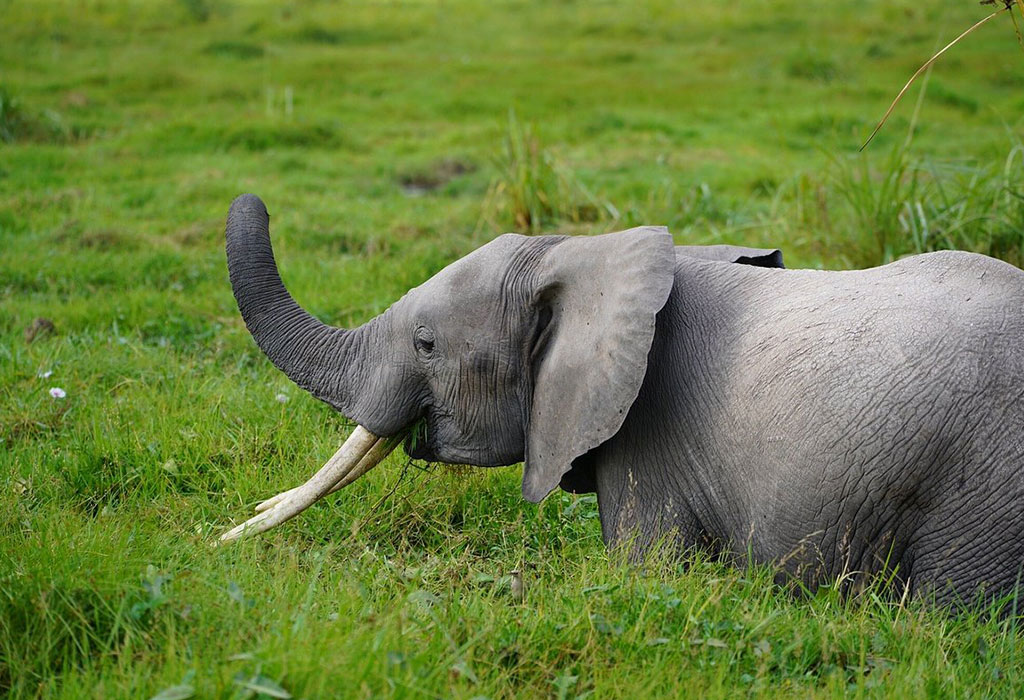
Is Uganda Good for a Wildlife Safari? Uganda does not always appear at the top of safari lists, but it deserves far more attention than it gets. While it may not match Kenya or Tanzania in sheer numbers of savannah wildlife, Uganda more than compensates with variety, intimacy, and a depth of experience that few other destinations can offer. In a single trip, you can combine classic game drives with gorilla trekking, chimpanzee tracking, boat safaris, mountain climbing, and world-class birdwatching. No other country in East Africa puts all of that on the table at once.
Uganda sits between two rift valleys — the East African Rift and the Albertine Rift — and the equator cuts right through its middle. This geography creates a remarkable range of ecosystems, from open savannah plains and crater lakes to dense rainforests and high mountain peaks. That diversity drives the quality and variety of the safari experience here.
Another major advantage is that Uganda’s parks remain largely off the radar of mass tourism. Visitors enjoy smaller crowds, more personal encounters with wildlife, and a genuine sense of being somewhere untouched. If that appeals to you, Uganda is worth every bit of the journey.
Classic Game Drive Safaris in Uganda
Four national parks stand out for classic game drive experiences: Queen Elizabeth, Murchison Falls, Kidepo Valley, and Lake Mburo. Each one offers something different, and together they give Uganda a strong game viewing resume.
Queen Elizabeth National Park
Is the most reliable destination in Uganda for seeing lions. The park actively protects over 250 lions, with most of them roaming the grassy Kasenyi Plains and the Ishasha sector in the south. Beyond lions, the park supports elephants, buffalo, leopards, and hyenas. Birdwatchers will find over 600 recorded species here, making it one of the best birding parks on the continent.
Queen Elizabeth also holds a distinction that no other park in the world can claim. The Ishasha sector is home to the largest known population of tree-climbing lions. On an afternoon game drive through Ishasha, you can spot these lions stretched out and resting in the enormous fig trees above you. It is a sight that stops you cold.
A typical safari itinerary through Queen Elizabeth often links north toward Kibale Forest for chimpanzee trekking or south toward Bwindi Impenetrable National Park for gorilla trekking. The park works naturally as a central hub for a longer Uganda circuit.
Murchison Falls National Park
It is Uganda’s largest park and another excellent destination for lions and big game. Early morning and evening game drives offer the best chances of seeing lions on the open plains. The park also hosts elephants, Rothschild giraffes, buffalo, hippos, and crocodiles in strong numbers.
The Paraa boat safari along the Victoria Nile is one of Uganda’s most celebrated wildlife experiences. You travel upstream toward the falls, watching animals come to drink from the riverbank. Hippos surface just meters from the boat, and crocodiles line the shores. Birdlife along the river is outstanding throughout. The best game viewing drives take place north of the Nile in the Buligi plains, where you can see four of the Big Five in a single morning.
Kidepo Valley National Park
One of Uganda’s hidden gems. It sits in the far northeastern corner of the country and rewards travelers willing to make the journey. The park holds a growing lion population of over 130 individuals and offers sightings of cheetahs, hunting dogs, black-backed jackals, and bat-eared foxes — species you simply will not find in Uganda’s other parks. Huge herds of elephants and giraffes move across the open valleys, and zebras add to the Serengeti-like atmosphere.
A newly paved road has made Kidepo more accessible than ever before. The park also offers a unique cultural encounter with the Ik people, a small community of subsistence farmers living in the Morungole Mountains. A hike to their village adds genuine human depth to your safari. Kidepo is best suited for travelers who plan to stay for several days in one location, as combining it with other parks takes careful planning due to its remote location.
Lake Mburo National Park
This is smaller and less dramatic than the others, but it fills a useful role in an Uganda itinerary. It is the only park in Uganda where you can view wildlife on foot, by bike, or on horseback. It holds the only healthy impala population in the country and is one of the two places in Uganda to see Burchell’s zebra. Lake Mburo works best as a relaxed stop between Kampala and either Queen Elizabeth or Bwindi, breaking up long drives with a gentle walking safari and sometimes by the lake.
Primates: Uganda’s Greatest Safari Asset
When it comes to wildlife safaris in Uganda, primates are the main attraction and the reason many travelers choose this country above all others. Bwindi Impenetrable National Park and Mgahinga Gorilla National Park in the southwest both offer mountain gorilla trekking. Uganda holds permits for over 20 habituated gorilla families, giving you a strong chance of a meaningful encounter. Kibale Forest National Park in the west holds the highest concentration of chimpanzees on earth and adds golden monkeys, red-tailed monkeys, and L’Hoest’s monkeys to the mix.
For an eco-conscious safari, plan for at least one week and combine primate trekking with a game drive safari and a boat trip. A two-week itinerary opens the door to birding excursions, a visit to the source of the Nile, and rainforest hikes. More adventurous travelers can add a summit climb on the Rwenzori Mountains or the Virunga Volcanoes to round out an extraordinary trip.
Best Time to Visit
The dry seasons from June to September and December to February offer the best conditions for game drives and primate trekking. Grass is shorter, tracks are drier, and wildlife is easier to spot. These months are also peak season, so accommodation and permits fill up fast. Book at least three to six months in advance to secure your preferred options.
The wet season from March to May and again in November brings fewer visitors and the possibility of discounted rates. The parks are quieter, and the green landscapes are genuinely beautiful. However, muddy tracks can slow things down, and some areas become harder to access.
Is Uganda Safe for Safari?
Is Uganda Good for a Wildlife Safari? Yes, Uganda is safe for safari. The Uganda Wildlife Authority manages all national parks with trained ranger guides who protect both the wildlife and visitors. Always follow the rules during briefings, stay inside your safari vehicle during game drives, and avoid making noise in the wilderness. However, these simple habits keep everyone safe and ensure the wildlife remains undisturbed.
Final Thoughts
Is Uganda Good for a Wildlife Safari? Uganda is one of Africa’s most underrated safari destinations. If big cats in vast numbers are your primary goal, Kenya and Tanzania will serve you better. But if you want variety, intimacy, and an experience that covers rainforest, savannah, and mountain all in one trip, Uganda stands alone. Besides, few places on earth let you share a morning with mountain gorillas and spend the afternoon watching tree-climbing lions. Uganda does.