
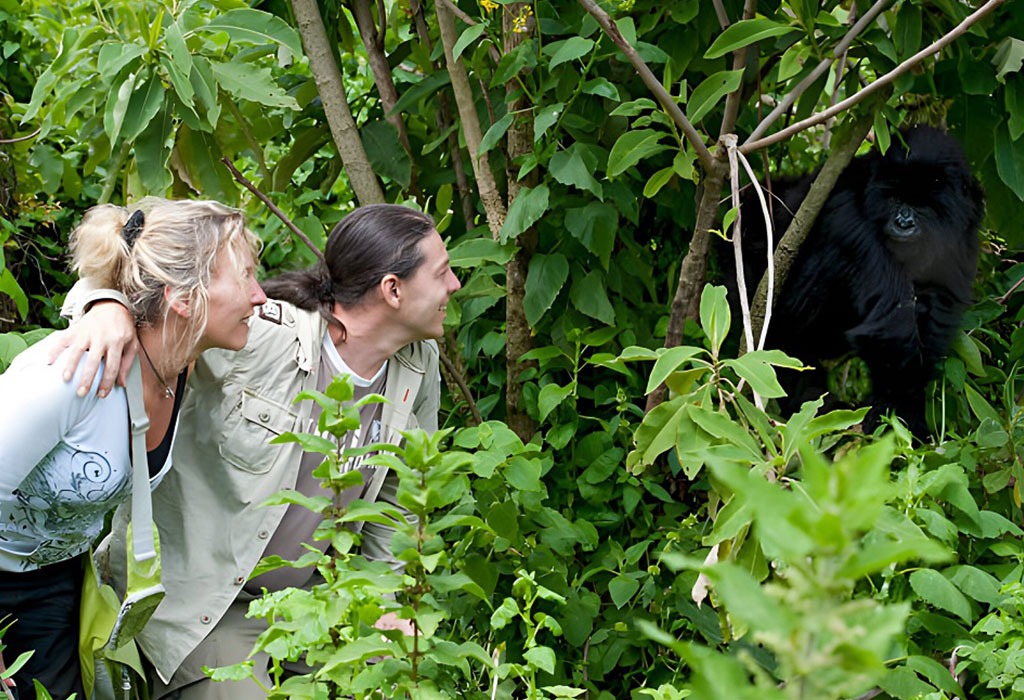
When Is the Best Time to Visit Rwanda? Rwanda, the breathtaking “Land of a Thousand Hills,” offers travelers an extraordinary mix of wildlife, culture, and natural beauty. Planning the right time to visit makes a significant difference in your overall experience. Whether you dream of trekking through misty forests to find mountain gorillas or exploring vibrant national parks, understanding Rwanda’s seasons helps you get the most from your trip.
Understanding Rwanda’s Climate
Rwanda sits at a high altitude, so it enjoys a mild, temperate climate throughout the year. However, the country has two distinct dry seasons and two wet seasons, and each affects your travel experience differently.
The dry seasons run from June to September and December to February. During these months, skies stay clear, temperatures remain comfortable, and trails are firm and easy to walk. Most travelers choose the dry season because outdoor activities become far more enjoyable. Wildlife gathers around water sources, making animals easier to spot. Gorilla trekking trails are less slippery, reducing fatigue and the risk of injuries on steep slopes.
The wet seasons fall between March and May and October and November. Heavy rain falls during these periods, turning some trails into muddy paths and occasionally closing certain roads. However, the wet season also transforms Rwanda into a lush, green paradise. Fewer tourists visit at this time, so you enjoy a quieter, more personal experience. Accommodation prices also drop, making it a budget-friendly option for flexible travelers.
The Best Time for Gorilla Trekking
Gorilla trekking stands as Rwanda’s most celebrated activity, and the dry season offers the best conditions for it. From June to September and December to February, trails inside Volcanoes National Park are drier and easier to navigate. You spend less energy fighting through mud, so you arrive at the gorilla families feeling more energized and ready to enjoy the moment.
Volcanoes National Park is the only place in Rwanda where you can trek mountain gorillas. Currently, 15 gorilla families are open for trekking, including Kwitonda, Hirwa, Susa, Umubano, and Agashya, among others. Each day, a maximum of eight visitors may spend time with any single gorilla family. This limit protects the gorillas while giving each visitor an intimate, unhurried encounter.
Because gorilla permits are in high demand during peak season, you should book them at least six months to a year in advance. Securing your permit early prevents last-minute disappointments. You can apply online or work with a trusted tour operator like Anthill Safaris, which helps with permits, accommodation, vehicle hire, and guided support throughout your trip.
Bird Watching in Rwanda
Rwanda rewards bird lovers throughout the year, but certain months offer particularly rich experiences. January to June is excellent for birding in Nyungwe National Park, where most of Rwanda’s unique bird species live. Birds are highly active and vocal during this period, giving watchers plenty of sightings and sounds to enjoy.
However, April brings heavy rainfall, which can make trails challenging. If you prefer easier hiking conditions alongside great birding, June to September works perfectly. The trails dry out, and you can combine birding with gorilla trekking, making your trip even more rewarding.
What to Do on a Rwanda Safari
Beyond gorilla trekking, Rwanda offers a wide range of exciting activities.
Chimpanzee trekking
Takes place in Nyungwe National Park. Chimpanzees share approximately 98% of human DNA, making encounters with them deeply fascinating. You need a trekking permit from the Rwanda Development Board to join either a morning or afternoon session.
Golden monkey trekking
Also takes place in Volcanoes National Park. These rare and lively monkeys share the forest with other primates, including blue monkeys, black and white colobus, and vervet monkeys. A separate golden monkey permit is required for this experience.
The canopy walk
The Nyungwe National Park stretches 160 meters across a suspension bridge, sitting 70 meters above the forest canopy. It offers stunning, sweeping views of the forest below and is a genuinely thrilling experience for adventurous travelers.
Game drives in Akagera National Park
Bring you face-to-face with herds of elephants, cape buffaloes, giraffes, zebras, and waterbucks. A boat ride on Lake Ihema adds another layer to your visit, as you glide past hippos, crocodiles, and water birds in a peaceful setting.
The Dian Fossey grave hike
Is a moving tribute to the conservationist who dedicated her life to protecting mountain gorillas before she died in 1985. Walking this trail connects you to the history of gorilla conservation and supports ongoing research at the Karisoke Research Center.
Rwanda’s cultural experiences
Are equally enriching. Traditional Intore dances, performed to the rhythm of long drums and harps, fill visitors with energy and joy. Craft villages offer handmade paintings, wood carvings, and the famous Imigongo cow dung art. The Rwanda National Museum in Butare displays the country’s rich cultural history in fascinating detail.
In July, the Kwita Izina gorilla naming ceremony draws visitors from around the world. During this event, newly born mountain gorillas receive names, celebrating conservation milestones for Rwanda and the global wildlife community.
Safety and Health Tips
When is the Best Time to Visit Rwanda? Rwanda is safe for safari visitors, provided you follow local rules and park guidelines. Trained ranger guides accompany all trekking groups, ensuring your safety throughout the experience. Before entering the forest, you attend a briefing covering the key rules, such as maintaining an eight-meter distance from primates, avoiding flash photography, and staying in a tight group.
If you have a contagious illness like a cold, flu, or COVID-19, stay behind on trekking day. Mountain gorillas, chimpanzees, and golden monkeys are highly vulnerable to human diseases. Protecting them is not just a rule — it is a responsibility every visitor carries.
Before traveling, consult a doctor about recommended vaccinations and malaria prevention.
Final Thoughts
When is the Best Time to Visit Rwanda? The dry season from June to September is the single best time to visit Rwanda for most travelers. It combines excellent gorilla trekking conditions, good birding, comfortable temperatures, and easier access to national parks. However, the wet season has its own quiet charm and cost advantages. Whichever season you choose, Rwanda promises an adventure that stays with you long after you return home.





