

Uganda Hidden Gems: Complete Off-the-Beaten-Path Travel Guide
Uganda hidden gems reveal a side of the country that many conventional safari itineraries never reach. Mountain gorillas in Bwindi, chimpanzees in Kibale, lions in Queen Elizabeth National Park and the Nile at Murchison Falls deserve their international reputation, but they represent only part of Uganda’s extraordinary travel landscape. Beyond these famous attractions are remote wildlife reserves, forest trails, wetlands, mountains, waterfalls, islands, community experiences and cultural landscapes that can transform an ordinary Uganda safari into a much more personal journey.
Exploring Uganda hidden gems does not mean deliberately avoiding the country’s famous attractions. For many travelers, the strongest itinerary combines celebrated experiences such as gorilla trekking with destinations that receive far fewer international visitors. This combination provides the wildlife highlights people travel to Uganda to experience while introducing quieter landscapes and communities beyond the standard safari circuit.
What Are the Best Uganda Hidden Gems?
The best Uganda hidden gems depend on what interests you. Wildlife enthusiasts can investigate lesser-visited protected areas such as Pian Upe, Katonga, Toro-Semliki and Kabwoya wildlife reserves. Adventure travelers can explore remote mountain and highland landscapes, while birdwatchers can concentrate on wetlands, forests and reserves that rarely feature on mainstream itineraries.
Other possibilities include secluded sections of Lake Bunyonyi, community experiences around established parks, the wider Mount Elgon region and little-visited parts of northeastern Uganda. Travelers interested in combining unusual destinations with established attractions can build them into a longer Uganda adventure safari.
Why Explore Lesser-Known Places in Uganda?
Lesser-known places provide a different style of travel. Visitor numbers may be lower, encounters can feel less hurried, and journeys often reveal landscapes and communities that travelers would otherwise pass without experiencing.
They are particularly valuable for travelers who want more than a checklist of famous animals. A carefully designed off-the-beaten-path Uganda safari can incorporate birding, walking, photography, community tourism and scenic journeys alongside traditional wildlife viewing.
Uganda Beyond Gorilla Trekking
Mountain gorillas are one of Uganda’s greatest tourism attractions, and a first-time visitor should not dismiss them simply to make an itinerary appear unconventional. However, there is much more to Uganda than gorillas.
Travelers can combine a Bwindi gorilla safari with remote savannahs, volcanic landscapes, crater lakes, wetlands, waterfalls, community visits, mountain hiking and specialist birdwatching.
Uganda Beyond the Big Five
Uganda’s wildlife diversity extends far beyond the animals traditionally grouped as the Big Five. Primates, antelopes, reptiles and an exceptional diversity of birds make smaller ecosystems worth exploring even when they do not offer classic Big Five game drives.
This is important when planning Uganda hidden gems. A destination should not be judged solely according to whether it contains lions, elephants or rhinos. Sometimes the attraction is an unusual ecosystem, spectacular scenery, specialist birdlife or the simple opportunity to explore somewhere few international visitors reach.
Why Uganda Is Perfect for Off-the-Beaten-Path Travel
Uganda combines extraordinary ecological diversity within a relatively compact country. A longer Uganda wildlife safari can move between the Albertine Rift, tropical forests, Lake Victoria basin, volcanic mountains, semi-arid Karamoja landscapes, papyrus wetlands and the Nile corridor.
This diversity means travelers do not have to travel only between national parks. The landscapes connecting major attractions can become meaningful parts of the safari.
What Makes a Destination a Hidden Gem?
A Uganda hidden gem does not have to be secret or completely unknown. The term is more useful for describing destinations that receive relatively few international visitors, are remote, have limited tourism infrastructure, are poorly marketed internationally or are overshadowed by famous attractions nearby.
A hidden gem may also be culturally significant while being visited primarily by Ugandan travelers. In other cases, the attraction may be internationally known among specialist birdwatchers, hikers or conservationists but virtually unknown to mainstream safari travelers.
Are Uganda’s Hidden Gems Worth Visiting?
Yes, provided expectations match the destination. A little-visited wildlife reserve should not automatically be expected to provide the animal concentrations of Queen Elizabeth or Murchison Falls. Likewise, a remote forest may have simpler accommodation and more basic access than Bwindi.
The reward is often solitude, landscape, authenticity and a sense of exploration. Travelers who appreciate these qualities frequently find that lesser-known destinations become some of their strongest safari memories.
Who Should Explore Uganda Hidden Gems?
Uganda hidden gems are especially suitable for curious travelers who value discovery as much as famous attractions. They can be incorporated into private Uganda tours according to available time, physical ability and interests.
First-Time Visitors
First-time visitors do not need to choose between famous Uganda attractions and hidden gems. Combining the two is usually better. Gorilla trekking, chimpanzees or a major wildlife park can provide the classic experience, while one or two quieter destinations make the itinerary more distinctive.
Repeat Uganda Travelers
Repeat travelers are ideal candidates for deeper exploration. Someone who has already visited Bwindi, Queen Elizabeth, Kibale and Murchison Falls can devote another journey to Karamoja, wildlife reserves, forests and specialist cultural experiences.
Solo Travelers
Solo travelers can explore lesser-known Uganda with a private driver-guide, allowing the route and daily schedule to be adapted around personal interests.
Couples
Couples can combine intimate accommodation with scenic drives, nature walks, lakes, photography and quieter protected areas. A secluded Lake Bunyonyi experience can work particularly well after gorilla trekking.
Honeymooners
Honeymooners seeking something different from a conventional lodge-to-lodge safari can incorporate islands, private nature experiences and scenic highland destinations. The emphasis can be placed on privacy and slower travel rather than covering the maximum number of parks.
Families
Hidden destinations can work for families when road distances, accommodation and activities are age-appropriate. Families often benefit from combining wildlife with community experiences, waterfalls and easy nature walks.
Senior Travelers
Senior travelers can enjoy Uganda hidden gems without necessarily undertaking strenuous hikes. Private transport, shorter walks and carefully selected accommodation can make the itinerary comfortable while retaining its adventurous character.
Photographers
Photographers benefit enormously from quieter destinations. Fewer vehicles can create more time for landscapes, birds, community photography and environmental images. A private Uganda photography safari can also schedule activities around morning and evening light.
Birdwatchers
Uganda hidden gems are particularly rewarding for birdwatchers. Wetlands, forest reserves, Lake Albert landscapes, Karamoja and little-visited wildlife reserves can expand a birding itinerary far beyond Uganda’s famous national parks.
Travelers with specialist interests can incorporate dedicated birdwatching experiences into the route.
Hikers
Uganda’s mountains, escarpments, volcanic landscapes and forested highlands provide many possibilities beyond vehicle-based wildlife viewing. Hiking can become the central theme of an itinerary rather than simply an optional activity.
Adventure Travelers
Adventure travelers can explore remote areas where long drives, simpler facilities and unpredictable conditions are part of the experience. Karamoja and northeastern Uganda are particularly interesting for travelers who value landscapes and cultural context.
Cultural Travelers
Uganda’s cultural diversity is one of its most underused tourism strengths. Carefully arranged cultural experiences can introduce travelers to communities, traditions, food and livelihoods while ensuring visits are respectful and locally beneficial.
Uganda’s Lesser-Known Protected Areas
One of the strongest ways to understand Uganda hidden gems is to look beyond the ten national parks. Uganda Wildlife Authority currently lists Toro-Semliki, Katonga, Ajai, Bugungu, Karuma, Kigezi, Kyambura, Pian-Upe, Matheniko, Bokora and Kabwoya among the country’s wildlife reserves. These protected areas broaden Uganda’s conservation network far beyond the destinations commonly featured in international safari brochures.
Pian Upe is particularly intriguing for adventurous travelers exploring eastern Uganda. UWA describes it as an extensive high plateau of rolling plains and wooded savannah north of Mount Elgon. Bokora and Matheniko form part of the wider Karamoja conservation landscape, while Toro-Semliki occupies a spectacular Albertine Rift setting between Lake Albert, the Rwenzori region and the escarpment.
Katonga offers a very different environment dominated by grasslands, woodland, riverine vegetation, swamp and papyrus. These reserves should be approached as specialist destinations rather than automatically promising the wildlife concentrations associated with Uganda’s major parks.
Hidden Forests of Uganda
Uganda’s forests extend well beyond Bwindi and Kibale. Forest reserves, woodland corridors and smaller forest ecosystems provide opportunities for birds, butterflies, plants, primates and nature photography.
Travelers interested in primates can combine lesser-known forests with established chimpanzee trekking in Kibale, providing both a structured primate experience and quieter forest exploration.
Hidden Wetlands
Wetlands are among Uganda’s most overlooked ecosystems. Papyrus swamps, seasonal floodplains, river systems and lake margins support enormous ecological diversity and can be particularly rewarding for birdwatchers.
Wetland experiences also complement Uganda’s better-known boat safari experiences, allowing visitors to understand how rivers, lakes and marshes connect with larger protected landscapes.
Hidden Mountains
The Rwenzori and Mount Elgon are Uganda’s famous mountain destinations, but the country’s wider highland landscapes contain many quieter hiking possibilities. Mountains around Karamoja, southwestern volcanic landscapes and escarpments overlooking the Rift Valley can provide extraordinary scenery without conventional safari crowds.
Hidden Waterfalls
Waterfalls add another dimension to Uganda hidden gems. Beyond famous Murchison Falls, smaller cascades and highland waterfalls can be combined with hiking, community tourism and landscape photography.
The Mount Elgon region is especially attractive for travelers interested in combining waterfalls with a broader eastern Uganda safari.
Remote Savannah Landscapes
Uganda’s lesser-known wildlife reserves demonstrate that savannah extends far beyond Queen Elizabeth, Murchison Falls, Lake Mburo and Kidepo. Pian Upe, Bokora and Matheniko protect extensive landscapes in eastern and northeastern Uganda, while Kabwoya and Toro-Semliki offer contrasting Rift Valley environments.
These places are best suited to travelers who value wilderness and landscape rather than expecting dense concentrations of safari vehicles and animals.
Islands and Lakes
Uganda’s lakes are another major source of hidden experiences. Lake Bunyonyi contains numerous islands and quiet shorelines, while Lake Albert, Lake Victoria, Lake Mutanda and smaller crater lakes create opportunities for scenery, birdwatching and community encounters.
After a gorilla trekking safari, spending additional time around southwestern Uganda’s lakes can create a welcome change of pace.
Cultural Landscapes
Some of Uganda’s greatest hidden gems are not protected areas at all. Agricultural highlands, cattle-keeping landscapes, fishing communities and historic kingdoms can tell stories that wildlife-focused itineraries often overlook.
Community Tourism
Community tourism can provide direct economic benefits beyond major safari lodges when it is organized responsibly. Local guides, cultural centers, craftspeople and community-run activities can all participate in tourism income.
Anthill Safaris can incorporate suitable Uganda cultural tours alongside wildlife and nature experiences.
Why Hidden Destinations Can Make a Safari More Personal
A safari feels different when every stop is not shared with numerous other vehicles and visitors. Lesser-visited destinations can provide more time to stop, observe landscapes, speak with guides and adjust the day’s activities.
For this reason, Uganda hidden gems work particularly well on private itineraries where the route can respond to the traveler’s interests.
Responsible Tourism in Lesser-Visited Areas
Low visitor numbers do not mean tourism has no impact. In fact, smaller communities and fragile ecosystems can be particularly sensitive to poorly managed tourism.
Visitors should follow local guidance, avoid disturbing wildlife, obtain permission before photographing people and respect community customs. Nature activities should use established trails and authorized guides where required.
Supporting Communities Outside the Main Tourism Circuit
Spending tourism income outside established safari centers can support guides, accommodation providers, craftspeople, restaurants and community enterprises that receive fewer international visitors.
A thoughtfully planned responsible Uganda safari can therefore distribute tourism benefits across a wider geographic area.
Conservation and Uganda’s Hidden Destinations
Lesser-known protected areas play important conservation roles even when they receive relatively few tourists. Uganda Wildlife Authority’s network includes reserves that function as wildlife habitats, movement corridors and buffers around larger ecosystems. UWA describes Bokora, for example, as having been gazetted partly to maintain wildlife movement between Matheniko and Pian Upe.
Uganda’s 2026 State of Wildlife Resources report also illustrates the wider importance of wildlife reserves within the country’s conservation system, including their role in supporting large mammals outside the best-known national parks.
Combining Famous Attractions with Hidden Gems
For most visitors, this is the strongest approach. A traveler might combine Uganda gorilla trekking with Lake Bunyonyi and quieter southwestern landscapes, or combine Murchison Falls with less-visited conservation areas around the wider ecosystem.
Another itinerary could combine chimpanzee trekking with crater landscapes, wetlands and specialist birding. Adventure travelers can connect Mount Elgon with Pian Upe and the wider Karamoja region.
Travelers wanting a more traditional wildlife component can include Uganda game viewing in one of the established parks before continuing into areas where scenery, culture and solitude become the principal attractions.
How Anthill Safaris Can Design an Off-the-Beaten-Path Uganda Safari
Planning Uganda hidden gems requires more than adding unfamiliar place names to a standard itinerary. Road conditions, accommodation, protected-area access, activity availability, driving distances and seasonal conditions need to be checked carefully, particularly for remote reserves.
Anthill Safaris can build a custom Uganda safari around the traveler’s interests and available time. Wildlife enthusiasts can combine major national parks with selected reserves, while photographers can prioritize landscapes and quieter environments. Birdwatchers can concentrate on habitat diversity, and cultural travelers can spend more time with appropriately organized community experiences.
Travelers who still want Uganda’s signature experience can combine the hidden-gem journey with Bwindi gorilla trekking. Those interested in primates can add established chimpanzee experiences, while travelers seeking relaxation can incorporate Lake Bunyonyi.
Longer journeys can also connect Uganda hidden gems with established Uganda wildlife destinations, creating an itinerary in which famous attractions and little-visited landscapes strengthen rather than compete with each other.
The most rewarding Uganda hidden gems safari is therefore not necessarily the itinerary containing the greatest number of remote places. It is the journey that balances accessibility, conservation, wildlife, landscapes, culture and enough time to appreciate each destination.
Share your travel dates, number of travelers, available days and interests with Anthill Safaris, and the itinerary can be developed around a combination of Uganda’s famous attractions and its quieter forests, wetlands, wildlife reserves, mountains, lakes and cultural landscapes.
Hidden Wildlife Destinations in Uganda
Hidden wildlife destinations in Uganda reveal a side of the country that is easily missed when a safari concentrates only on Bwindi, Queen Elizabeth, Murchison Falls and Kibale. Pian Upe, Semuliki, Katonga, Kabwoya and Toro-Semliki offer very different ecosystems, from expansive northeastern savannah and Lake Albert escarpments to wetlands and lowland tropical forest. Adding one or two of these areas to a Uganda safari can create a more varied journey for repeat visitors, birdwatchers, photographers and travelers who genuinely want to move beyond the standard circuit.
These destinations should not be marketed as substitutes for Uganda’s famous wildlife parks. Their appeal lies in habitat diversity, lower visitor numbers, unusual species, scenery and a stronger feeling of exploration. Access, activities and accommodation can also be more limited, making careful planning important when creating an off-the-beaten-path Uganda safari.
Pian Upe Wildlife Reserve

Pian Upe Wildlife Reserve is one of the most exciting hidden wildlife destinations in Uganda. Uganda Wildlife Authority describes the reserve as a vast high plateau characterized by rolling plains and wooded savannah north of Mount Elgon. Its conservation landscape connects northward toward Matheniko through the Bokora corridor, creating an important component of northeastern Uganda’s wider protected-area network.
For travelers accustomed to Uganda’s greener southwestern parks, Pian Upe feels dramatically different. Open horizons, rocky mountains, seasonal watercourses and broad savannah create an environment particularly attractive for landscape photography and exploratory Uganda wildlife experiences.
Why Visit Pian Upe?
Pian Upe appeals to travelers who value wilderness as much as wildlife sightings. Uganda Wildlife Authority has itself promoted the reserve as one of Uganda’s hidden treasures, highlighting activities such as game drives, birdwatching, nature walks and cultural interactions.
Visitor expectations should nevertheless remain realistic. Pian Upe does not have the dense tourism infrastructure or vehicle traffic of Uganda’s best-known parks. That relative simplicity is an important part of its attraction.
Wildlife of Pian Upe
Pian Upe supports an interesting mixture of savannah wildlife. Species records include eland and several other antelopes, while the wider ecosystem supports additional mammals associated with northeastern Uganda. Wildlife distribution can be seasonal, and sightings should never be guaranteed.
Travelers interested primarily in large concentrations of elephants, lions and buffalo may prefer to retain one of Uganda’s major parks within the itinerary, while using Pian Upe to add a more exploratory dimension to their Uganda wildlife safari.
Elands in Pian Upe

Eland is one of the strongest wildlife reasons to include Pian Upe. Uganda Wildlife Authority’s 2026 State of Wildlife Resources report estimated approximately 1,818 elands in Pian Upe Wildlife Reserve. This makes the reserve particularly significant for travelers interested in seeing Uganda’s largest antelope in an expansive natural landscape.
Elands can be surprisingly difficult to approach despite their size, so sightings depend on their location, vegetation and conditions on the day. A slower wildlife drive can be more rewarding than trying to cover the reserve quickly.
Giraffes in Pian Upe
Giraffes have become another important element of Pian Upe’s wildlife story following conservation translocations into the reserve. Their presence adds further interest to the open savannah environment and reflects ongoing efforts to restore wildlife populations within lesser-visited Ugandan protected areas.
Current population information should be checked before publishing specific numbers because wildlife populations and conservation programs change over time.
Birdwatching in Pian Upe
Pian Upe can be particularly rewarding for birdwatchers because northeastern Uganda contains species and habitats that differ considerably from the Albertine forests of the southwest. Open-country birds, raptors and dryland species can add diversity to a longer Uganda birdwatching safari.
Landscapes of Pian Upe
The landscapes are arguably as important as the animals. Wide grasslands, wooded savannah, distant mountains and enormous skies make Pian Upe particularly appealing to photographers. The sense of space contrasts beautifully with Uganda’s dense forests and humid western landscapes.
Mount Kadam
Mount Kadam dominates parts of the wider Pian Upe landscape and helps create the dramatic mountain-and-savannah character of the region. Travelers interested in hiking and cultural exploration can investigate appropriately organized experiences around the mountain and neighboring communities.
Game Drives
Game drives provide opportunities to search the reserve’s open habitats for wildlife while enjoying its landscapes. The experience should not be compared directly with a busy game drive in Queen Elizabeth or Murchison Falls. Pian Upe is better suited to travelers who appreciate exploration, patience and lower visitor density.
Nature Walks
Where officially available and accompanied by appropriate guides, nature walks provide a closer understanding of vegetation, birds, tracks and smaller wildlife. Current access and guiding arrangements should always be confirmed before including a walk as a guaranteed itinerary activity.
Pian Upe for Photographers
Photographers can benefit from the reserve’s uncrowded landscapes, distinctive mountains and open-country wildlife. A private Uganda photography safari can allocate additional time for early-morning and late-afternoon light rather than treating Pian Upe as a quick transit stop.
Pian Upe and Mount Elgon Combination
Pian Upe works naturally with the Mount Elgon region. A longer eastern Uganda itinerary can contrast mountain hiking, waterfalls and highland scenery around Elgon with Pian Upe’s open savannah.
This combination is particularly suitable for active travelers who want their Uganda safari to include considerably more than traditional vehicle-based game viewing.
Pian Upe and Karamoja
Traveling north from Pian Upe opens possibilities for exploring the wider Karamoja region. Karamoja contributes dramatic landscapes and distinctive cultural experiences, while nearby protected landscapes extend the wildlife theme toward Bokora and Matheniko.
Respectfully organized Uganda cultural experiences can help visitors understand how communities, livestock, wildlife and the dryland environment interact.
Semuliki National Park

Semuliki National Park is one of Uganda’s most distinctive protected areas and fits the Uganda hidden gems theme exceptionally well. Uganda Wildlife Authority describes Semuliki as Uganda’s only true lowland tropical forest and emphasizes its strong Central African ecological character.
The park lies within the Albertine Rift in western Uganda, creating an unusual destination for travelers who have already experienced the better-known Uganda national parks.
Why Is Semuliki Different?
Semuliki differs because its lowland forest represents the eastern edge of the vast Ituri forest ecosystem of the Congo Basin. Its vegetation, birds and other wildlife consequently introduce Central African elements that are unusual elsewhere in East Africa.
Central African Character of Semuliki
The forest’s geographic relationship with the Congo Basin helps explain why Semuliki contains species with stronger Central African affinities. For specialist naturalists and birdwatchers, this biogeographical story can be as interesting as seeing individual animals.
Sempaya Hot Springs
The Sempaya Hot Springs are Semuliki’s most recognizable attraction. Boardwalks and trails through the surrounding forest create a combination of geology and nature that can be enjoyed even by travelers who are not specialist birders.
Male and Female Hot Springs
Sempaya traditionally distinguishes between the larger female hot spring, known as Nyasimbi, and the male spring, Bintente. The steaming geothermal environment creates one of Uganda’s most unusual natural attractions.
Forest Wildlife
Semuliki supports forest mammals and smaller wildlife, but dense vegetation can make sightings more challenging than in open savannah. Visitors should therefore appreciate the forest ecosystem itself rather than arriving with a checklist of large mammals they expect to see.
Primates
Several primates occur within the Semuliki ecosystem. However, the experience should not automatically be marketed in the same way as established Kibale chimpanzee trekking, where habituated chimpanzee tourism is a major structured activity.
Birdwatching
Birdwatching is one of the strongest reasons to visit Semuliki. The park’s location and lowland forest habitats make it particularly important for serious birders seeking species associated with the Guinea-Congo forest biome.
A specialist birdwatching tour in Uganda can therefore include Semuliki alongside highland forests, wetlands and savannah habitats.
Rare Forest Birds
Semuliki is renowned among birdwatchers for species that are difficult to find elsewhere in Uganda. Bird lists can change with taxonomic revisions and new records, so specialist itineraries should use current checklists rather than recycling old species totals.
Forest Walks
Guided forest walks provide opportunities to experience the park at ground level. Birds, butterflies, vegetation, primates and smaller forest wildlife can all contribute to the walk, while the dense canopy creates excellent atmospheric photography.
Semuliki for Photographers
Semuliki is particularly rewarding for photographers interested in environments rather than only large mammals. Steam rising from Sempaya, tropical vegetation, forest details, birds and the surrounding Albertine Rift landscape create varied photographic subjects.
Semuliki Cultural Experiences
The wider Semuliki region is also culturally diverse. Appropriately organized community experiences can introduce visitors to local livelihoods and traditions while ensuring that tourism interactions are respectful and economically meaningful.
Why Semuliki Receives Fewer International Visitors
Semuliki receives considerably less international tourism attention than Bwindi, Queen Elizabeth, Kibale and Murchison Falls. Its specialist birding character, western location and competition from nearby famous parks contribute to its lower profile.
For travelers specifically searching for Uganda hidden gems, this is precisely what makes Semuliki interesting.
Katonga Wildlife Reserve
Why Visit Katonga?
Katonga Wildlife Reserve offers a completely different hidden-wildlife experience. Uganda Wildlife Authority describes its vegetation as a mixture of grassland, wooded grassland, woodland, riverine woodland, swamp and papyrus. The resulting mosaic makes Katonga particularly interesting for nature enthusiasts and birdwatchers.
Wetland and Grassland Landscapes
The Katonga River and associated wetlands shape the reserve’s character. Instead of broad classic safari plains, visitors encounter a mixture of seasonal wetlands, grasslands and vegetation corridors.
Wildlife Viewing
Katonga supports several mammals, but visitors should not expect the large wildlife concentrations of Uganda’s flagship savannah parks. Its strength is the combination of wildlife, wetland ecology and a quieter sense of exploration.
Birdwatching
Wetland and grassland habitats make Katonga potentially rewarding for birders. Incorporating the reserve into a Uganda birding safari can add habitat diversity between better-known destinations.
Nature Exploration
Katonga is most appropriate for travelers willing to slow down and examine the ecosystem rather than judge a destination according to how many large animals appear within an hour.
Katonga for Repeat Uganda Visitors
Repeat visitors who have already completed Uganda’s classic circuit may find Katonga particularly interesting. It offers an opportunity to understand the country’s broader protected-area network without repeating the same national parks.
Kabwoya Wildlife Reserve
Where Is Kabwoya?
Kabwoya Wildlife Reserve lies in western Uganda along the Lake Albert region, between the broader landscapes associated with Murchison Falls and the Albertine Rift farther south. Its location makes it an interesting addition to a western Uganda road journey.
Lake Albert Views
Scenery is one of Kabwoya’s greatest strengths. Views toward Lake Albert and the surrounding Rift Valley create a beautiful environment that can be particularly impressive during early morning and evening light.
Wildlife
Kabwoya supports savannah wildlife, but the reserve is better approached as a combination of wildlife and landscape rather than as a substitute for a major national park. Wildlife distribution and viewing conditions vary seasonally.
Birdwatching
The mixture of savannah, escarpment and Lake Albert influences creates interesting birdwatching possibilities. Birders can use Kabwoya to broaden the habitats covered on a longer Uganda birding tour.
Scenic Landscapes
Kabwoya’s landscapes are particularly attractive for photographers. Open terrain, Lake Albert and Rift Valley scenery can create memorable images even when wildlife encounters are relatively quiet.
Why Kabwoya Works on a Western Uganda Road Trip
Kabwoya can add an unusual stop between established western and northwestern destinations. Travelers undertaking a longer Uganda road safari can use it to break away from the conventional national-park sequence.
Toro-Semliki Wildlife Reserve
Uganda’s Lesser-Known Albertine Safari Landscape
Toro-Semliki Wildlife Reserve occupies a remarkable Albertine Rift setting associated with Lake Albert and the Semliki Valley. Mountains, escarpments, savannah and lake environments combine to create one of western Uganda’s most visually interesting lesser-known protected landscapes.
Wildlife
The reserve supports a range of savannah and woodland wildlife. As with Uganda’s other lesser-visited reserves, travelers should appreciate the ecosystem and scenery rather than expect the predictable concentrations associated with major game-viewing parks.
Birdwatching
The diversity of habitats makes Toro-Semliki especially interesting for birdwatchers. Savannah, woodland, wetland and Lake Albert environments allow a wide range of species to be sought within the wider region.
Lake Albert
Lake Albert provides an impressive geographic backdrop and helps define the reserve’s ecology. Its location within the Albertine Rift also makes the region particularly attractive for landscape photography.
Nature Experiences
Nature experiences can focus on wildlife observation, birds, landscapes and guided exploration where activities are officially available. Current access, guiding arrangements and accommodation should be confirmed before finalizing a remote itinerary.
Combining Toro-Semliki with Semuliki National Park
Combining Toro-Semliki Wildlife Reserve with Semuliki National Park creates one of Uganda’s most interesting hidden-gem circuits. Travelers can move between open Rift Valley landscapes and lowland tropical rainforest within the same region.
The journey can then continue toward established western attractions or be integrated into a longer western Uganda safari.
Why These Reserves Belong Among Uganda’s Hidden Gems
Pian Upe, Semuliki, Katonga, Kabwoya and Toro-Semliki demonstrate why Uganda hidden gems should not be interpreted simply as secret tourist attractions. These are recognized protected areas, but they remain outside the itineraries followed by most international safari travelers.
Pian Upe provides expansive northeastern savannah, important eland populations and dramatic mountain landscapes. Semuliki introduces Central African lowland forest and exceptional specialist birding. Katonga contributes wetlands and grasslands, Kabwoya provides Lake Albert scenery, and Toro-Semliki combines wildlife with the spectacular geography of the Albertine Rift.
They also complement Uganda’s famous experiences remarkably well. Travelers can begin with gorilla trekking in Uganda, add established chimpanzee trekking and then dedicate additional days to landscapes that receive far fewer visitors.
Photographers can combine these destinations with Uganda photography safaris, while serious birders can construct routes linking Semuliki’s lowland forest with Katonga’s wetlands, Pian Upe’s open country and the Lake Albert ecosystem.
Travelers continuing into southwestern Uganda can add Lake Bunyonyi, while those concentrating on primates can combine the hidden reserves with Kibale National Park and Bwindi.
Because these are lesser-visited areas, planning matters. Road conditions, accommodation, ranger services, reserve activities and seasonal accessibility should be checked before travel. A remote reserve should never be sold using assumptions based on the infrastructure of Uganda’s busiest national parks.
Anthill Safaris can develop a custom Uganda safari combining famous attractions with carefully selected hidden wildlife destinations. Travelers can specify whether they are most interested in mammals, birdwatching, photography, landscapes, hiking, culture or simply experiencing places that most conventional Uganda safari itineraries overlook.
Hidden Natural Attractions in Uganda
Hidden natural attractions in Uganda extend far beyond the country’s famous gorilla forests and savannah national parks. Waterfalls tumbling from Mount Elgon, geothermal springs in Semuliki, papyrus wetlands near Lake Victoria, volcanic lakes around the Virunga Mountains and smaller forests across western and southwestern Uganda provide outstanding possibilities for travelers seeking a more varied Uganda safari. Some of these destinations are already well known locally, but quieter trails, communities and surrounding landscapes can still provide genuinely off-the-beaten-path experiences.
The strongest approach is not to call every destination a secret. Sipi Falls and Lake Bunyonyi, for example, are established tourism destinations. Their hidden-gem value comes from exploring beyond the busiest viewpoints and accommodation areas, while forests such as Echuya, Bugoma and Kalinzu can introduce travelers to ecosystems that receive much less international attention.
Sipi Falls Beyond the Main Viewpoints

Sipi Falls is one of eastern Uganda’s recognizable natural attractions, so describing the entire destination as undiscovered would be misleading. The greater appeal for travelers searching for Uganda hidden gems lies in exploring lesser-used trails, agricultural landscapes and viewpoints surrounding the waterfalls.
Spending additional time in the area allows visitors to experience considerably more than a quick photograph of the main falls. Sipi can also be incorporated into a longer eastern Uganda safari involving Mount Elgon and the wider Karamoja region.
Hiking Around Sipi Falls
Hiking is one of the best ways to appreciate Sipi. Trails descend through valleys and climb toward waterfall viewpoints, passing farms, villages and dramatic escarpment scenery. Trail difficulty varies, and rain can make some sections slippery, so suitable footwear and a knowledgeable local guide are useful.
Coffee Experiences Around Sipi
The Mount Elgon slopes are an important coffee-growing region. Organized coffee experiences can introduce visitors to cultivation, harvesting, processing and preparation while creating opportunities for tourism spending to reach local producers.
Photography Around Sipi
Waterfalls, cliffs, farmland and distant plains make Sipi particularly rewarding for landscape photographers. Morning and late-afternoon light can dramatically change the appearance of the escarpment, while cloudy conditions can create atmospheric waterfall photographs.
Mount Elgon’s Lesser-Visited Trails
Mount Elgon offers far more than the best-known hiking routes. Travelers with additional time can explore quieter landscapes around the mountain, subject to current park access and guiding arrangements.
Active travelers can combine these trails with a broader Uganda adventure safari rather than treating Mount Elgon simply as a summit objective.
Waterfalls Around Mount Elgon
The Mount Elgon region contains numerous streams, cliffs and waterfalls created by its mountainous topography and rainfall. Smaller cascades encountered during hikes can be as rewarding photographically as the famous Sipi Falls.
Mountain Communities
The Elgon region is also a lived cultural landscape. Respectfully organized Uganda cultural experiences can introduce visitors to agriculture, coffee production and local livelihoods without reducing communities to staged attractions.
Sempaya Hot Springs

What Makes Sempaya Special?
The Sempaya Hot Springs are the best-known visitor attraction within Semuliki National Park. Their combination of geothermal activity and lowland tropical forest creates an environment unlike Uganda’s conventional wildlife attractions.
Female Hot Spring – Nyasimbi
Nyasimbi is the larger and more visually dramatic of the Sempaya springs. Extremely hot water and steam emerge from the geothermal system, creating clouds of vapor against the surrounding vegetation.
Visitors must follow ranger instructions and remain on designated paths because geothermal water can cause serious burns.
Male Hot Spring – Bintente
Bintente, traditionally identified as the male spring, provides another perspective on the geothermal system. Local traditions associated with both springs add cultural interpretation to the geological experience.
Geological Importance
Sempaya lies within the geologically active Albertine Rift. The springs illustrate the processes occurring beneath this dramatic section of the East African Rift system and provide an interesting addition to a western Uganda safari.
Forest Walk to the Hot Springs
Reaching the springs involves walking through Semuliki’s distinctive lowland forest environment. The journey can provide opportunities to observe vegetation, butterflies, birds and occasionally primates, although wildlife sightings should never be guaranteed.
Photography at Sempaya
Steam, forest vegetation and geothermal pools provide unusual photographic possibilities. Visitors should remain within authorized areas and avoid approaching dangerously hot water for photographs.
Mabamba Wetland
Why Mabamba Is Special
Mabamba is an extensive papyrus wetland west of Entebbe on the Lake Victoria system. It has become internationally known among birdwatchers because it provides habitat for the shoebill and numerous other wetland birds.
Its proximity to Entebbe makes it a useful addition at the beginning or end of a longer Uganda birdwatching safari.
Shoebill Searching
The shoebill is the principal reason many travelers visit Mabamba. Local guides navigate channels through papyrus while searching suitable feeding areas. Sightings can be excellent, but the shoebill is a wild bird and should never be advertised as guaranteed.
Canoe Experiences
Small boats or canoes are commonly used to explore the wetland channels. Traveling quietly at water level creates an intimate experience and allows birdwatchers to observe species that would be difficult to see from the shore.
Wetland Birdwatching

Mabamba offers much more than the shoebill. Papyrus specialists, waterbirds, kingfishers, herons and other wetland species can make the excursion rewarding even when the day’s most sought-after bird remains elusive.
Responsible Shoebill Tourism
Responsible shoebill tourism requires guides and visitors to maintain appropriate distances and avoid surrounding, chasing or repeatedly disturbing feeding birds. Wildlife welfare should take priority over obtaining a closer photograph.
Photography at Mabamba
Photographers benefit from longer lenses and patience. Low shooting positions from boats can create striking images, but equipment should be protected against water and sudden rain.
Lake Bunyonyi Beyond the Main Tourist Areas

Lake Bunyonyi is no longer a hidden destination, but much of the lake feels very different from its busiest accommodation areas. Travelers can explore islands, hillsides and villages while enjoying a slower pace after gorilla trekking in Uganda.
Islands of Lake Bunyonyi
The lake’s numerous islands create its distinctive visual character. Different islands have their own histories, communities and landscapes, making exploration more meaningful when accompanied by knowledgeable local interpretation.
Traditional Canoe Experiences
Canoe excursions offer a quiet way to experience Lake Bunyonyi. Traditional dugout canoes are part of local lake life, while guided excursions can connect accommodation areas with islands and communities.
Village Walks
Guided village walks can introduce travelers to farming and everyday life around the lake. Community visits should be arranged respectfully, with permission sought before photographing people.
Hiking Around Lake Bunyonyi
The steep hills surrounding the lake provide excellent walking possibilities. Elevated trails reveal broad panoramas of islands, cultivated slopes and distant southwestern Uganda landscapes.
Birdwatching
Birdwatching can be incorporated into walks and canoe trips. Travelers whose primary interest is birds can combine Bunyonyi with dedicated Uganda birding tours.
Photography
Mist, terraced hills and islands make Bunyonyi particularly photogenic around sunrise and sunset. Elevated viewpoints can provide some of southwestern Uganda’s most recognizable landscape photographs.
Quiet Accommodation
Travelers seeking solitude should consider properties away from the busiest lakeshore areas. Spending two nights instead of treating Bunyonyi as a brief stop can reveal why Lake Bunyonyi is worth visiting.
Lake Mutanda
Why Lake Mutanda Is One of Southwestern Uganda’s Gems

Lake Mutanda lies in southwestern Uganda near Kisoro and the Virunga volcanic landscape. Its location makes it one of the most attractive additions to a southwestern Uganda safari.
Virunga Volcano Views
On clear days, the Virunga volcanoes create a dramatic backdrop beyond the lake. The combination of water, islands, cultivated hills and volcanic peaks is particularly rewarding for photographers.
Canoeing
Guided canoeing can provide a peaceful perspective of Lake Mutanda, subject to local operating and weather conditions.
Island Exploration
The lake contains islands and surrounding communities that can be incorporated into appropriately guided excursions rather than simply viewing the water from a lodge.
Birdwatching
Lakeshore vegetation and surrounding farmland support varied birdlife, making Lake Mutanda useful for travelers combining scenery with birdwatching.
Hiking
Walking through the surrounding hills reveals rural landscapes and increasingly impressive views as elevation increases. Routes should be selected according to fitness and weather.
Lake Mutanda and Gorilla Trekking
Lake Mutanda works especially well with gorilla trekking in southern Bwindi or Mgahinga. Travelers can use the lake as a scenic relaxation stop around their Uganda gorilla trekking experience.
Lake Mulehe
A Quieter Alternative Near Gorilla Country
Lake Mulehe provides another attractive southwestern Uganda landscape close to gorilla country. It can suit travelers who want a peaceful lakeside environment without making their entire journey revolve around a major tourism center.
Canoeing
Where locally available, guided canoe experiences provide opportunities to enjoy the lake and surrounding hills at a slower pace.
Birding
The lake and surrounding vegetation can add casual birdwatching to an itinerary involving Bwindi, Mgahinga and Kisoro.
Community Experiences
Appropriately organized walks can introduce travelers to rural life and farming communities around the lake while supporting local guiding services.
Mgahinga Connections
Lake Mulehe’s location makes it particularly useful for itineraries incorporating Mgahinga Gorilla National Park, depending on the specific accommodation and trekking arrangements.
Echuya Forest

Bamboo Forest Ecosystem
Echuya Central Forest Reserve lies within the mountainous landscape of southwestern Uganda and contains important bamboo and montane forest habitats. Its ecological character differs substantially from the nearby lakes and cultivated hills.
Birdwatching
Echuya is especially interesting for birdwatchers exploring the Albertine Rift. Specialist travelers can incorporate it into a longer Uganda birding safari involving Bwindi and other southwestern habitats.
Forest Walks
Forest exploration should use appropriate local guides and follow current access requirements. Walking allows visitors to appreciate bamboo, forest plants, birds and the wider mountain environment.
Community Experiences
Community involvement is particularly important around smaller forest reserves. Responsible tourism can support local guides and conservation-linked livelihoods while helping visitors understand relationships between people and protected forests.
Echuya and Lake Bunyonyi
Echuya can be incorporated into a southwestern itinerary involving Lake Bunyonyi, Bwindi, Kisoro and Mgahinga, creating a journey through several dramatically different ecosystems.
Bugoma Forest
Why Bugoma Matters
Bugoma Central Forest Reserve is an important western Uganda forest landscape. It has attracted significant conservation attention because of its biodiversity and pressures associated with surrounding land use.
Forest Biodiversity
The forest contains varied plant communities and supports mammals, birds, butterflies and other organisms. Visitors should approach Bugoma primarily as a forest ecosystem rather than expecting conventional savannah-style wildlife viewing.
Primates
Primates occur within the Bugoma ecosystem, including chimpanzees. However, their presence should not automatically be marketed as equivalent to the highly structured habituated chimpanzee trekking in Kibale. Current visitor activities and access should be verified before travel.
Birdlife
Forest birding is another reason Bugoma can appeal to specialist naturalists. Slower walks can also reveal butterflies, plants and smaller forest wildlife that are easily overlooked on vehicle-based safaris.
Conservation
Bugoma illustrates why Uganda’s smaller forests matter. Forest conservation protects wildlife habitat, watersheds and ecological connectivity while supporting environmental services important to surrounding communities.
Responsible Forest Tourism
Visitors should use authorized guides, remain on designated routes and avoid disturbing wildlife. Tourism is most valuable when it contributes to conservation and creates legitimate economic opportunities around the forest.
Bugoma and Western Uganda Safari Routes
Bugoma’s western Uganda location creates possibilities for incorporating the forest into longer journeys connecting established wildlife destinations. A carefully planned western Uganda road safari can therefore include both famous national parks and quieter forest environments.
Kalinzu Forest
Chimpanzees in Kalinzu
Kalinzu Central Forest Reserve is particularly important for travelers interested in chimpanzees outside Kibale. Organized chimpanzee tracking has made the forest an attractive primate stop near the Queen Elizabeth National Park region.
Current permit prices, tracking schedules and visitor arrangements should be reconfirmed before booking rather than relying on outdated online information.
Forest Walks
Kalinzu offers an immersive forest environment where guided walks can focus on vegetation, primates, birds and smaller wildlife. Conditions can be muddy after rain, making appropriate footwear important.
Birdwatching
Forest birdlife adds considerably to the experience. Birdwatchers can combine Kalinzu with savannah and wetland habitats around Queen Elizabeth for a more diverse itinerary.
Primates
Chimpanzees are not the only primates associated with the forest. Other monkey species contribute to Kalinzu’s appeal, although sightings vary according to movement and forest conditions.
Kalinzu vs Kibale
Kibale is Uganda’s best-established chimpanzee tourism destination and offers highly structured tracking and habituation experiences. Kalinzu provides a different option in a convenient location near Queen Elizabeth National Park and can work particularly well when an itinerary does not travel farther north to Kibale.
Travelers whose primary objective is chimpanzees may still prefer an established Kibale chimpanzee safari, while travelers combining primates with Queen Elizabeth can investigate Kalinzu.
Why Kalinzu Appeals to Travelers Looking Beyond Kibale
Kalinzu allows travelers to experience another Ugandan forest without necessarily extending their itinerary significantly. Its proximity to Queen Elizabeth makes it particularly useful for people seeking a compact combination of primates and savannah wildlife.
Hidden Waterfalls and Forest Landscapes
Uganda’s hidden natural attractions are not defined by a single spectacular landmark. Their appeal comes from combinations of forest trails, waterfalls, wetlands, lakes, volcanic mountains and rural landscapes that reveal how environmentally diverse the country really is.
Travelers can combine these experiences with mountain gorilla trekking, traditional game viewing, birdwatching or cultural encounters rather than designing separate trips for each interest.
Why Uganda’s Smaller Natural Areas Deserve More Attention
Smaller forests, wetlands and lakes deserve attention because they protect habitats that cannot be represented by national parks alone. They can support birds, primates, aquatic ecosystems and plant diversity while also creating tourism opportunities outside Uganda’s busiest destinations.
They also make a safari more geographically interesting. A traveler might begin with Uganda wildlife experiences, explore Kalinzu or Bugoma, continue toward gorilla country and then spend additional time around Lake Mutanda, Lake Mulehe, Echuya or Lake Bunyonyi.
Birdwatchers can integrate Mabamba with dedicated Uganda birdwatching experiences, while hikers can connect Sipi Falls with Mount Elgon and eastern Uganda. Travelers interested in unusual geology can combine Semuliki’s Sempaya Hot Springs with the Albertine Rift landscapes of western Uganda.
For a longer primate itinerary, these hidden natural attractions can complement chimpanzee trekking in Uganda and gorilla trekking rather than competing with them. This approach provides both internationally famous wildlife experiences and the quieter landscapes that make an itinerary feel individual.
Anthill Safaris can design a custom Uganda hidden gems safari around waterfalls, forests, wetlands, lakes, mountains, birdwatching, primates and photography. Share your travel dates, group size, available number of days and main interests so that the route can be developed around realistic driving distances, current access conditions and the natural areas you most want to experience.
Cultural Hidden Gems in Uganda
Uganda’s hidden gems are not limited to wildlife reserves, forests and waterfalls. Some of the country’s most memorable journeys come from cultural landscapes, remote mountains, Lake Victoria islands, archaeological sites and community-led experiences that reveal how people have shaped and lived within Uganda’s diverse environments. Adding these places to a Uganda safari creates a journey that goes beyond simply moving from one national park to another.
The idea of a cultural hidden gem should always be approached carefully. Communities are not tourist attractions, and traditional ways of life should never be presented as spectacles. The most meaningful cultural experiences in Uganda are locally facilitated, respectful and designed so that communities participate in how their heritage is interpreted and benefit from tourism.
Karamoja
Karamoja in northeastern Uganda is one of the country’s most distinctive cultural and geographic regions. Long overshadowed internationally by Uganda’s gorilla and conventional wildlife circuits, Karamoja combines broad semi-arid landscapes, isolated mountains, pastoral traditions and access to some of Uganda’s least-visited protected areas.
Why Karamoja Is Different
Karamoja feels dramatically different from the lush highlands and tropical forests associated with southwestern Uganda. The region has a strong pastoral heritage, distinctive settlement patterns and landscapes that visually connect Uganda with the wider drylands of northeastern Africa.
It works especially well for travelers seeking an off-the-beaten-path Uganda safari where landscape and cultural understanding are as important as wildlife.
Landscapes of Karamoja

Wide plains are interrupted by dramatic mountains including Moroto, Kadam and Morungole. During different seasons, the landscape can shift from dry earthy tones to greener grasslands beneath enormous skies. These contrasts make Karamoja especially rewarding for landscape photographers.
Community Experiences
Community experiences should be arranged through appropriate local guides and organizations. The objective should be cultural exchange and learning rather than simply arriving in a settlement to take photographs.
Well-managed Uganda community experiences can introduce travelers to livelihoods, food, architecture, livestock traditions, contemporary life and the ways communities are adapting to economic and environmental change.
Traditional Homesteads
Traditional homestead architecture can provide insight into family organization, livestock protection and life in a pastoral environment. Visitors should enter only when invited and follow guidance concerning photography and appropriate behavior.
Cattle Culture
Cattle have historically played important economic and social roles within Karamoja. Understanding livestock traditions helps travelers appreciate the region beyond simplified images of remote pastoral life.
Cultural Etiquette
Visitors should greet people respectfully, listen to local guides and ask permission before photographing individuals. Clothing should be reasonably modest, and private ceremonies or spaces should never be treated as automatically open to visitors.
Responsible Community Visits
Responsible visits should create clear local benefits. Paying agreed community and guiding fees, purchasing crafts directly where appropriate and using local services can help tourism contribute to the communities being visited.
Karamoja and Kidepo
Karamoja combines naturally with Kidepo Valley National Park. Travelers can enjoy traditional Uganda wildlife viewing while also spending time understanding the cultural and geographical character of northeastern Uganda.
Karamoja and Pian Upe
Pian Upe provides another natural connection. An adventurous eastern Uganda route can combine Mount Elgon, Pian Upe, Mount Kadam and Karamoja before continuing north. Such a journey is especially attractive for photographers, hikers and repeat visitors seeking places outside Uganda’s conventional circuit.
Ik Communities
The Ik live in the Mount Morungole region of northeastern Uganda. Visits should be described as locally facilitated opportunities for cultural exchange rather than presenting the Ik themselves as a tourist attraction.
Mount Morungole
Mount Morungole rises dramatically from the northeastern landscape near Kidepo. Its remote location and mountain environment make it particularly attractive to travelers who enjoy combining hiking with cultural learning.
Hiking Mount Morungole
A Mount Morungole hike can be physically demanding depending on the selected route and weather. Travelers should use experienced local guides, carry sufficient drinking water and be prepared for steep terrain and strong sun.
Cultural Experiences
The cultural component should focus on conversation, history, contemporary life and community perspectives. Visitors gain considerably more from listening and asking respectful questions than treating the visit primarily as a photography opportunity.
Responsible Visits
Visits should be locally coordinated and community-approved. Photography requires permission, particularly for portraits and children. Responsible Uganda cultural tourism should leave communities with tangible benefits and control over how visitors engage with them.
Batwa Cultural Experiences
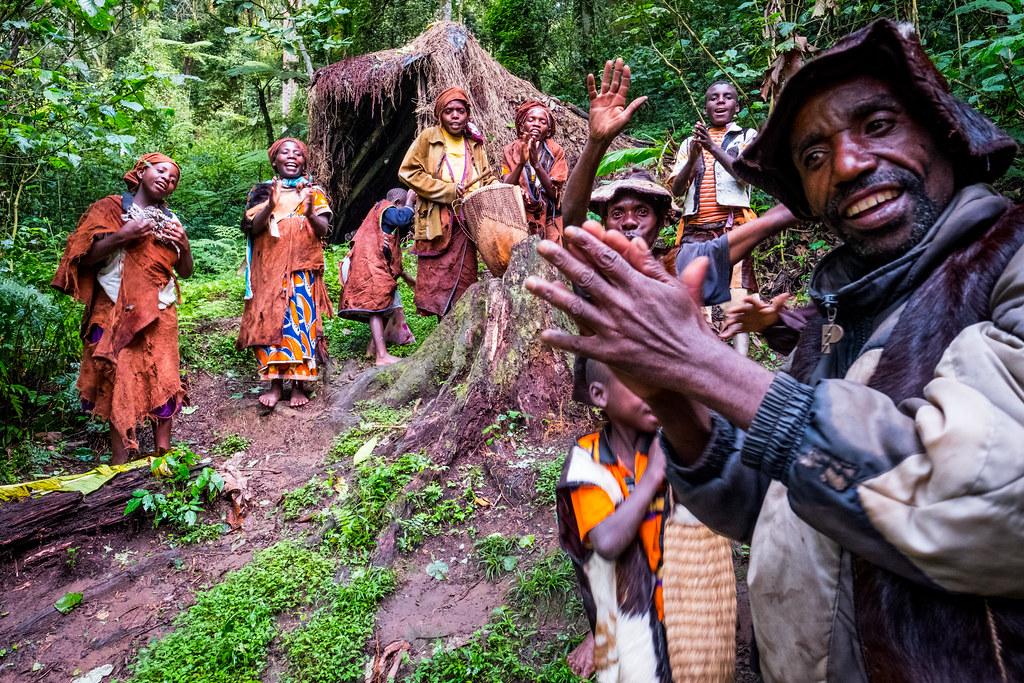
Southwestern Uganda
Batwa cultural experiences are available in parts of southwestern Uganda around the Bwindi and Mgahinga regions. They can complement gorilla trekking in Uganda by helping travelers understand a human history connected to the forests.
Batwa Heritage
Batwa heritage includes deep historical relationships with forest environments. Cultural experiences may explore traditional knowledge, plants, hunting history, shelter, music and storytelling, depending on the specific community-led program.
Community-Led Experiences
Community leadership is crucial. Travelers should prioritize experiences in which Batwa participants control the interpretation of their heritage and receive meaningful economic benefits.
Cultural Sensitivity
The Batwa have experienced significant historical and socioeconomic challenges associated with displacement and changing access to forests. Cultural tourism should therefore avoid romanticizing hardship or portraying contemporary communities as if they live permanently in the past.
Supporting Community Tourism
Using locally organized guides, purchasing community-produced crafts and paying appropriate activity fees can help ensure that tourism contributes directly to participating households and organizations.
Ssese Islands

Uganda’s Lake Victoria Islands
The Ssese archipelago offers an entirely different Uganda experience. Located in Lake Victoria, the islands combine beaches, forest patches, fishing communities and relaxed waterfront environments that contrast sharply with an intensive Uganda wildlife safari.
Kalangala
Kalangala is the principal tourism and administrative center on Bugala Island and provides access to accommodation and island activities. Transport schedules should be checked when planning because ferry arrangements affect arrival and departure times.
Beaches
Sandy stretches along Lake Victoria provide attractive places for walking and relaxing. Travelers should seek current local guidance before swimming because freshwater safety conditions can vary.
Forests
Forest patches add ecological interest to the islands and can be explored through appropriately guided nature activities. The combination of forest and lake landscapes distinguishes Ssese from mainland safari destinations.
Cycling
Cycling is an enjoyable way to explore quieter roads and rural sections of Bugala Island. Distances and routes can be adjusted according to fitness and available time.
Birdwatching
Lake, forest and agricultural habitats create useful birding opportunities. Ssese can therefore provide a relaxing conclusion to a longer Uganda birdwatching safari.
Fishing Communities
Fishing remains important to communities around Lake Victoria. Respectfully arranged visits can help travelers understand the economic relationship between island residents and Africa’s largest lake.
Island Sunsets
Sunset over Lake Victoria is one of Ssese’s simplest attractions. Photographers can work with reflections, fishing boats, clouds and changing evening light rather than concentrating solely on wildlife.
Why Ssese Works After a Long Safari
After several days of early game drives, forest trekking and long road transfers, the islands provide an opportunity to slow down. A few nights can create a relaxed ending to a longer Uganda holiday.
Bugala Island
Exploring Beyond the Main Resorts
Bugala is the largest of the Ssese Islands and contains more than its main accommodation areas. Travelers willing to explore can encounter quieter roads, villages, forest patches and lakeside landscapes.
Nature Walks
Guided walks can focus on plants, birds and island landscapes while providing a slower alternative to vehicle-based sightseeing.
Cycling
Cycling allows travelers to cover greater distances while remaining connected to the environment. Routes should be planned according to road conditions and weather.
Village Experiences
Village visits should emphasize normal respectful interaction rather than staged observation. Permission should always be requested before photographing residents.
Mount Moroto

Hiking in Karamoja
Mount Moroto is one of northeastern Uganda’s defining physical landmarks. Hiking introduces visitors to a dramatically different environment from Uganda’s better-known rainforest trekking destinations.
Mountain Landscapes
Elevated viewpoints reveal Karamoja’s vast plains and surrounding mountain systems. The scale of the landscape is one of the principal reasons to include Mount Moroto on an adventure itinerary.
Photography
Mountain ridges, settlements and changing light across the plains make Moroto excellent for landscape and documentary photography when undertaken respectfully.
Community Experiences
Local guides can add cultural and ecological context to hiking routes. Combining physical adventure with respectful community tourism in Uganda creates a more meaningful experience than hiking without local interpretation.
Mount Kadam
Why Mount Kadam Is Little Visited
Mount Kadam receives far fewer international visitors than Uganda’s famous mountain destinations. Its remote eastern location and comparatively limited tourism infrastructure help explain its low profile.
Hiking
Hiking should be organized with knowledgeable local guides and planned according to current conditions. The relative remoteness makes preparation more important than on heavily established tourist trails.
Pian Upe Landscapes
Mount Kadam rises within the wider landscape associated with Pian Upe Wildlife Reserve, creating excellent possibilities for combining mountains and savannah on the same journey.
Adventure Travel
Mount Kadam is best suited to travelers comfortable with less-developed tourism environments. It can form part of a longer Uganda adventure tour through eastern and northeastern Uganda.
Wanale Ridge
Mbale’s Dramatic Escarpment
Wanale Ridge rises above the Mbale area as part of the wider Mount Elgon landscape. Its cliffs, greenery and waterfalls create an accessible adventure experience for travelers exploring eastern Uganda.
Hiking
Guided hikes climb through cultivated landscapes toward elevated viewpoints. Rain can make trails slippery, so appropriate footwear is important.
Waterfalls
Seasonal and permanent streams descending the escarpment create attractive waterfalls, particularly when water levels are strong.
Views
From higher ground, visitors can enjoy expansive views over Mbale and the plains below. Clear mornings and late afternoons can provide particularly attractive conditions.
Photography
Wanale combines cliffs, waterfalls, farms and broad panoramas, making it particularly suitable for landscape photography.
Nyero Rock Paintings

Ancient Rock Art
The Nyero Rock Paintings in eastern Uganda preserve remarkable examples of prehistoric rock art. Geometric designs painted onto rock surfaces provide a fascinating contrast to the wildlife experiences that dominate most Uganda itineraries.
Archaeological Importance
Nyero forms part of Uganda’s important archaeological heritage and offers visitors an opportunity to consider the country’s human history on a much longer timescale.
Cultural Heritage
Interpretation from knowledgeable guides helps visitors understand what is known about the paintings while avoiding unsupported claims about their exact meanings or creators where archaeological certainty is limited.
Combining Nyero with Eastern Uganda
Nyero can be incorporated into an eastern Uganda journey involving Sipi, Mount Elgon and Pian Upe, adding archaeology and cultural heritage to an otherwise nature-focused Uganda itinerary.
Amabere Caves
Fort Portal Area
The Amabere caves are located near Fort Portal in western Uganda and are commonly visited together with surrounding crater landscapes. They provide an easy cultural and geological addition to journeys through the region.
Cultural Stories
Local traditions and stories associated with the caves add cultural meaning to the physical landscape. Guides can explain these narratives while distinguishing oral tradition from geological interpretation.
Caves and Waterfalls
Rock formations, vegetation and nearby waterfalls create an attractive short nature experience, especially for travelers wanting an activity between longer wildlife destinations.
Crater Lake Landscapes
The surrounding Fort Portal region contains numerous volcanic crater features, producing some of western Uganda’s most distinctive landscapes.
Hiking
Walks around the crater region range from relatively easy outings to longer routes through steep agricultural landscapes. Local guides can select routes appropriate to available time and fitness.
Fort Portal Crater Lakes

Lesser-Known Crater Lakes
Although some Fort Portal crater lakes are well established on tourism itineraries, many travelers experience only a small part of the wider landscape. Exploring quieter viewpoints and rural routes can reveal a more peaceful side of the region.
Hiking
Hiking between crater lakes provides opportunities to experience volcanic topography, farms, villages and elevated viewpoints away from safari vehicles.
Photography
Crater rims provide excellent positions for photographing water-filled volcanic depressions, cultivated hills and distant mountains. Early mornings can be particularly atmospheric when mist settles across the valleys.
Community Experiences
Locally guided walks can incorporate agriculture and community life while generating income beyond national-park tourism.
Tea Landscapes
Tea estates around Fort Portal add another visual dimension. Rows of intensely green tea bushes against hills and distant mountains make the region especially attractive to landscape photographers.
Combining Crater Lakes with Kibale
The crater region combines naturally with chimpanzee trekking in Kibale. Travelers can dedicate one day to primates and another to walking, photography and community experiences around the crater landscapes.
This combination also works well within longer Uganda primate safaris continuing south toward Queen Elizabeth, Bwindi and Mgahinga.
Why Culture Should Be Part of a Uganda Hidden Gems Safari
Uganda hidden gems become much more meaningful when travelers consider both landscapes and the people connected to them. Karamoja cannot be understood only through its mountains and wildlife reserves. Southwestern Uganda is more than gorilla habitat, and Lake Victoria’s islands are more than places to relax beside the water.
Cultural tourism provides context. Locally facilitated Uganda cultural tours can explain how people interact with forests, mountains, cattle, lakes and agricultural landscapes while allowing visitors to learn directly from local perspectives.
Culture also creates opportunities to spread tourism income beyond major parks and lodges. Local guides, community organizations, craftspeople, coffee farmers, accommodation providers and other small enterprises can benefit when travelers spend additional time outside the established safari circuit.
The strongest itinerary can therefore combine famous experiences such as Uganda gorilla trekking with quieter cultural and natural destinations. A traveler might trek gorillas and then explore Batwa heritage experiences, Lake Mutanda and southwestern communities. Another route could connect Sipi Falls, Nyero, Pian Upe, Mount Kadam and Karamoja.
Travelers with more time can combine these experiences with chimpanzee trekking, Fort Portal’s crater landscapes and Lake Victoria before relaxing on the Ssese Islands.
Anthill Safaris can create a custom Uganda hidden gems safari combining wildlife, hiking, cultural heritage, community-led experiences, islands, mountains and famous national parks. The objective is not simply to visit places that receive fewer tourists, but to create a responsible journey that reveals Uganda’s extraordinary environmental and cultural diversity.
Best Time to Explore Uganda Hidden Gems
The best time to explore Uganda hidden gems depends less on finding one perfect month and more on matching the season to the places and activities you want to experience. Uganda’s lesser-visited forests, wildlife reserves, mountains, lakes, wetlands and cultural landscapes can be incorporated into a Uganda safari throughout the year, but rainfall can significantly influence hiking conditions, remote roads, wildlife viewing and photography.
For an off-the-beaten-path journey, flexibility is particularly important. A road that is straightforward during a dry period can become slower after heavy rain, while waterfalls and forests can become considerably more dramatic during wetter months. Anthill Safaris can therefore design a custom Uganda safari around the season, available travel days and the specific hidden destinations you want to explore.
Can You Visit Year-Round?
Yes. Uganda is a year-round destination, although conditions vary considerably by region and altitude. Equatorial location moderates seasonal temperature changes, but rainfall patterns affect roads, hiking trails, vegetation and wildlife distribution.
Travelers combining hidden destinations with gorilla trekking in Uganda can travel throughout the year, provided they prepare for possible rain even during months generally considered drier.
Dry Seasons
June to September and roughly December to February are commonly regarded as Uganda’s principal drier travel periods, although rainfall remains possible. These months are popular for wildlife safaris and hiking because many roads and trails can be easier to negotiate.
Dry conditions can be especially useful when exploring remote destinations such as Pian Upe, Karamoja and lesser-developed wildlife reserves where road conditions deserve greater consideration than on established tourism routes.
Rainy Seasons
The wetter periods are generally associated with March to May and approximately October to November, although rainfall patterns vary geographically and increasingly from year to year.
Rain should not automatically discourage travel. Green vegetation, dramatic skies, fewer visitors and powerful waterfalls can make the wetter months exceptionally attractive for a Uganda photography safari.
Best Time for Wildlife
Drier conditions are often preferred for conventional wildlife viewing because vegetation may be less dense and animals can concentrate around dependable water sources. However, lesser-visited reserves such as Pian Upe should not be expected to produce the same wildlife densities as Uganda’s major national parks.
Best Time for Hiking
Hikers generally find drier periods more comfortable because mountain and forest trails can become slippery after rain. This is relevant around Sipi Falls, Mount Elgon, Mount Moroto, Mount Kadam and Mount Morungole.
Anyone planning a hiking-focused Uganda adventure safari should nevertheless pack rain protection because mountain weather can change rapidly.
Best Time for Birdwatching
Uganda offers productive birdwatching throughout the year. Seasonal migrants, breeding behavior and changing water levels mean there is no single perfect period for every species or habitat.
A dedicated Uganda birdwatching safari can combine Mabamba, Semuliki, forests, wetlands, savannah reserves and Lake Albert habitats according to target species and current conditions.
Best Time for Photography
Dry months can provide easier access and clear landscapes, while wetter periods produce greener vegetation, dramatic cloud formations and atmospheric forests. Photographers should therefore choose the season according to whether their priority is wildlife, landscape, birds or cultural photography.
Best Time for Waterfalls
Waterfalls are often most dramatic during and after wetter periods when streams carry more water. Sipi and other highland waterfalls can consequently be visually impressive during greener months, although surrounding hiking trails may be muddier.
Best Time for Forests
Forests such as Semuliki, Kalinzu, Bugoma and Echuya can be explored throughout the year. Drier conditions can make walking easier, while rainy periods emphasize the lush atmosphere that makes tropical and montane forests so photogenic.
Best Time for Karamoja
Karamoja’s drier periods can simplify road travel and hiking, particularly when exploring remote areas. However, the green season can completely transform the landscape and create excellent photographic conditions.
A longer Karamoja safari should be planned according to current road conditions rather than relying solely on generalized national weather patterns.
Best Time for Lakes and Islands
Lake Bunyonyi, Lake Mutanda, Lake Mulehe and the Ssese Islands can be visited throughout the year. Drier periods are convenient for walking, cycling and outdoor activities, while mist and clouds during wetter months can create beautiful lake photography.
Traveling During the Green Season
Green-season travel can be rewarding for travelers who accept occasional weather-related adjustments. Landscapes are lush, waterfalls can be stronger and some popular areas may feel quieter. A suitable vehicle and flexible itinerary become especially important when visiting remote Uganda hidden gems.
Getting Around Uganda’s Hidden Gems
Do You Need a 4×4?
A 4×4 is highly advisable for many off-the-beaten-path itineraries, especially those involving wildlife reserves, Karamoja, mountain areas and remote roads. Not every road requires four-wheel drive, but the additional clearance and capability provide valuable flexibility.
Road Conditions
Uganda’s principal highways connect many major towns, but conditions can change considerably once travelers leave established routes. Gravel, dust, potholes, mud and rough mountain roads should be expected on some sections.
Remote Roads
Remote-road travel should be treated as part of the experience rather than simply transportation between attractions. Distances that appear short on a map can require substantially more time because of road conditions.
Traveling During the Rainy Season
Heavy rainfall can make unpaved roads slippery or temporarily difficult. Travelers should allow extra time and avoid designing itineraries that depend on unrealistic driving speeds.
Private Driver-Guide
A private driver-guide is particularly valuable on a Uganda road safari involving lesser-known destinations. Local road knowledge, route planning and coordination with accommodations and guides become more important as tourism infrastructure becomes less developed.
Self-Drive vs Guided Safari
Self-driving provides independence, but remote Uganda requires confidence with local roads, navigation, vehicle recovery and changing conditions. Guided travel generally offers easier logistics, particularly for first-time visitors combining several regions.
Domestic Flights
Scheduled domestic flights serve selected tourism regions and can dramatically reduce travel time. They do not, however, connect every hidden destination, and schedules, baggage allowances and availability should be confirmed for the actual travel dates.
Combining Flights and Road Transfers
One efficient strategy is to fly one long sector and continue by private 4×4. This can be particularly useful when combining distant destinations with Uganda gorilla trekking or other time-sensitive activities.
Kampala as a Starting Point
Kampala can serve as a useful departure point for road journeys in several directions, particularly for travelers already staying in the capital. Traffic conditions should be considered carefully when calculating transfer times.
Entebbe as a Starting Point
Entebbe is particularly convenient for international arrivals through Entebbe International Airport. It also provides easy access to Mabamba Wetland and can serve as the beginning or conclusion of a longer Uganda tour.
Fort Portal as a Western Uganda Base
Fort Portal is an excellent base for western Uganda exploration. Kibale, crater lakes, tea landscapes, Semuliki and several nature experiences can be incorporated from the wider Fort Portal region.
Kabale and Kisoro as Southwestern Bases
Kabale and Kisoro provide useful bases for Lake Bunyonyi, Lake Mutanda, Lake Mulehe, Echuya, Bwindi and Mgahinga. Kisoro is particularly useful for itineraries involving the Virunga landscape and Mgahinga gorilla trekking.
Mbale as an Eastern Uganda Base
Mbale provides access to Mount Elgon, Wanale Ridge and Sipi, while longer journeys can continue toward Pian Upe and northeastern Uganda.
Moroto as a Karamoja Base
Moroto is a practical center for exploring parts of Karamoja. It provides a base for mountain activities and locally facilitated cultural experiences before continuing toward other northeastern destinations.
Where to Stay
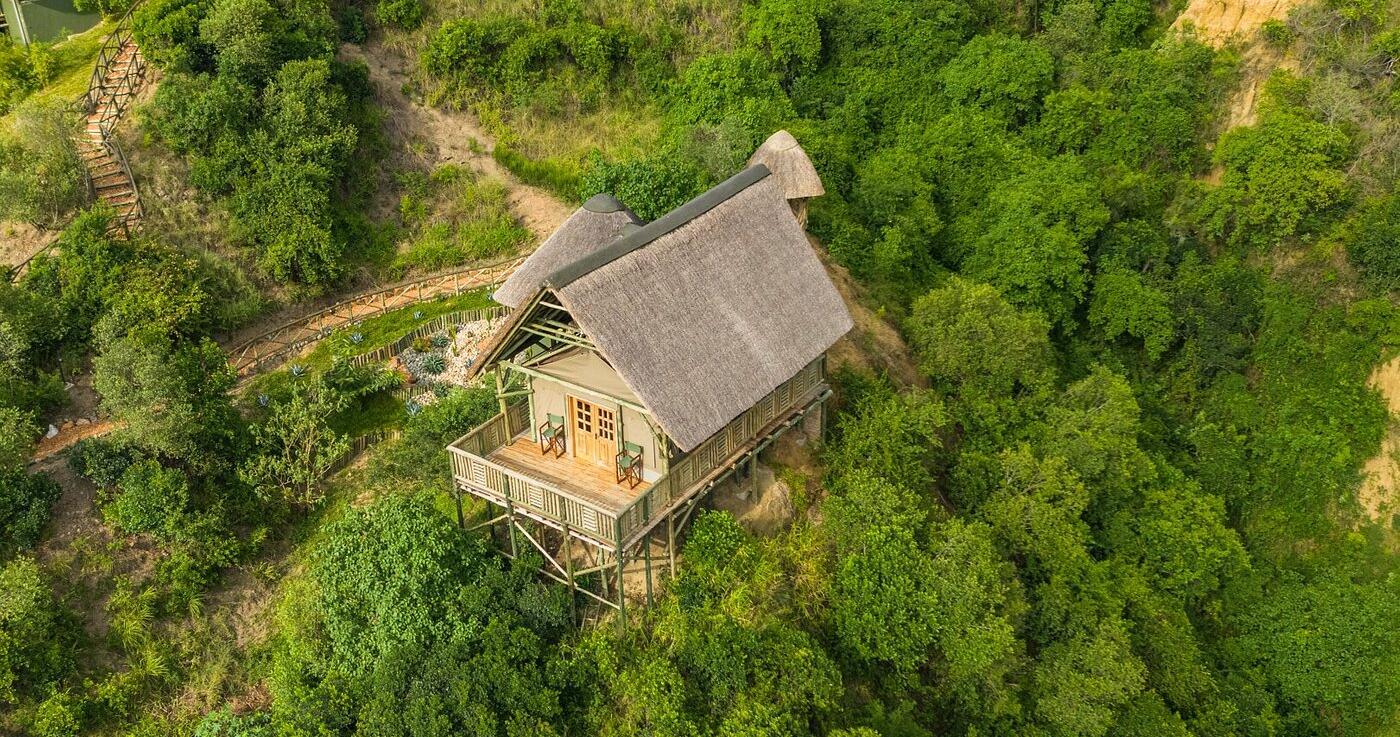
Accommodation in Remote Uganda
Accommodation around Uganda hidden gems varies enormously. Some areas offer comfortable lodges, while genuinely remote destinations may depend on simpler guesthouses, camps or properties located considerable distances from the attraction.
Eco-Lodges
Eco-lodges can work particularly well around forests, lakes and community tourism areas. Standards and sustainability practices vary, so properties should be evaluated individually.
Safari Camps
Safari camps can provide excellent access to wildlife landscapes, but camp availability is much more limited around some lesser-known reserves than within Uganda’s flagship national parks.
Guesthouses
Guesthouses in regional towns can be practical and comfortable bases for exploring nearby hidden destinations. They can also make an affordable Uganda safari easier to design.
Community Accommodation
Community accommodation can provide direct local economic benefits and a more personal experience. Travelers should expect standards to vary and appreciate these properties for their location and community connection rather than conventional luxury.
Camping
Camping can expand possibilities in remote areas where permanent accommodation is limited. Appropriate arrangements, permissions, equipment and safety considerations should be confirmed before travel.
Luxury Options
Luxury accommodation is available around several established Uganda destinations, but travelers should not expect luxury properties beside every hidden gem. A strong itinerary may deliberately alternate higher-end lodges with simpler accommodation in remote regions.
What to Expect in Remote Areas
Remote travel sometimes means fewer room choices, simpler meals, limited shops and longer distances between services. Understanding this in advance helps travelers appreciate the destination rather than comparing it unfairly with established safari centers.
Electricity and Charging
Electricity may come from the national grid, solar systems or generators depending on the property. Photographers should carry spare batteries and power banks when traveling through remote regions.
Internet Connectivity
Mobile and Wi-Fi connectivity can be inconsistent outside major towns. Travelers should not assume reliable high-speed internet at every remote lodge or camp.
Meals
Meal arrangements vary between properties. Remote itineraries may include full-board accommodation because alternative restaurants are limited, while towns generally provide greater flexibility.
Why Location Matters
Location can be more important than luxury level. Staying close to the next morning’s activity reduces unnecessary driving and creates more time for hiking, photography, birdwatching and cultural experiences.
Best Uganda Hidden Gems Itineraries
3-Day Eastern Uganda Hidden Gems Safari
A compact three-day journey can concentrate on Sipi Falls, surrounding coffee landscapes, hiking and selected eastern Uganda cultural or natural attractions. This works well for travelers starting and finishing around Kampala or Entebbe.
4-Day Sipi Falls and Pian Upe Safari
Four days provide time to combine Sipi’s waterfalls and coffee-growing landscapes with Pian Upe’s savannah, birdlife and wildlife. This is an excellent introduction to eastern Uganda safaris.
5-Day Semuliki and Fort Portal Hidden Gems Safari
A five-day western itinerary can combine Semuliki National Park, Sempaya Hot Springs, Fort Portal crater lakes, tea landscapes and community experiences. Birdwatchers can dedicate additional time to Semuliki’s forest habitats.
5-Day Lake Bunyonyi, Mutanda and Mgahinga Safari
This itinerary focuses on southwestern scenery. Lake Bunyonyi, Lake Mutanda and Mgahinga create opportunities for canoeing, hiking, photography and optional gorilla trekking, subject to permit availability.
7-Day Uganda Hidden Gems Safari
Seven days can concentrate on one region rather than attempting to cross the entire country. Eastern Uganda, southwestern Uganda or the Fort Portal-Semuliki region can each support a rewarding week-long itinerary.
8-Day Eastern Uganda and Karamoja Adventure
An eight-day journey can connect Sipi, Mount Elgon, Pian Upe, Mount Kadam and Moroto, with carefully organized community experiences along the route.
10-Day Hidden Uganda Wildlife and Nature Safari
Ten days allow a broader combination of forests, wildlife reserves, lakes and mountains. The itinerary can emphasize birdwatching, photography or hiking according to traveler interests.
12-Day Uganda Off-the-Beaten-Path Safari
Twelve days provide enough time to travel more slowly and include several regions without turning every day into a long transfer. This is particularly suitable for repeat Uganda visitors.
14-Day Complete Uganda Hidden Gems Safari
Two weeks can connect eastern landscapes, selected wildlife reserves, western forests and southwestern lakes while still leaving enough time for meaningful activities at each destination.
16-Day Uganda Hidden Gems and Gorilla Trekking Safari
Sixteen days allow lesser-known attractions to be combined with Uganda’s signature Bwindi gorilla trekking experience. This balance works particularly well for international visitors who do not want to miss Uganda’s famous wildlife while exploring beyond it.
21-Day Ultimate Uganda Discovery Safari
Three weeks create enough time for a genuinely comprehensive journey through eastern, northeastern, western and southwestern Uganda. Wildlife, primates, hiking, culture, birding and lakes can all be incorporated without rushing between destinations.
Combining Hidden Gems with Famous Attractions
Hidden Gems + Gorilla Trekking
Combining hidden gems with Uganda gorilla safaris is one of the strongest itinerary strategies. Travelers receive the iconic experience they came to East Africa for while discovering quieter places before or after the trek.
Lake Mutanda + Mgahinga Gorillas
Lake Mutanda and Mgahinga combine naturally because of their proximity around Kisoro. The lake provides relaxation, photography and canoeing around a gorilla-focused itinerary.
Lake Bunyonyi + Bwindi Gorillas
Lake Bunyonyi is a popular addition to Bwindi gorilla trekking. Travelers can use the lake for hiking, canoeing and relaxation after the physical demands of trekking.
Kalinzu + Queen Elizabeth National Park
Kalinzu works particularly well with Queen Elizabeth because travelers can combine forest primates with traditional savannah wildlife without traveling all the way to Kibale.
Semuliki + Kibale
Semuliki and Kibale create an exceptional forest combination. Semuliki contributes lowland Central African ecological character and specialist birds, while Kibale provides established chimpanzee trekking.
Pian Upe + Kidepo
Pian Upe and Kidepo can form part of an adventurous northeastern wildlife route. Travelers can add Karamoja landscapes and cultural experiences between the protected areas.
Sipi Falls + Mount Elgon
Sipi and Mount Elgon are a natural combination for hikers. Waterfalls, coffee experiences, mountain landscapes and longer trails can create an active eastern Uganda itinerary.
Karamoja + Kidepo
Combining Karamoja with Kidepo provides cultural and environmental context around one of Uganda’s most remote national parks. Community experiences should always be locally facilitated and approached respectfully.
Mabamba + Entebbe
Mabamba can be added before or after an international flight through Entebbe. It is particularly attractive for travelers wanting to search for the shoebill as part of a broader Uganda birding safari, while remembering that sightings are never guaranteed.
Crater Lakes + Kibale
Fort Portal’s crater lakes complement Kibale beautifully. Travelers can combine chimpanzee trekking in Uganda with hiking, tea landscapes, photography and quieter community experiences.
Bugoma + Murchison Falls
Bugoma can add a forest component to a journey through western and northwestern Uganda before or after Murchison Falls. Current forest access and organized visitor activities should be confirmed when developing the itinerary.
Ssese Islands + Uganda Wildlife Safari
The Ssese Islands can provide a relaxed ending after a longer Uganda wildlife safari. Instead of immediately flying home after days of game drives and road transfers, travelers can slow down beside Lake Victoria, cycle, walk, photograph sunsets and explore parts of Bugala Island.
The best Uganda hidden gems itinerary is ultimately not the one containing the greatest number of destinations. It is the one that balances driving time, seasonal conditions, accommodation, wildlife, hiking, culture and enough unstructured time to appreciate places that are rewarding precisely because they are less intensively visited.
Anthill Safaris can design a tailor-made Uganda hidden gems safari combining lesser-known destinations with gorilla trekking, chimpanzees, major national parks and cultural experiences. Share your travel dates, group size, available days, accommodation preference and main interests so the route can be planned around realistic travel times and the Uganda experiences that matter most to you.
Uganda Hidden Gems FAQs
Uganda hidden gems appeal to travelers who want to experience the country beyond its most famous gorilla trekking and Big Five safari routes. The answers below address 20 of the most useful questions for planning an off-the-beaten-path Uganda safari, including lesser-known wildlife reserves, forests, lakes, wetlands, mountains and cultural landscapes.
What Are the Best Hidden Gems in Uganda?
Some of Uganda’s most interesting hidden gems include Pian Upe Wildlife Reserve, Semuliki National Park, Katonga Wildlife Reserve, Kabwoya Wildlife Reserve, Toro-Semliki Wildlife Reserve, Lake Mutanda, Lake Mulehe, Echuya Forest, Bugoma Forest, Kalinzu Forest, Fort Portal’s quieter crater lakes, Mount Moroto, Mount Kadam and parts of Karamoja. The best choices depend on whether your interests are wildlife, hiking, birdwatching, photography or culture.
Travelers can incorporate several of these destinations into a longer Uganda wildlife safari without abandoning famous attractions such as Bwindi, Queen Elizabeth, Kibale or Murchison Falls.
What Are the Most Underrated Places in Uganda?
Pian Upe, Semuliki, the Toro-Semliki region, Lake Mulehe, Echuya, parts of Karamoja and some of the Fort Portal crater landscapes are among the places deserving greater international attention. “Underrated” does not necessarily mean unknown; it often describes destinations that receive much less tourism publicity than Bwindi, Murchison Falls or Queen Elizabeth National Park.
What Are the Least-Visited Places in Uganda?
Some wildlife reserves and remote northeastern landscapes receive relatively few international leisure travelers compared with Uganda’s main national parks. Matheniko, Bokora, Pian Upe, Katonga and other remote protected landscapes can fall into this category. Visitor infrastructure may be limited, so current access, activities and accommodation should be checked before designing an itinerary.
Where Can I Go Off the Beaten Path in Uganda?
Eastern and northeastern Uganda are particularly strong for off-the-beaten-path travel. An itinerary can combine Sipi Falls, Mount Elgon, Pian Upe, Mount Kadam, Moroto and Karamoja before continuing toward Kidepo. Western Uganda also offers quieter experiences around Semuliki, crater lakes, Bugoma and the Lake Albert region.
Travelers interested in combining remote places with established attractions can arrange a custom Uganda tour rather than trying to visit only lesser-known destinations.
Are There Secret Places in Uganda?
There are many little-visited places, but “secret” should not be interpreted literally. Most destinations are known to local communities, conservation authorities or domestic travelers. A Uganda hidden gem is better understood as somewhere remote, lightly visited, poorly marketed internationally or overshadowed by a more famous neighboring attraction.
What Are the Best Hidden Wildlife Destinations?
Pian Upe is particularly interesting for open landscapes and wildlife, while Katonga provides wetland and grassland habitats. Kabwoya and Toro-Semliki add Lake Albert scenery, and Semuliki introduces a dramatically different forest ecosystem. These can complement conventional Uganda game-drive experiences in the major national parks.
Which Wildlife Reserves Are Worth Visiting?
The answer depends heavily on your interests and expectations. Pian Upe is attractive for adventurous wildlife travelers and photographers, while Kabwoya can work particularly well within a western Uganda itinerary. Toro-Semliki interests birders and travelers exploring the Albertine region. Remote reserves should not automatically be compared with famous high-density wildlife destinations such as Queen Elizabeth or Murchison Falls.
Is Pian Upe Worth Visiting?
Yes, particularly for repeat Uganda visitors, birdwatchers, photographers and travelers interested in eastern Uganda. Pian Upe combines rolling plains, wooded savannah, mountain scenery and wildlife with far fewer visitors than Uganda’s best-known parks.
It can be incorporated into an eastern Uganda safari involving Sipi Falls, Mount Elgon and Karamoja.
What Animals Can You See in Pian Upe?
Pian Upe supports wildlife including eland and other antelopes as well as varied birdlife, while wildlife populations and distribution continue to change through conservation and restoration efforts. Travelers should approach Pian Upe as a remote wildlife landscape rather than expecting the density of animals found in Uganda’s flagship savannah parks.
Is Semuliki Worth Visiting?
Yes. Semuliki is especially rewarding for birdwatchers, naturalists, forest enthusiasts and repeat Uganda visitors. Its lowland forest environment gives it a distinctive Central African ecological character that differs greatly from the montane forests of southwestern Uganda.
What Is Special About Semuliki?
Semuliki protects Uganda’s distinctive lowland tropical forest environment and is particularly important for specialist forest birding. Sempaya Hot Springs add a geothermal attraction to the forest experience, making Semuliki a strong addition to a Uganda birdwatching safari.
Are the Sempaya Hot Springs Worth Visiting?
Yes, especially when incorporated into a wider Semuliki visit. The springs provide an unusual combination of geothermal activity, forest walking and cultural interpretation. Visitors must follow designated paths and ranger instructions because the water is extremely hot.
Is Katonga Wildlife Reserve Worth Visiting?
Katonga can be worthwhile for adventurous travelers who understand that they are visiting a quieter wildlife reserve rather than a heavily developed safari park. Its wetlands, grasslands, birdlife and remote atmosphere are the principal attractions. Current access and visitor activities should be confirmed before travel.
Is Kabwoya Wildlife Reserve Worth Visiting?
Kabwoya can be particularly attractive when incorporated into a western Uganda road journey. Lake Albert views, open landscapes, wildlife and birding give it a different character from Uganda’s forest and mountain destinations. It is better suited to travelers seeking variety and solitude than those whose only objective is seeing the largest possible number of animals.
Is Toro-Semliki Worth Visiting?
Yes for birdwatchers, photographers and travelers interested in the Albertine landscape. Toro-Semliki Wildlife Reserve can be combined with Semuliki National Park and the Fort Portal region to create a more unusual western Uganda route.
Is Kalinzu Forest Worth Visiting?
Yes. Kalinzu is particularly useful for travelers combining Queen Elizabeth National Park with forest primate experiences. Organized chimpanzee tracking provides an alternative for travelers who cannot include Kibale in their itinerary.
Visitors whose primary objective is chimpanzees can compare Kalinzu with established chimpanzee trekking in Uganda before deciding which experience best fits their route.
Is Bugoma Forest Worth Visiting?
Bugoma is valuable for travelers interested in forests, biodiversity, conservation, primates and birdlife. However, visitors should verify current organized tourism activities and access conditions rather than assuming Bugoma provides the same tourism infrastructure as Kibale or Bwindi.
Where Can I See Chimpanzees Away from Kibale?
Kalinzu is one of the notable alternatives to Kibale for organized chimpanzee tracking. Budongo Forest in the Murchison Falls region is another established chimpanzee destination. The exact experience, permit arrangements and tracking conditions differ between forests, so they should not be treated as identical alternatives.
Where Can I See Shoebills?
Mabamba Wetland near Entebbe is one of Uganda’s best-known destinations for searching for shoebills. Local boat excursions explore papyrus channels where guides look for the species. Shoebills remain wild birds, however, and no responsible operator should guarantee a sighting.
Mabamba can easily complement a longer Uganda birding tour, particularly at the beginning or end of an itinerary through Entebbe.
Is Mabamba Worth Visiting?
Yes, especially for birdwatchers and photographers. Its proximity to Entebbe makes Mabamba one of the easiest specialist nature experiences to add to a Uganda itinerary. Even beyond the shoebill, its papyrus ecosystem supports numerous wetland birds and provides attractive canoe and photography opportunities.
More Uganda Hidden Gems Planning Questions
What Are Uganda’s Best Hidden Birding Destinations?
Semuliki, Echuya, Pian Upe, Toro-Semliki, Mabamba and smaller western forests can all add variety to a specialist birding itinerary. The best locations depend on target species, season and habitat preference. A customized Uganda birding safari can combine forest, wetland, savannah and highland habitats.
What Are Uganda’s Best Hidden Waterfalls?
The wider Mount Elgon region contains numerous waterfalls beyond the best-known Sipi viewpoints. Wanale Ridge also provides attractive waterfall and escarpment scenery. Seasonal rainfall affects water volume, so waterfall experiences can look dramatically different at different times of year.
What Are Uganda’s Best Hidden Lakes?
Lake Mutanda and Lake Mulehe are excellent choices in southwestern Uganda, while the Fort Portal region contains numerous crater lakes. Lake Bunyonyi itself is famous rather than hidden, but quieter islands and shorelines can provide a less commercial experience.
Is Lake Mutanda Worth Visiting?
Yes. Lake Mutanda is especially attractive for photographers, couples and travelers combining Kisoro with Mgahinga or southern Bwindi. Virunga views, canoeing opportunities and peaceful landscapes make it an excellent addition to a Uganda gorilla safari.
Lake Mutanda vs Lake Bunyonyi
Lake Bunyonyi has a wider range of established tourism facilities and island experiences, while Lake Mutanda provides striking Virunga scenery and convenient access to Kisoro and Mgahinga. Travelers wanting more accommodation choice may prefer Bunyonyi, while those combining lakeside relaxation with the Virunga region may prefer Mutanda.
Is Lake Mulehe Worth Visiting?
Lake Mulehe can be rewarding for travelers looking for a quiet southwestern Uganda stop near gorilla country. It works best as part of a wider itinerary rather than as a stand-alone international destination.
Are the Ssese Islands Worth Visiting?
Yes, particularly for travelers wanting to relax after a demanding overland safari. The Ssese Islands offer Lake Victoria scenery, beaches, cycling, birdwatching, fishing-community landscapes and sunsets that feel very different from a conventional Uganda safari holiday.
What Can You Do on the Ssese Islands?
Depending on your chosen island and current local arrangements, activities can include cycling, nature walks, birdwatching, beach relaxation, photography and exploring local communities. Ferry schedules and transportation should be incorporated carefully into the itinerary.
What Are the Best Hidden Places Near Kampala?
Travelers based in Kampala can explore surrounding wetlands, Lake Victoria environments and cultural or nature experiences without committing to a long national-park journey. The best choice depends on available time, traffic and whether the traveler wants birding, walking, culture or relaxation.
What Are the Best Hidden Places Near Entebbe?
Mabamba Wetland is one of the strongest choices, particularly for birdwatchers. Lake Victoria excursions and quieter natural areas around the wider Entebbe region can also work well for travelers with a free day before or after an international flight.
What Are the Best Hidden Places Near Fort Portal?
The crater lakes, tea-growing landscapes, Amabere area and Semuliki region provide excellent possibilities. These can be combined with Kibale chimpanzee trekking to balance famous primate experiences with quieter landscapes.
What Are the Best Hidden Places Near Bwindi?
Lake Bunyonyi, Lake Mutanda, Lake Mulehe, Echuya Forest and community-led cultural experiences can complement Bwindi. The most practical option depends on your gorilla trekking sector because Bwindi covers a mountainous region where apparently short distances can require substantial driving time.
What Are the Best Hidden Places Near Kisoro?
Lake Mutanda, Lake Mulehe and surrounding highland landscapes are among the strongest options. Travelers can combine them with Mgahinga Gorilla National Park, hiking or cultural experiences.
What Are the Best Hidden Places in Eastern Uganda?
Pian Upe, Mount Kadam, Nyero Rock Paintings and quieter Mount Elgon landscapes can complement Sipi Falls. Eastern Uganda is particularly suitable for travelers who want hiking, culture, archaeology, wildlife and landscape photography within the same journey.
What Are the Best Hidden Places in Western Uganda?
Semuliki, Toro-Semliki, Kabwoya, Bugoma and quieter Fort Portal crater landscapes are excellent possibilities. Western Uganda is particularly easy to combine with established Uganda national park safaris.
What Are the Best Hidden Places in Northern Uganda?
Remote protected areas, Nile landscapes and destinations extending toward northeastern Uganda can suit adventurous travelers. Distances are significant, so northern itineraries should be designed around realistic driving times rather than attempting to cover too many places quickly.
What Are the Best Hidden Places in Karamoja?
Mount Moroto, Mount Kadam, Mount Morungole, Pian Upe and the wider pastoral landscapes are among the region’s strongest experiences. Respectfully organized community visits can add cultural depth to the journey.
What Are the Best Places for Photography?
Lake Mutanda, Pian Upe, Karamoja, Sipi, Mount Elgon, Semuliki, Fort Portal’s crater lakes and Lake Bunyonyi provide excellent landscape possibilities. Wildlife and bird photographers can add Mabamba, Kalinzu and selected reserves.
What Are the Best Places for Hiking?
Mount Elgon, Mount Moroto, Mount Kadam, Mount Morungole, Wanale Ridge and southwestern highland landscapes offer excellent hiking possibilities. Conditions and difficulty vary, making local guides valuable for more remote routes.
What Are the Best Places for Couples?
Lake Mutanda, Lake Bunyonyi, Fort Portal crater lakes and the Ssese Islands work particularly well for couples because they combine scenery with relaxed activities and private accommodation possibilities.
Which Hidden Gems Are Good for Honeymooners?
Lake Mutanda and quiet sections of Lake Bunyonyi can complement a gorilla trekking honeymoon, while the Ssese Islands can provide a relaxed conclusion after a longer safari.
Which Are Good for Solo Travelers?
Solo travelers can explore most Uganda hidden gems, particularly with a private driver-guide. Guided travel can simplify remote logistics while providing flexibility to concentrate on photography, birdwatching or hiking.
Which Are Good for Senior Travelers?
Lake-based experiences, birdwatching, scenic drives and selected cultural experiences can work well for older visitors. Hiking difficulty should be matched carefully to individual mobility and fitness. Anthill Safaris also provides information about planning a Uganda safari for seniors. :contentReference[oaicite:0]{index=0}
Which Are Good for Families?
Families can consider lakes, waterfalls, cultural experiences, wildlife reserves and gentle nature walks. Age restrictions apply to certain specialist activities, particularly gorilla and chimpanzee trekking, so a family itinerary should be designed around the ages of the children.
Are Uganda’s Hidden Gems Safe to Visit?
Many can be visited safely with appropriate planning, but conditions vary by destination and can change. Travelers should use current official travel advice, local park guidance and reputable operators, particularly when visiting remote border regions or places with limited tourism infrastructure.
Do I Need a Local Guide?
A local guide is strongly recommended for forests, community experiences, remote hiking routes and wildlife areas. Local knowledge improves navigation, interpretation and responsible interaction with communities and wildlife.
Do I Need a 4×4?
A 4×4 is highly useful for a multi-destination hidden-gems safari, especially during wetter conditions and on remote roads. It provides greater clearance and flexibility than a conventional urban vehicle.
How Many Days Do I Need?
Seven days can cover one or two regions, while 10 to 14 days provides a better balance for combining hidden destinations with famous parks. Travelers wanting a comprehensive Uganda journey may consider two to three weeks.
Can I Explore Hidden Uganda in One Week?
Yes, but concentrate geographically. For example, spend the week exploring eastern Uganda and Karamoja or focus on Fort Portal, Semuliki and nearby western landscapes instead of attempting to cross the entire country.
Is 10 Days Enough?
Ten days is enough for a strong itinerary combining several lesser-known places with one or two major attractions. It also provides room for slower travel and weather-related flexibility.
Is Two Weeks Enough?
Two weeks is excellent for an off-the-beaten-path Uganda tour. Travelers can combine eastern or western hidden gems with gorilla trekking, wildlife and cultural experiences without making every day a long transfer.
How Much Does a Hidden Uganda Safari Cost?
There is no single price because cost depends on trip length, vehicle, accommodation, park fees, activities, number of travelers and remoteness. Private transportation can form a significant part of the cost because hidden-gem itineraries often cover long distances.
Is Off-the-Beaten-Path Uganda Expensive?
Not necessarily. Remote travel may increase transportation costs, but accommodation can sometimes be simpler than in premium safari destinations. Travelers seeking a balance between comfort and cost can consider a mid-range Uganda safari. :contentReference[oaicite:1]{index=1}
What Should I Pack?
Pack comfortable walking shoes, lightweight long trousers, long-sleeved clothing, rain protection, sun protection, insect repellent, a reusable water bottle, daypack, camera and binoculars where relevant. Remote travelers should also carry spare batteries and power banks.
When Is the Best Time to Go?
Uganda can be explored throughout the year. Drier periods are generally easier for remote roads and hiking, while wetter periods offer greener landscapes, stronger waterfalls and atmospheric photography.
Can I Visit During the Rainy Season?
Yes. A rainy-season safari can be extremely rewarding, but remote roads and trails may be slower or muddier. A capable vehicle and flexible schedule become especially important.
Can Hidden Gems Be Combined with Gorilla Trekking?
Absolutely. Lake Mutanda, Lake Mulehe, Echuya and Lake Bunyonyi work particularly well with Uganda gorilla trekking. Hidden destinations can also be included before reaching Bwindi or after the trek.
Can I Combine Them with Chimpanzee Trekking?
Yes. Fort Portal crater lakes can be paired with Kibale, while Kalinzu provides another primate option near Queen Elizabeth. A longer Uganda chimpanzee safari can incorporate forests, lakes and community experiences.
Can I Combine Them with a Big Five Safari?
Yes. Lesser-known landscapes can be added to a broader wildlife route incorporating Uganda’s established national parks and rhino experiences. The result is often more varied than an itinerary consisting only of major game-drive destinations.
Can I Customize My Route?
Yes. Customization is particularly important for hidden-gem travel because road conditions, accommodation standards, hiking difficulty and traveler interests vary substantially. A tailor-made Uganda safari can prioritize wildlife, birdwatching, hiking, photography, culture or a mixture of these experiences.
Why Explore Uganda Hidden Gems with Anthill Safaris?
Customized Off-the-Beaten-Path Itineraries
Anthill Safaris can build an itinerary around your available days rather than forcing lesser-known destinations into a standard national-park circuit. The route can balance famous attractions with places that receive fewer international visitors.
Private 4×4 Safari Vehicles
Private 4×4 transportation provides flexibility for remote roads, photography stops and itinerary adjustments. This becomes particularly valuable when visiting destinations where public transportation is impractical for tourism.
Professional Driver-Guides
An experienced driver-guide coordinates road transfers, accommodation arrival times and local guiding arrangements while providing continuity throughout the safari.
Remote Destination Planning
Remote Uganda requires more than plotting attractions on a map. Driving times, fuel availability, accommodation, seasonal road conditions and realistic daily schedules must all be considered before travel.
Gorilla Trekking Extensions
Hidden-gem itineraries can include gorilla trekking in Bwindi or Mgahinga, subject to official permit availability.
Chimpanzee Trekking Extensions
Chimpanzee experiences can be added in Kibale, Kalinzu or other established tracking destinations according to the route and current activity arrangements.
Wildlife and Nature Safaris
Travelers can combine smaller reserves and forests with conventional game viewing to create a broader Uganda wildlife experience. :contentReference[oaicite:2]{index=2}
Birdwatching Safaris
Uganda’s extraordinary mixture of forests, wetlands, mountains and savannah makes hidden-gem travel especially suitable for specialist Uganda birdwatching tours.
Hiking Adventures
Mount Elgon, Karamoja’s mountains, crater landscapes and southwestern highlands can be incorporated into itineraries for travelers who prefer exploring on foot.
Photography Safaris
Private travel gives photographers additional flexibility for early departures, landscape stops and longer periods at carefully selected locations.
Cultural Experiences
Anthill Safaris can incorporate responsible cultural experiences where visits are locally facilitated and respectful of community privacy and dignity.
Solo Traveler Safaris
Solo travelers can use a private itinerary to control their pace and concentrate on individual interests rather than joining a fixed group program.
Family Safaris
Family routes can balance wildlife, lakes, short walks and cultural activities while accounting for children’s ages and activity restrictions.
Senior Traveler Safaris
Senior itineraries can prioritize manageable driving days, conveniently located accommodation and less physically demanding experiences. More specialized planning is available through Uganda safaris for seniors. :contentReference[oaicite:3]{index=3}
Budget Options
Budget-conscious travelers can prioritize comfortable guesthouses and carefully selected activities while investing in reliable transportation and guiding.
Midrange Options
A mid-range Uganda safari can balance comfortable lodges, private transportation and major activities without requiring premium accommodation every night. :contentReference[oaicite:4]{index=4}
Luxury Options
Luxury travelers can combine premium lodges around established destinations with private vehicles, domestic flights where practical and carefully selected remote experiences. Not every hidden destination has luxury accommodation, so the itinerary should balance location and comfort.
Multi-Country Extensions
Uganda hidden gems can form part of a wider East African journey involving Rwanda, Burundi, Kenya or Tanzania. Multi-country routes should be designed around current border requirements, visas, road conditions and the activities travelers want to prioritize.
Plan Your Uganda Hidden Gems Safari
Go beyond Uganda’s famous safari circuit with Anthill Safaris and create a journey combining hidden wildlife reserves, remote mountains, tropical forests, crater lakes, wetlands, waterfalls, cultural landscapes and Uganda’s world-famous primate experiences.
Share your travel dates, number of travelers, available number of days, preferred accommodation level and main interests. Anthill Safaris can design a customized route that combines Uganda hidden gems with gorilla trekking, chimpanzees, wildlife, birdwatching, hiking, photography and cultural experiences while keeping driving distances and seasonal conditions realistic.





