

Best Time to Visit Congo-Brazzaville – Weather, Climate and Safari Seasons
The Best Time to Visit Congo-Brazzaville depends on where you are traveling, what type of wildlife you want to see, and how comfortable you are with heat, humidity, rain,n and remote rainforest travel. Unlike a conventional savannah safari destination where travelers may simply choose between a clearly defined wet season and dry season, Congo-Brazzaville sits within the vast Congo Basin and experiences important regional variations in rainfall. A well-planned Congo-Brazzaville safari should therefore be designed around the exact destination rather than a single nationwide weather rule.
For many southern and central itineraries, June through September is comparatively drier and often easier for road travel and outdoor activities. Northern rainforest destinations can follow a different pattern, with January and February often providing a shorter, relatively dry period while rain remains possible throughout the year. Anthill Safaris’ current Congo-Brazzaville primate guide similarly emphasizes that rainfall patterns vary geographically and that travel dates should be matched to the specific park.
Introduction to the Best Time to Visit Congo-Brazzaville
The best time to visit Congo-Brazzaville is usually the period that gives the best balance between manageable forest conditions, wildlife activity, road access, and the traveler’s tolerance for tropical humidity. For many first-time visitors, relatively drier months are easier because forest trails can be firmer, roads may be more dependable, and camera equipment is easier to protect.
However, the rainy season should not automatically be dismissed. Rainforest wildlife remains active throughout the year, forests become exceptionally green and atmospheric, and some experienced travelers actively prefer wetter conditions because the landscape feels more intense and visitor numbers can be lower.
When Is the Best Time to Visit Congo-Brazzaville?
For southern Congo-Brazzaville and areas around Brazzaville, May or June through September is generally the main relatively dry period. For northern rainforest areas, January and February can provide another useful drier window. These broad patterns are only a starting point because weather changes significantly between the coast, southern savannah-forest mosaics,s and northern Congo Basin rainforest.
Travelers whose main goal is Odzala-Kokoua National Park should plan according to northern rainforest conditions rather than using Brazzaville’s weather calendar. Odzala lies deep within the Congo Basin and protects western lowland gorillas, forest elephants, forest buffaloes and extensive rainforest habitat.
Is Congo-Brazzaville a Year-Round Destination?
Yes. Congo-Brazzaville can be visited throughout the year, but the character of the safari changes with rainfall. Gorilla tracking, rainforest walking, wildlife viewing and photography remain possible in many periods, while road access and transfer times can become more demanding during wetter months.
This is why a Congo safari should be planned with realistic expectations. Rain does not necessarily mean the safari stops; it usually means travelers need better waterproof equipment, greater flexibility and stronger logistical planning.
Understanding Congo-Brazzaville’s Equatorial Climate

Congo-Brazzaville lies across tropical Central Africa and includes part of the Congo Basin, one of the largest rainforest systems on Earth. Temperatures remain relatively warm throughout the year, while humidity is often high in forest regions.
The equatorial setting means rainfall can occur in every month somewhere in the country. Areas near the equator can receive precipitation throughout the year, while southern and northern regions develop more recognizable seasonal differences. Annual rainfall also varies considerably geographically, with northeastern rainforest areas generally receiving more rainfall than parts of the southwest and coast.
Why Congo-Brazzaville’s Climate Is Different from a Typical African Safari Destination
Many famous African safari destinations are dominated by open savannah, where dry seasons concentrate wildlife around water and create very visible seasonal changes. Congo-Brazzaville is different because much of its signature wildlife lives inside dense tropical rainforest.
Western lowland gorillas, forest elephants, chimpanzees, monkeys and forest buffaloes remain within complex forest ecosystems where rainfall, fruit availability, mineral-rich forest clearings and seasonal movement all influence sightings. This makes Odzala wildlife viewing fundamentally different from a Serengeti game drive.
Understanding Regional Weather Differences in Congo-Brazzaville
The country’s north and south should not be treated as climatically identical. Brazzaville and southern Congo generally experience a stronger long dry season around June through September, while the far north can have a shorter relatively dry period around December to February or January to February.
Near-equatorial areas can receive rain in every month. This geographic variation is one of the most important facts to explain when discussing the Best Time to Visit Congo-Brazzaville.
Northern Congo vs Southern Congo Weather
Northern Congo contains some of the country’s most important rainforest ecosystems and wildlife destinations. Rainfall is generally higher here, humidity remains substantial, al and even a so-called dry season can include showers. Travelers visiting northern Congo should always pack for wet conditions.
Southern Congo, including Brazzaville and areas closer to the Atlantic coast, has a more distinct dry period around June through September. These months can be useful for road travel, city exploration, and combinations with southern protected areas.
Congo-Brazzaville Dry Seasons
The country’s dry seasons are relative rather than absolute. A “dry” rainforest month does not necessarily mean several weeks without rain. It means rainfall is generally lower than during wetter parts of the year.
For travelers planning a Congo-Brazzaville rainforest safari, this distinction is important because rain jackets, waterproof bags and quick-drying clothing remain useful even during the best-known dry periods.
Main Dry Season
In southern Congo-Brazzaville, the main dry period generally extends from around May or June through September. June, July, and August are typically among the driest months in the south.
This period often appeals to first-time visitors because roads and forest trails may be easier to negotiate and travel logistics can be more predictable.
Short Dry Season
January and February form an important shorter dry period in northern parts of the country and can be attractive for northern Congo rainforest itineraries. Travelers should still expect humidity and occasional rain.
This short dry season can work well for specialist wildlife travelers interested in Congo-Brazzaville primates and northern rainforest ecosystems.
Congo-Brazzaville Rainy Seasons
Rainfall becomes heavier and more frequent during wetter periods, particularly around March and April and again from roughly October through December in many southern areas. Northern patterns differ and should be checked for the specific park.
Rainfall can arrive in heavy tropical showers rather than continuous all-day rain. A morning may begin clear, turn humid and stormy in the afternoon,n and become calm again by evening.
Main Rainy Periods
October through December is often one of the wetter periods across much of southern Congo-Brazzaville, while March and April can also bring substantial rainfall. October is frequently among the wettest months in southern climatic summaries.
These periods can produce spectacular rainforest conditions but may also slow road transfers and make remote forest access more demanding.
Transitional Months
May, September and sometimes January can act as transitional periods depending on region. These months can provide attractive compromises between fewer visitors, green landscapes and improving road conditions.
Flexible travelers can ask Anthill Safaris to compare the expected weather at their exact destinations rather than choosing dates solely from a generic national climate chart.
How Much Does It Rain in Congo-Brazzaville?
Annual rainfall varies substantially. Some southwestern and coastal areas receive around 1,000 millimeters annually, while parts of the northeast can approach roughly 1,800 millimeters or more.
These numbers explain why Congo-Brazzaville should not be described with a single national rainfall figure. Forest density, latitude, elevation, and distance from the coast all influence local conditions.
Temperature in Congo-Brazzaville
Temperatures are generally warm throughout the year. Many lowland areas experience daytime conditions in the mid-to-high twenties Celsius, with warmer periods possible in March and April. Southern climate summaries place hotter seasonal highs around 31°C during these months.
Forest shade can reduce direct sunlight but does not eliminate heat. The combination of warm temperatures and humidity can make walking more physically demanding than the thermometer suggests.
Humidity in the Congo Rainforest
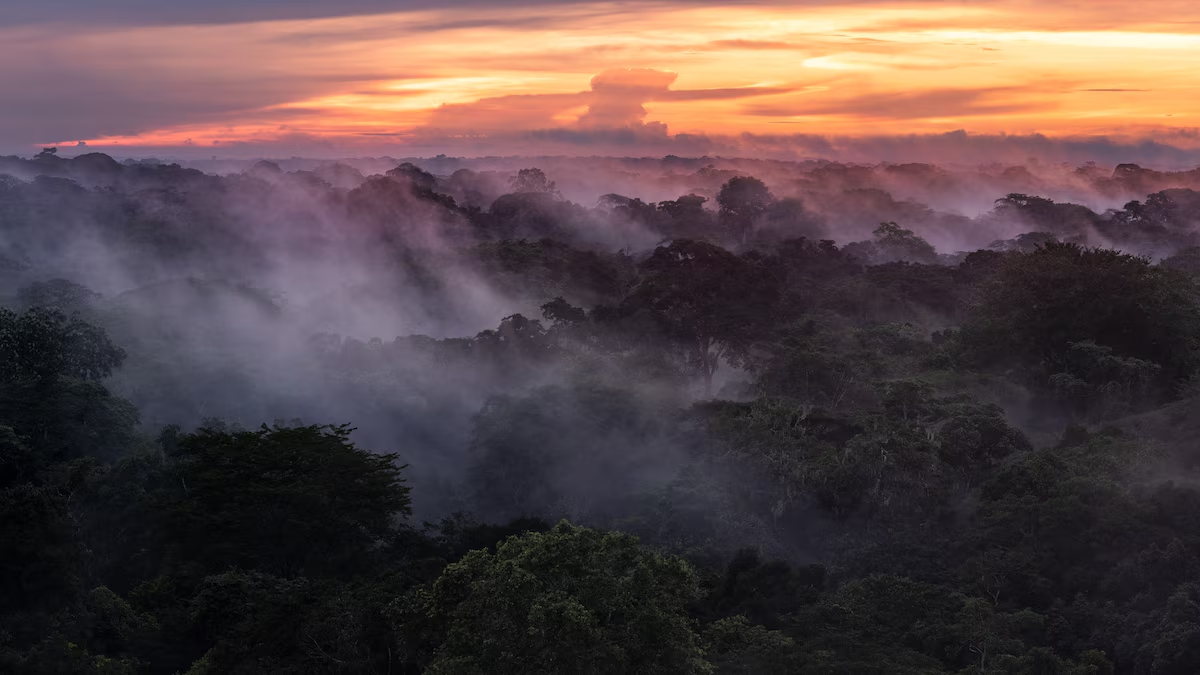
Humidity is an important part of the rainforest experience. Clothing dries slowly, camera lenses can fog,g and travelers may sweat heavily during even moderate walks. Lightweight breathable fabrics are therefore more useful than heavy safari clothing.
Photographers should carry moisture protection for electronics when exploring Congo rainforest primate habitats.
Does It Rain Every Day in Congo-Brazzaville?
No. Rainfall frequency varies by season and region, and many days can include long dry periods even during the rainy season. However, rainforest travelers should always be prepared for unexpected showers.
The safest assumption is not that it will rain every day, but that rain is possible on any forest day.
What Is the Weather Like in the Congo Basin Rainforest?
The Congo Basin rainforest is warm, humid and often atmospheric. Conditions can include mist, filtered sunlight, sudden showers, muddy trails and high moisture levels. Odzala-Kokoua lies within this enormous rainforest system and protects one of the world’s largest remaining intact forest landscapes.
For many travelers, these conditions are part of the appeal. A Congo Basin safari is meant to feel like rainforest exploration rather than an open-plains wildlife drive.
How Rainfall Affects Safari Activities
Heavy rain can slow forest walks, make trails slippery, and delay road transfers. Activities may begin later, routes may change,e and travelers may need more time to reach remote camps.
Rain does not automatically prevent wildlife viewing. Forest animals remain active, and some encounters can become especially atmospheric after a storm.
How Weather Affects Forest Roads
Remote Congo safari routes can become muddy during wetter periods. Four-wheel-drive vehicles are often essential, and journey times should be treated as estimates rather than promises.
This is one reason specialist logistical planning matters when arranging Congo rainforest safaris.
How Weather Affects Gorilla Trekking
Western lowland gorilla tracking can continue in damp conditions, but rain changes the physical experience. Trails become slippery, vegetation becomes wetter, er and photography becomes more challenging. Gorillas may also modify feeding and movement patterns according to fruit availability and weather.
Travelers interested specifically in western lowland gorillas can use Anthill Safaris’ Congo-Brazzaville gorilla trekking guidance. Odzala remains one of the country’s best-known specialist western lowland gorilla destinations.
How Weather Affects Wildlife Viewing
Dryer conditions can improve access to forest clearings, rivers and other wildlife areas, while wetter conditions can increase vegetation and distribute animals more widely through the forest.
Forest elephants and buffaloes can sometimes be observed around bais and mineral-rich clearings. These natural openings are particularly important because dense forest otherwise makes large mammals difficult to see. Anthill Safaris’ Odzala wildlife guide explains why bais are central to Congo rainforest viewing.
How Weather Affects Photography
Dry-season travel can simplify equipment management because rain covers and waterproof bags are needed less frequently. Forest light remains low, however, so photographers should still prepare for high ISO settings and slower shutter speeds.
Rainy-season photography can be visually spectacular. Wet vegetation produces saturated colors, mist creates atmosphere, and soft cloud cover can reduce harsh contrast.
Travelers interested in primates can combine photography with Congo-Brazzaville primate watching.
Dry Season vs Rainy Season – Which Is Better?
The dry season is generally better for first-time travelers, easier road access,s and anyone who prefers more predictable logistics. The rainy season can be better for experienced rainforest travelers, photographers who enjoy dramatic conditions, ns and visitors who value greener scenery over easy walking.
Neither season is universally superior. The correct choice depends on the exact destination and what the traveler wants from the safari.
Best Time for First-Time Visitors
First-time visitors should usually consider a relatively dry window appropriate to their chosen region. June through September is often a strong choice for southern and central itineraries, while January and February may work better for parts of northern Congo.
A first Congo safari should also use carefully selected accommodation and realistic transfer times. Anthill Safaris can build a first-time Congo-Brazzaville itinerary around the exact travel month.
Best Time for Experienced African Travelers
Experienced travelers who have already completed conventional East African safaris may enjoy the wetter months because the forest feels more intense and the experience becomes more expedition-like.
Travelers accustomed to rain, mud, humidity, and unpredictable wildlife may find these months particularly rewarding.
Best Time for Adventure Travelers
Adventure travelers can visit throughout the year if they are prepared for weather-dependent logistics. The rainy season can increase physical difficulty but also heighten the sense of exploration.
Visitors interested in serious rainforest wildlife can combine primate safaris, Odzala wildlife experiences, and broader Congo safari planning.
How Anthill Safaris Helps You Choose the Right Travel Season
Anthill Safaris can match travel dates with the exact Congo-Brazzaville destination rather than relying on a generic nationwide weather calendar. A traveler visiting Brazzaville and southern Congo may receive very different seasonal advice from someone concentrating on northern rainforest areas.
The team can also plan around wildlife priorities. Travelers focused on western lowland gorillas may need different timing from photographers interested in forest elephants, birdlife or rainforest landscapes.
Anthill Safaris can combine Congo-Brazzaville with other African gorilla safaris, including Uganda or Rwanda mountain gorilla trekking, while travelers wanting a complete primate journey can explore Congo-Brazzaville primates alongside East African great apes.
Travelers can also review Congo Safari FAQs, explore Congo-Brazzaville travel planning, learn about Odzala-Kokoua National Park, and compare broader African safari combinations.
The Best Time to Visit Congo-Brazzaville is therefore not one fixed month. June through September can be excellent for many southern itineraries, January and February can be useful for northern rainforest travel, and wetter months can still provide rewarding wildlife and photography. The strongest approach is to match the safari season to the exact park, wildlife goal and travel style.
Plan the best time to visit Congo-Brazzaville with Anthill Safaris and let our team match your travel dates with western lowland gorilla trekking, rainforest wildlife, accommodation, remote transfers and the Congo safari experiences that best suit your interests.
Best Time for Gorilla Trekking and Wildlife Safaris in Congo-Brazzaville
The Best Time for Gorilla Trekking and Wildlife Safaris in Congo-Brazzaville depends on the wildlife experience you value most. Travelers coming primarily for western lowland gorillas, forest elephants, forest buffaloes and wildlife around forest baïs will often find January to February and June to September particularly attractive. However, Congo-Brazzaville is a tropical rainforest destination, and wildlife remains present throughout the year. The rainy months can offer lush vegetation, dramatic skies, active rainforest ecology and outstanding photography. A carefully designed Congo-Brazzaville safari should therefore match the travel season to the exact wildlife interests of each visitor.
Odzala-Kokoua National Park is the country’s leading specialist wildlife destination. Its combination of dense rainforest, swamp forest, rivers, savannah-forest mosaics and mineral-rich baïs creates opportunities to see animals that are exceptionally difficult to observe elsewhere. Travelers can learn more about Odzala-Kokoua National Park before choosing their travel dates.
Best Time for Gorilla Trekking in Congo-Brazzaville
Western lowland gorilla trekking can be undertaken at different times of year, but relatively drier conditions often make the physical trek more comfortable. January and February and the June-to-September period are particularly useful windows for travelers who prefer firmer trails and somewhat more predictable rainforest logistics.
Rainfall should never be viewed as a reason to rule out the destination completely. Gorilla habitat remains tropical throughout the year, and even a dry-season trek can include showers, wet vegetation and muddy sections.
Western Lowland Gorilla Trekking in Congo-Brazzaville
Western lowland gorilla trekking is fundamentally different from mountain gorilla trekking in Uganda or Rwanda. Western lowland gorillas inhabit lower-elevation Congo Basin rainforest and often move through thick vegetation, swampy areas and forest clearings. Their ecology, feeding behavior and forest environment give Congo-Brazzaville primate safaris a distinctive character.

Travelers should also understand that the term “Congo gorilla trekking” can refer to different gorilla species in different countries. The Republic of the Congo is especially associated with western lowland gorillas, while the Democratic Republic of the Congo also has mountain and eastern lowland gorilla populations.
Where Can You Trek Western Lowland Gorillas?
Odzala-Kokoua National Park is one of the best-known places for western lowland gorilla tourism in Congo-Brazzaville. The park protects extensive Congo Basin rainforest and supports an important western lowland gorilla population. Gorilla habituation work has created carefully managed opportunities for visitors to observe selected gorilla groups under professional guidance.
Travelers researching the activity can explore Anthill Safaris’ western lowland gorilla destination guide and broader Congo Safari FAQs.
Best Time for Gorilla Trekking in Odzala-Kokoua
Odzala’s official visitor guidance identifies January and February and June through September as particularly favorable periods for wildlife viewing and weather. These relatively drier months can be a sensible choice for first-time travelers whose main objective is western lowland gorilla trekking.
That does not mean gorillas disappear during wetter months. They remain within the forest ecosystem throughout the year, and trekking experiences depend on daily gorilla movements rather than a fixed seasonal location.
Gorilla Trekking During the Dry Season
Relatively dry conditions can mean less surface water on trails, somewhat firmer ground and easier management of cameras and trekking equipment. Travelers who are concerned about physical difficulty may therefore prefer the drier windows.
The forest does not become truly dry, however. Visitors should still bring waterproof footwear, rain protection and quick-drying clothing on every Odzala gorilla safari.
Gorilla Trekking During the Rainy Season
The rainy season creates a much more intense rainforest atmosphere. Leaves become saturated, forest colors deepen, humidity rises, and trails can become muddy. For adventurous travelers, this can make the experience feel even more immersive.
Photography can also be exceptional because cloudy skies reduce harsh contrast and wet vegetation provides rich color around the gorillas.
Does Rain Stop Gorilla Trekking?
Rain does not automatically cancel a gorilla trek. Activities generally depend on ranger assessment, trail conditions, wildlife location, and operational safety. Tropical showers can pass relatively quickly, and visitors should be prepared to continue in damp conditions when guides consider it appropriate.
How Muddy Are Gorilla Trekking Trails?
Trail conditions vary considerably. After heavy rainfall, some forest sections can become slippery, soft and muddy, while drier periods can produce substantially easier walking. Waterproof hiking boots with strong grip are therefore among the most important pieces of equipment for a Congo rainforest safari.
Does Gorilla Behavior Change with the Seasons?
Gorilla movement can change as rainfall influences fruiting patterns, vegetation and food availability. However, it is too simplistic to predict one guaranteed seasonal behavior pattern. Western lowland gorillas remain wild animals moving according to food, social relationships,s and changing forest conditions.
Best Time for Easier Gorilla Trekking Conditions
Travelers prioritizing easier walking should generally consider January to February or June through September. These periods are not guaranteed to be rain-free, but they usually provide a better chance of less saturated trails than the main rainy periods.
Best Time for Gorilla Photography
There are advantages to both dry and rainy conditions. Drier months make equipment management easier and reduce the amount of time spent protecting cameras from rain. Wetter months can provide softer light, mist, dramatic skies and saturated forest colors.
Serious photographers should therefore choose based on photographic style rather than simply searching for the driest month. Anthill Safaris can incorporate Congo rainforest wildlife photography into a specialist itinerary.
Best Time for Western Lowland Gorilla Photography
January, February,ry and June through September are excellent choices for photographers who want relatively manageable trekking conditions. Travelers comfortable working in rain may prefer wetter periods because the forest can appear more atmospheric and the light may be softer.
Best Time for Wildlife Viewing in Congo-Brazzaville
Odzala’s official guidance identifies January to February and June to September as prime periods for wildlife viewing. These windows can work particularly well for travelers hoping to combine gorillas with forest elephants, forest buffaloes, primates and wildlife around baïs.
For a wider understanding of what is possible, travelers can explore Wildlife in Congo-Brazzaville.
Forest Wildlife vs Savannah Wildlife Viewing
Wildlife viewing in Congo-Brazzaville should not be compared directly with Serengeti-style game drives. Dense rainforest dramatically reduces visibility, and animals may be only a short distance away without being visible.
This is what makes rivers, forest edges and baïs so valuable. These more open habitats can provide unusually clear views of forest species that would otherwise remain hidden.
Best Time to See Forest Elephants
Forest elephants occur throughout the year, and there is no responsible way to guarantee sightings in a particular month. Relatively dry periods can improve access to important viewing areas, while baïs are especially valuable because elephants visit them for mineral-rich soil, water and vegetation.
Odzala is an important forest elephant stronghold, making Odzala wildlife safaris particularly attractive to serious mammal enthusiasts.
Best Time to See Forest Buffaloes
Forest buffaloes can also be encountered throughout the year. Open clearings and savannah-forest mosaics improve the possibility of seeing them compared with dense forest interiors. The best strategy is therefore to include multiple habitats rather than choosing a safari solely according to one month.
Best Time to See Bongos
Bongos are elusive forest antelopes and should never be treated as guaranteed sightings. They occur in Odzala’s rainforest ecosystem but may remain hidden for long periods. Night cameras and careful bai observation have recorded them, illustrating how secretive they can be.
Travelers interested in rare mammals should view bongo sightings as an exceptional bonus within a broader Congo wildlife expedition.
Best Time to See Sitatungas
Sitatungas are adapted to swamp and wetland habitats and occur within the Odzala landscape. Like bongos, they are not animals for which a specific month can guarantee sightings. Spending time around appropriate wetlands and clearings is more important than selecting one supposedly perfect season.
Best Time to See Chimpanzees
Chimpanzees occur in Congo-Brazzaville, including within Odzala, but the tourism experience should not be treated as equivalent to highly established chimpanzee trekking destinations such as Kibale in Uganda. Congo chimpanzees can be considerably more difficult to observe consistently.
Travelers interested in all of the country’s apes can read more about chimpanzees and other Congo-Brazzaville primates.
Best Time for Other Primates
Monkeys, mangabeys, guenons and other primates remain active throughout the year. Fruit availability, rainfall and forest structure influence their distribution. Birdwatchers and slow forest walkers often notice more primates because they spend longer scanning the canopy and listening for movement.
Wildlife Viewing at Forest Baïs
Forest baïs are among the most important features of wildlife tourism in the Congo Basin. These natural clearings break the dense forest canopy and can attract western lowland gorillas, forest elephants, forest buffaloes, sitatungas and other mammals.

Visitors staying near suitable clearings can spend extended periods quietly watching for wildlife. Anthill Safaris’ Odzala-Kokoua guide explains why these habitats are so important to rainforest safaris.
How Rainfall Influences Wildlife at Baïs
Rainfall influences vegetation, standing water and animal movement, but bai use is complex and should not be reduced to a simple dry-season formula. Wildlife may visit clearings in different seasons for mineral resources, aquatic vegetation and other ecological reasons.
Travelers should therefore plan multiple observation opportunities rather than expecting one brief bai visit to guarantee forest elephants or gorillas.
Best Time for Birdwatching in Congo-Brazzaville
Birdwatching can be rewarding throughout the year. Odzala alone supports an exceptionally diverse bird community across rainforest, wetlands, and savannah-forest habitats. Travelers primarily interested in easier walking may prefer relatively drier months, while wetter periods can provide highly active forest conditions.
Anthill Safaris can combine Congo birding with broader African birdwatching safaris.
Migratory and Resident Birds
Resident Congo Basin birds can be encountered throughout the year, while seasonal movements add additional diversity at certain times. Because migration timing differs between species, serious birders should plan around a target species list rather than using one universal “best birding month.”
Birdwatching During the Rainy Season
Rainy periods can be attractive for birders because the forest becomes productive and many species may be especially vocal or active around feeding areas. The disadvantage is more difficult walking, higher humidity, dirt, and increased protection requirements for optics and cameras.
Best Time for Reptiles and Amphibians
Wetter periods can be especially interesting for travelers interested in frogs, toads and other moisture-dependent rainforest wildlife. Reptiles and amphibians are often overlooked on conventional safaris but contribute greatly to Congo Basin biodiversity.
Best Time for Rainforest Photography
Rainforest photographers should not automatically avoid the rainy season. Odzala’s official visitor information specifically notes that the rainy periods can produce particularly attractive skies for photography. Wet vegetation, reflections, mist and dramatic cloud formations can create exceptional images.
Travelers can combine these conditions with primate photography, forest wildlife photography and scenic rainforest work.
Best Time for Nature Walks
January to February and June through September generally offer easier conditions for travelers who want long rainforest walks. Trails may be less saturated and crossing wet areas can be more manageable.
Adventure travelers who do not mind mud can walk during wetter periods as well, provided current local conditions and guides permit the activity.
Best Time for River and Boat Activities
River and boat activities depend on local water levels, weather,ather and operational conditions. These activities can be excellent throughout different parts of the year, but heavy storms may alter daily schedules. The best approach is to keep sufficient flexibility rather than planning a boat excursion around a rigid hour months in advance.
Choosing Your Season According to Your Wildlife Interests
First-time visitors primarily interested in western lowland gorillas and easier forest conditions should generally consider January to February or June through September. Photographers comfortable with rain may deliberately consider wetter months for more dramatic rainforest conditions.
Travelers focused on forest elephants and buffaloes should prioritize an itinerary that includes baïs and varied habitats rather than relying solely on season. Bongo and sitatunga enthusiasts should treat sightings as rare opportunities rather than predictable checklist species.
Serious primate travelers should combine Congo-Brazzaville primate watching with western lowland gorilla trekking. Visitors wanting to compare lowland gorillas with mountain gorillas can extend their journey through Anthill Safaris’ African gorilla safaris.
Planning a Congo Wildlife Safari with Anthill Safaris
Anthill Safaris can help travelers choose the travel season according to the exact wildlife priorities rather than simply declaring one month the Best Time to Visit Congo-Brazzaville. Gorilla-focused travelers, birders, photographers and rare-mammal enthusiasts can require different safari structures.
The team can combine Congo safari planning with Congo-Brazzaville travel logistics, accommodation and specialist rainforest experiences. Travelers can also explore Congo-Brazzaville wildlife, learn about Congo rainforest primates and study Odzala-Kokoua safari experiences before deciding on dates.
Visitors who want a multi-country primate journey can combine western lowland gorillas with Uganda mountain gorilla trekking, Rwanda gorilla safaris or chimpanzee trekking in Uganda.
The strongest Congo-Brazzaville safari is ultimately one that accepts the rainforest on its own terms. January–February and June–September offer particularly attractive wildlife and weather conditions in Odzala, while the rainy periods can reward photographers and experienced rainforest travelers. Wildlife remains wild, elusive and influenced by complex ecological factors, so no responsible safari should promise a particular species simply because a traveler visits in a specific month.
Plan your Congo-Brazzaville gorilla and wildlife safari with Anthill Safaris and let our team match your travel season with western lowland gorilla trekking, forest elephants, baï viewing, birdwatching, rainforest photography, accommodation and remote safari logistics.
Best Time to Visit Odzala-Kokoua and Other Congo-Brazzaville Destinations
The Best Time to Visit Congo-Brazzaville depends heavily on the exact destination. Odzala-Kokoua National Park, Nouabalé-Ndoki National Park, Conkouati-Douli National Park, Brazzaville, and Pointe-Noire do not experience rainfall in the same way. Northern Congo lies deeper within the equatorial Congo Basin, while southern Congo and the Atlantic coast have more clearly defined seasonal patterns. Travelers should therefore plan a Congo-Brazzaville safari according to the parks and activities included rather than choosing one nationwide “best month.”
This regional approach becomes especially important for travelers interested in western lowland gorillas, forest elephants, forest baïs, rainforest photography, and remote forest travel. A month that provides excellent conditions in Brazzaville may still produce substantial rainfall in northern rainforest areas. Anthill Safaris can match the season to the exact Congo-Brazzaville primate destination included in the itinerary.
Best Time to Visit Odzala-Kokoua National Park
Odzala-Kokoua National Park’s official visitor information identifies January and February and June through September as particularly favorable periods for weather and wildlife viewing. These relatively drier windows are excellent starting points for first-time visitors who want western lowland gorillas, baï wildlife, forest walks and river-based activities without deliberately choosing the wettest conditions.
Odzala remains a rainforest destination, however, so even these months can include rain, high humidity and wet vegetation. Travelers should pack waterproof equipment throughout the year when visiting Odzala-Kokoua National Park.
Odzala-Kokoua During the Main Dry Season
June through September is particularly attractive for travelers who value easier logistics and comparatively drier conditions. Forest tracks and walking routes may be less saturated, while camera equipment can be easier to manage than during periods of repeated heavy rain.

This season is especially suitable for first-time Congo rainforest travelers and visitors combining Congo-Brazzaville wildlife with western lowland gorilla trekking.
Odzala-Kokoua During the Short Dry Season
January and February provide another useful travel window. Odzala’s official visitor guidance specifically identifies these months as favorable for both weather and wildlife viewing. They can be an excellent alternative for travelers unable to visit during the middle of the year.
Humidity remains high, and short tropical showers are still possible. “Dry season” in the Congo Basin should always be understood as relatively drier rather than completely dry.
Odzala-Kokoua During the Rainy Season
Rain becomes more prevalent from around mid-March through May and again from October into mid-December according to Odzala’s official visitor information. These months produce wetter trails and more complicated forest-road conditions, but they can also create spectacular rainforest scenery.
Travelers comfortable with expedition-style conditions may find a rainy-season Congo rainforest safari particularly rewarding.
How Rainfall Changes the Odzala Experience
Rain changes more than the condition of the trails. Vegetation becomes intensely green, forest pools and rivers can rise, humidity increases, and wildlife movement may respond to changing food availability. Rain also changes the atmosphere of baïs and forest clearings, often producing mist, reflections and dramatic skies.
Best Time for Gorilla Trekking in Odzala
January to February and June through September are strong choices for travelers who want relatively manageable western lowland gorilla trekking conditions. The gorillas remain in the forest throughout the year, however, and sightings depend on daily animal movements rather than a simple seasonal guarantee.
Travelers interested specifically in the species can explore Anthill Safaris’ guide to western lowland gorillas in Congo-Brazzaville.
Best Time for Wildlife at Odzala’s Baïs
Baïs are natural forest clearings where animals can become much easier to observe than inside dense vegetation. Forest elephants, forest buffaloes, gorillas and other mammals may visit these areas for minerals, aquatic vegetation and water.
There is no responsible way to promise one perfect month for bai wildlife. The stronger strategy is to spend enough time around suitable habitats and allow repeated observation opportunities within a carefully paced Odzala wildlife itinerary.
Best Time for Forest Walks in Odzala
Relatively drier periods are generally more comfortable for long forest walks because trails may be less muddy and slippery. June through September and January to February are therefore particularly attractive to travelers concerned about physical difficulty.
Experienced adventure travelers can walk during wetter months as well, provided guides consider routes safe and accessible.
Best Time for River Activities in Odzala
River activities depend on local water levels, rainfall,l and camp operations. Different seasons can change both water conditions and the surrounding wildlife experience. Travelers should therefore allow flexibility rather than treating a scheduled boat excursion as completely weather-independent.
Best Time for Photography in Odzala
Dry-season travelers benefit from easier equipment protection and generally simpler movement between photographic locations. Rainy-season visitors receive different advantages: darker clouds, mist, wet vegetation and softer forest light can produce dramatic images.
Odzala’s official visitor guidance specifically notes the photographic appeal of rainy-season skies, making wetter travel worthwhile for experienced photographers. Travelers can combine this with Congo rainforest photography.
Best Time to Visit Nouabalé-Ndoki National Park
Nouabalé-Ndoki lies in far northern Congo-Brazzaville and should be treated as a true equatorial rainforest destination. It protects some of the country’s most intact forest and is internationally important for western lowland gorillas, chimpanzees, forest elephants and other Congo Basin wildlife.
Unlike southern Congo, visitors should not assume June through September will always feel distinctly dry. Northern rainfall patterns are more equatorial, and weather can remain humid and wet during periods that are much drier in Brazzaville. WCS continues to manage major research and tourism sites within the park, including Mondika and Mbeli Baï.
Weather in Nouabalé-Ndoki
Northern Congo generally has a shorter drier period around December through February, while rainfall is distributed more evenly than in the south. Travelers should pack waterproof boots, breathable clothing, ng and rain protection regardless of the month.
This is a destination for travelers comfortable with true rainforest conditions rather than those seeking a reliably dry conventional safari.
Best Time for Rainforest Wildlife in Nouabalé-Ndoki
Wildlife is present throughout the year, and the value of Nouabalé-Ndoki comes from intact habitat rather than a short seasonal wildlife spectacle. Visitors interested in western lowland gorillas can also explore the Mondika landscape, where WCS currently monitors habituated gorilla groups and supports direct observation tourism.
Travelers can combine Nouabalé-Ndoki with a broader northern Congo rainforest safari.
Best Time for Forest Elephant Viewing

Forest elephants can be observed throughout the year, but open clearings dramatically improve sighting opportunities compared with dense forest. Mbeli Baï is especially important because elephants visit the clearing regularly and have been studied there for decades. WCS reports that hundreds of individual elephants have been identified through long-term monitoring.
Best Time to Visit Mbeli Baï
Mbeli Baï deserves several observation opportunities rather than a single rushed stop. WCS’s 2025 reporting documented thousands of wildlife visits involving elephants, gorillas, sitatungas and buffaloes, demonstrating why the clearing is such an important wildlife observation site.
Season matters less than sufficient time, patient observation and appropriate local access arrangements when planning forest wildlife viewing in Congo-Brazzaville.
Best Time to Visit Conkouati-Douli National Park
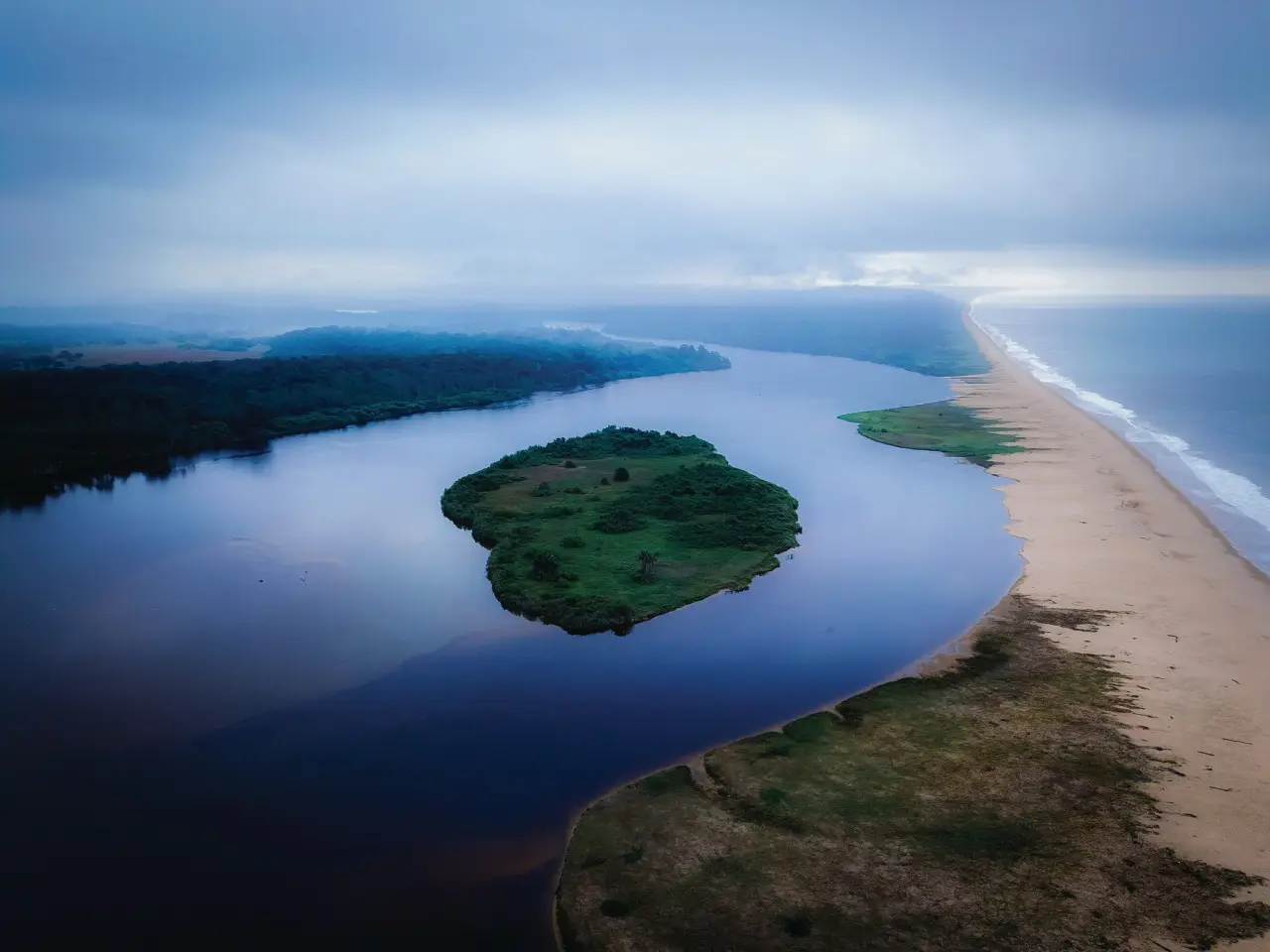
Conkouati-Douli lies in southwestern Congo near the Atlantic coast and differs considerably from the northern rainforest parks. Its landscapes combine forest, wetlands, lagoons and coastal ecosystems, so the ideal season depends on whether the traveler prioritizes inland wildlife, coastal scenery or general accessibility.
The long southern dry season from approximately June through September is generally one of the easiest periods for visiting this part of the country. Travelers interested in combining forest and coastal environments can add Conkouati-Douli to a longer Congo-Brazzaville itinerary.
Conkouati-Douli Weather and Seasons
Southern Congo follows a more pronounced dry-season pattern than the far north. June through September is comparatively dry, while rain becomes more frequent from roughly October through May. The transition is gradual rather than perfectly fixed.
Best Time for Wildlife in Conkouati-Douli
The drier months can simplify access to wildlife areas, but animals remain present throughout the year. Travelers should focus more on habitat diversity and realistic observation opportunities than expecting one month to guarantee particular species.
Best Time for Coastal Experiences
June through September can be attractive for combining wildlife with Congo’s Atlantic coast because rainfall is generally reduced in the southwest. Coastal winds and ocean conditions still vary, so specific boat or marine activities should always be confirmed locally.
Best Time to Visit Brazzaville
Brazzaville can be visited throughout the year, but June through September is generally the easiest period for outdoor sightseeing because southern Congo experiences its long dry season during these months. The official Republic of Congo embassy describes June through September as the national long dry season.
Brazzaville can be incorporated into a Congo-Brazzaville travel itinerary before or after a rainforest safari.
Brazzaville During the Dry Season
June, July, August and September tend to offer lower rainfall and relatively easier conditions for city exploration and road transfers. Visitors may also find humidity somewhat more manageable than during the hottest, wetter months.
Brazzaville During the Rainy Season
Rainfall becomes more frequent from approximately October through May, with particularly wet periods around parts of October to December and March to May. Rain often arrives as tropical showers rather than continuous rainfall throughout every day.
City travel remains possible, but travelers should leave flexibility for outdoor sightseeing.
Best Time to Visit Pointe-Noire
Pointe-Noire has a coastal climate with a pronounced drier period during the middle of the year. June through September is generally one of the strongest times for city sightseeing, coastal excursions, and outdoor activities.
The coast receives less annual rainfall than some northeastern rainforest regions, illustrating again why the Best Time to Visit Congo-Brazzaville should be discussed by destination rather than as one national answer.
Pointe-Noire Weather and Climate
Temperatures remain warm throughout much of the year, although the middle-year dry season can feel somewhat cooler. Rainfall increases substantially during the wetter months toward the beginning and end of the year.
Best Time for Congo’s Atlantic Coast
Late May through September generally provides attractive conditions for Congo’s Atlantic coastline. These months tend to combine lower rainfall with comfortable opportunities for scenic coastal travel.
Best Time for Beach Experiences

Travelers interested primarily in beaches and coastal relaxation can consider the dry-season months around June through September. Sea conditions, wind, and local safety should still be checked before swimming or boating.
A coastal extension can provide a relaxing contrast after a demanding Congo primate safari.
Best Time for Cultural Experiences
Cultural experiences in Brazzaville, Pointe-Noire and local communities can generally be enjoyed throughout the year. Drier conditions make outdoor markets, city walks and overland travel easier, but culture itself is not dependent on a wildlife season.
Travelers primarily interested in people, food, music and city life should therefore select dates around the wider itinerary rather than waiting for one supposedly perfect cultural month.
Best Time for Multi-Destination Congo Safaris
June through September is often the simplest period for travelers combining several southern and central destinations because transport conditions are generally easier. However, multi-destination itineraries that extend into northern Congo require more careful planning because northern rainfall patterns differ.
January and February can also be particularly attractive for travelers concentrating heavily on northern rainforest destinations such as Odzala and Nouabalé-Ndoki.
Combining Northern and Southern Congo
A safari combining Odzala, Nouabalé-Ndoki, Brazzaville and Pointe-Noire should not be designed around the assumption that every destination will experience identical weather. A traveler may leave relatively dry Brazzaville and arrive in a much wetter northern forest environment.
This means packing for a multi-destination Congo safari should always include waterproof equipment regardless of season.
Which Destination Has the Best Weather for Your Travel Dates?
For January and February, northern rainforest destinations such as Odzala can be particularly attractive because of the shorter dry period. June through September is excellent for Odzala and generally especially favorable for Brazzaville, Pointe-Noire and southern Congo. Rainier periods may be more challenging operationally but can reward photographers and experienced rainforest travelers.
Travelers interested primarily in western lowland gorillas should prioritize Odzala-Kokoua and consider the season in relation to trekking conditions. Serious rainforest wildlife enthusiasts can add Nouabalé-Ndoki primates and bai-based wildlife observation.
Photographers may deliberately choose wetter conditions for saturated landscapes and dramatic skies, while first-time visitors may prefer comparatively drier months for easier movement. Travelers wanting coastal relaxation can combine Congo rainforest exploration with Pointe-Noire during the middle-year dry season.
Anthill Safaris can also build a Congo-Brazzaville journey around specialist interests. Gorilla-focused travelers can combine western lowland gorilla experiences with Uganda mountain gorilla trekking. Birdwatchers can incorporate African birdwatching, while travelers wanting several great ape species can add chimpanzee trekking.
Visitors comparing different Congo experiences can review Congo Safari FAQs, explore wildlife in Congo-Brazzaville, study Congo rainforest primates and learn more about Odzala safari planning.
Travelers wanting a broader African primate journey can add African gorilla safaris, Bwindi mountain gorillas, Mgahinga gorilla trekking or Uganda and Rwanda gorilla trekking.
Ultimately, there is no single destination or month that provides perfect weather everywhere in Congo-Brazzaville. Odzala can be excellent in January–February and June–September, northern Nouabalé-Ndoki remains wetter and more equatorial, while Brazzaville, Pointe-Noire and much of southern Congo experience their strongest dry period during the middle of the year. Matching the season to the destination is therefore more useful than relying on a generic Congo weather calendar.
Plan the best time to visit Congo-Brazzaville with Anthill Safaris and let our team match your travel dates with Odzala-Kokoua, Nouabalé-Ndoki, Brazzaville, Pointe-Noire, rainforest wildlife, western lowland gorillas, accommodation and remote safari logistics.
Congo-Brazzaville Month-by-Month – January to December
Understanding Congo-Brazzaville month by month is one of the best ways to choose travel dates for western lowland gorilla trekking, rainforest wildlife, birdwatching, photography and remote forest exploration. The Republic of the Congo does not have one perfectly uniform weather calendar. Southern destinations such as Brazzaville and Pointe-Noire experience a more obvious long dry season from June through September, while northern Congo Basin forests can remain humid and receive rainfall throughout the year. Travelers planning a Congo-Brazzaville safari should therefore compare both the month and the specific park they intend to visit.
For Odzala-Kokoua National Park, January and February and June through September are particularly useful travel periods, while rain becomes more prevalent from around mid-March through May and again from October into mid-December. This does not mean wildlife disappears during wetter months. Gorillas, forest elephants, buffaloes, primates and birds remain within their habitats throughout the year, but trail conditions, road access, photography and visitor comfort change significantly.
Congo-Brazzaville in January
January is one of the most attractive months for travelers concentrating on northern rainforest destinations. It falls within the shorter, relatively dry period, although temperatures remain warm and humidity is still high. Rain is possible because Congo-Brazzaville remains tropical, but forest trails may be more manageable than during the heavier rainy periods.
January works particularly well for Odzala-Kokoua National Park, where official visitor guidance identifies January and February as prime months for wildlife and weather. Western lowland gorilla trekking can be rewarding, while baï observation may provide opportunities for forest elephants, forest buffaloes and other rainforest mammals.
Photographers benefit from comparatively manageable rainfall while still enjoying green forest conditions. Birdwatching remains excellent, and road and trail conditions can be easier than during March or April. January is particularly suitable for first-time Congo visitors, primate enthusiasts and travelers who want a relatively dry alternative to the mid-year season.
Congo-Brazzaville in February
February generally continues the shorter dry-season window. Temperatures remain tropical, humidity stays significant,t and occasional rainfall should still be expected. Forest vegetation remains lush, but walking conditions can be relatively comfortable.
This is another excellent month for western lowland gorilla trekking, nature walks and wildlife observation around forest clearings. Camera equipment is usually easier to manage than during the main rainy periods, although waterproof protection should remain inside the daypack.
February suits photographers, first-time visitors and travelers interested in combining gorillas with broader Congo-Brazzaville wildlife. As the month progresses, rainfall can begin increasing toward the wetter March-to-May period.
Congo-Brazzaville in March
March normally marks the transition toward wetter conditions. Rainfall becomes more frequent in many areas, humidity increases, es and forest trails begin becoming softer and muddier. Temperatures remain warm, so the combination of heat, humidity and rain can make long forest walks physically demanding.
Gorilla trekking remains possible according to park operations and local conditions, but visitors should expect wet vegetation and more challenging footing. Road transfers can also require additional time.
The advantage is atmosphere. March creates exceptionally green rainforest landscapes, bird activity can be rewarding, ing and photographers may enjoy mist, dark clouds, and softer forest light. Experienced rainforest travelers considering a Congo safari may enjoy March more than travelers looking for easy walking conditions.
Congo-Brazzaville in April
April is generally one of the wetter periods in Congo-Brazzaville. Heavy tropical showers can occur, forest trails may become very muddy, and humidity can feel intense. Waterproof boots, quick-drying clothing, gaiters and reliable protection for cameras become particularly important.
Western lowland gorillas and other wildlife remain present, but visitors should be comfortable with genuine rainforest conditions. Wildlife viewing in dense forest can be challenging at any time of year, making baïs and other open habitats especially valuable.
April appeals primarily to adventurous travelers, dedicated photographers, and visitors who do not mind rain. Visitor numbers may also be lower than during the favored dry periods, creating a quieter Congo rainforest experience.
Congo-Brazzaville in May
May is transitional in many areas as the wetter period gradually moves toward the main southern dry season. Rain can still be substantial, particularly earlier in the month, but conditions may begin becoming easier as June approaches.
Forest vegetation remains intensely green, rivers may carry significant water, and rainforest photography can be excellent. Gorilla trekking can still involve wet trails and difficult footing, so May is better for travelers who are physically prepared for mud and humidity.
Late May may appeal to visitors hoping to travel before the more popular June-to-September period. Travelers interested in Odzala gorilla trekking should still plan for rainforest rain regardless of the exact date.
Congo-Brazzaville in June
June normally marks the beginning of the long dry season across much of southern and central Congo-Brazzaville. Rainfall generally decreases, temperatures can feel somewhat more comfortable,e and forest roads may become easier to negotiate.
June is one of the strongest months for first-time visitors. Gorilla trekking conditions can become more manageable, forest walking is generally easier, er and protecting expensive photography equipment requires less effort.
Wildlife remains dispersed across complex rainforest habitats, so visitors should not expect animals to gather around water in the same way they might during a savannah dry season. However, June is a very strong month for a western lowland gorilla safari, baï observation and multi-day forest exploration.
Congo-Brazzaville in July
July is one of the most attractive months for Congo-Brazzaville travel. Much of southern Congo is within the heart of the dry season, and Odzala also identifies June through September as a favorable period for wildlife viewing and weather.
Forest trails can be comparatively firm, road transfers are generally easier, and humidity may feel more manageable. Rain is still possible, particularly in the more equatorial north, so travelers should not leave waterproof clothing behind.
July is excellent for gorilla trekking, forest elephants, baï observation, nature walks and rainforest birdwatching. It also suits travelers combining Brazzaville with remote parks because transportation conditions are generally more predictable.
Congo-Brazzaville in August
August is another excellent month and is often one of the easiest answers to the question, “Is August a good time to visit Congo-Brazzaville?” For many itineraries, yes. Southern areas remain comparatively dry while Odzala continues within one of its preferred wildlife and weather periods.
Gorilla trekking can be physically easier than during rainy months because trails may contain less mud. Wildlife photography is also simpler because cameras require less constant rain protection.
August is particularly suitable for first-time travelers, photographers carrying substantial equipment,ment and visitors planning a Congo primate safari. Demand for specialist camps can be stronger, so reservations are advisable.
Congo-Brazzaville in September
September can remain highly favorable, particularly during the earlier part of the month. Southern Congo generally remains within the dry season, while conditions in rainforest destinations may still be relatively manageable.
Temperatures stay warm, humidity remains characteristic of the Congo Basin, and rain can gradually become more frequent as October approaches. Forest vegetation remains green despite the relative dryness.
September is an excellent choice for travelers who want gorillas, wildlife and photography but cannot travel during July or August. It can also provide a good compromise for a multi-destination Congo safari involving Brazzaville and rainforest areas.
Congo-Brazzaville in October
October generally marks a return to wetter conditions. Rainfall increases, humidity rises and forest trails can quickly become muddy. Road transfers into remote areas may take longer, so itineraries should include greater flexibility.
For photographers, October can be extremely rewarding. Heavy clouds, mist, wet leaves and reflections in baïs can produce dramatic rainforest images. The forest also becomes exceptionally lush.
Gorilla trekking remains possible subject to operational conditions, but travelers should arrive with realistic expectations about rain. October suits experienced African travelers and photographers more than visitors who dislike wet hiking. Anthill Safaris can adapt a Congo wildlife safari to the wetter conditions.
Congo-Brazzaville in November
November is usually wet across many parts of the country. Tropical showers can be frequent, trails may be muddy, and remote road travel may become slower. Temperatures remain warm,m and humidity can be high.
The advantage is an extraordinary rainforest atmosphere. Vegetation becomes richly saturated, and birdwatching can be rewarding. Amphibians and other moisture-dependent wildlife can also become particularly interesting to naturalists.
November is best suited to adventurous travelers, serious rainforest enthusiasts and photographers who value atmosphere more than easy trail conditions. Anyone considering Congo-Brazzaville in November should carry excellent waterproof protection.
Congo-Brazzaville in December
December is generally transitional. The first part of the month may remain wet in many areas, while northern destinations can gradually move toward the shorter January–February dry period.
Rainforest conditions remain humid and green, and trails can still be muddy. Toward late December, some northern areas may begin experiencing more manageable conditions, although seasonal transitions vary from year to year.
December can suit holiday travelers who are willing to accept variable weather. Visitors primarily interested in Odzala may prefer late December into January rather than assuming the entire month provides identical conditions.
Best Months Overall for Congo-Brazzaville
For most first-time travelers, January, February, June, July, August and September are the strongest months overall. They provide a useful combination of comparatively lower rainfall, more manageable forest conditions and easier travel logistics.
June through September is particularly attractive for southern Congo and many Congo-Brazzaville safari itineraries, while January and February provide an excellent shorter dry-season alternative, particularly for northern rainforest travel.
Best Months for Gorilla Trekking
January, February and June through September are especially attractive for travelers whose main priority is western lowland gorilla trekking. Trails can be comparatively easier and rainfall generally less disruptive, although rain remains possible at any time.
Travelers can concentrate on Odzala western lowland gorillas or incorporate gorillas into a wider Congo primate itinerary.
Best Months for Wildlife
Odzala officially identifies January–February and June–September as prime periods for wildlife and weather. These months are therefore excellent starting points for travelers interested in forest elephants, forest buffaloes, gorillas and wildlife around baïs.
Wildlife is never guaranteed simply because the traveler chooses the dry season. Forest elephants, bongos, sitatungas and many other Congo species remain considerably more elusive than wildlife in open savannah habitats.
Best Months for Photography
June through September is ideal for photographers who value easier equipment management and more predictable transport. January and February can provide similar advantages in northern rainforest areas.
However, photographers seeking mist, dark skies, wet vegetation and dramatic rainforest atmosphere may prefer March–May or October–November. A Congo wildlife photography safari does not necessarily need perfectly dry weather.
Best Months for Birdwatching

Birdwatching is possible throughout the year because resident forest birds remain present in Congo-Brazzaville’s enormous tropical ecosystems. Wetter months can bring active forest conditions, while relatively dry months make walking and protecting binoculars considerably easier.
Serious birders should select travel dates according to target species and habitat rather than relying on one universal month. Anthill Safaris can incorporate Congo into a broader African birdwatching safari.
Best Months for Fewer Visitors
March, April, May, October and November may appeal to travelers seeking quieter conditions, although lower visitor numbers come with wetter trails and more complicated logistics. Specialist rainforest camps have limited capacity throughout the year, so Congo rarely feels like a mass-tourism safari destination.
Travelers choosing quieter months should prioritize flexibility rather than a tightly scheduled itinerary.
Best Months for Adventure Travelers
Adventure travelers can find March through May and October through November especially rewarding. Rainfall, mud, humidity, and remote transfers create a more expedition-like experience.
Visitors comfortable with challenging conditions may combine Congo rainforest exploration, western lowland gorillas, birdwatching and bai wildlife during these wetter periods.
Months That Require More Rain Preparation
March, April, May, October and November generally require the most serious rain preparation. December can also remain wet, particularly earlier in the month.
Travelers should carry waterproof hiking boots, quick-drying trousers, a lightweight rain jacket, dry bags for electronics and important documents, spare camera protection and appropriate footwear for mud. Even travelers visiting during July or August should carry basic rain protection because the Congo Basin remains a rainforest environment.
How to Choose Between Two Possible Travel Months
If deciding between January and February, either can work very well for northern rainforest exploration, with the final choice often depending more on lodge and flight availability. If choosing between July and August, both are excellent for first-time visitors, gorilla trekking,g and general wildlife travel.
When comparing September with October, September generally offers easier trekking and road conditions, while October may provide greener scenery and more dramatic photography. Comparing May with June usually favors June for easier logistics, while May may appeal to photographers and travelers wanting quieter rainforest conditions.
The exact park matters as much as the calendar. Someone concentrating on Odzala-Kokoua should use Odzala’s local weather pattern, while travelers combining northern Congo with Brazzaville should remember that rainfall can differ substantially between the two regions.
Anthill Safaris can help travelers compare Congo-Brazzaville travel seasons, Congo rainforest wildlife, western lowland gorilla experiences and Congo safari planning before choosing the final travel month.
Travelers interested in comparing western lowland gorillas with mountain gorillas can also extend their trip through African gorilla safaris, Uganda gorilla trekking, Bwindi Impenetrable National Park or Uganda and Rwanda gorilla safaris.
Primate enthusiasts can combine Congo with chimpanzee trekking in Uganda, while wildlife-focused travelers may extend the journey through multi-country African safari planning. Photographers can also explore Odzala rainforest experiences and specialist Congo wildlife photography.
The strongest overall conclusion is that January–February and June–September are the easiest months for most travelers, while March–May and October–November provide wetter, greener and more adventurous rainforest conditions. There is no completely rain-free month in Congo-Brazzaville’s rainforest regions, so every traveler should arrive prepared for heat, humidity and sudden tropical showers.
Choose the best month for your Congo-Brazzaville safari with Anthill Safaris and let our team match your travel dates with western lowland gorillas, forest elephants, baï wildlife, birdwatching, photography, rainforest accommodation and remote safari logistics.
Choosing the Best Time to Visit Congo-Brazzaville for Your Travel Style
Choosing the Best Time to Visit Congo-Brazzaville becomes easier when you begin with your travel style rather than simply asking which month receives the least rain. Congo-Brazzaville is primarily a rainforest destination, and different travelers will value different conditions. A first-time visitor may prefer relatively drier trails, while a serious photographer may deliberately choose wetter months for dramatic skies and saturated forest colors. Someone planning western lowland gorilla trekking in Odzala may also have different priorities from a traveler combining Brazzaville, rainforest exploration and the Atlantic coast.
For Odzala-Kokoua National Park, January and February and June through September are particularly attractive periods because the park’s current visitor guidance identifies them as favorable for wildlife viewing and weather conditions. Rain becomes more prevalent from around mid-March through May and again from October toward mid-December. However, Congo-Brazzaville remains a tropical destination, and rain can occur during any safari. Travelers should therefore match their dates to their activities rather than expecting completely dry conditions. A detailed Congo-Brazzaville travel guide can help place the weather within the wider safari plan.
Choosing the Best Time Based on Your Safari Interests
The best season depends on whether your priority is gorilla trekking, forest elephants, birdwatching, photography, walking, adventure, re or overall comfort. Relatively drier periods generally provide easier trails and road transfers, while wetter periods produce a more dramatic rainforest atmosphere. Travelers exploring wildlife in Congo-Brazzaville should therefore avoid assuming that one month is perfect for every species and every activity.
Best Time for First-Time Visitors
First-time visitors will generally find January to February and June through September easier. Reduced rainfall can make forest walking, road transfers, and camera management more comfortable. June through September is particularly convenient for itineraries that combine rainforest destinations with Brazzaville or southern Congo.
January and February can be excellent alternatives for travelers concentrating more heavily on northern rainforest areas. First-time visitors can also use Anthill Safaris’ Congo Safari FAQs to understand how rainforest travel differs from conventional East African game drives.
Best Time for Gorilla Enthusiasts
Gorilla enthusiasts often prefer January, February, and June through September because relatively drier trails can make western lowland gorilla trekking more comfortable. This is particularly useful for travelers carrying cameras or completing more than one forest trek.
Gorillas remain present throughout the year, however, and daily sightings depend on their movements through the forest. Travelers should choose dates around overall trekking conditions rather than expecting a particular month to guarantee a closer encounter. Those interested in great apes can explore the broader Primates of Congo-Brazzaville.
Best Time for Wildlife Photographers
Wildlife photographers have a more complicated choice. June through September and January to February simplify equipment management because heavy rainfall may be less frequent. These months can be excellent for gorillas, baï wildlife and forest landscapes.
Wetter periods can be visually stronger. Rain produces reflective surfaces, rich green vegetation, mist and softer light beneath the forest canopy. Photographers who understand rainforest conditions may therefore prefer March through May or October and November despite the additional logistical challenges. A photography-focused Congo wildlife safari should prioritize time in the field rather than simply choosing the driest dates.
Best Time for Birdwatchers
Birdwatching can be rewarding throughout the year. Congo-Brazzaville contains rainforest, wetlands, rivers, savannah-forest mosaics and coastal habitats, so bird diversity is not restricted to one short season.
Relatively dry months make trails easier and simplify protecting binoculars and cameras, while wetter periods can produce active forest conditions. Serious birders should choose dates according to target species and locations rather than one national birding month. Anthill Safaris can incorporate African birdwatching into a specialist Congo itinerary.
Best Time for Rainforest Lovers
Travelers who love rainforest environments may find the rainy season exceptionally rewarding. March through May and October through November can produce the intense jungle atmosphere many travelers imagine when thinking about the Congo Basin. Forest streams fill, leaves become glossy,y and thunderstorms create a sense of wilderness.
These travelers may particularly appreciate Odzala rainforest exploration, where dense forest, baïs, rivers and swamp environments create highly varied safari experiences.
Best Time for Adventure Travelers
Adventure travelers do not necessarily need to avoid the rain. Wetter months can make forest travel harder, but mud, humidity and unpredictable conditions can make the safari feel more expedition-like. Visitors should be physically prepared and willing to accept route changes.
For travelers wanting this style of journey, a remote Congo-Brazzaville safari can be especially memorable during transitional and rainy periods.
Best Time for Couples
Couples who want a balance between adventure and comfort will generally find January to February or June through September attractive. Easier transfers mean more time can be spent enjoying camps, wildlife,fe and each other rather than dealing with difficult road conditions.
Couples can also combine a Congo rainforest journey with other African gorilla experiences for a more extensive primate safari.
Best Time for Honeymoon Travelers
Honeymoon travelers usually benefit from the relatively drier periods because transport can be more predictable and outdoor activities easier to plan. June through September is especially suitable for couples combining Congo rainforest experiences with other African destinations.
More adventurous honeymooners may deliberately choose a wetter month for a quieter, greener and more atmospheric journey.
Best Time for Solo Travelers
Solo travelers may prefer the more predictable January-February and June-September periods, particularly on their first Congo journey. Easier logistics can reduce the uncertainty associated with remote transfers and forest activities.
Experienced solo travelers who enjoy challenging environments can consider wetter months, provided the journey is organized through reputable guides and camps.
Best Time for Senior Travelers
Senior travelers should generally prioritize relatively drier conditions because slippery trails, deep mud, and high humidity can increase physical demands. June through September and January to February are therefore useful starting points.
Fitness and mobility matter more than age alone. Anthill Safaris can design a private Congo safari with slower pacing, additional rest, and carefully selected activities.
Best Time for Active Travelers
Active travelers planning long forest walks can choose either season according to their tolerance for rain. Dry-season walking is generally easier, while rainy-season trekking adds physical difficulty through mud, slippery roots and wet vegetation.
Those who actively enjoy challenging hiking may find the wetter months surprisingly rewarding.
Best Time for Luxury Congo Safaris
Luxury travelers often prefer January-February and June-September because easier weather makes transfers and carefully scheduled activities more reliable. This allows travelers to focus on premium rainforest camps, private guiding and specialist wildlife experiences.
A luxury safari shtill remain flexible because even excellent planning cannot control tropical weather or wildlife movement.
Best Time for Private Congo Safaris
Private safaris work throughout the year because departure times, activities and transfers can be adjusted around local conditions. This flexibility becomes especially valuable during wetter months when rain may influence daily plans.
Anthill Safaris can build a private Congo rainforest itinerary around the traveler’s wildlife priorities and preferred pace.
Best Time for Longer Congo Expeditions
Long expeditions benefit greatly from relatively drier periods because the itinerary may involve several remote transfers. June through September is especially useful when combining northern and southern destinations.
January and February can also work well for rainforest-heavy journeys, although travelers visiting multiple regions should remember that Congo’s weather varies geographically.
Best Time for Short Congo Safaris
Travelers with only four or five days should generally choose a relatively dry window. Short itineraries have less flexibility when rain disrupts a transfer or forest activity, making January-February and June-September particularly attractive.
Best Time for Gorilla and Wildlife Combination Safaris
Travelers combining western lowland gorillas with forest elephants, buffaloes and other mammals should consider January-February or June-September. These months are particularly well suited to Odzala gorilla and wildlife safaris.
Wildlife remains unpredictable, and visiting during a favorable month does not guarantee forest elephants, bongos or other elusive mammals.
Best Time for Congo Basin Exploration
Congo Basin exploration is possible year-round. Travelers seeking easier movement should favor relatively drier months, while those wanting the rainforest at its wettest and most dramatic can choose the rainy season.
Serious naturalists often enjoy both conditions because they reveal different aspects of Congo Basin ecology and primates.
Best Time for Brazzaville and Odzala Combination Trips
June through September is particularly attractive for Brazzaville and Odzala combinations because southern Congo experiences its main dry season while Odzala also identifies this period as favorable for wildlife and weather.
January and February can also work well, especially when Odzala is the main safari objective.
Best Time for Odzala and Nouabalé-Ndoki
Travelers combining Odzala and Nouabalé-Ndoki need to plan carefully because northern Congo remains more equatorial. January and February can be especially useful, while June through September may still be favorable for Odzala even though far-northern rainforest areas can remain wetter than southern Congo.
This journey is best suited to serious wildlife enthusiasts interested in Congo Basin wildlife rather than visitors expecting easy road travel.
Best Time for Odzala and Conkouati-Douli
June through September is generally an excellent window for combining Odzala with southern Conkouati-Douli because both rainforest and coastal access can benefit from comparatively drier weather.
This combination provides an unusual contrast between inland Congo Basin ecosystems and Atlantic coastal landscapes.
Best Time for Rainforest and Coastal Combinations
Travelers combining rainforest with Pointe-Noire or Congo’s Atlantic coast should generally consider June through September. The middle-year dry season makes southern coastal travel particularly attractive and can provide a relaxing conclusion after demanding rainforest trekking.
Should You Avoid the Rainy Season?
No. The rainy season should not automatically be avoided. Congo-Brazzaville is a rainforest destination, and rain is fundamental to the ecosystems travelers have come to experience.
Instead of asking whether rain is bad, travelers should ask whether they are personally comfortable with mud, humidity, changing activity schedules and more demanding transfers.
Advantages of Visiting During Wetter Months
Rainy-season travel provides intensely green vegetation, atmospheric skies, potentially fewer visitors and exceptional rainforest photography. Forest sounds can become more dramatic, streams become active, and landscapes feel exceptionally alive.
This season can be especially rewarding for photographers, naturalists and travelers who have already experienced conventional African safaris.
Disadvantages of Rainy-Season Travel
Mud is the greatest practical disadvantage. Trails become slippery, roads may deteriorate, and driving times can increase. Clothing and footwear may take longer to dry, while humidity can affect cameras and electronics.
Travelers should also build flexibility into a rainy-season Congo safari rather than planning every activity to a rigid timetable.
Advantages of Dry-Season Travel
Relatively drier periods offer easier forest walking, more predictable road transfers and simpler equipment management. These advantages make January-February and June-September the easiest recommendation for first-time Congo travelers.
The dry season is also highly practical for visitors carrying substantial photography equipment.
Disadvantages of Peak Dry-Season Travel
The most favorable months may create stronger demand for limited rainforest accommodation and specialist guides. Congo-Brazzaville does not experience mass tourism on the scale of some safari destinations, but remote camps have very limited capacity.
Travelers should therefore book early rather than assuming availability will remain open simply because the destination is less visited.
Packing for the Dry Season
Dry-season travelers should still pack lightweight rain protection because tropical showers remain possible. Breathable long trousers, long-sleeved shirts, hiking boots, insect repellent, a small daypack, drinking water protection and camera rain covers remain useful.
Packing for the Rainy Season

Rainy-season packing requires stronger waterproof preparation. A reliable rain jacket, waterproof hiking boots, quick-drying clothing, gaiters and dry bags become especially important. Spare socks can significantly improve comfort after a wet morning trek.
Footwear for Rainforest Safaris
Strong hiking boots with deep tread are more important than fashionable safari clothing. Forest floors can contain mud, roots, standing water, and slippery vegetation. Waterproof or highly water-resistant boots are especially valuable during western lowland gorilla trekking.
Rain Protection for Cameras
Camera equipment should be carried inside a waterproof dry bag or protected backpack. A dedicated rain cover allows photographers to continue working during light showers, while silica gel can help manage humidity inside camera bags.
Photography-focused travelers can combine gorillas with broader Congo rainforest photography opportunities.
Insect Protection by Season
Insect protection is important throughout the year and should not be treated as a rainy-season-only requirement. Long clothing, appropriate repellent and suitable accommodation precautions are valuable in tropical environments.
Visitors should also seek personalized travel-health advice well before departure.
Booking Accommodation According to Season
Rainforest camps tend to have limited capacity, making accommodation planning important throughout the year. Dry-season visitors should secure preferred camps early because favorable travel months can attract stronger demand.
During wetter periods, travelers should confirm that the camp and transfer route are operating normally rather than assuming every property maintains identical access throughout the year.
How Far in Advance Should You Book?
For specialist Congo-Brazzaville travel, several months of planning is sensible. Travelers wanting specific gorilla activities, rainforest camps or complex multi-destination routes should often begin even earlier.
Early planning allows time to coordinate Odzala safari arrangements, internal transfers, accommodation and any additional African destinations.
Choosing Your Travel Dates with Anthill Safaris
Anthill Safaris can help travelers choose dates according to their actual priorities instead of relying on a generic statement that one month is the Best Time to Visit Congo-Brazzaville. A photographer may receive different advice from a senior traveler, while a dedicated gorilla enthusiast may choose different dates from someone planning rainforest and coastal experiences.
Travelers can begin by exploring the Congo-Brazzaville Travel Guide, reviewing Congo Safari FAQs, researching Congo-Brazzaville primates and studying the wildlife possibilities within Odzala-Kokoua National Park.
Travelers wanting a wider primate journey can combine Congo-Brazzaville with Uganda gorilla trekking, broader African gorilla safaris, chimpanzee trekking in Uganda or gorilla trekking and Tanzania wildlife.
The strongest overall advice is simple: January-February and June-September are excellent starting points for most first-time travelers, gorilla enthusiasts and visitors prioritizing easier forest conditions. Wetter months should be considered rather than automatically rejected by photographers, naturalists and adventurous travelers who want Congo’s rainforest at its most atmospheric.
Choose the best time for your Congo-Brazzaville safari with Anthill Safaris and let our team match your travel dates with western lowland gorillas, forest wildlife, baï viewing, photography, rainforest accommodation, private transfers and multi-destination Congo safari planning.
Best Time to Visit Congo-Brazzaville FAQs and Why Travel with Anthill Safaris
Choosing the Best Time to Visit Congo-Brazzaville is one of the most important decisions when planning a rainforest safari. Weather can influence gorilla trekking conditions, forest trails, road transfers, wildlife viewing, birdwatching and photography, but there is no single month that is perfect for every traveler. Congo-Brazzaville combines equatorial rainforest, rivers, forest baïs, coastal environments and southern landscapes, meaning conditions can vary significantly between destinations. Travelers planning a Congo-Brazzaville safari should therefore match their travel dates with the exact parks and activities they want to experience.
For many visitors, January to February and June to September provide particularly attractive conditions for Odzala-Kokoua safaris. Travelers who enjoy dramatic rainforest conditions may prefer wetter months, when vegetation is exceptionally green, and photography can be atmospheric. These FAQs answer the most important seasonal questions travelers ask before booking.
1. What Is the Best Time to Visit Congo-Brazzaville?
For most first-time visitors, January to February and June through September are excellent starting points. These relatively drier periods can make forest trails, road transfers, and wildlife activities more manageable. However, northern rainforest destinations remain humid, and rain can occur at any time. Travelers should use the exact destination rather than a national weather calendar when planning a Congo safari.
2. What Is the Best Month to Visit Congo-Brazzaville?
There is no single best month, but July and August are particularly convenient for many first-time itineraries because southern Congo is normally within its long dry season and Odzala also experiences one of its favorable wildlife periods. January and February are excellent alternatives, especially for travelers concentrating on northern Congo rainforest experiences.
3. What Is the Best Time for Gorilla Trekking in Congo-Brazzaville?
January, February,y and June through September are particularly attractive for western lowland gorilla trekking because trails can be comparatively easier to walk. Gorilla tracking remains possible at other times according to local operating conditions, and western lowland gorillas remain in the forest year-round. Travelers can learn more about Congo-Brazzaville primates.
4. What Is the Best Time to Visit Odzala-Kokoua National Park?
January to February and June to September are excellent periods for Odzala-Kokoua. Relatively drier conditions can make gorilla trekking, forest walking, baï observation, and transfers more comfortable. Travelers interested specifically in rainforest wildlife can explore Odzala-Kokoua safari experiences before deciding on dates.
5. Can You Visit Odzala All Year?
Yes, Odzala can offer rewarding experiences throughout the year, although weather changes the character of the safari. Rainy months bring muddier trails and more challenging transfers but also intensely green vegetation, dramatic clouds, and outstanding rainforest atmosphere. Experienced travelers may actually prefer these conditions.
6. What Are the Dry and Rainy Seasons in Congo-Brazzaville?
The broad national pattern includes a short dry period around January and February and a longer dry period from approximately June through September. Wetter conditions generally occur from March through May and again from around October into December. Northern Congo is more equatorial, so these patterns should always be interpreted regionally.
7. How Hot and Humid Is Congo-Brazzaville?
Congo-Brazzaville remains warm for most of the year, and rainforest areas can feel particularly humid. Humidity can make forest walks more physically demanding than temperatures alone suggest. Lightweight, breathable clothing is therefore essential when exploring Congo rainforest wildlife.
8. Does It Rain Every Day in the Congo Rainforest?
No. Even during wetter periods, rain does not necessarily continue throughout every day. Tropical showers may be intense but relatively short. However, travelers should assume that rain is possible on any forest day and carry waterproof protection regardless of season.
9. Can You Visit Congo-Brazzaville During the Rainy Season?
Yes. Rainy-season travel can be particularly rewarding for photographers, naturalists and experienced adventure travelers. Forests become intensely green, birds can be active, and mist or storm clouds can create exceptional photographic conditions. The disadvantages are muddier trails, slower transfers and greater humidity.
10. Is Gorilla Trekking Possible in the Rain?
Rain does not automatically stop gorilla trekking. Activities depend on ranger decisions, trail conditions and operational safety. Visitors should be prepared to walk through wet vegetation and mud and should carry waterproof boots, rain protection and suitable camera covers on every Congo gorilla safari.
11. When Are Gorilla Trekking Trails Easiest?
Trails are generally easier during relatively drier periods, particularly January to February and June through September. Less rainfall can mean firmer footing and fewer deeply muddy sections, although rainforest trails can remain damp even during favorable months.
12. What Is the Best Time to See Western Lowland Gorillas and Forest Elephants?
Western lowland gorillas and forest elephants occur year-round. Favorable travel conditions in January-February and June-September can make accessing gorilla and wildlife areas easier. Forest elephants are especially interesting around forest clearings or baïs, but no responsible safari can guarantee sightings according to month alone. Odzala’s baïs are important wildlife congregation areas within this extensive rainforest ecosystem.
13. What Is the Best Time for Birdwatching?
Birdwatching can be rewarding throughout the year because Congo-Brazzaville supports resident rainforest, wetland and savannah-edge birds. Drier months provide easier forest walking, while wetter periods can offer highly active forest conditions. Serious birdwatchers can combine Congo with broader African birdwatching safaris.
14. What Is the Best Time for Wildlife and Rainforest Photography?
June through September and January-February are convenient for photographers who want easier equipment management. Rainy-season photography can be more dramatic because wet vegetation, mist, dark clouds, and reflections produce a powerful rainforest atmosphere. Travelers interested in specialist photography can combine gorillas with Congo wildlife photography.
15. What Is the Best Time for Forest Walks and Boat Activities?
Relatively dry months usually provide easier conditions for long forest walks. Boat and river activities depend more on local water levels, rainfall and camp operations, so there is no single universal month. Travelers should retain some flexibility within a rainforest safari itinerary.
16. What Is the Best Time to Visit Brazzaville, Pointe-Noire and Northern Congo?
Brazzaville and Pointe-Noire are generally easiest to explore from June through September during southern Congo’s long dry season. Northern destinations such as Odzala and Nouabalé-Ndoki are more equatorial, making January-February another particularly useful window. Travelers combining north and south should expect different weather within the same trip.
17. Is January, February, June, July, August or September a Good Time to Visit?
Yes. January and February offer a valuable short, relatively dry window, particularly for northern rainforest travel. June begins the longer dry season across much of southern Congo, while July and August are among the easiest months for many first-time visitors. September remains attractive but can gradually become wetter toward October. All six months can work extremely well for western lowland gorilla safaris.
18. What Should I Pack for Congo’s Dry or Rainy Season?
Even during the dry season, pack a lightweight rain jacket, breathable long trousers, long-sleeved shirts, insect repellent and strong hiking footwear. During wetter months, add more serious waterproof protection, gaiters, extra socks, dry bags and quick-drying clothing. Waterproof hiking boots are strongly recommended for forest trekking regardless of month.
Camera equipment should be protected inside waterproof bags or a well-sealed camera backpack. Silica gel can also help manage humidity when photographing Congo rainforest primates.
19. Does Weather Affect Road Travel and Safari Activities?
Yes. Heavy rainfall can make forest roads muddy, increase transfer times, and occasionally require activity changes. Remote rainforest travel should therefore never be planned with extremely tight connections. Private safari planning provides greater flexibility when weather influences the schedule.
20. How Far in Advance Should You Book a Congo-Brazzaville Safari?
Several months of planning is sensible because specialist rainforest camps, gorilla experiences, guides and internal transport can have limited capacity. Travelers targeting the favored January-February or June-September periods should consider booking earlier, particularly when combining several remote destinations.
Why Book a Congo-Brazzaville Safari with Anthill Safaris?
Planning Congo-Brazzaville requires more than choosing a hotel and national park. Travel dates affect road access, forest conditions, wildlife activities, photography, and the practical connection between Brazzaville and remote rainforest destinations. Anthill Safaris can design season-specific Congo itineraries around the traveler’s interests rather than using the same itinerary throughout the year.
Customized Congo-Brazzaville Safari Planning
Every traveler has different priorities. Gorilla enthusiasts may want repeated western lowland gorilla experiences, while photographers may prioritize baïs, forest elephant , and long observation periods. Birders may want slower walks, and couples may prefer more time at comfortable rainforest camps. Anthill Safaris can customize Congo safari planning accordingly.
Season-Specific Itinerary Design
A June safari does not need to be designed exactly like an April safari. During wetter periods, more transfer flexibility may be required, while relatively drier months can support longer walks and more complicated multi-destination routes. Anthill Safaris can adapt the itinerary to realistic seasonal conditions.
Western Lowland Gorilla Experiences
Western lowland gorillas are one of the strongest reasons to visit the Republic of the Congo. Odzala-Kokoua is a major sanctuary for this Critically Endangered subspecies and also protects forest elephants and hundreds of bird species. Anthill Safaris can incorporate western lowland gorilla experiences into the wider safari.
Odzala-Kokoua Safari Arrangements
Odzala combines rainforest, swamp forest, rivers, savannah-forest landscapes and nutrient-rich baïs. Travelers can experience gorilla tracking, walking and boat-based exploration with local guides. Anthill Safaris can incorporate Odzala-Kokoua safari planning into a longer Congo journey.
Rainforest Wildlife Experiences
Congo-Brazzaville wildlife viewing is fundamentally different from conventional open-savannah safaris. Dense forest makes many species difficult to observe, which is why baïs, river edges and open habitats become particularly important. Travelers can learn more through Anthill Safaris’ Congo-Brazzaville wildlife guide.
Accommodation and Remote Travel Coordination
Rainforest camps have limited capacity, and access can involve internal flights, road transfers and other specialist logistics. Anthill Safaris can coordinate accommodation and ground arrangements so transfers connect logically with the selected activities.
Professional Local Guiding Arrangements
Local guides are essential for understanding rainforest ecology, wildlife signs, gorilla behavior, baï activity and forest trails. Anthill Safaris can incorporate professional local guiding into a private Congo-Brazzaville safari rather than asking travelers to organize each service independently.
Multi-Destination Congo-Brazzaville Itineraries
Travelers with more time can combine Odzala with Brazzaville and other destinations according to current access and logistics. Experienced wildlife travelers may also consider northern rainforest areas when suitable arrangements are available.
Congo-Brazzaville and East Africa Safari Combinations
One of the strongest ways to experience African primates is to combine western lowland gorillas with mountain gorillas and chimpanzees. Anthill Safaris can connect Congo-Brazzaville with Uganda gorilla safaris, Bwindi gorilla trekking, Mgahinga gorilla trekking and Uganda chimpanzee trekking.
Travelers interested in Rwanda can extend their journey with Rwanda and Uganda gorilla trekking, while visitors wanting a broader wildlife journey can explore multi-country African safaris.
Choosing Your Congo-Brazzaville Travel Dates with Anthill Safaris
The Best Time to Visit Congo-Brazzaville ultimately depends on the traveler. January-February and June-September are strong choices for first-time visitors, gorilla enthusiasts and travelers wanting comparatively easier rainforest conditions. Wetter periods can be excellent for photographers, naturalists and adventurous travelers who appreciate rain, mud and intensely green landscapes.
Anthill Safaris can help compare Congo safari seasons, rainforest wildlife experiences, Congo primate safaris and Odzala-Kokoua travel before selecting the final dates.
Travelers can also combine Congo-Brazzaville with African gorilla safaris, African birdwatching, Uganda wildlife safaris, Rwanda safari experiences and Uganda and Tanzania safari combinations.
Plan the best time to visit Congo-Brazzaville with Anthill Safaris and let our team coordinate your season-specific itinerary, western lowland gorilla experiences, Odzala-Kokoua arrangements, rainforest accommodation, transportation, professional local guides and Central or East African safari extensions.





